


If your nipples sit flat, pull inward, or your areolas feel too large, stretched, or uneven, you’re not alone—and you do have options. Nipple & areola correction is a focused cosmetic procedure (or combination of procedures) designed to refine projection, shape, and symmetry so your breasts—or chest—look more balanced and feel more “you.”
This guide walks you through what nipple and areola correction can achieve, how the procedure works, what recovery is really like, where scars usually sit, and how to plan treatment in Istanbul, Turkey.

What is nipple & areola correction?
“Nipple & areola correction” is a term for minor surgical techniques that aim to improve the appearance of the nipple–areola complex by addressing one or more of the following:
- Flat nipples (low projection)
- Inverted nipples (pulled inward)
- Large areolas (diameter feels oversized for the breast/chest)
- Stretched areolas (often after life changes or weight shifts)
- Areola asymmetry (one side larger or shaped differently)
- Male areola concerns, commonly addressed in the context of gynecomastia treatment
- Revisions after previous breast/chest surgery when refinement is needed
Some patients only want a subtle adjustment. Others want a more noticeable refinement. The goal is the same: a natural-looking, proportionate result that fits your body.
The most common concerns (and what can be done)
Flat nipples
Flat nipples typically sit level with the areola and don’t project much at rest. If you want more definition, surgical correction focuses on creating and supporting projection while keeping the result as natural-looking as possible.
Inverted nipples
Inverted nipples pull inward rather than projecting outward. Correction commonly involves releasing tethering structures and supporting the nipple in a more projected position. The exact approach depends on the degree of inversion and your anatomy.
Large or stretched areolas
Some people naturally have larger areolas; others feel their areolas have become stretched over time. Areola reduction is designed to make the areola smaller and more proportionate, while also improving shape and symmetry if needed.
Areola asymmetry or shape concerns
Asymmetry is extremely common—but when it bothers you, it can be corrected. Surgery can reduce one side more than the other and refine the areola outline to create a more even look.

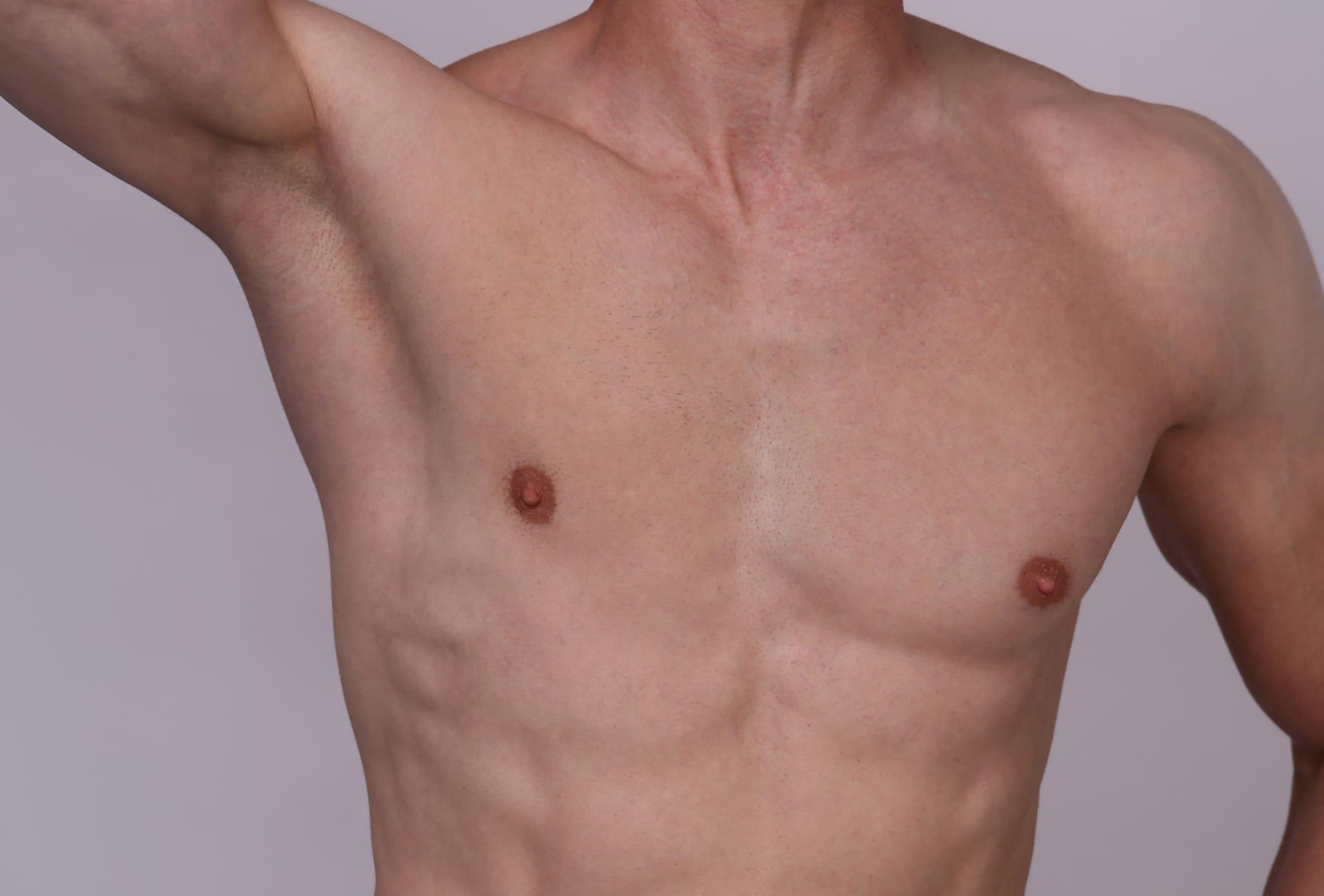
Male areola correction (often alongside gynecomastia)
Men may seek smaller areolas or a tighter, more defined chest appearance. When male areola concerns are present, treatment is often planned alongside gynecomastia correction, depending on the underlying tissue and goals.
Revision surgery
If you’ve had previous breast/chest surgery and aren’t happy with the nipple or areola’s size, position, shape, or scarring, revision may be possible once tissues have fully settled. A consultation is essential to plan safely and realistically.
Nipple & areola correction options (what your surgeon may recommend)
1) Flat/inverted nipple correction (projection-focused)
The core aim is to improve projection and shape. The technique varies based on your anatomy and the degree of flatness/inversion, but the plan usually focuses on:
- Improving outward projection
- Supporting the nipple during healing
- Keeping scars small and strategically placed
Because every nipple–areola complex is different, the “best technique” is the one that fits your structure and your goal for subtle vs more noticeable projection.
2) Areola reduction (resize + reshape)
Areola reduction typically reduces the diameter of the pigmented skin and can also refine shape. The incision is commonly placed around the areola border, where the transition in pigment can help it blend as it heals.
This option is popular when patients want:
- A smaller areola diameter
- A more circular or balanced shape
- Better left-right symmetry
3) Combined nipple correction + areola reduction (one plan)
Want better nipple projection and a smaller or more balanced areola? Many patients choose a combined approach so everything is designed to look harmonious together.
A combined plan can be ideal if your priority is an overall refined look, especially when projection and proportion both matter to your final aesthetic.
Who is a good candidate?
You may be a good candidate if:
- You feel self-conscious about flat or inverted nipples, large areolas, or asymmetry
- You want a more balanced nipple–areola appearance
- You’re in good general health
- You understand that outcomes vary and symmetry is improved—not made mathematically perfect
The consultation is where your surgeon evaluates your anatomy, explains what’s achievable, and designs a plan that matches your expectations.
What to expect: your surgery journey
While every patient pathway is personalized, the typical experience looks like this:
Step 1: Consultation & planning
This is where you define your goal clearly:
- More nipple projection?
- Smaller areolas?
- Better symmetry?
- A combined refinement?
Your surgeon will confirm what technique fits your anatomy and outline expected scarring and recovery.
Step 2: Procedure day
Your procedure may be performed under local or general anesthesia, depending on:
- Your comfort preference
- Your health profile
- Complexity of correction
- Whether procedures are combined
Step 3: Aftercare and follow-ups
You’ll receive tailored aftercare instructions and attend follow-up checks to support smooth healing and the best aesthetic result.
Anesthesia: local vs general
Nipple and areola correction can be performed with local anesthesia or general anesthesia. The choice depends on your case and comfort. During consultation, your surgeon will recommend the safest approach based on your health and treatment plan.
Scars: where they usually sit
Let’s be direct—scars are part of surgery, but nipple/areola procedures are designed to keep them as discreet as possible.
- Areola reduction scars are typically placed along the edge of the areola, where pigment transition can help them blend.
- Nipple correction scars are usually small and positioned close to the base of the nipple or in areas that are less noticeable.
Scars are permanent, but they often soften and fade over time. How they heal varies with skin type, genetics, and aftercare.
Recovery: timeline and aftercare you can plan around
Most patients love that this is a relatively “small” procedure with a straightforward recovery plan—when aftercare is followed properly.
Typical timeline (general guidance):
- Back to desk work: usually immediately
- Showering: after a minimum of 3 days (and initially avoid water on the area)
- Care instructions: keep the area dry; dry gently and be careful for 6 weeks
- Exercise / heavy activity: avoid for 6 weeks
- Swelling: can take up to 6 weeks to settle
Your clinic will provide detailed instructions based on the exact technique used. Following them closely helps minimize complications and supports cleaner scar maturation.

Results: what you can realistically expect
Nipple and areola correction is generally considered a permanent surgical improvement. That said, your final look still depends on individual anatomy, healing response, and tissue quality.
Most patients aim for:
- A more defined nipple projection (for flat/inverted nipples)
- A smaller, more proportionate areola
- Improved symmetry and overall balance
Your surgeon will help align your expectations with what your tissue structure can achieve—so the result looks refined, not overdone.
Risks and considerations (in a balanced way)
Every surgical procedure carries potential risks. Your consultation should cover your personal risk profile, but common considerations include:
- Bleeding, infection, delayed healing
- Scarring that is more noticeable than expected
- Changes in nipple sensation (temporary or occasionally longer-lasting)
- Asymmetry or under/over-correction
- Revision surgery in a small number of cases
Choosing an experienced team and following aftercare guidance are key parts of a safe, smooth recovery.

Cost: starting from €1100
Starting price at Vanity is €1100. Final pricing depends on:
- Whether you are correcting nipples, areolas, or both
- Complexity (especially asymmetry correction and combined work)
- Anesthesia choice (local vs general)
- Whether it’s part of a broader plan (e.g., gynecomastia correction)
- Your doctor choice
The most accurate quote comes after a consultation, when your surgeon confirms the technique and scope.
Planning your Istanbul stay: 5 nights total
If you’re traveling for treatment, plan for a total of 5 nights in Turkey. This allows time for:
- Pre-op assessment and planning
- Surgery day
- Early post-op checks and guidance before you fly home
This timeline helps ensure your aftercare is started properly and your recovery is on track before travel.
Ready to take the next step?
If you’re considering flat nipple correction, inverted nipple surgery, or areola reduction, the best next step is a professional consultation. It’s the fastest way to understand which technique fits your anatomy, what your scarring is likely to look like, and what kind of result is realistic for your body.
The page content is for informational purposes only. The content of this page does not include items containing information on therapeutic health care. For diagnosis and treatment, you must consult your physician or consult the physicians in our clinic. The content has been written regarding the following sources by Vanity Estetik doctors.
- American Society of Plastic Surgeons (ASPS) – Patient safety and informed consent resources
- The Aesthetic Society – Patient information on cosmetic breast procedures and expectations
- NHS (UK) – General guidance on surgery, recovery, and wound care principles
- Cleveland Clinic – General surgical wound care and scar management education
- Mayo Clinic – Surgical risks and postoperative care overview
- Peer-reviewed literature on periareolar techniques and outcomes in aesthetic breast surgery (review articles)
- Peer-reviewed literature on nipple inversion correction techniques and complication profiles (review articles)
Sources
- [1]Inverted Nipple · StatPearls, NCBI Bookshelf · 2023
- [2]Correction of Inverted Nipple Using Subcutaneous Turn-Over Flaps · PMC (Arch Plast Surg) · 2015
- [3]Correction of inverted nipple: an alternative method using continuous elastic outside distraction · PubMed · 2005