Cosmetic Surgery

Face

Body


Hair Transplant

About | Videos | Candidates | Types | Methods | Step-by-Step | Recovery | Risks | Cost
Aging is a biological certainty. Looking “aged,” “tired,” or “heavy” doesn’t have to be your default reflection. At Vanity Cosmetic Surgery Center in Istanbul, our facelift philosophy is clear: we don’t chase tight skin—we restore facial structure. The goal is not to look “done,” but to look like yourself on your best day: brighter, lighter, and more defined.
A modern facelift is a precise, layer-by-layer repositioning of facial tissues. When performed thoughtfully, it can refine the jawline, soften deep folds, lift the cheeks, and bring harmony back to the face—without the pulled look people associate with outdated techniques. If you’re considering a facelift in Turkey, this guide will walk you through the clinical basics, the differences between Deep Plane and SMAS approaches, the recovery timeline, and the travel logistics many international patients want to understand before committing.

A facelift—medically called a rhytidectomy—is designed to improve visible signs of aging in the lower face. Most patients seek a facelift because they notice changes that feel “bigger” than wrinkles: tissue descent, heaviness, and a loss of crisp facial edges.
A face and necklift commonly targets:
Here’s the most important concept: a facelift isn’t primarily a skin-tightening procedure. Skin is the “cover,” but the face ages because deeper support layers shift with time—fat pads migrate, ligaments relax, and the underlying framework changes. Modern facelift techniques focus on repositioning those deeper layers, then redraping skin gently rather than stretching it.
This is why the best results don’t read as “tight.” They read as “fresh.” Your facial identity stays intact, but the architecture looks reset—often to where it sat years earlier.
Turkey has become a hub for aesthetic surgery for two main reasons: accessibility and specialization. International patients are drawn to the opportunity to combine advanced techniques with structured medical travel support. Istanbul, in particular, offers large medical infrastructure, experienced surgical teams, and the kind of high-volume case exposure that can refine skill—especially in procedures like facelift surgery where artistry and anatomy matter.
That said, choosing Turkey is not a decision to make purely on cost. A facelift is delicate, highly visible, and technically demanding. The right choice comes down to the quality of the surgical plan, the safety standards of the facility, the consistency of aftercare, and the realism of the clinic’s communication. If you’re traveling for surgery, the experience must be organized enough to protect your health and your result—even when you’re far from home.
At Vanity, the aim is to deliver an experience that feels calm, premium, and medically grounded—because facial surgery deserves structure, not guesswork.
The question we hear most often is: “Which facelift is right for me?” The honest answer: it depends on your anatomy, your aging pattern, and what you’re trying to improve. A great facelift plan is custom—not because it sounds luxurious, but because faces age differently.
The Deep Plane Facelift is often chosen by patients who want a strong but natural lift—especially when the midface feels heavy or lower eyelid/cheek transitions look more pronounced over time.
In a simplified explanation, the Deep Plane approach works in a deeper surgical layer so the surgeon can reposition facial tissues more cohesively. Rather than tightening skin as the main event, the deeper tissues are mobilized and lifted in a way that supports the cheek and softens deeper folds. Skin closure is typically performed with less tension, which can help scars heal more discreetly when aftercare is followed.


We always give you the best service with our best surgeons
Why patients choose Deep Plane:
Typical longevity: Many patients enjoy long-lasting improvement—often discussed in the 10–15 year range—though longevity varies with biology, skin quality, sun exposure, weight fluctuation, and lifestyle factors.
Deep Plane isn’t “better” for everyone. It’s a tool—an excellent one—when the underlying anatomy and goals align with it.
SMAS refers to a support layer beneath the skin that plays a major role in facial shape. SMAS-based facelifts are widely used and can be extremely effective, especially for lower-face laxity.
A SMAS facelift typically involves addressing that support layer to refine jawline contour and reduce jowls, then redraping skin smoothly. It’s a reliable option for many patients who want a defined lower face with a balanced lift.
Why patients choose SMAS:
Typical longevity: Often discussed around 7–10 years, with the same caveat—patient factors matter.
If your main concern is early jowling, mild jawline softness, or subtle lower-face descent, a mini facelift may be the right fit. Mini facelifts usually involve shorter incisions and a narrower surgical scope, targeting the lower face rather than a full structural rejuvenation.
Who it suits best:
It’s important to match expectations to the procedure. A mini facelift can look fantastic when it’s chosen for the right anatomy. But if you have significant midface descent, deep folds, or substantial neck laxity, a mini approach may feel underpowered.
A facelift can be transformative for the right patient at the right time. You may be an excellent candidate if you:
Age is not the deciding factor—anatomy is. Many patients consider facelifts in their 40s, 50s, 60s, or beyond. What matters is the pattern of aging and what you want to correct.
You may need to delay or reconsider timing if you:
The best consults are honest ones—where your surgeon explains what the procedure can achieve and what it can’t.
A facelift can do a lot—but it isn’t a magic wand. Clarity here protects patient satisfaction.
A facelift typically improves:
A facelift does not directly fix:
That’s why many high-end outcomes come from combination planning: structure + volume + skin quality.
Facelifts rejuvenate structure, but aging is multi-dimensional. Depending on your needs, your plan may include:
Neck Lift
Often the most powerful add-on for a defined jawline-to-neck transition. If your neck shows banding, under-chin fullness, or laxity, addressing the neck can elevate the entire result.
Eyelid Surgery (Blepharoplasty)
Eyes communicate energy. If you have under-eye bags or upper lid heaviness, eyelid surgery can bring balance—especially because a facelift alone doesn’t directly treat eyelids.
Temporal or Brow Lift
A subtle lift in the outer brow can open the upper face, creating a more awake expression. The best results are conservative—lifting, not “surprising.”

We always offer you the best service in our comfortable and hygienic hospitals
Fat Transfer
If your face has lost volume in temples, cheeks, or under the eyes, fat transfer can restore softness and youthfulness. It’s especially valuable when a patient has both descent and deflation.
Skin Quality Treatments (When Appropriate)
Some patients benefit from skin resurfacing protocols. These aren’t a facelift—but they can elevate the finish when timed appropriately and guided medically. Vanity offers fractional laser treatment for co2 skin resurfacing for optimal results.
Combination surgery is never about stacking procedures. It’s about harmony—doing what’s necessary, and nothing that isn’t.
When you travel for surgery, you’re not only choosing a technique—you’re choosing a system. Vanity is positioned as a hospital-based cosmetic surgery provider, which matters because a facelift requires controlled conditions and consistent follow-up.
Key pillars of a premium experience include:
A facelift is not just the surgery day. It’s the week after, the month after, and the scar-care months that follow. A good system supports you through all of it.
Cost is part of planning—but it shouldn’t be the decision-maker. The right facelift is the one that fits your anatomy and is performed safely with structured aftercare.
Pricing typically varies based on:
A transparent clinic should explain what is included, what changes the price, and what you can reasonably expect at your quote level.
The cost of a facelift in Turkey at Vanity starts from €3,100. This entry price reflects our commitment to high-quality care, using world-class surgeons in a fully equipped private hospital.
Most of our patients from the UK and Europe choose to add our luxury logistics package:
| Region | Typical price range |
| Turkey (Vanity Cosmetic Surgery Center – your pricing) | Starts from €4,100 |
| UK (private) | ~£5,000–£8,000 (common range) |
| Europe (typical private clinics) | ~€4,500–€7,500 |
| USA (surgeon fee benchmark) | $4,700–$7,500 (surgeon/physician fee range) |
If you’re traveling internationally, the itinerary matters because early recovery is time-sensitive.
Day 0: Arrival + pre-op assessment
Medical review, pre-op tests as indicated, and surgical planning.
Day 1: Surgery day
Final markings and plan confirmation, procedure, and overnight monitoring.
Day 2: Monitoring and stabilization
Swelling management, incision checks, and comfort support.
Day 3: Transition to hotel recovery
Continued guidance; rest becomes the priority.
Days 4–6: Recovery routine
Short walks, hydration, head elevation, gentle hygiene, and daily check-ins as advised.
Day 7: Final check
Surgeon assessment and travel guidance based on your healing progress.
This is an example. Your surgeon may adjust your schedule depending on your procedure scope and recovery.
Healing is staged, and the “wow” factor builds gradually.
Expect tightness, swelling, and bruising. Your face may feel firm, and your expression can feel restricted. This is normal. Your job is to rest, stay hydrated, and follow instructions precisely.
Swelling often peaks early and then begins to reduce. Bruising can migrate downward as it resolves. Many patients feel better day-by-day, but you’ll still look “post-op.”
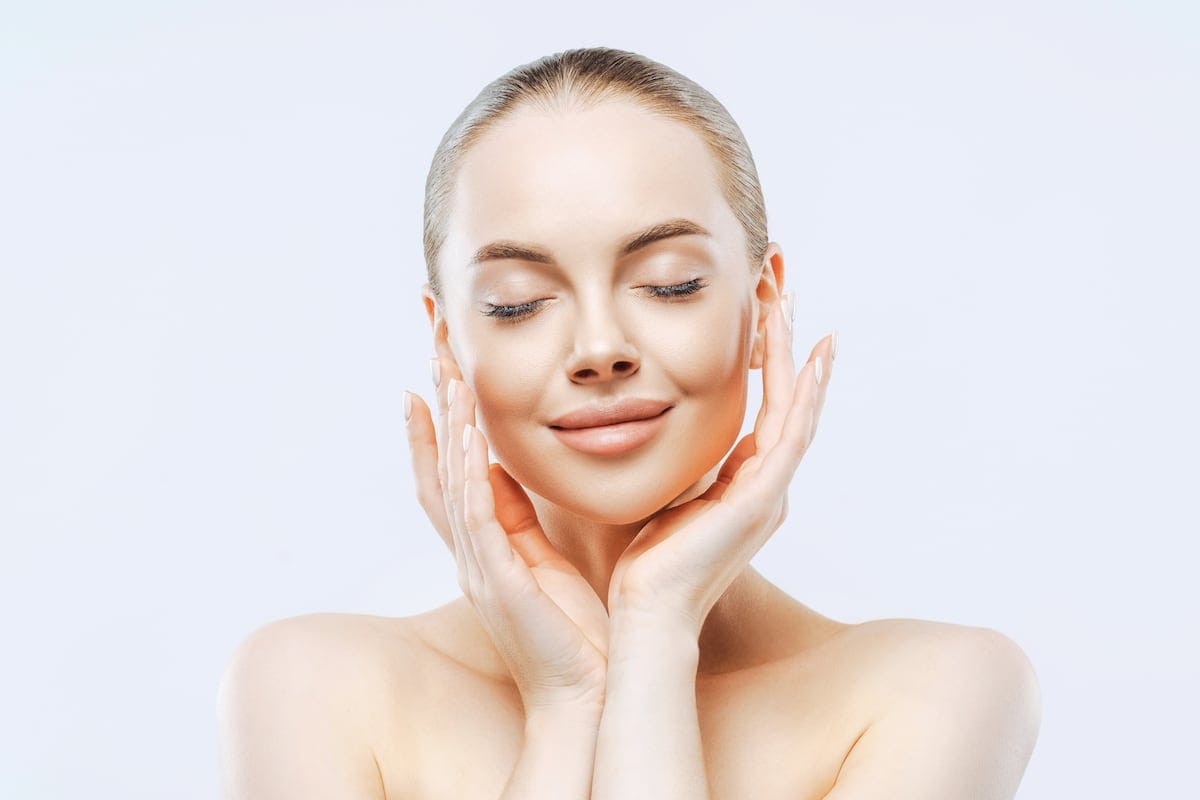
A common milestone: many patients feel comfortable being seen with light coverage. Makeup timing depends on incision healing and surgeon approval—don’t rush it.
Contours sharpen. The face starts to look “like you” again. Most bruising is gone, and swelling continues to decrease.
Residual tightness and sensation changes often improve. This is when many patients feel their results look convincingly natural.
Scar maturation continues; scars fade and soften. Final refinement becomes clearer in photos, profile angles, and natural expressions.
Facelift incisions are commonly designed around natural ear contours and hairline placement to keep scars discreet. The exact pattern depends on your anatomy and the technique used.
Scar quality depends on genetics and technique—but your aftercare matters too:
Attend follow-ups and raise concerns early
Temporary numbness, tingling, or altered sensation can occur. These often improve as healing progresses. Your surgeon will explain what is typical and what should be reported immediately.
Every surgery carries risk. A facelift’s risks can include:
No ethical clinic promises “risk-free” surgery. What matters is risk reduction through:
Your surgeon should explain risks in a way that’s calm, clear, and not frightening—because informed patients make better decisions.
A mini facelift focuses on early signs of aging in the lower face, particularly mild jowls and slight jawline softness. It typically uses shorter incisions and a smaller surgical scope.
A deep plane facelift works in deeper facial layers to reposition underlying tissues, allowing more comprehensive lifting of the cheeks, jawline, and deeper facial folds. It is often recommended for patients with more advanced facial sagging who want stronger yet natural-looking rejuvenation.
Facelift results are long-lasting but not permanent.
● Deep plane facelifts are often associated with results that can last 10–15 years.
● SMAS facelifts typically provide improvement for around 7–10 years.
Lifestyle factors such as sun exposure, skin quality, and weight changes also influence how long results remain visible.
Personal Details
Certifications and professional memberships
Other

Personal Details
Certifications and professional memberships
Other


Personal Details
Certifications and professional memberships
Other

Personal Details
Certifications and professional memberships
Other

Personal Details
Certifications and professional memberships
Other
As Vanity Cosmetic Surgery Center, we work with surgeons with international certificates so that you can trust us.

MD. Yeşiladalı graduated from the Istanbul University–Cerrahpaşa Faculty of Medicine and completed his residency in Plastic, Reconstructive, and Aesthetic Surgery at Haydarpaşa Numune Training and Research Hospital. With a scholarship from the Turkish-German Medical Association, he pursued further training at the University of Giessen in Germany. His success in both written and oral exams in Austria and Belgium earned him membership in EBOPRAS (European Board of Plastic, Reconstructive and Aesthetic Surgery). Since 2006, he has performed thousands of facial, breast, and body-contouring surgeries. He consistently performs an average of more than 15 surgeries per week. In 2016, MD. Yeşiladalı founded Vanity, where he began leading the surgical team and continues to advance techniques in rhinoplasty, liposuction, and fat transfer. He speaks German, English, and Turkish.
Sandhya Pruthi, M.D., Face-lift, (2022, August 4).
https://www.mayoclinic.org/tests-procedures/face-lift/about/pac-20394059
Facelift (rhytidectomy), (2023, October 2).
https://www.nhs.uk/conditions/cosmetic-procedures/cosmetic-surgery/facelift/
Casey, J. (2002, May 14). Erase Aging With a “Mid-Facelift”?
https://www.webmd.com/beauty/features/erase-aging-with-mid-facelift
Brazier, Y. (2017, March 10). Cosmetic surgery: What you should know.
https://www.medicalnewstoday.com/articles/155757

As FERMED Private Health Services Trade Joint-Stock Company, we attach importance to the safety of the personal data that you share with our company, for this purpose we show the utmost sensitiviy to the protection and processing of your personal data in accordance with the law.