


What it is
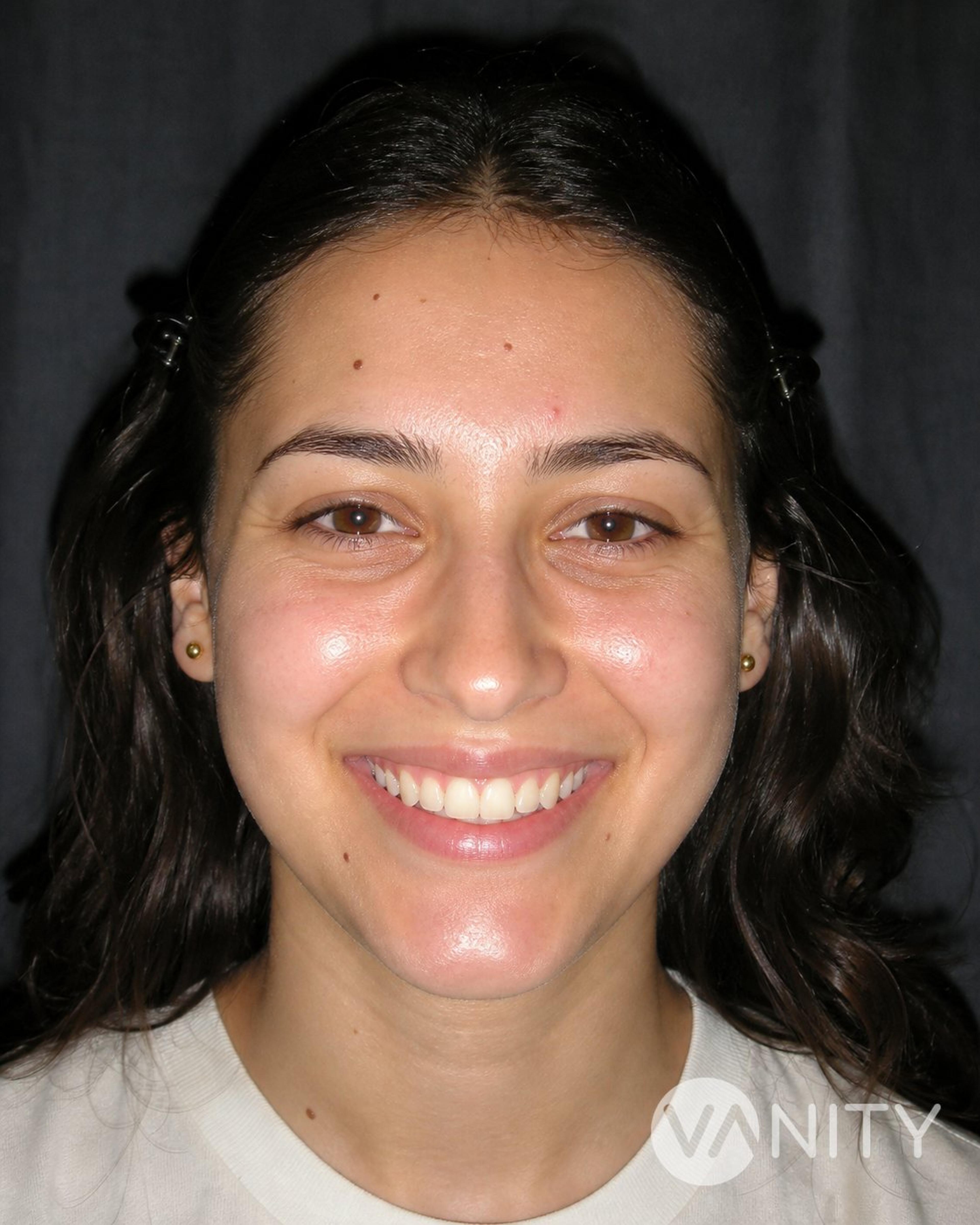
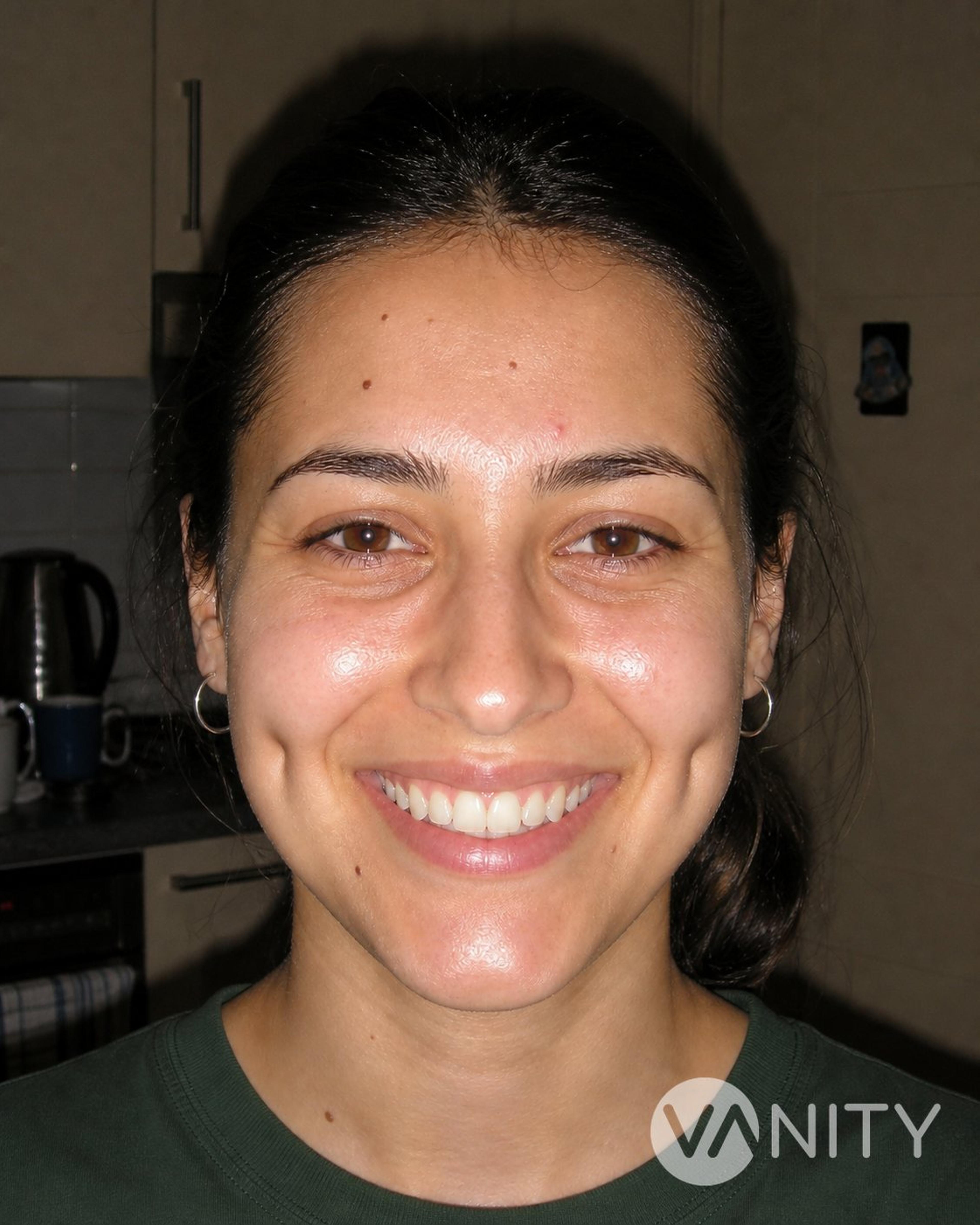
Dimple surgery — dimpleplasty — creates a small indentation in the cheek, one dimple or two, by placing a single absorbable stitch on each side between the inner cheek lining and the muscle beneath it. There is no cut on the outside of the face. At first the dimple shows even at rest, then softens over a month or two to appear mainly when you smile.
It is chosen by adults who want a feature they were not born with. It cannot be fully reversed, so it suits people who are sure of the placement rather than those experimenting with a look.
Techniques we use
We create dimples through a small incision inside the mouth. A tiny core of tissue is removed, then an absorbable suture tethers the cheek lining to the muscle. There is no incision or scar on the outside of the face.
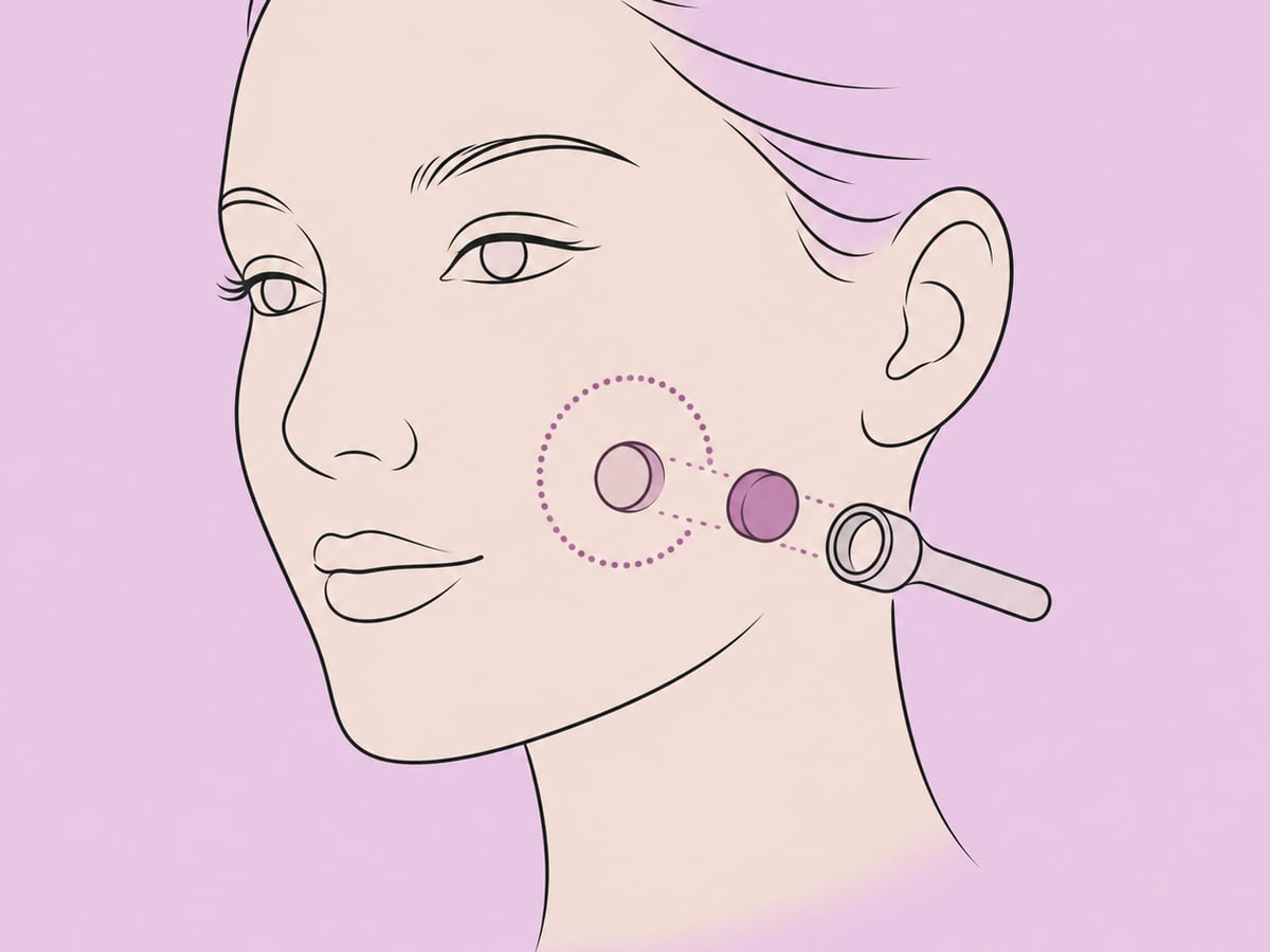
We use the intraoral incision technique for dimple creation. We do not use a punch technique.
A variation that creates a vertical cleft or round dimple in the chin rather than the cheek. The principle is the same — an internal suture pulls the skin inward — but placement and depth are planned against the chin's bone structure.
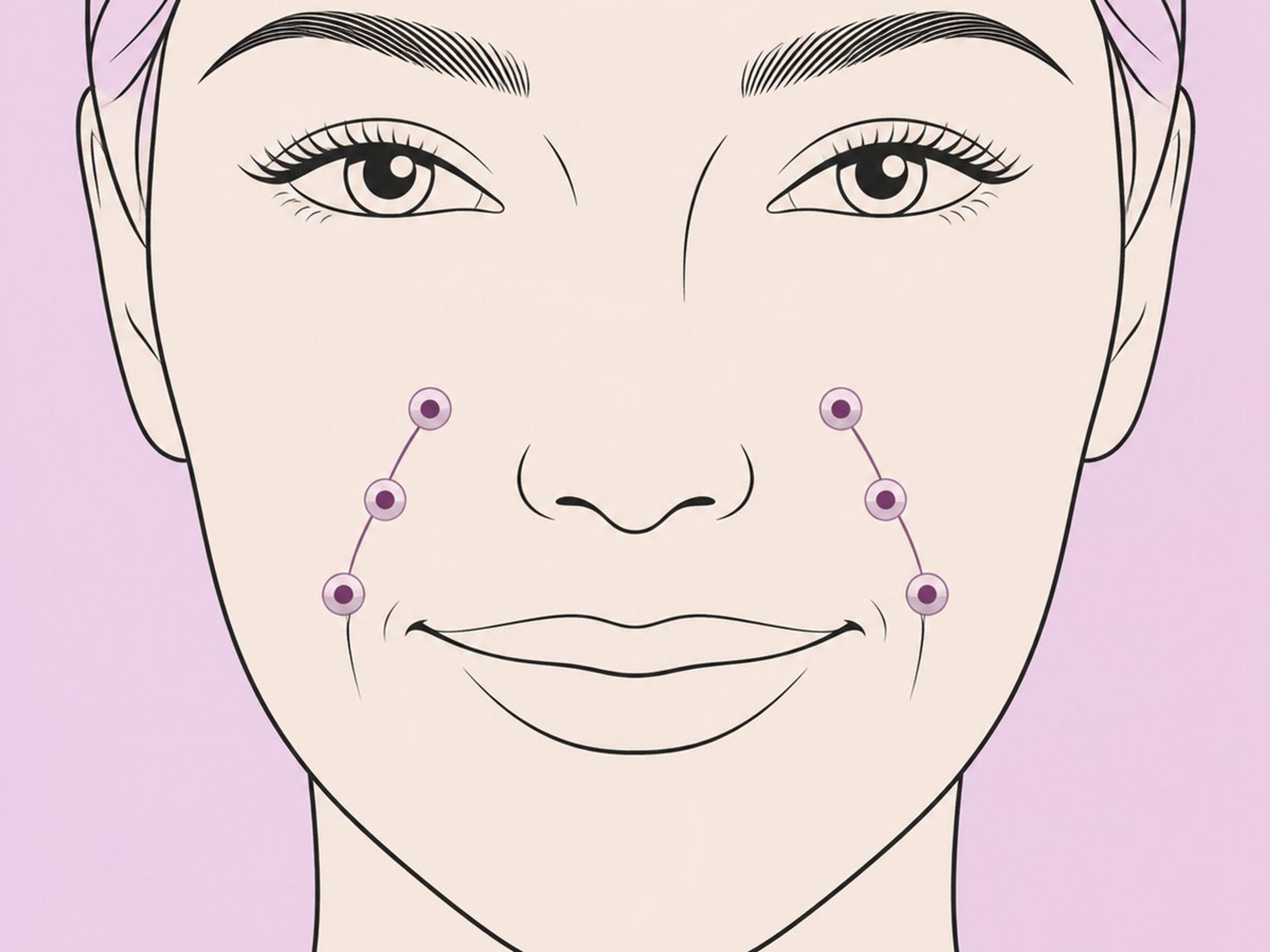
One dimple on each cheek — the usual request, and the classic dimpled smile. It suits faces that are already broadly symmetrical: both sides are marked against the same smile line and tethered to the same depth, because a mismatch shows most at the moment you smile. Depth and position are agreed before the first stitch, since the two sides cannot be adjusted against each other afterwards.
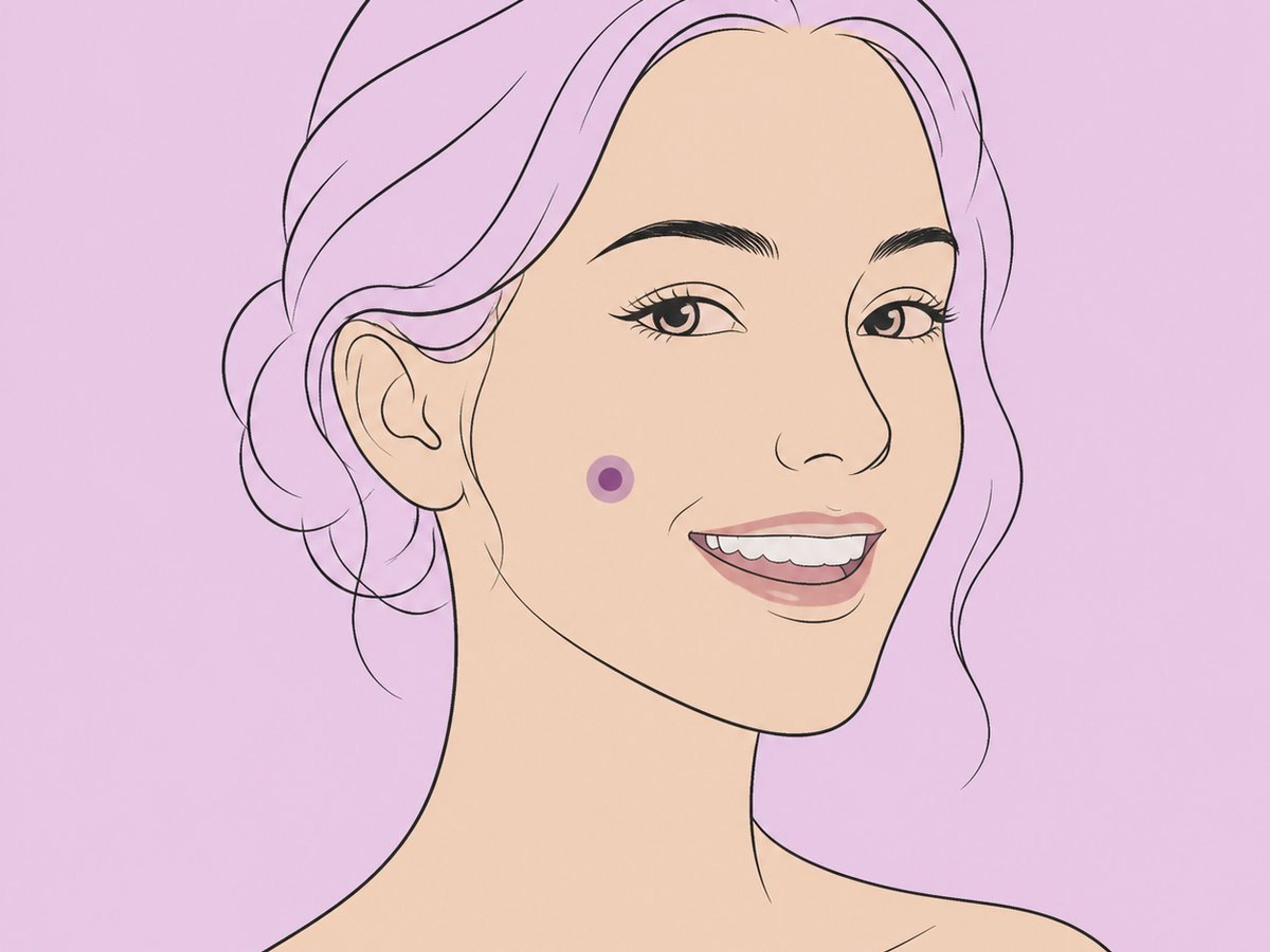
One dimple only, on the side that suits your smile. It is chosen either for a more distinctive look or for a face that is naturally asymmetric, where forcing a matching pair would read as unnatural. Placement matters more here than with a pair — the dimple has to look intended rather than like a missing second one.
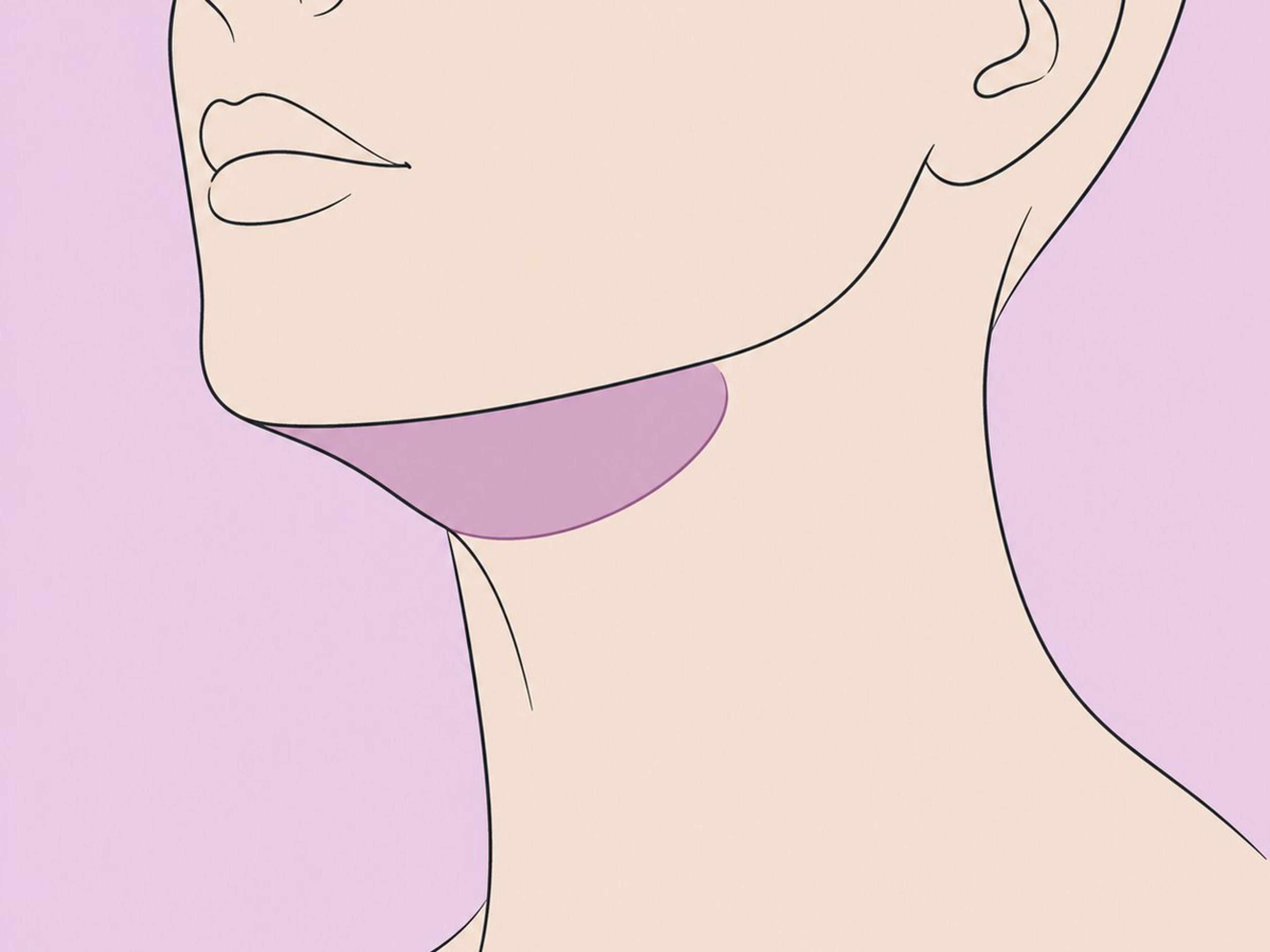
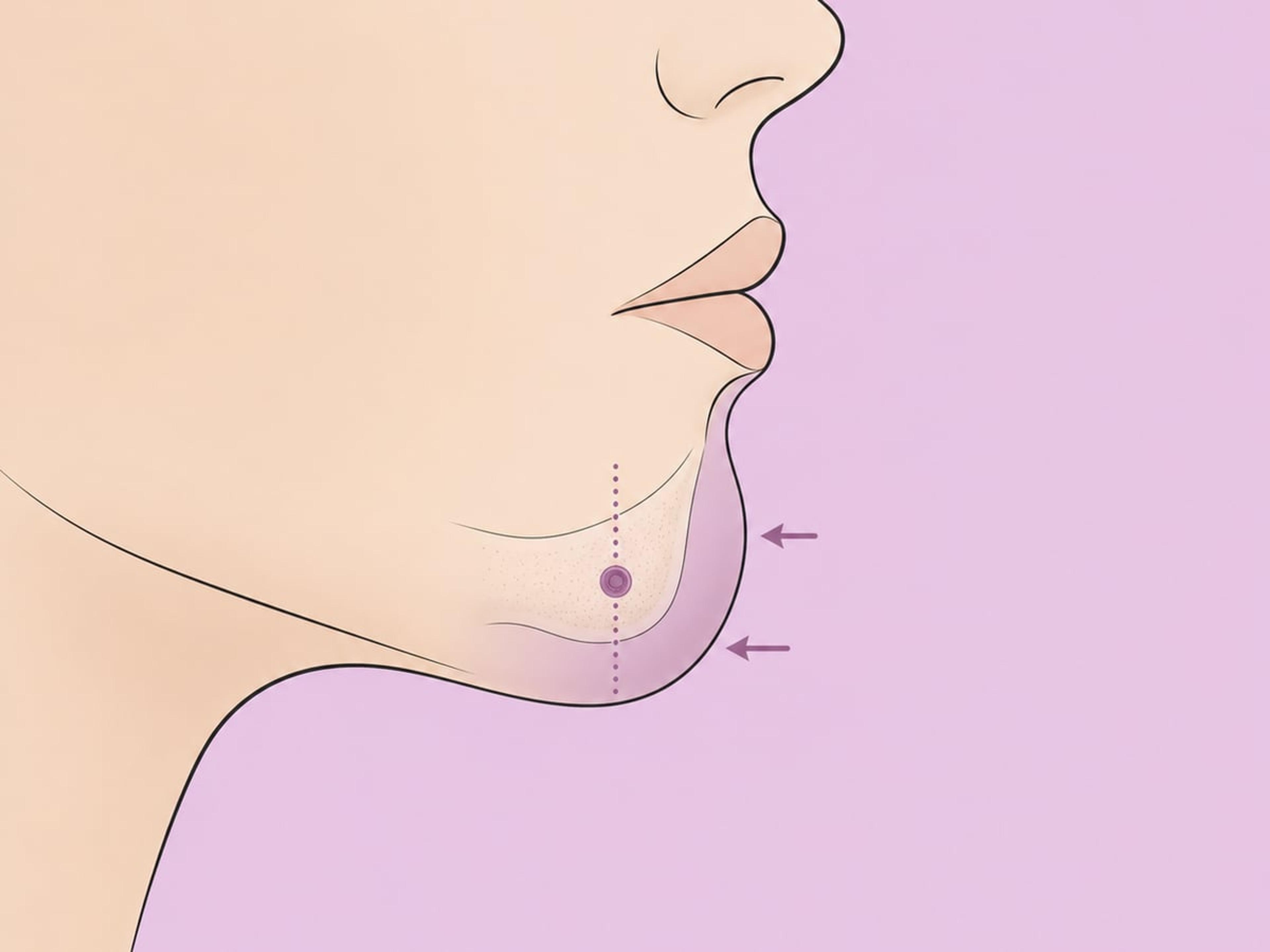
For suitable patients with fullness beneath the chin, submental liposuction can be planned alongside dimpleplasty. It refines the jawline and neck while the dimples add definition to the smile, but the procedures address different areas and suitability is confirmed by the surgeon after assessing skin quality, fat distribution and recovery needs.
How the surgery works
Suitability check
The surgeon confirms you are a candidate before anything is scheduled: over 18, no active skin condition in the cheek area, and no blood thinners that cannot be paused. Placement and depth are planned from your photos, against your smile line.
Local anaesthetic
The cheek is fully numbed from inside the mouth. No general anaesthetic is needed, which is why this stays a 20–30 minute day case — you feel pressure, not pain. Sedation can be added if you are particularly anxious, though it is rarely needed.
Small opening inside the cheek
A short incision is made in the inner cheek lining, never through the facial skin. Working from inside the mouth is what leaves no external scar.
The tethering stitch
A tiny core of tissue is removed and an absorbable suture links the cheek lining to the muscle beneath. That tether is the dimple: when the muscle moves in a smile, it pulls the skin inward.
The dimple forms over weeks
At first the dimple is deep and shows even at rest — this is expected, not the final result. As the suture dissolves, internal scar tissue takes over the tethering: the shape softens over about 4 weeks and settles by 2 months, appearing mainly when you smile.
Recovery, week by week
- Day 1
Mild swelling inside the cheek and a constant dimple, visible even at rest. Soft foods only, and rinse gently with saline or the prescribed mouthwash. Avoid drinking through a straw — the suction can strain the internal suture.
- Week 1
Most swelling settles. The dimple still looks deep and may show without smiling. You can usually return to work and normal eating.
- Week 4
The internal suture dissolves and the tethering scar tissue forms. The dimple begins to relax — less obvious at rest, clearer on smiling.
- Month 2
The result settles into its final character: a natural-looking dimple that appears mainly with expression.
How to prepare
- Stop blood thinners, aspirin and supplements such as fish oil and vitamin E 7–14 days before surgery, as advised.
- Avoid alcohol and smoking for at least a week beforehand.
- Have a dental cleaning before you travel, and brush thoroughly on the morning of surgery.
- Plan for soft foods and a prescribed mouth rinse for the first few days.
- Bring reference photos showing where you want the dimple, and how deep.
Risks
Every operation carries risk. We name them so you can ask the right questions.
- Asymmetry between the two sides
- A dimple that fades or disappears as the suture loosens
- A dimple that stays visible at rest and does not soften as expected
- Infection at the internal suture site
- Temporary numbness or tightness in the cheek
- Small risk of injury to a branch of the facial nerve
- Minor bleeding at the internal incision site

What to expect in Turkey
Dimple surgery is a day case, with no overnight stay, so the trip to Istanbul is short. Most people plan about 3-5 days here in total — the surgery itself, a follow-up check, and time for the intraoral suture to settle before flying home.
Before you fly
Talk to the surgeon before you travel. We plan the placement and depth from your photos, confirm you are a candidate, and a real advisor replies the same day. The preparation steps above apply unchanged — book a stay of about 3-5 days once your date is set.
At the clinic
The procedure is done from inside the mouth under local anaesthetic, in 20–30 minutes, with no external incision, and you go home the same day. You meet the surgeon who will do the work before anything is scheduled, and airport pickup and an interpreter are part of our international-patient care. Confirm with us in advance where your specific surgery will take place.
Recovery in Istanbul
Plan for 3-5 days in Istanbul . Swelling inside the cheek is normal and the dimple looks deep at first — this is expected. We see you once for a follow-up check of the intraoral suture before you fly.
Heading home
You can fly as early as 2 days after, but we prefer you wait about 5 days if your schedule allows, so the swelling settles and any bolster suture can be removed. Once you are home, we continue with telemedicine, and care runs for twelve months — not twelve hours.
- United Kingdom
- £2,150 – £2,700
- United States
- $2,500 – $6,000
Published typical ranges for orientation — confirm with a local quote.
Frequently asked
Will the dimple look natural or obviously made?
For the first few weeks it looks deeper than a natural dimple and shows even at rest. As the internal scar matures over 1–2 months, it relaxes into a softer indentation that mainly appears when you smile.
Can I choose where the dimple goes?
You choose the look; the surgeon sets the exact point. Placement follows your natural smile line, cheek fullness and midface width, and is marked while you smile and again at rest — a dimple set off that line looks pinched rather than natural. Say at the consultation whether you want it subtle or obvious, and bring reference photos.
Is it better to get one dimple or two?
Both look natural when they are planned properly. Two is the more common request and gives the classic dimpled smile, but it depends on matching placement and depth on each side, because a mismatch shows most at the moment you smile. One suits a face that is naturally asymmetric, or simply a more distinctive look — what matters is that it reads as intended rather than as a missing second dimple. The surgeon will say which sits better with your smile line and cheek fullness at the consultation.
Is dimple surgery permanent?
It is intended to be permanent, but results vary. In some cases the suture loosens or the scar weakens over time and the dimple fades, which may need a revision. A significant change in weight can also alter how deep the dimple appears.
Does it leave a visible scar?
No external scar — the whole procedure is done from inside the mouth. The internal site heals like any minor oral wound.
How much does dimple surgery cost in Istanbul?
At Vanity in Istanbul it starts from €1,350, often as a package that covers the surgeon's fee, local anaesthesia and a follow-up. Whether you have one dimple or two, and whether sedation is added, moves the final figure. It is cosmetic, so it is not covered by insurance.
Why does dimple surgery cost less in Turkiye than in the UK or US?
Largely operating costs and a streamlined care pathway, not a difference in the surgery itself — the same intraoral technique, a modern facility and coordinated aftercare. Price is still the weakest way to choose a clinic. Compare on safety, the surgeon's experience, how aftercare is structured and how transparent the quote is about what it includes.
Can it be reversed if I change my mind?
Reversal is possible but not always complete. A surgeon can release the internal suture and rebuild the tissue, though a faint indentation or scar may remain.
Can I fly to Istanbul just for this and get home safely?
Yes. It is a day case under local anaesthetic with no drains, so the risk of a travel clot is low, and you can fly as early as 2 days after. We prefer you wait about 5 days if you can, so the swelling inside the cheek settles first.
How long do I need off work?
Most people take 1–3 days off. Cheek swelling and an exaggerated dimple are normal in the first week, so plan around any events where you would rather not have visible changes.
What can I eat afterwards?
Soft, cool food for the first few days, then normal eating once the internal wound is comfortable. Avoid crunchy, spicy or very hot food while the incision closes, brush gently around the area, and use the prescribed rinse after meals — the stitch sits inside your mouth, so oral hygiene is what protects it.
Who is a good candidate for dimple surgery?
You need to be over 18 and in good general health. An active skin condition in the cheek area can interfere with healing, so mention any dermatological history at the consultation — the surgeon will confirm whether to go ahead or treat the skin first.
Does dimple surgery hurt?
Not during the procedure — the area is fully numbed with local anaesthetic, so you feel pressure but no pain. Afterwards, expect mild discomfort at the internal site for a few days, manageable with simple painkillers, and most people return to normal routines the next day.
Is there a non-surgical way to create a dimple?
No. The effect depends on a physical tether between skin and muscle, and no injection or device reproduces it. Makeup shading or a photo filter can imitate a dimple in a picture, but one that appears every time you smile only comes from surgery.
Why do natural dimples form?
Natural dimples come from a variation in the zygomaticus major, the cheek muscle used when smiling: a split or shortened band of the muscle tethers the skin and pulls it inward on expression. The trait forms before birth. Dimpleplasty recreates that tether with a suture.
Sources
- [1]The ins and outs of creating dimples with plastic surgery · American Society of Plastic Surgeons
- [2]Dimple creation surgery technique: a review of the literature and technique note · PubMed · 2012
- [3]Anatomical basis of dimple creation – A new technique: Our experience of 100 cases · PubMed Central
- [4]Analysis of the clinical and aesthetic results of facial dimple creation surgery · PubMed