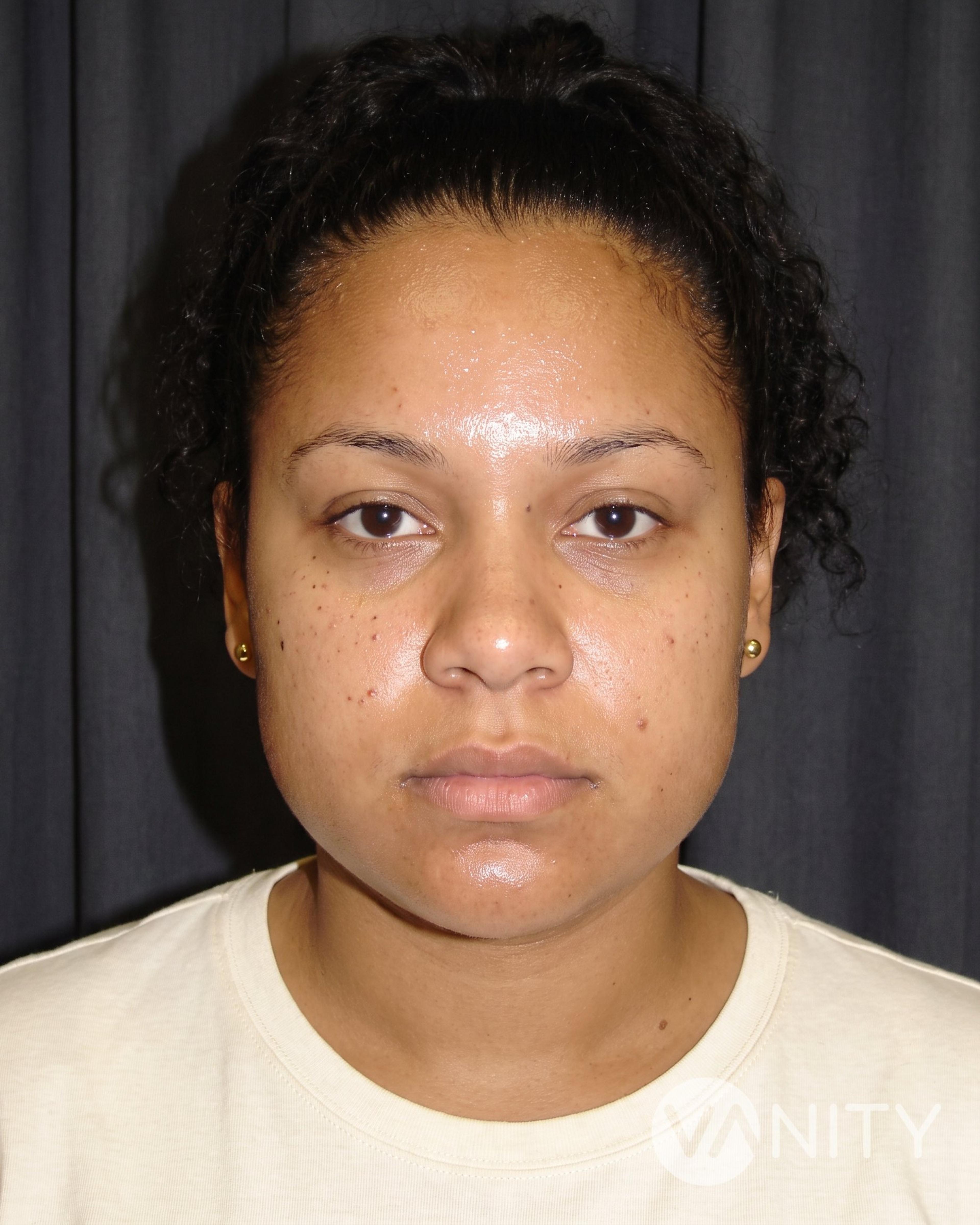
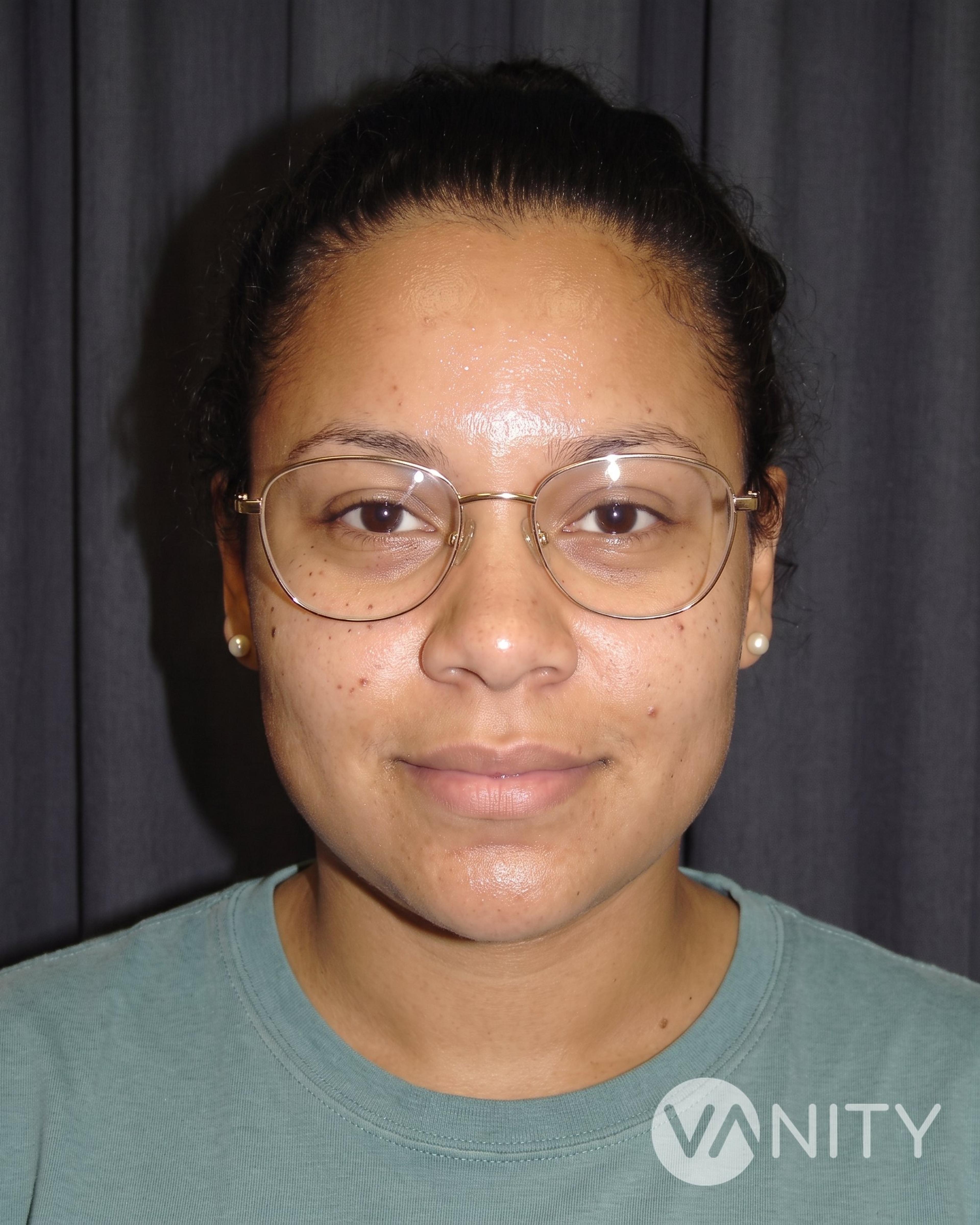



What it is
Buccal fat removal takes out part of the buccal fat pad — a small, self-contained pocket of fat that sits in the lower cheek. The incision is made inside the mouth, so there is no visible scar, and the aim is a clearer contour under the cheekbone rather than a changed face.
It suits adults, usually in their 20s to 40s, with genuinely full lower cheeks that do not slim with weight loss. It is not a treatment for jowls, sagging, or overall facial fullness.
Techniques we use
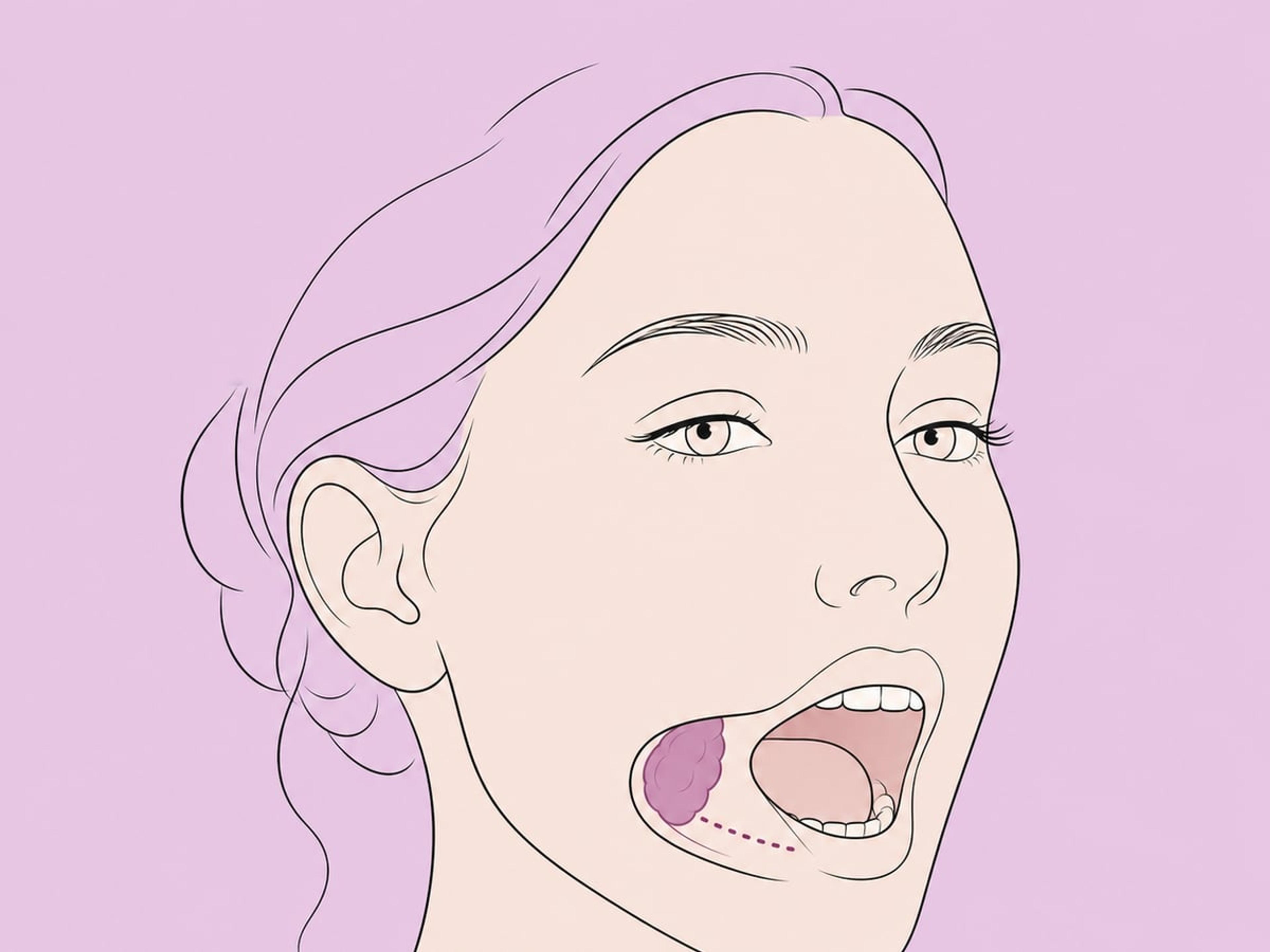
A short incision is made inside the cheek, the buccal fat pad is eased out, and a measured portion is removed — no more. Closure is with dissolvable sutures, and the procedure usually takes under an hour under local anaesthesia with sedation. Removing a conservative amount is what keeps the result looking like your real self as you age.
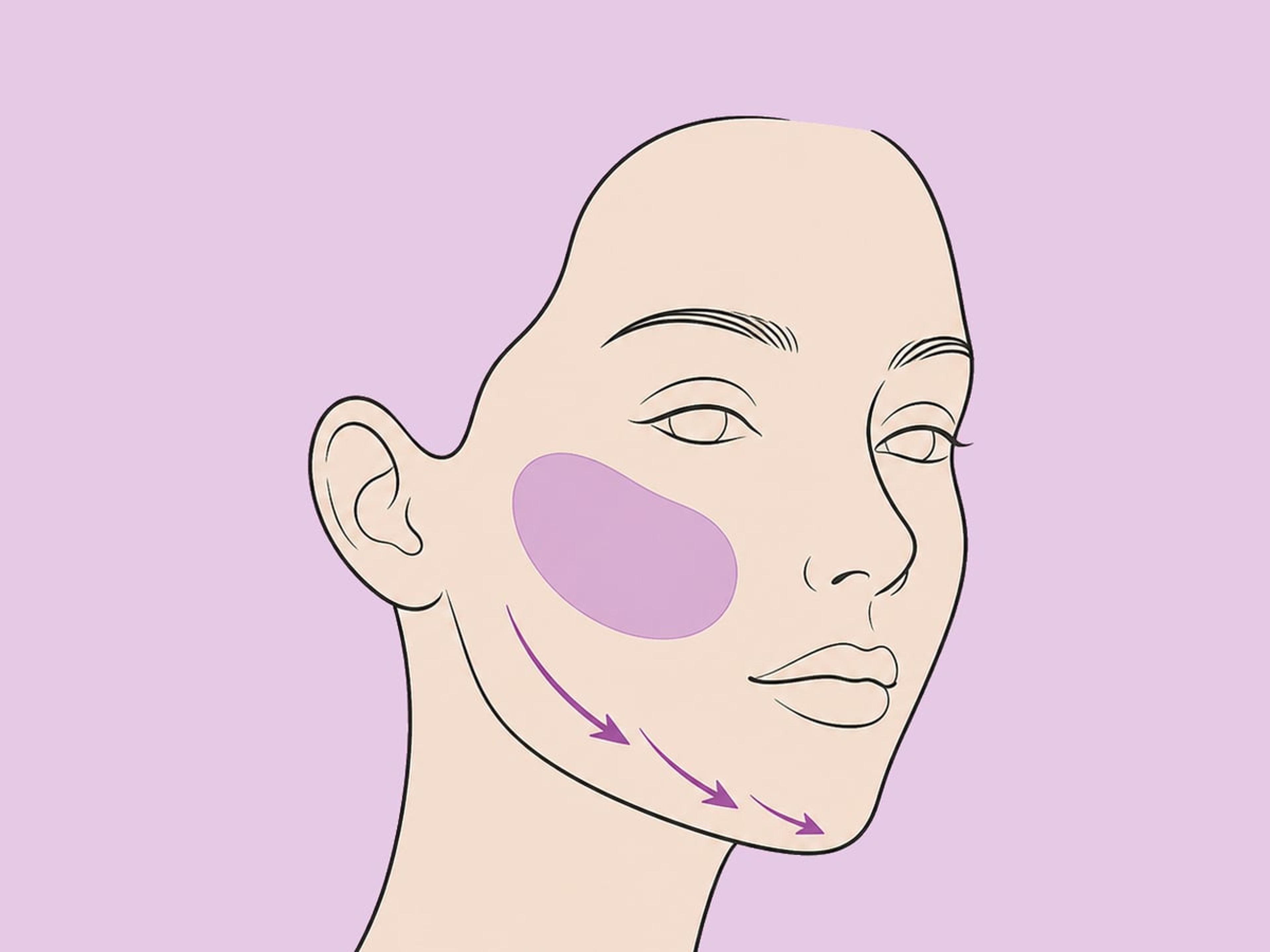
Buccal fat can be reduced during a deep-plane facelift, chin implant, or jawline contouring, so the lower face is refined in a single recovery. This is a planning decision made with the surgeon, not a different technique on the fat pad itself. We only combine procedures when the anatomy and your goals genuinely call for it.
How the surgery unfolds
Plan the amount, not just the surgery
The surgeon decides how much fat to remove from your facial anatomy, your goals, and your general health — not a standard amount. This is agreed over video before you travel, so nothing about your candidacy is settled only once you land.
Local anaesthesia with sedation
An anaesthesiologist numbs the cheeks and keeps you comfortable with light sedation. This is what makes the procedure a day case; general anaesthesia is reserved for when it is combined with a facelift or jaw work.
Small incision inside each cheek
A short incision is made in the inner cheek lining, opposite the molars. Because it sits inside the mouth, it heals without any visible scar.
Ease out and trim a measured portion
The buccal fat pad is gently eased through the incision and only the agreed portion is trimmed away. The restraint is deliberate: the face loses volume with age, so removing too much can read as gaunt years later.
Dissolvable sutures, home the same day
Each incision is closed with sutures that dissolve on their own — no removal appointment, no external bandages or drains. You are discharged the same day with a soft-food and mouth-rinse plan.
Recovery, week by week
- Day 1
Cheek swelling and tightness, with mild soreness when you open your mouth. You will be on a soft or liquid diet and rinsing with an antiseptic mouthwash after meals.
- Week 1
Most visible swelling settles enough for desk work and low-key plans. Chewing is still cautious, and the dissolvable sutures come away on their own.
- Weeks 2–3
You look like yourself again in everyday settings. Some inner-cheek tenderness lingers, and the contour still reads slightly fuller than the final result.
- Month 3
Deep swelling keeps resolving and the new cheek contour starts to read clearly, especially in photos.
- Month 6
The shape is essentially settled. The hollow under the cheekbone is at its true depth and will not deepen meaningfully from here.
How to prepare
- Stop blood thinners, NSAIDs, and supplements like fish oil and vitamin E for about 14 days before surgery, with your surgeon's sign-off.
- Avoid nicotine in any form for at least 2 weeks before and after surgery to protect healing.
- Have a soft-food and liquid plan ready for the first 3 to 5 days, plus an antiseptic mouth rinse on hand.
- Arrange a quiet day after surgery, since you will likely have had sedation.
- Take front, three-quarter, and profile photos in neutral light so you can track changes honestly over the first 6 months.
Risks
Every operation carries risk. We name them so you can ask the right questions.
- Asymmetry between the two sides
- Over-resection, which can read as gaunt or prematurely aged over time
- Infection at the intraoral incision
- Temporary numbness or altered sensation in the cheek
- Hematoma or prolonged swelling

What to expect in Turkey
Coming to Istanbul for buccal fat removal is a short, calm trip. It is a day-case procedure, so you are not admitted overnight, and the week you spend here is mostly early healing and a single review before you fly home.
Before you fly
We plan the procedure with the surgeon over video first, so your candidacy and the amount of fat to remove are agreed before you travel — not decided once you arrive. The preparation steps above apply unchanged. Most nationalities enter Turkey visa-free or on an e-visa, which comfortably covers a one-week stay.
At the clinic
International patients are met with VIP airport transfers and an interpreter for the appointments. Surgery is a day case, you go home the same day. If you are choosing a facility in Turkey, it is worth verifying both the surgeon's credentials and the accreditation status of the specific facility where surgery takes place.
Recovery in Istanbul
Plan for about 5 days in the city — roughly 4-5 hotel nights — with one follow-up visit for a suture and wound check while you are here. The first days are soft food, mouth rinses, and rest; by the end of the week most visible swelling has settled enough for quiet plans.
Heading home
There are no external bandages or drains and clotting risk is low, but we still prefer a post-op review before you leave and, ideally, about 7 days before a long-haul flight. Stay hydrated and move in your seat during the journey.
- United States (Miami)
- $3,000 – $5,500+
- United Kingdom (London)
- £4,500 – £5,500
- Switzerland
- CHF 3,500+
Published typical ranges for orientation — confirm with a local quote.
Frequently asked
Will it make me look older later?
It can, if too much fat is removed. The face loses volume naturally with age, so a conservative reduction in someone with genuinely full cheeks tends to age more gracefully than an aggressive one in a borderline candidate. We err on the side of taking less.
How long do I really need off work?
Most people take 5 to 7 days if they are on camera or client-facing. For desk-only work, some return after a long weekend, accepting that the cheeks will still look puffy in the first week.
Are the results permanent?
Yes. The removed portion of the buccal fat pad does not grow back. Future weight changes and normal facial aging will still affect how your cheeks look over time.
Will I have visible scars?
No. The incisions are inside the cheek and close with dissolvable sutures, so nothing shows from the outside.
Am I a good candidate if I just have a round face?
Not necessarily. Roundness from skin, the masseter muscle, submental fat, or overall body weight will not respond to buccal fat removal. A good candidate has a specific fullness in the lower cheek that pinches between the fingers, and that is something we confirm with you before you travel.
Can I do this as a trip to Istanbul?
Yes, and it travels well. It is an intraoral day case with no external bandages or drains, so most patients plan about 5-7 days in Istanbul — 5 hotel nights and one follow-up visit for a wound check before heading home. We plan the whole procedure with the surgeon over video first, so nothing about your candidacy is decided only once you land.
When will I actually see the result?
You will notice early definition around weeks 3 to 4, but the true contour shows between months 3 and 6 as the deep swelling resolves.
Does buccal fat removal hurt?
Not really — most people describe mild to moderate discomfort rather than pain. What you feel is pressure and tightness in the cheeks, most obvious when you smile, talk, or open your mouth to eat. It is at its worst in the first 48 to 72 hours, alongside the swelling, and eases quickly from there on routine painkillers, which are part of the package. Some tenderness in the inner-cheek lining lingers into the second and third week, which is why we keep you on soft food and mouth rinses early on.
What can I eat afterwards, and how do I look after the incisions?
You start on soft, cool food and build back up as comfort allows, usually over the first 3 to 5 days. Because the incisions sit inside the mouth, hygiene does most of the work: rinse with the antiseptic mouthwash after every meal, and keep off very hot or spicy food early on, since it irritates the healing lining.
Are there non-surgical alternatives?
If the fullness is weight-related, stabilising your weight and body composition may be enough on its own. Injectable contouring can shift the impression in selected faces, and skin-tightening devices give a subtle lift, but neither removes volume. When the roundness genuinely comes from the buccal fat pad, surgery is the only definitive way to reduce it.
Is it done under local or general anaesthesia?
Usually under local anaesthesia with sedation, which is what makes it a straightforward day case. General anaesthesia is an option in select cases — most often when buccal fat removal is combined with a facelift or jaw work — and that choice is made with the surgeon during planning.
Is buccal fat removal suitable for men?
Yes. The procedure is performed the same way regardless of gender: the fat pad is removed through an incision inside the mouth to define the lower-cheek contour. Candidacy is judged on the same anatomy — genuine buccal fullness that does not slim with weight loss. Men usually want a sharper lower face rather than a hollow cheek, so the plan often pairs buccal fat removal with chin or jawline work, or with submental liposuction — double-chin liposuction, in plain terms — to keep the whole lower face in proportion.
Why do quotes for buccal fat removal vary between clinics?
Quotes reflect the surgeon's experience, the standard of the facility, the scope of the plan (a standalone procedure costs less than one combined with other work), and how much pre- and post-operative care is included. When comparing, check what each price actually covers rather than the headline figure.
Sources
- [1]Buccal Fat Removal · American Society of Plastic Surgeons
- [2]Buccal fat pad excision for cheek refinement: A systematic review · PubMed Central · 2021
- [3]Buccal Fat Pad Reduction · StatPearls (NCBI Bookshelf) · 2022
- [4]Buccal Fat Pad Excision: Proceed with Caution · PubMed · 2018