
Introduction
If you’re researching hair transplants in 2026, one phrase shows high intent: “no-shave.” It’s especially popular with executives, public-facing professionals, and patients who want discretion.
In this guide, we’ll explain DHI no-shave hair transplant in Istanbul—how it works, who qualifies, DHI vs Sapphire FUE, and what to realistically expect for healing and growth.
What is DHI hair transplant?
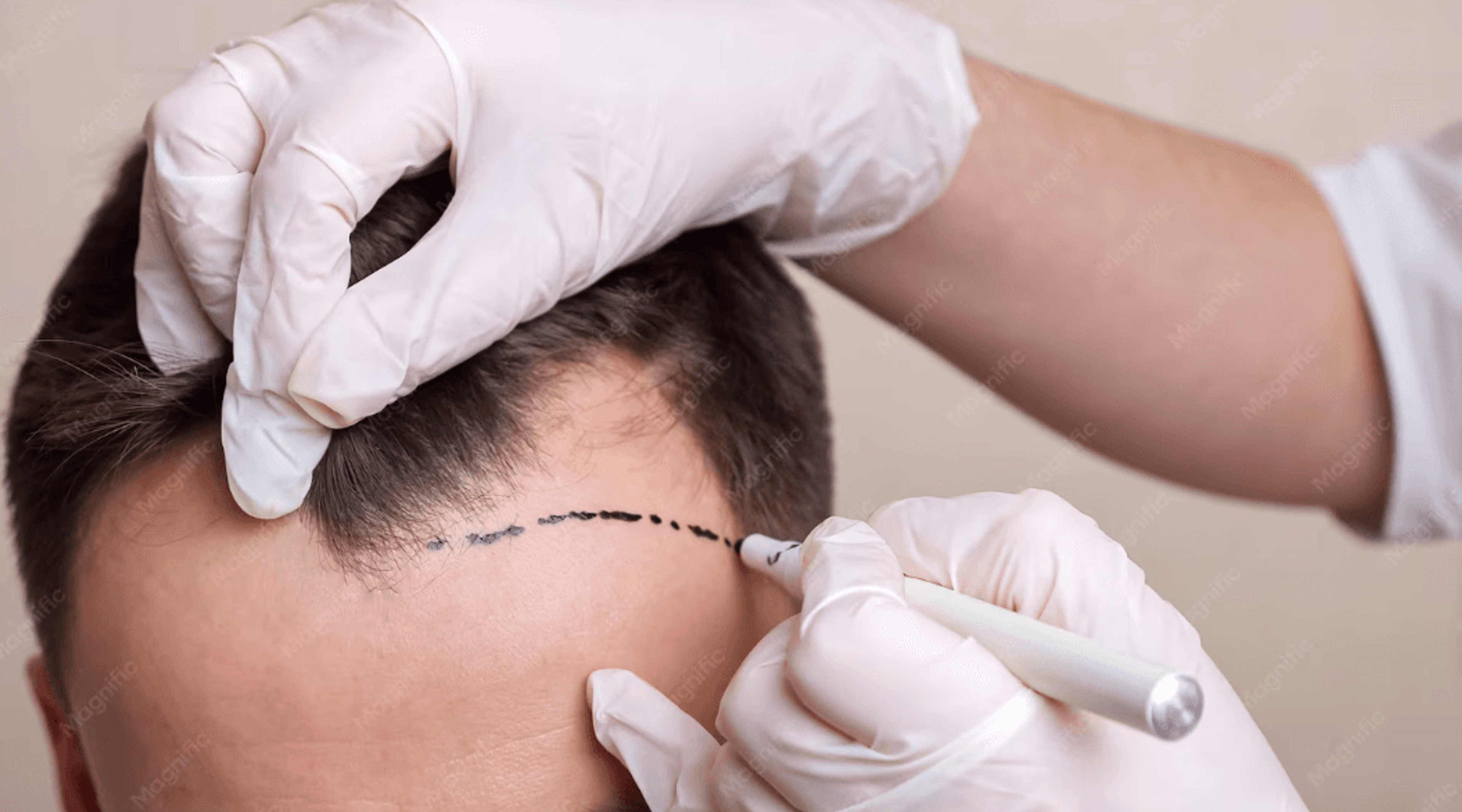
DHI (Direct Hair Implantation) is a technique where extracted follicles are implanted using a specialized implanter device. The goal is precise placement and controlled angle/direction—key factors for a natural-looking hairline.
At Vanity, DHI and Sapphire FUE are planned based on:
- donor strength
- hair caliber
- pattern of loss
- styling goals (hairline shape, density priorities)
What does “no-shave” actually mean?
“No-shave” usually means the recipient area doesn’t need full shaving, and the donor area may be partially trimmed in a way that can be concealed.
Why patients choose no-shave
- Keeps your look more discreet during travel/return to work
- Easier to blend early healing into existing hair
- Popular for people who can’t “disappear” for weeks
Important: Not everyone is a candidate. Your doctor will determine if no-shave is feasible based on graft count, hair length, and scalp characteristics.
DHI vs Sapphire FUE: which should you choose in 2026?
DHI: best when precision and discretion matter
Often chosen for:
- hairline work requiring detailed angle control
- patients prioritizing a discreet, “executive-friendly” approach
- certain density goals where controlled placement is key
Sapphire FUE: best for larger sessions and efficiency
Often chosen for:
- larger areas needing coverage
- broader pattern hair loss
- patients who want robust coverage plans
Both can look natural. The “natural look” comes from:
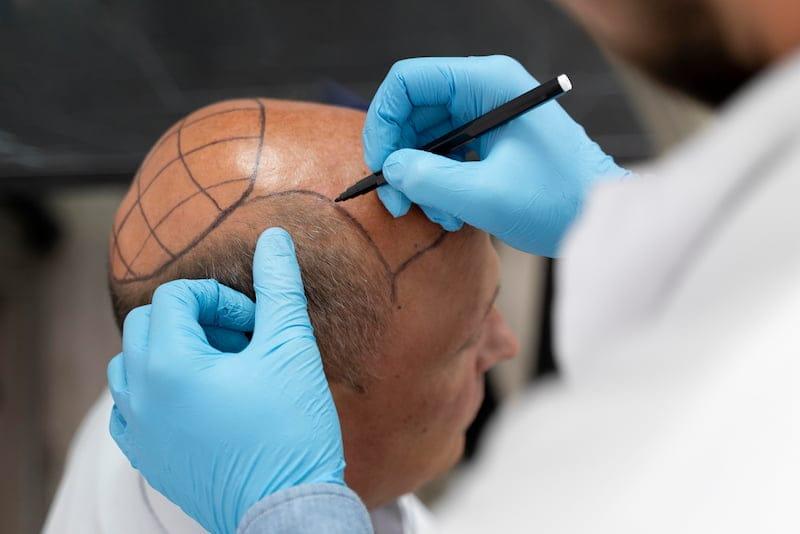
- hairline design (not too straight, not too dense in the front)
- correct angle + direction
- donor management (not overharvesting)
- realistic density planning
Who is a good candidate for a no-shave DHI hair transplant?
You may be a strong candidate if you:
- want a discreet option for work/social life
- have enough donor density
- have suitable hair length to camouflage partial trimming
- don’t need an extremely large graft count (case dependent)
A medical consultation should also review:
- scalp health
- pattern progression
- medications and stabilization options (when appropriate)
- realistic density targets
Recovery timeline (what you’ll look like, realistically)
A straightforward, realistic guide:
- Days 1–3: tenderness, mild swelling possible; follow washing instructions carefully
- Days 4–10: scabs form and begin to shed; redness varies by skin type
- Weeks 2–4: “ugly duckling” phase for many; some shedding is normal
- Months 3–4: early growth begins
- Months 6–12: visible thickening and maturation
Your clinic should provide a clear aftercare plan and support—especially if you’re flying back to the US soon after.
Safety and quality: what matters most when traveling for a hair transplant
When choosing a hair transplant in Istanbul, prioritize:
- physician-led planning and oversight
- sterile operating standards in a hospital-grade facility
- donor management (avoid overharvesting)
- clear post-op follow-up pathway
At Vanity Cosmetic Surgery Center, international patients receive coordinated care, optional VIP logistics, and structured aftercare guidance so you’re not “on your own” after you fly home.
What to expect (results + “before & after” reality)
Great “before & after” results usually show:
- a hairline that suits your face (age-appropriate, not too low)
- density that increases gradually from front to back (natural gradient)
- no visible patchiness in donor area
- styling-friendly placement direction
Natural hair transplants are planned for how you’ll actually wear your hair—short, business cut, longer top, etc.
Sources
- [1]A New Universal Follicular Unit Excision Classification System for Hair Transplantation Difficulty and Patient Outcome · PMC · 2022
- [2]Hair Transplantation and Restoration · American Society of Plastic Surgeons
- [3]Hair transplant · NHS
- [4]Androgenetic Alopecia · StatPearls, NCBI Bookshelf · 2024
Frequently asked questions
Is no-shave DHI more expensive?
Pricing varies by case complexity, graft count, and technique. The safest approach is to get a personalized plan. Vanity offers a free consultation for individualized evaluation.
Does no-shave mean zero visible signs?
Not always. It usually means less obvious early signs. Expect some redness/scabbing; how visible it is depends on your skin and hair.
Is DHI better than Sapphire FUE?
Not universally. They’re different tools for different goals. The best technique is the one matched to your hair loss pattern and donor capacity.
When can I go back to work?
Many patients return to desk work fairly quickly, but camera-readiness depends on redness/scabbing. Your doctor can advise based on your timeline and job demands.
Will the transplanted hair look natural?
Naturalness depends on hairline design, angle control, and density planning—more than the marketing name of the technique. If you’re considering a DHI no-shave hair transplant in Istanbul, the most helpful next step is a professional assessment of your donor area and a hairline plan designed for natural results. Contact Vanity Cosmetic Surgery Center for a free consultation, and our team can map your best option (DHI vs Sapphire FUE), plus travel and aftercare support for US patients. The page content is for informational purposes only. The content of this page does not include items containing information on therapeutic health care. For diagnosis and treatment, you must consult your physician or consult the physicians in our clinic. The content has been written regarding the following sources by Vanity Estetik doctors.