


A plastic surgery hospital in Turkey should provide verifiable details before you pay a deposit: the operating facility’s current accreditation or certification, the operating surgeon’s specialty credentials and hospital privileges, and the planned anaesthesia professional and monitoring arrangements. Get the emergency-transfer plan, aftercare schedule, medical-records process and every quote inclusion in writing. Ask where overnight recovery will take place and who is clinically responsible. Your surgeon should set travel dates around your procedure and recovery, not a package itinerary. CDC advises no flying for 10 days after chest or abdominal surgery, and 7–10 days after facial, eyelid or nose cosmetic procedures. These are reference points; individual clearance depends on your procedure, recovery and clot-risk factors.
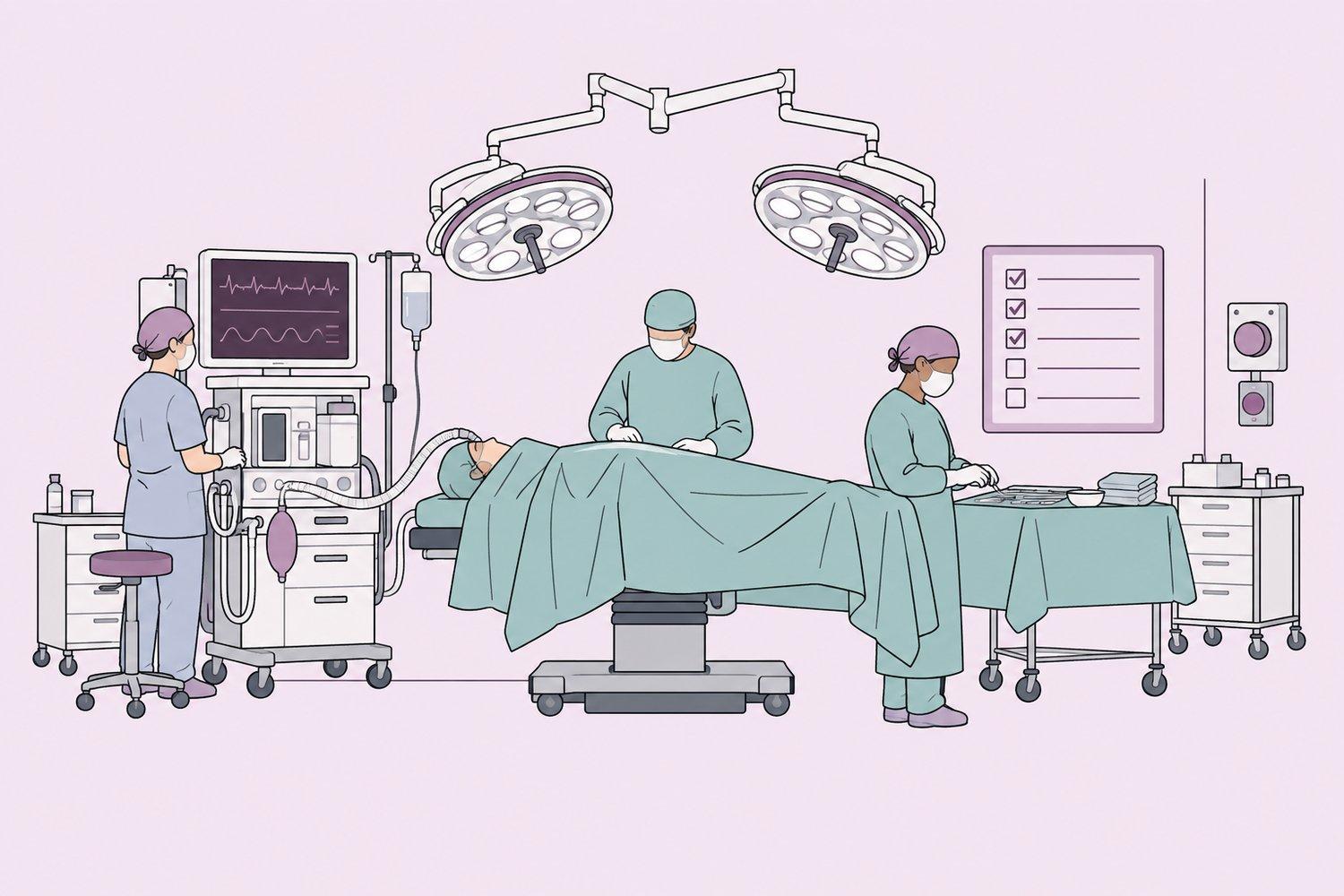
Is the operation taking place in an accredited surgical facility?
Before paying a deposit, ask where the operation itself will take place. The consultation office, accommodation and brand materials are separate from the operating facility. ISAPS advises patients to confirm that the facility is accredited or certified, request its certification information and ask which body issued it. This is a practical check on the conditions in which surgery and anaesthesia will be provided.
Ask for the facility’s legal name, address and current certificate
Request the facility’s legal name and full address in writing, along with a current copy of its accreditation or certification. The details should match the location named in your surgical documents. If recovery involves an overnight stay elsewhere, ask whether that location is licensed or accredited, who is clinically responsible and whether qualified staff are present around the clock.
Check who issued the accreditation and whether it can be independently verified
Do not rely on a logo alone. Ask which organisation issued the accreditation, then check its current status through that organisation where possible. ASPS explains that accredited surgical facilities are assessed against standards for equipment, operating-room safety, personnel and surgeon credentials. Accreditation does not remove every surgical or anaesthetic risk, but it gives you a defined standard to verify before proceeding.

How can I verify the surgeon and anaesthesia team — not just the clinic’s promises?
Before paying a deposit, ask for the names of the operating surgeon and the professional responsible for your anaesthetic. “Top surgeon” is not a credential. You should be able to check the surgeon’s relevant plastic surgery specialty certification, their experience with your procedure and their permission to operate in the facility where your surgery is planned.
Confirm the operating surgeon’s specialty credentials and privileges
ASPS patient guidance recommends asking whether your surgeon is certified in plastic surgery and whether the surgical facility is accredited, licensed or certified. Ask who will perform each key part of the operation, rather than assuming the doctor shown in a consultation will be present throughout.
- The operating surgeon’s full name and relevant plastic surgery specialty credentials
- Whether that surgeon is permitted to operate in the planned facility
- Whether the operating theatres meet the required accreditation, licensing or certification standards
- Who will be responsible for your care after the operation
Ask who gives the anaesthetic and how you will be monitored
ASPS also advises asking what anaesthesia you will receive, who will provide it and how you will be monitored. Anaesthesia can affect breathing and circulation, so the plan should name a qualified anaesthesiologist or nurse anaesthetist and explain how trained staff will recognise and respond to cardiac or respiratory distress.
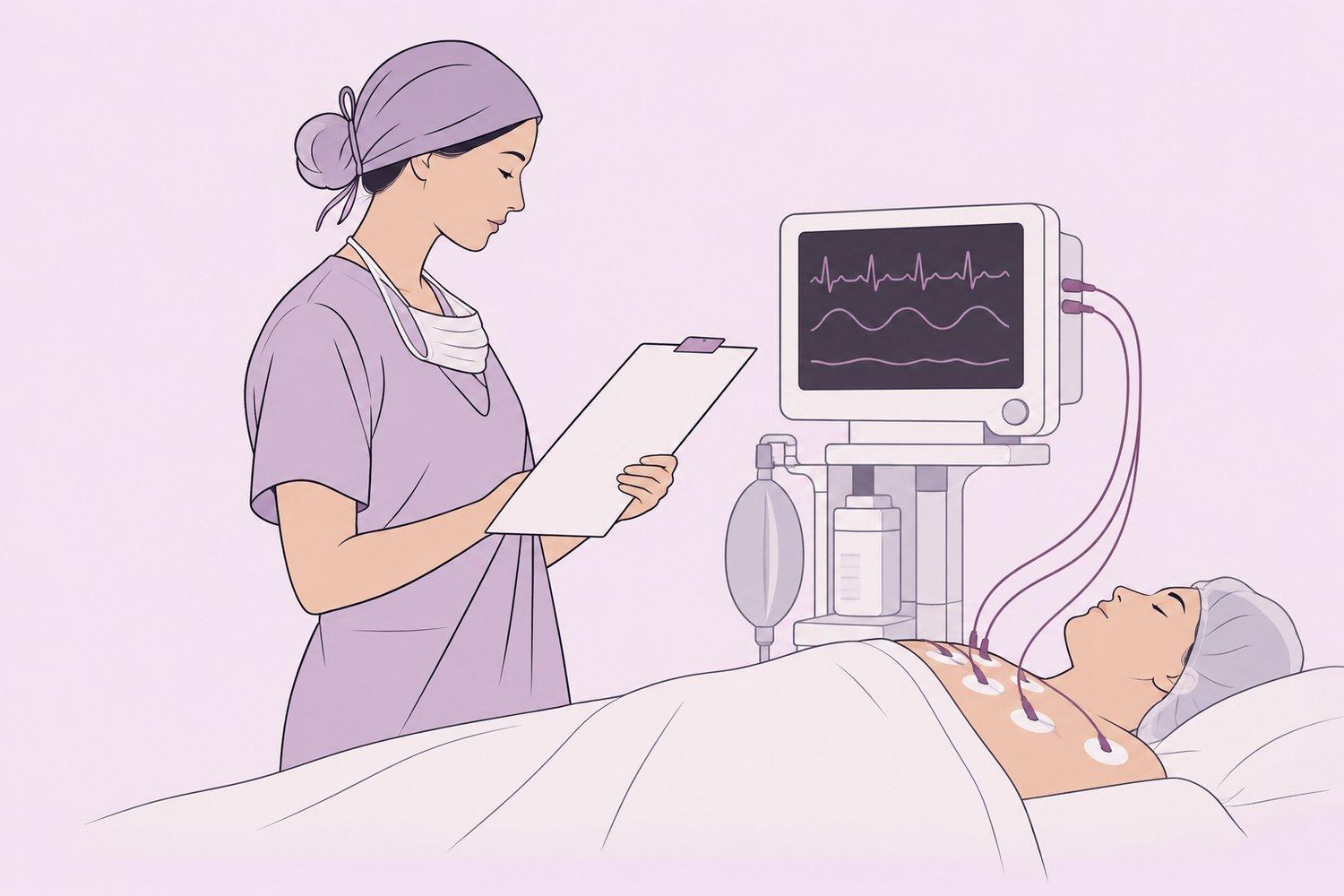
What emergency arrangements should be written down before booking?
Complications are uncommon, but they need a clear plan. Before paying a deposit, ask how care would escalate during surgery, overnight recovery or after discharge. The answer should be specific enough to put in writing: where you would go, how you would get there and who would make the clinical decision.
Ask about transfer, escalation and out-of-hours contacts
The American Society of Plastic Surgeons states that an accredited recovery facility should have a defined emergency plan for transfer when a complication requires hospital care. Ask whether the operating facility has this plan, and whether it covers an unexpected concern in theatre, during recovery and once you have left.
Check whether the team uses a surgical safety checklist
Ask whether the operating team uses the WHO Surgical Safety Checklist. It includes checks before anaesthesia, before incision and before the patient leaves the operating room. These pauses help the surgeon, anaesthesia team and nursing staff confirm the plan, identify recovery concerns and agree how they would manage them.
What aftercare will I receive in Istanbul and at home?
Discharge is not the end of care. Before paying a deposit, ask for a procedure-specific recovery plan that covers your time in Istanbul and your return home. It should explain who will review you, how to contact the operating team, and what happens if recovery does not follow the expected course.
Get follow-up appointments and red-flag instructions in writing
Ask for scheduled review dates, wound-care and medication instructions, and clear guidance on warning symptoms. A systematic review of complications presenting after aesthetic surgery abroad found infection to be the most prevalent complication and identified both short- and long-term follow-up as patient-safety concerns. The plan should give you an emergency contact route and explain how the surgeon will communicate with you after you leave Turkey.
Arrange records and a plan for care after you return home
The CDC advises medical tourists to arrange follow-up care before travel and to obtain complete medical records in English before returning home. Ask what records you will receive, when they will be available, and what information a doctor at home would need if you require advice or treatment. Care that continues after travel should be planned before surgery, not improvised afterwards.
When is it safe to fly home or return to work after surgery?
Set your travel and work plans from your surgeon’s procedure-specific clearance and recovery plan, not a package itinerary. Surgery and air travel can each increase the risk of blood clots, and prolonged sitting while travelling after surgery adds to that risk. Your review appointments, wound care and how you are recovering should shape the date you leave Istanbul.
Plan your Istanbul stay around clinical review, not your hotel nights
The appropriate time to fly depends on the operation and your recovery. CDC guidance advises avoiding flying for 10 days after chest or abdominal surgery. For laser and cosmetic procedures involving the face, eyelids or nose, it cites an American Society of Plastic Surgeons recommendation to wait 7–10 days. These are reference points, not a substitute for your surgeon’s clearance.
Do not book your flight home around a generic countdown. Book it around the review that confirms you are ready to travel.

Treat return-to-work timing as procedure- and job-specific
Returning to work is not simply a question of how many days have passed. NHS guidance notes that it depends on the operation, the work involved, your recovery and any continuing wound-care needs. Desk-based work, lifting, long shifts and travel can place different demands on a healing body. Ask your surgeon what your own work involves and when it is reasonable to resume it.
What must the written quote and consent documents include before I pay?
Before paying a deposit, ask for the planned operation and the financial agreement in writing. The documents should describe the exact procedure, the operating facility, the anaesthesia planned and the expected care pathway. Precision matters: the WHO surgical safety checklist requires confirmation of the patient’s identity, procedure, site and consent before anaesthesia.
Match the quote to the exact procedure, facility and care pathway
A procedure name alone is not enough. Your quote and consent should make clear what will be done, who is responsible for each part of your care and whether general anaesthesia, an overnight bed or scheduled reviews form part of the plan. Read the consent documents before travel, including the risks, alternatives and circumstances in which the surgical plan may need to change.
Separate what is included from what may cost extra
Ask for an itemised written quote rather than a single total. It should state what happens if you need additional treatment, a longer stay, an unplanned return to the operating theatre or care after you return home. CDC advises people seeking care abroad to understand their rights and legal recourse, and to arrange financing for continuity of care after returning.
If you are unsure what these checks mean for your own procedure, arrange an online consultation with Vanity’s surgeons before you travel. You can discuss the planned operation, recovery, travel timing and the questions you need answered in writing.
Frequently asked questions
How do I check whether a plastic surgery hospital in Turkey is accredited?
Ask for the facility’s legal name, current certificate and the name of the certifying body. Verify the certificate directly with that body rather than relying on an unverified claim. ISAPS recommends checking hospital accreditation or certification in this way.
What qualifications should my plastic surgeon in Turkey have?
Ask for the operating surgeon’s specialty credentials, relevant experience with your procedure and hospital privileges for that procedure. ASPS advises patients to ask about plastic-surgery certification and hospital privileges.
Who should give anaesthesia for cosmetic surgery?
Before booking, ask what anaesthesia is planned, who will administer it and how you will be monitored. ASPS advises patients to ask these questions during consultation and describes qualified anaesthesia professionals within accredited-facility standards.
What happens if there is a complication after surgery in Turkey?
Get the emergency-transfer process, 24-hour clinical contact, follow-up appointments and medical-records process in writing before paying. CDC recommends arranging follow-up care before travel and obtaining complete medical records before returning home.
How long should I stay in Istanbul after plastic surgery?
Your stay should be set by the operating surgeon’s procedure-specific review and fitness-to-travel plan, not a standard package length. CDC warns that travel during postoperative recovery adds risk and recommends planning follow-up care before travel.
When can I fly home after plastic surgery?
CDC advises no flying for 10 days after chest or abdominal surgery and cites an ASPS recommendation of 7–10 days after facial, eyelid or nose cosmetic procedures. Individual clearance can differ with the procedure, recovery and clot-risk factors, so obtain written advice from the operating team.
When can I return to work after plastic surgery?
Return-to-work timing depends on the procedure, the type of work, recovery and whether the wound needs additional care, according to NHS guidance. Ask for a procedure-specific written recovery timetable and a medical letter if your employer requires one.