


Yes. Natural-looking plastic surgery means making a patient-defined change while preserving the features, proportions and expression that feel like you. In rhinoplasty, breast surgery and facelifts, a subtle result depends on your anatomy, the procedure chosen and clear agreement with the surgeon about what surgery can realistically change. Healing also affects how a result reads: a nose may refine for up to a year, breasts can take months to settle, and facelift effects may take 6 to 9 months. Surgery carries risks, results vary and no outcome can be guaranteed. A careful consultation should make space for your goals, limits, alternatives, recovery and aftercare before you decide.
What does natural-looking plastic surgery mean?
Natural-looking surgery does not mean no one notices a change. It means the change still makes sense on your face or body — your features, proportions and expression remain recognisably yours. You may look more rested, or feel more at ease in clothes, without appearing to have borrowed someone else’s result.
Why natural is not the same as unchanged
A result can be subtle and still be meaningful. In rhinoplasty, that may mean refining a feature without making the nose look disconnected from the rest of the face. In breast surgery or a facelift, it may mean respecting existing proportions and avoiding a result that looks over-tightened or over-filled. The right degree of change is personal, not a fixed look.
The aim is not to erase your character, but to make a considered change that still reads as you.
Turn a vague wish into specific, discussable goals
“I want to look natural” is an important starting point, but it needs translation before surgery. A validated 2024 FACE-Q module found that higher scores for natural appearance and natural outcome were associated with feeling and looking natural, as well as greater satisfaction with facial appearance. This makes the conversation practical: what would make you feel like yourself, and what would feel unlike you?
This discussion belongs at the first assessment. A prospective rhinoplasty study found that unrealistic expectations can lead to dissatisfaction even after a properly performed procedure, which is why careful expectation-setting matters. Talk to the surgeon before you travel, describe what you want to keep as clearly as what you want to change, and ask where the limits are.
Can a nose job look natural and still make a difference?
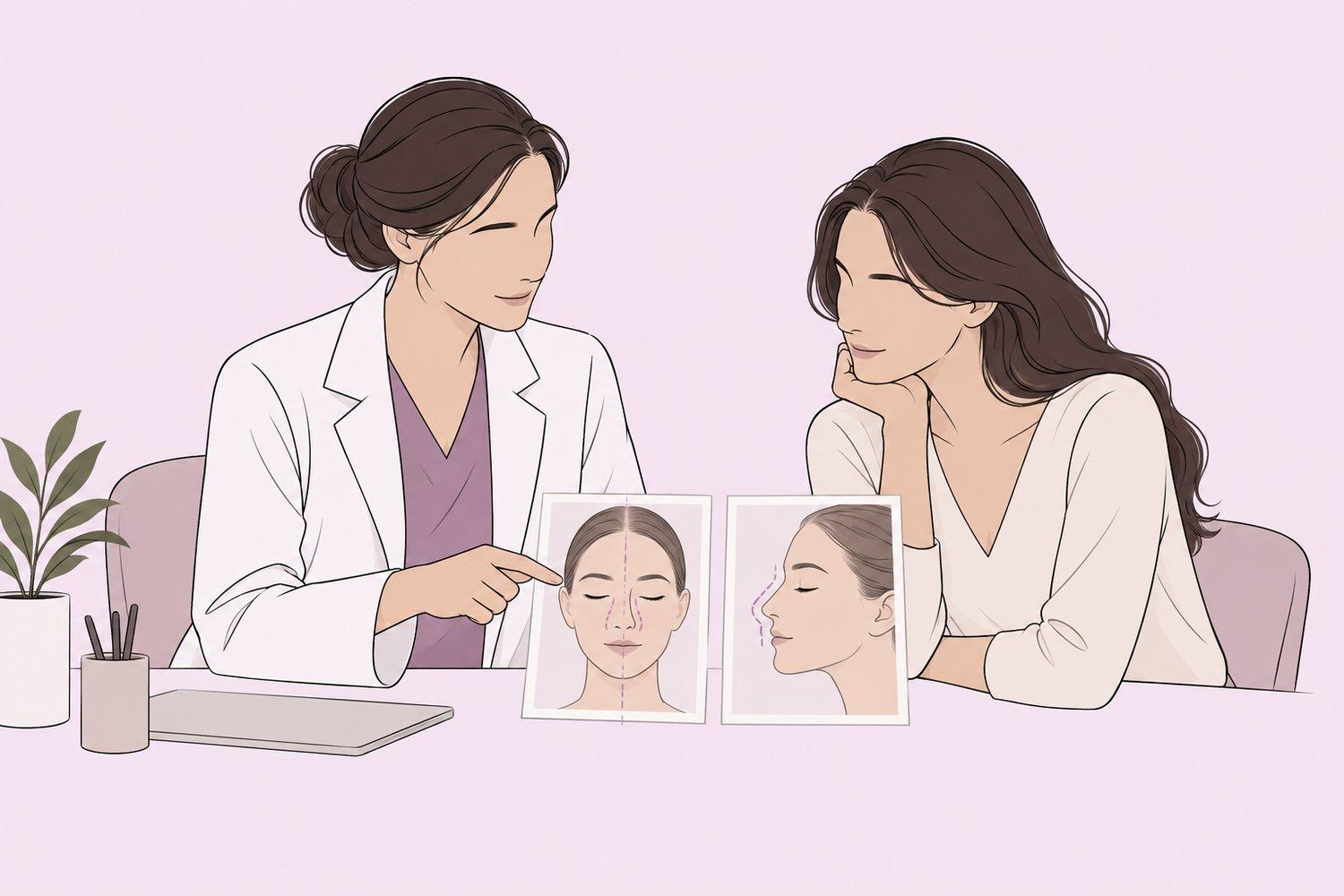
Yes. Rhinoplasty is usually planned around facial harmony and the proportions of your own nose, rather than a feature copied from someone else. The American Society of Plastic Surgeons describes the procedure in these terms. A careful result can change what draws attention without making your face look unfamiliar.
Facial harmony, not somebody else’s nose
The conversation should begin with your face, your breathing and the changes you are considering. A surgeon can explain which adjustments may suit your proportions, and which requests may not be realistic or appropriate for your anatomy. Surgery can refine the nose; it cannot create a different identity.
The aim is for the nose to belong to your face, not to announce the surgery.
Why you should not judge the result in the first weeks
Early swelling can make a rhinoplasty result difficult to read. Initial swelling usually settles within weeks, but the contour can continue refining for up to a year, with swelling sometimes fluctuating during that time. The NHS notes that patients may need up to 2 weeks away from work and that the full effect can take several months to show.
How can breast surgery look proportionate rather than obviously augmented?
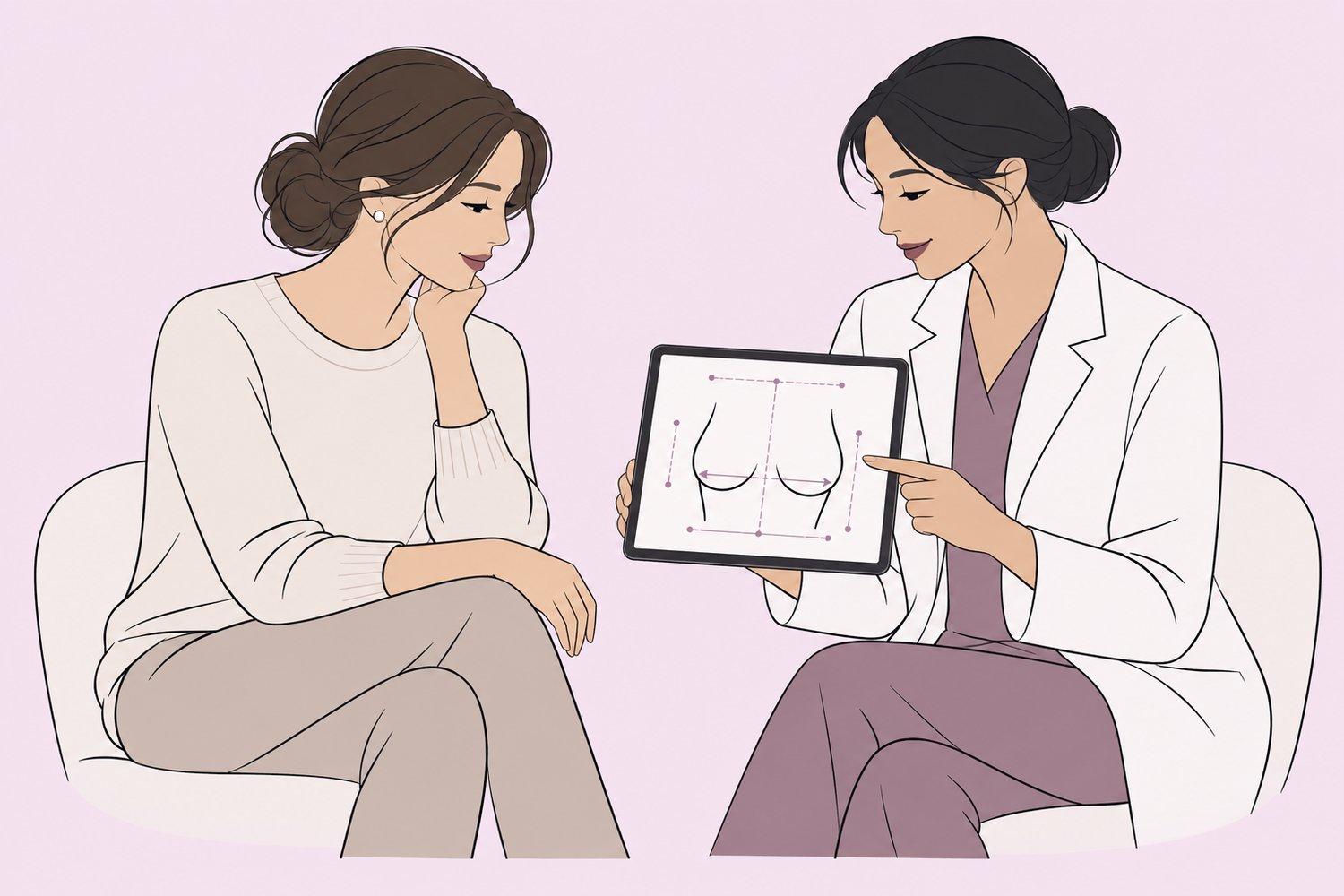
A proportionate result is not a fixed size or a particular implant. It begins with a conversation about your frame, existing breast tissue and the change you want to see. The aim is to make choices that suit you, rather than to reproduce a look that may not suit your body or expectations.
The choices that belong in your consultation
The NHS advises discussing implant type, size and shape, as well as whether an implant is placed behind the breast tissue or behind the breast muscle. These decisions affect the plan together. Silicone and saline implants also have different characteristics and trade-offs, so it is worth understanding why a surgeon recommends one approach for you.
- The size and shape of implant being considered
- Silicone or saline implants, and their respective trade-offs
- Placement behind breast tissue or behind the breast muscle
- How your existing breast tissue informs the expected shape and feel
- The possibility that implants may require further surgery over time
Why “settling” is part of the timeline
Early swelling and a higher position can make breasts look different from their longer-term appearance. The NHS says breasts may begin to look and feel more natural after a few months, while recovery itself can take weeks. One to two weeks away from work is commonly advised, depending on the work you do and your individual recovery.

Will a facelift leave me looking pulled or still like myself?
A facelift is not designed to erase every sign of ageing or change who you are. It is usually considered for looseness in the lower half of the face — particularly the jowls and neck. A subtle result comes from being clear about that purpose: a more rested version of your real self, rather than a face tightened beyond its natural expression.
What a facelift is designed to change
Depending on the procedure, the surgeon may reposition facial fat and deeper tissue as well as remove excess skin. This matters because skin alone is not the whole cause of lower-face laxity. The plan should reflect your anatomy, the degree of looseness and what surgery can realistically address. It cannot stop ageing, remove every line or reproduce someone else’s face.
Why healing time matters to a subtle result
The NHS estimates full recovery at 2 to 4 weeks, but the final effect can take 6 to 9 months to settle. Early swelling, bruising and tightness are part of healing, not a reliable picture of the result. A surgeon should also discuss the risks honestly, including bleeding, infection, scarring and changes in sensation, before you decide.
What should I ask before choosing a surgeon in Istanbul?
A subtle result begins with a surgeon who understands what you want to keep. Before travelling, ask how they assess proportion, what they would change, and what they would leave alone. The NHS recommends checking a surgeon’s training, qualifications, professional memberships, experience with your procedure and their ability to communicate in a language you understand.
Questions that test whether your goals are understood
Ask whether your goal is realistic for your anatomy, and what an obvious result might look like in your case. For rhinoplasty, that may mean discussing breathing as well as shape. For breast surgery or a facelift, it means discussing proportion, scars and the degree of change surgery can reasonably provide. You should also hear about alternatives, limitations, risks and possible complications.
- Will you perform my surgery yourself, and how often do you perform this procedure?
- What changes do you think would preserve my existing features?
- What are the limitations, alternatives, risks and possible complications in my case?
- What does your written aftercare plan include once I am home?

Plan the return journey before booking surgery
The NHS advises having 2 consultations with the treating surgeon before surgery, with time to make an informed decision. For an international patient, those conversations should also establish who will review you after surgery, how concerns will be handled at home and when it is medically appropriate to travel. Air travel and major surgery both increase the risk of blood clots.
If you are unsure what a subtle result would mean in your own case, arrange an online consultation with Vanity’s surgeons. You can discuss your goals, anatomy, recovery and the limits of surgery before deciding whether to travel.
Frequently asked questions
Can I get plastic surgery and still look like myself?
Yes. Patient-reported FACE-Q natural appearance and natural outcome scores are associated with feeling and looking natural, as well as greater satisfaction with facial appearance. A consultation should turn “like myself” into specific goals, limits and alternatives before surgery.
How long until a rhinoplasty looks natural?
Initial swelling usually settles within weeks, but the nasal contour can take up to a year to fully refine. The NHS notes that the full effect may take several months and swelling can take up to 6 months to completely go down.
Will breast implants look natural after surgery?
Implant type, size, shape and placement are consultation decisions that affect the planned result. The NHS says breasts may begin to look and feel more natural after a few months, but implants carry risks and may require future surgery.
How long will I need off work after a facelift?
The NHS says full facelift recovery takes about 2 to 4 weeks and advises taking that time off work. Bruising can be visible for at least 2 weeks, while the final effect can take 6 to 9 months.
How long should I stay in Istanbul after rhinoplasty or a facelift?
The NHS advises waiting 7 to 10 days before flying after facial cosmetic procedures because air travel and major surgery increase blood-clot risk. Rhinoplasty dressings or splints may remain for about 7 days, and your plan should include the surgeon’s scheduled follow-up and a route for complications after returning home.
When can I fly home after breast augmentation in Istanbul?
The NHS recommends waiting 5 to 7 days before flying after breast surgery because air travel and major surgery increase blood-clot risk. The NHS also says travel insurance does not normally cover problems if something goes wrong with cosmetic surgery, so check coverage and emergency arrangements before booking.
What should I ask a plastic surgeon if I want a subtle result?
Ask about qualifications, specialty experience, complication experience, the technique and expected result, alternatives, risks, and follow-up if something goes wrong. The NHS recommends 2 consultations with the surgeon who will treat you, allowing time to discuss limitations and aftercare.