


A double chin is not a reliable sign of being overweight. Even at a healthy weight, the contour beneath the chin can reflect localised submental fat, skin quality, platysma-muscle laxity, chin projection and underlying bone changes. Chin liposuction can help when a healthy person close to their goal weight has a localised fat deposit and firm, elastic skin. It is contour surgery, not weight-loss treatment. If loose skin, neck-muscle laxity or a recessed chin is the main cause, removing fat alone may not create the jawline definition you expect. A surgeon should assess the fat, skin, muscle and facial structure together before recommending treatment.
Why can I have a double chin when I am slim?
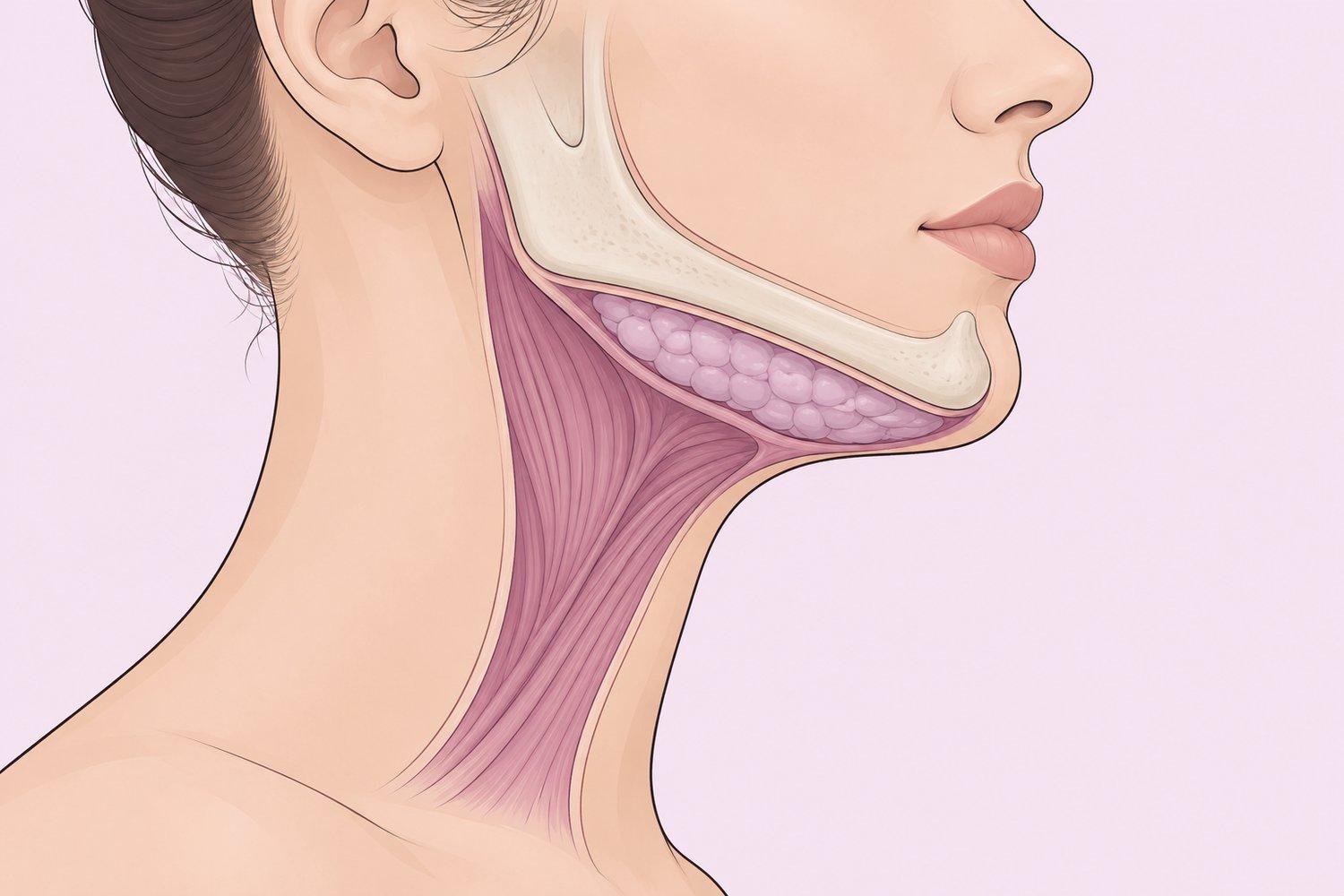
Yes. A visible fold beneath the chin is not always a sign of overall weight gain. It can reflect where your body stores fat, alongside the way your lower face, jaw and neck are built. A slim person may have a small localised pocket of submental fat that remains noticeable at a stable weight.
It can be fat distribution, not extra weight
Fat accumulation and distribution are influenced by both genetic and environmental factors, and patterns vary by sex and ethnicity. This means weight alone does not explain every area of fullness. The area beneath the chin can be one of the places where fat is more apparent, even when the rest of the body is lean.
The jawline is shaped by more than fat
The outline from chin to neck also depends on skin quality, the platysma muscle, changes in the underlying bone and the position of fat in the neck. A smaller or less projected chin, for example, can make the transition into the neck look softer. These features can exist with very little submental fat.
Will losing more weight remove my double chin?
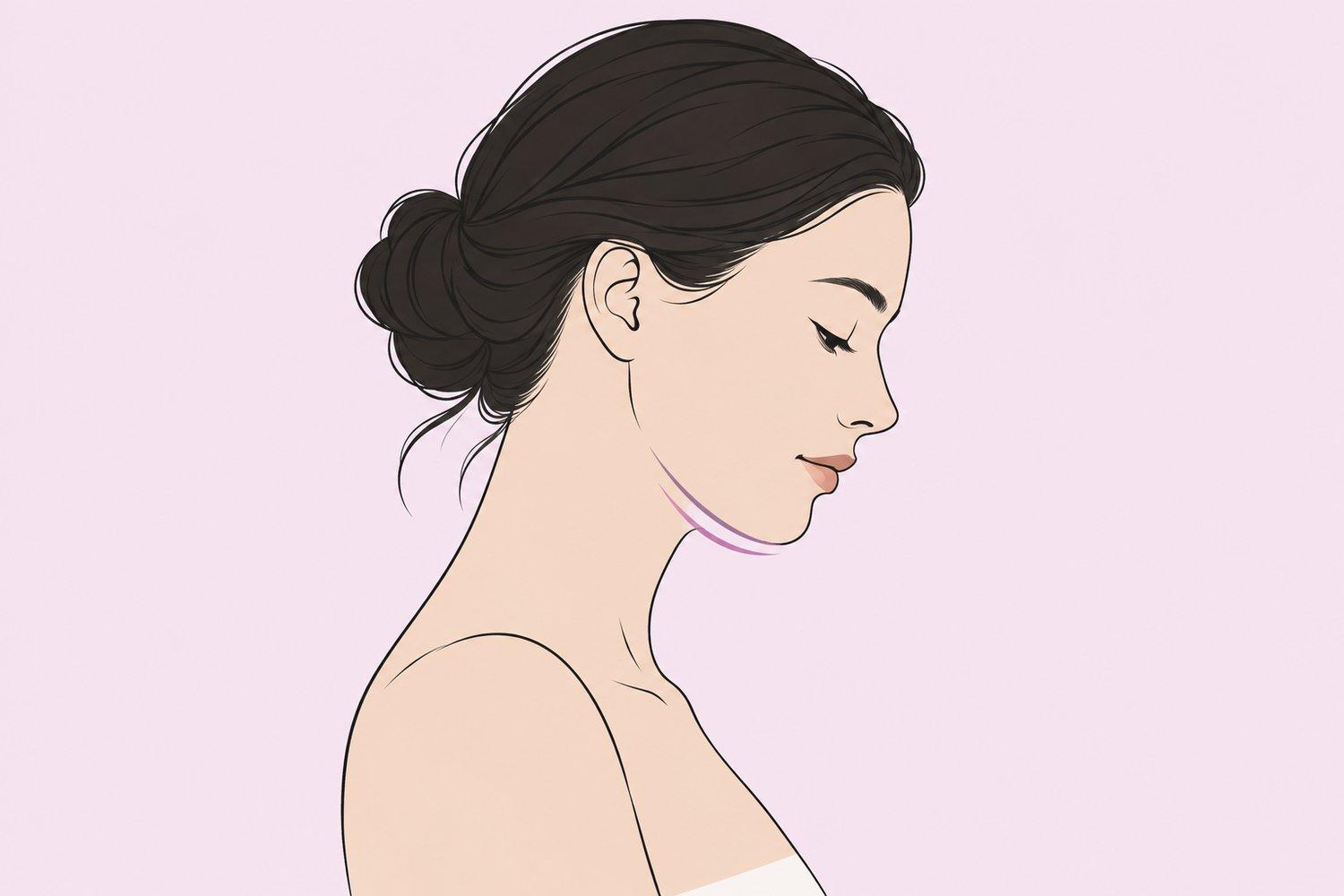
Not necessarily. A double chin can be present at a low or stable weight because bodies store fat differently. Weight loss may reduce fat more generally, but it cannot reliably target the small deposit beneath the chin. This is not a sign that diet or exercise has failed.
Chin liposuction is not a weight-loss treatment. It is used to reduce localised subcutaneous fat and refine the contour between the chin and neck when that fat is the main cause of fullness. It cannot change every reason a jawline appears less defined.
Before recommending any treatment, a surgeon should assess what is creating the appearance. In some people, the concern is mainly fat; in others, loose skin, changes in the neck muscle or limited chin projection contribute as much as the fat itself.
- Localised fat beneath the chin
- Skin laxity that may remain after fat reduction
- Neck muscle changes affecting the contour
- A chin that sits back relative to the jawline
How do I know if chin liposuction is right for me?
Chin liposuction may suit someone who is healthy, at or close to their usual goal weight, and has a localised layer of fat beneath the chin that does not reflect the rest of their body shape. The American Society of Plastic Surgeons describes this as stubborn subcutaneous fat — fat between the skin and muscle.
What the surgeon examines
A consultation is less about confirming that there is a double chin and more about understanding why it is there. Chin liposuction removes fat through small incisions with a cannula and suction. It can refine a fat deposit, but it cannot tighten lax skin or change the underlying structure of the chin and neck.
- The amount and layer of fat beneath the chin
- Skin quality and how well it is likely to recoil
- The platysma and overall neck contour
- Chin projection and facial balance
- Medical history, suitability for surgery and expectations of change
When skin elasticity matters
Skin elasticity helps determine whether removing fat will leave a smooth contour. The NHS notes that liposuction works best where skin is firm and elastic, while the American Society of Plastic Surgeons cautions that loose skin can result in an uneven or dimpled contour after treatment. When skin laxity is the main issue, liposuction alone may not be the right answer.
What if my double chin is mostly loose skin or a weak chin?
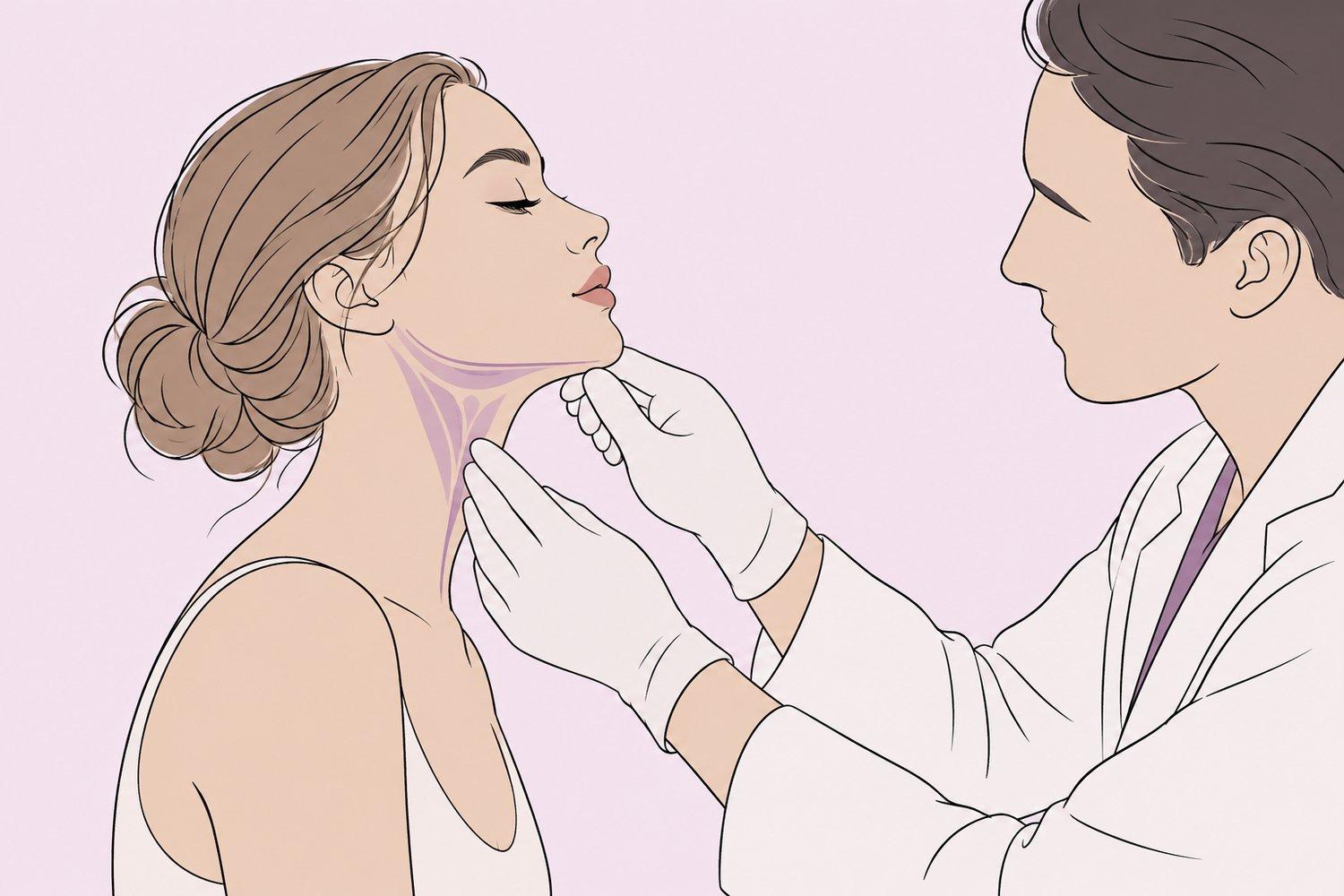
A soft area beneath the chin is not always only fat. With age, the platysma can loosen, the chin and jaw bone can remodel, and skin quality can change. If these are the main causes, removing fat alone may not sharpen the jawline in the way you expect.
The assessment looks beyond the fat beneath the chin
We assess the skin, neck muscles, chin projection and the distribution of submental fat together. A weak or recessed chin can make fullness beneath it appear more pronounced. In selected patients, chin advancement and submental liposuction may be considered together; a small randomised clinical trial found improved aesthetic outcomes with this combination, but one small study is not enough to decide treatment for an individual.
Non-surgical injection treatment may suit some people with moderate to severe submental fat. Mayo Clinic describes deoxycholic acid as an injection into the fat beneath the chin, given by or under a doctor’s immediate supervision. It does not correct loose neck skin or change chin projection.
- Jaw-nerve injury can affect the smile temporarily or, rarely, for longer.
- Injection-site reactions can include swelling, bruising, pain and numbness.
- Swallowing problems are a recognised risk and should be discussed before treatment.
What is chin liposuction recovery really like?
Recovery is usually measured in stages. You may feel well enough to return to routine life before the area looks settled. Bruising, swelling and tenderness are common after chin liposuction, and the pace of recovery depends on the amount treated, the technique used and the work you do.
When can I return to work?
The American Society of Plastic Surgeons says many liposuction patients return to work within a few days. The NHS notes that timing also depends on your job and the amount treated. Desk-based work may be manageable sooner than work that involves lifting, frequent movement or physical exertion.
Normal activity and exercise are introduced gradually. ASPS notes that many patients resume normal activity, including exercise, within 2–4 weeks or less, while the NHS generally advises gentle exercise at around 3–4 weeks and avoiding strenuous activity for 10–12 weeks unless your surgeon advises otherwise.
When will I see the final jawline?
An early change in the jawline can be visible as bruising fades, but it is not the final contour. Swelling may take up to 6 months to settle completely. Your surgeon may prescribe a compression garment or bandaging for several weeks to help reduce swelling and bruising, and will advise when it is appropriate to stop wearing it.
How long should you stay in Istanbul before flying home?
Plan your stay around the surgeon’s review schedule and their explicit advice that you are fit to fly, not the earliest return flight. Air travel and surgery both increase the risk of blood clots. NHS guidance advises avoiding flying for 5–7 days after liposuction and 7–10 days after facial cosmetic procedures.
Arrange follow-up before you book travel
Chin liposuction may fall within more than one travel consideration, so your surgeon should set the timing for your procedure and recovery. You should have a clear plan for post-operative reviews, what symptoms require urgent assessment, and how care would continue if a complication delayed your journey home.
If you are unsure what is causing the contour beneath your chin, arrange an online consultation with Vanity’s surgeons before you travel. They can review whether fat, skin, muscle or chin projection is most relevant in your case, and discuss what surgery can and cannot address.
Frequently asked questions
Can you be slim and still have a double chin?
Yes. Localised fat distribution varies between people and is influenced by genetic and environmental factors. A double chin can also reflect skin quality, platysma-muscle laxity, bone changes and chin projection.
Is a double chin caused by poor posture?
Photography angle and neck position can change how visible the area beneath the chin appears. Treatment planning should assess fat, skin, muscle and skeletal anatomy rather than assume posture is the cause.
Does chin liposuction work if I am already at a healthy weight?
Chin liposuction may suit healthy people at or close to their goal weight who have localised subcutaneous fat. Firm, elastic skin matters because liposuction removes fat but does not correct lax skin.
How soon can I go back to work after chin liposuction?
Many liposuction patients return to work within a few days, but recovery varies by procedure and treated area. Your operating surgeon should set an individual return-to-work plan, particularly if your work involves physical exertion.
When can I fly home after chin liposuction?
Stay until your operating surgeon has completed the necessary review and explicitly cleared you to fly. NHS guidance advises avoiding flying for 5–7 days after liposuction and 7–10 days after facial cosmetic procedures; follow your surgeon’s more specific advice if it differs.
What are the risks of chin liposuction?
Potential risks include uneven contour, haematoma, persistent numbness, infection, blood clots and anaesthetic reactions. Complications are uncommon but can be significant, including submental depression, oedema, scarring and transient facial-nerve paralysis.