


Breast Implant Revision (Removal or Replacement): what it is
Breast implant revision is surgery to remove existing implants, replace them, or remove them and reshape the breast. The incision is usually placed in the breast fold or around the areola. We assess the scar capsule around each implant and decide whether it is best left in place, partly removed or fully removed. Ruptured silicone, fluid collections and calcified tissue can be addressed during the same operation, and drains may be used.
People consider revision for capsular contracture, rupture, pain, implant movement, rippling, a change in preferred size or a wish to live without implants. It is also used when an implant needs replacing. Implants are not lifetime devices, but an implant that is comfortable and intact does not need removal on a fixed timetable.
A breast lift may also be needed if you prefer implants smaller than your current ones or if there is visible sagging. Reducing implant volume can leave more stretched skin than the breast can support, so we discuss whether a lift is likely to give a better shape and what the additional scars and recovery involve.
Breast Implant Revision (Removal or Replacement): techniques we use
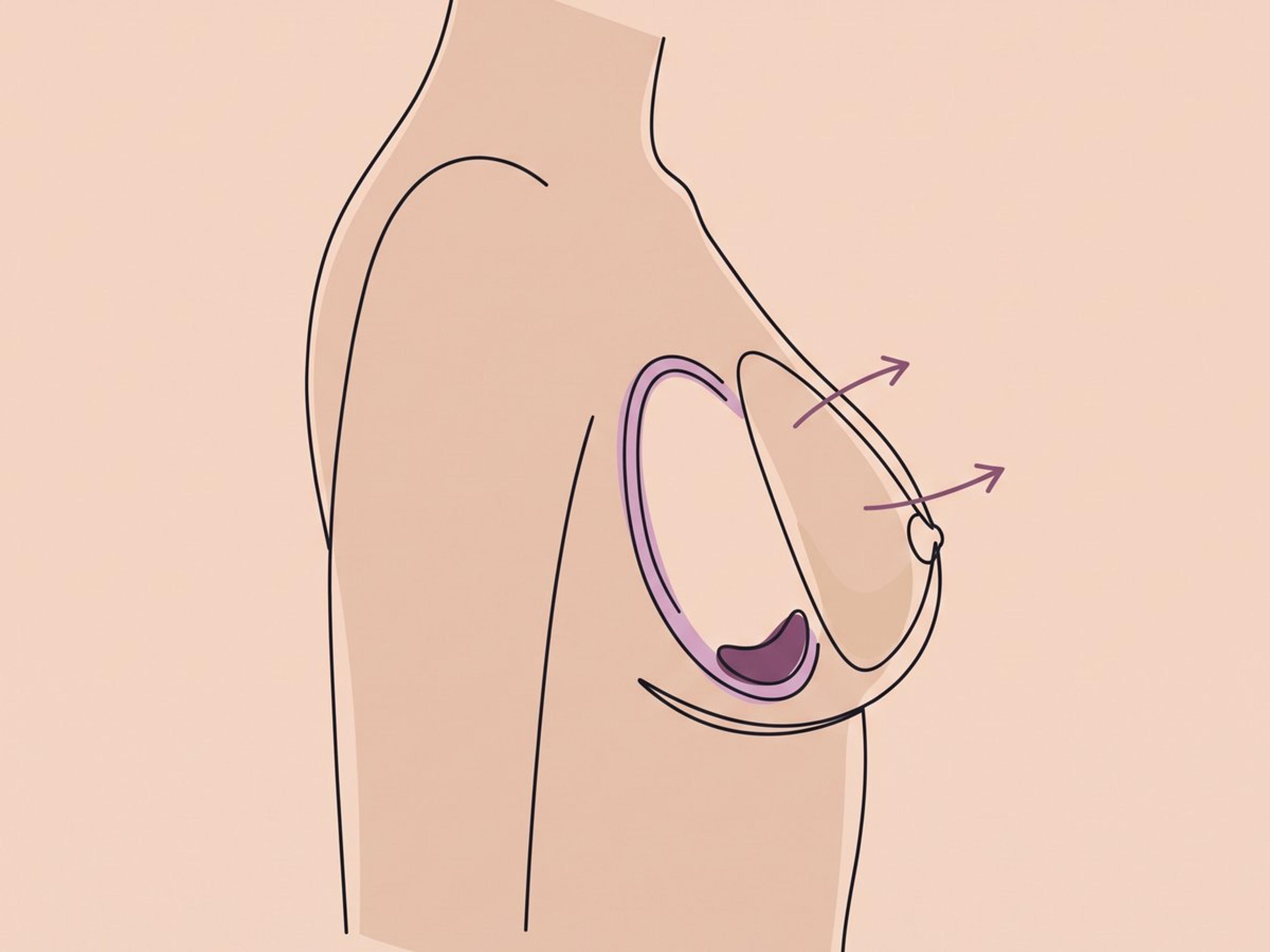
The implant is removed while a soft, healthy capsule is left in place. This involves less dissection and may be appropriate when there is no rupture, infection, significant contracture or concerning capsule change. The capsule often becomes thinner over time. A breast lift may also be needed.
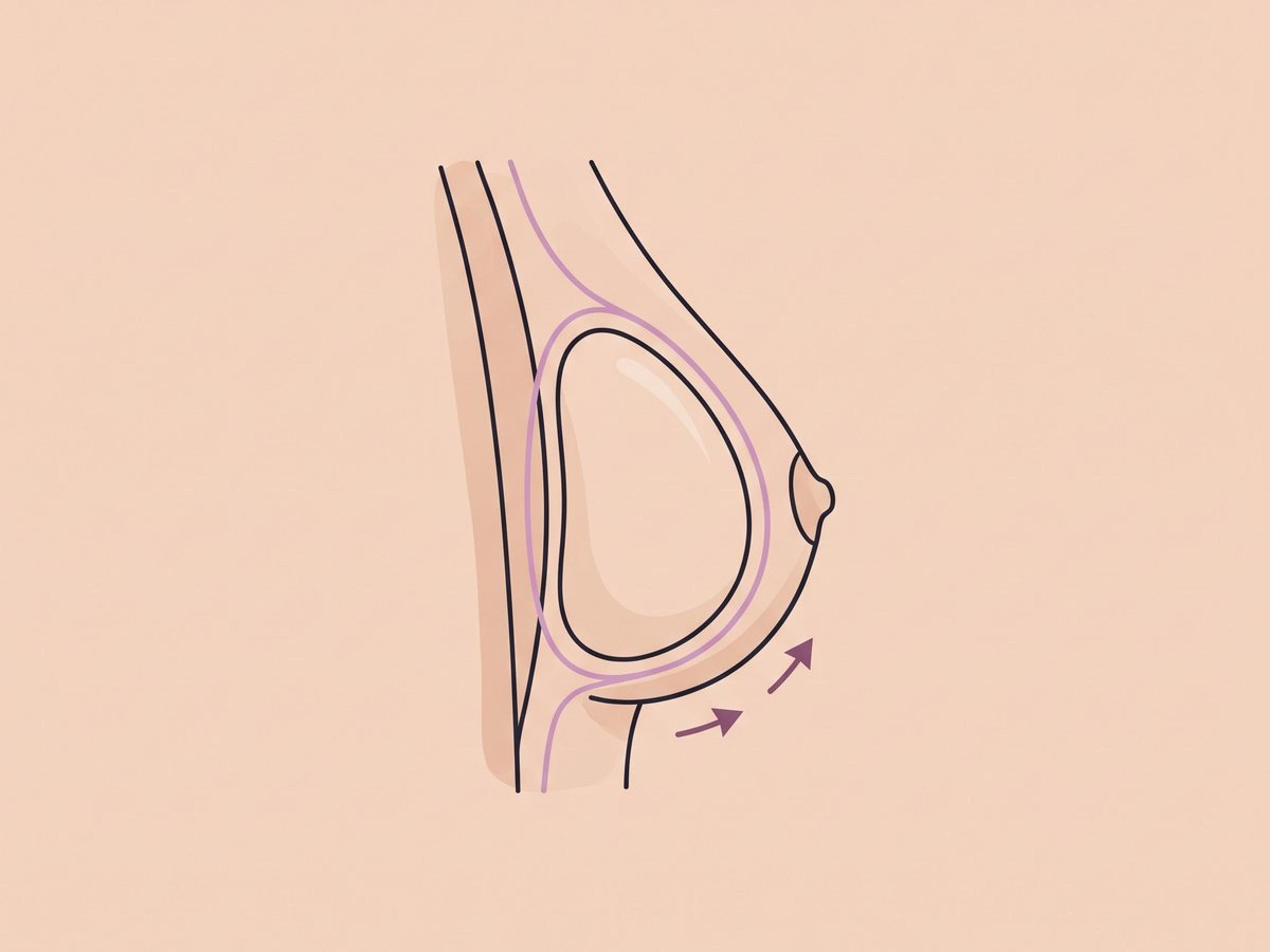
Part or all of the capsule is removed with the implant. This may be recommended for a thick or contracted capsule, calcification, infection, intracapsular silicone rupture or another clear surgical reason. More capsule dissection can increase the chance of bleeding, fluid collection and a longer recovery.
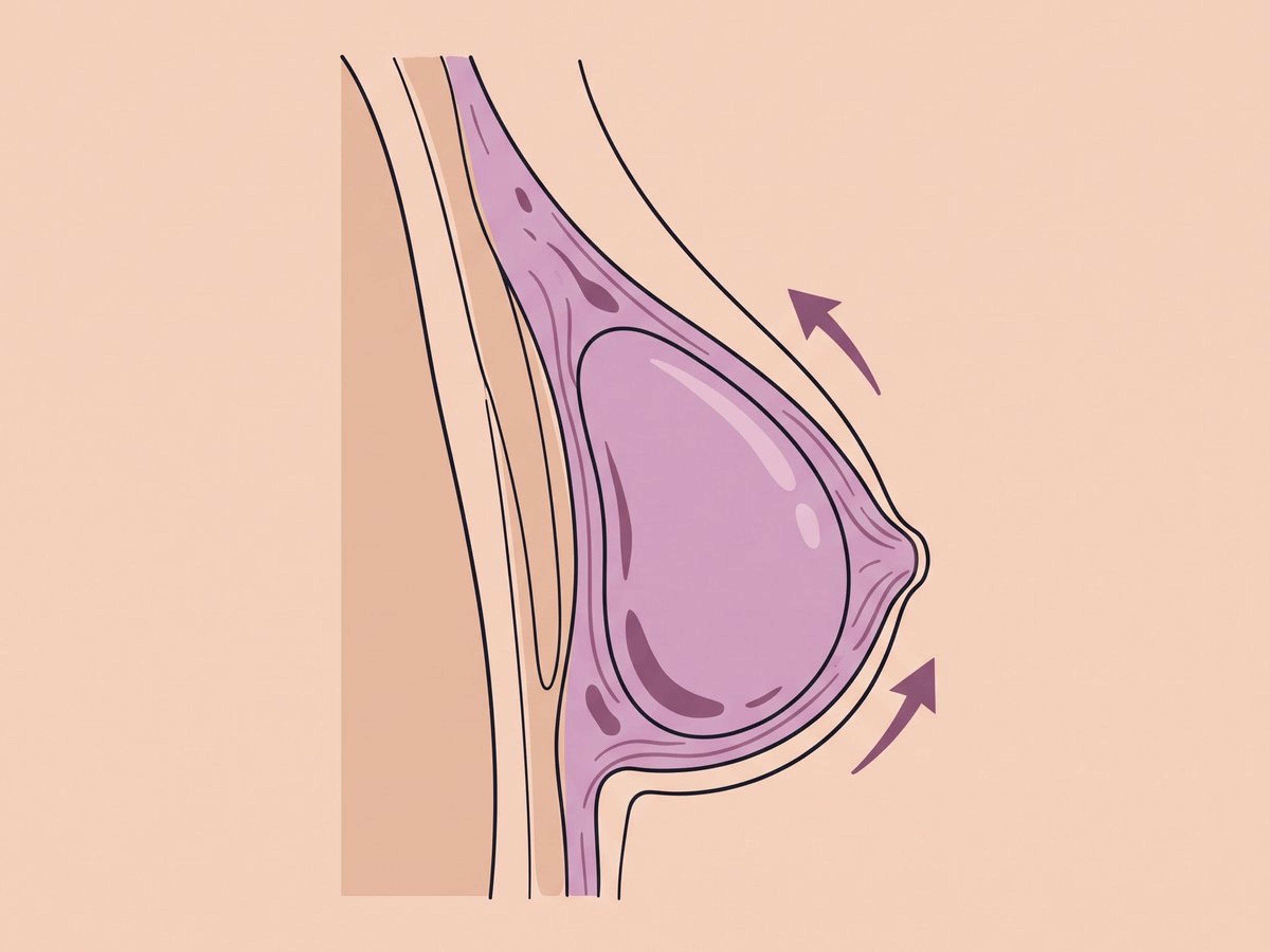
An intact total capsulectomy removes the implant and capsule together where this can be done safely. It is important in selected cases, including confirmed BIA-ALCL. It is not automatically the right approach for every removal, as the capsule can sit close to the chest wall and requires more extensive dissection.
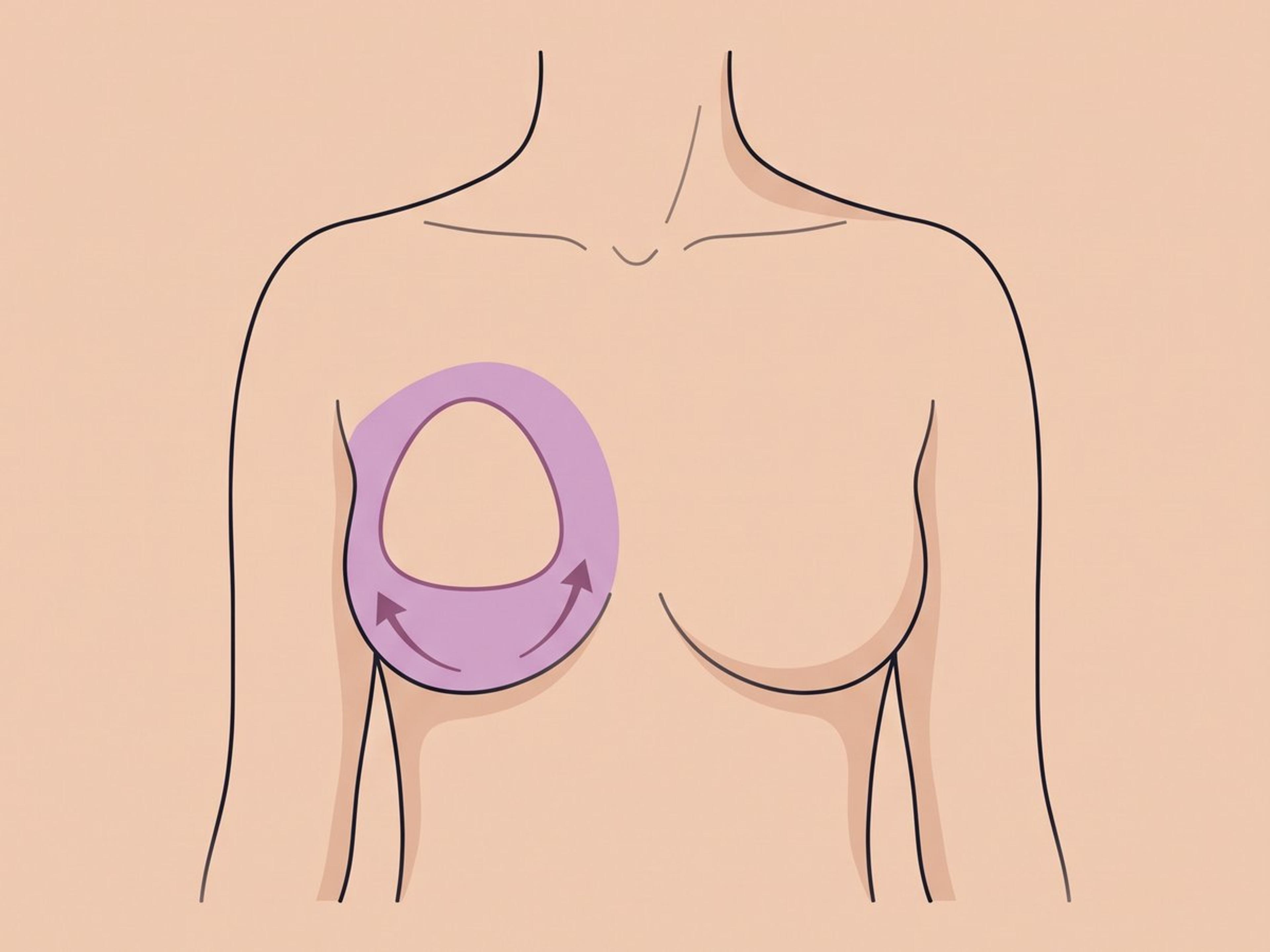
A replacement implant can restore or adjust volume. If you choose removal, a breast lift may help reshape stretched skin, and fat grafting can add modest volume in selected cases. These procedures may be performed together or staged when that is safer for the tissues.
The operation, step by step
Anaesthesia and incision
Explant is done under general anaesthesia and takes 1–3 hours, the range depending entirely on the capsule. Wherever the original scar allows, the same inframammary or periareolar line is reopened rather than a new one cut, so you do not finish with more scars than you started with.
The implant is freed and delivered
The pocket is opened and the implant lifted out. If it has ruptured, free silicone, calcified debris and any seroma fluid are washed and cleared out first — leaving that behind is what keeps a breast inflamed and painful after an otherwise successful removal.
The capsule plan is carried out
The capsule is then left in place, partly excised, removed completely, or taken en bloc with the implant — following the plan agreed with you before the day, because each option changes theatre time and risk. Where a capsulectomy is performed the specimen can be sent for histopathology.
Reshaping, if it is part of the plan
A mastopexy, and sometimes a transfer of your own fat, is performed in the same sitting to redrape the skin left behind by the implant. We stage it for later instead when the envelope is very stretched or blood supply to the tissue looks marginal — combining the two on compromised skin is how nipples are lost.
Drains and layered closure
Drains go in where a capsulectomy has left a large raw surface, since seroma is the complication most specifically tied to capsule surgery in the nationwide data. The incisions are closed in layers and the support garment goes on in theatre to hold the tissue against the chest wall.
One night in, walking the same day
You stay 1 night. We get you up and walking that evening — early mobilisation is the single most effective thing you can do against clots after chest surgery, and it is why we do not leave you in bed.
Breast Implant Revision (Removal or Replacement): recovery week by week
- Day 1
You stay with us overnight. Dressings and a support garment are in place, and drains may be present. Swelling, bruising and soreness are expected. We encourage gentle walking on the day of surgery. Do not drive while taking prescription pain medicine.
- Week 1
You return for wound and drain checks while you are in Istanbul. Drains are often removed within a few days, although some remain longer. Most people need 1–2 weeks before driving and ordinary daily activity feel comfortable.
- Weeks 2–6
Desk work and light activity can usually resume gradually. Avoid heavy lifting, upper-body training and strenuous exercise until we clear you. Continue wearing the support garment as instructed. Tenderness and changing sensation can persist during this period.
- Months 3–6
Swelling continues to settle and the breast shape becomes clearer. After removal, breasts may be smaller, flatter or looser than before implants. Scars mature gradually throughout the first year.
Breast Implant Revision (Removal or Replacement): how to prepare
- Find your implant records if possible, including the manufacturer, fill, surface and date of placement. This helps us plan imaging and surgery.
- Complete the imaging advised by your surgeon. Ultrasound or MRI may be needed to assess silicone implants, rupture, fluid or a breast mass before surgery.
- Stop smoking and nicotine, and follow the surgeon’s instructions for blood thinners, aspirin, anti-inflammatory medicines and supplements that may affect bleeding.
- Discuss whether you want removal only, replacement, a lift or fat grafting. We will explain what each option can realistically achieve for your existing skin and breast tissue.
- Arrange time away from work and driving, help at home and a surgical support bra for the first stage of recovery.
Breast Implant Revision (Removal or Replacement): risks
Every operation carries risk. We name them so you can ask the right questions.
- Seroma — a collection of fluid that may need clinic drainage
- Bleeding or hematoma, occasionally requiring a return to theatre
- Infection, delayed healing or wound separation when patients continue using nicotine products.
- Temporary or permanent changes in nipple, areola or breast skin sensation
- Loose skin, drooping, asymmetry, contour irregularity or indentation after implant removal

Breast Implant Revision (Removal or Replacement) in Turkey: what to expect
Revision surgery in Turkey needs the same careful planning as surgery close to home. We agree the operation, recovery period and follow-up plan with you before you travel.
Before you travel
You speak with the surgeon who will operate. Together, we review your implant history, imaging, goals and the likely trade-offs of removal, replacement or reshaping. We confirm how long you should stay in Istanbul and what follow-up is needed before your return journey. If drains or sutures could remain in place, we make the aftercare plan clear in advance.
At the clinic
Surgery takes place under general anaesthesia, followed by 1 night as an inpatient. The capsule plan is discussed before surgery and confirmed on the day, but final decisions can depend on what we find safely during the operation. Where clinically indicated, capsule tissue or fluid can be sent for laboratory assessment.
Recovery in Istanbul
Plan to stay in Istanbul for around 7–10 days, depending on the procedure and your recovery. We arrange scheduled follow-up visits and transfers. This is a recovery period rather than a sightseeing break: rest, gentle walking and your support garment matter. If you develop swelling, fluid or another concern while you are here, we assess it promptly.
Going home
Your surgeon confirms when you are fit to fly. For chest surgery, we generally prefer 7-8 days before air travel, especially after more extensive capsule work. Do not fly with drains in place. During travel, wear the garment if advised, drink water, walk regularly and follow any clot-prevention instructions. You leave with your operative records in English and a 12-month aftercare plan.
Checking a clinic in Turkey
Turkey rewrote its medical-tourism rules on 26 April 2025, replacing the 2017 regulation. Any facility treating international patients must now hold an international health tourism authorisation certificate, register on the Ministry of Health's HealthTürkiye portal, and carry complication insurance for the procedures it performs; hospitals and medical centres also had to complete TÜSKA accreditation by the end of that year. Facilities are required to publish that certification — so you can check ours, and you should check anyone else's before you pay a deposit.
Revision is where clinics differ most, because the operation cannot be fully planned from photographs — what is found at surgery changes the plan. Ask what the surgeon will do if the capsule is thicker than expected or an implant has ruptured, and whether the quote covers that or is revised afterwards. Ask whether your old implant details and the pathology on anything removed come back to you in writing. Ask for the named surgeon's Turkish Medical Association registration, and if an agency is arranging the trip, establish in writing who carries clinical responsibility afterwards.
Most nationalities enter Turkey visa-free or on an e-Visa for a stay of this length, with a passport valid at least six months. Confirm the rule for your own passport, and build the return flight around the final clearance visit rather than fixing it in advance.
- United Kingdom
- £4,000 – £8,000
- United States
- $5,000 – $10,000
- Western Europe
- €4,000 – €8,000
Published typical ranges for orientation — confirm with a local quote.
Breast Implant Revision (Removal or Replacement): frequently asked questions
Do I have to have the capsule removed too?
Not always. Removing the implant alone means less dissection and less risk, and capsulectomy is generally reserved for thick, contracted, calcified or infected capsules, ruptured silicone implants, and confirmed BIA-ALCL. A prospective study found systemic symptom improvement was similar whether an intact total, total or partial capsulectomy was performed.
Do I need an intact total capsulectomy?
Not usually. Removing the implant and capsule together may be appropriate in selected situations, particularly confirmed BIA-ALCL. It is more complex surgery near the chest wall, so we recommend it only where there is a clear reason and it can be performed safely.
Will my breasts droop after implant removal?
They may. The breast will have less volume, and skin that has stretched around an implant may not fully contract. Your result depends on your skin quality, implant size, breast tissue and scar capsule. A lift, with or without fat grafting, may improve shape but also adds scars and recovery.
Will removal resolve symptoms I associate with my implants?
Some people report improvement after implant removal, while others do not. There is no single diagnostic test for breast implant illness, and surgery cannot promise symptom resolution. We take your symptoms seriously, review other possible causes and discuss the limits of current evidence before you decide.
Do breast implants have to be replaced every 10 years?
Implants are not lifetime devices, and ASPS notes they commonly need exchange or removal somewhere in the range of 10 to 15 years — but there is no expiry date, and an intact, comfortable implant does not have to come out on a schedule. ASPS advises MRI or ultrasound screening from 5 to 6 years after silicone implant placement, then every 2 to 3 years, to catch silent rupture.
What does breast implant revision cost?
Removal or replacement is priced according to the operation required. Our Istanbul packages for implant removal are generally €2350–€7,500. A lift, fat grafting, replacement implants and laboratory analysis may change the cost. We confirm what is included in writing before you travel.
Is removal covered by insurance or the NHS?
It depends on the indication. Purely cosmetic explantation is generally self-funded, while removal for medical reasons — rupture, severe capsular contracture, recurrent infection, BIA-ALCL — is more often funded. NHS commissioning policies fund removal on clinical grounds and generally do not replace privately placed cosmetic implants.
Do I need en bloc removal?
En bloc — implant and capsule out as one unopened unit — is the mainstay of treatment for BIA-ALCL and is used when silicone has escaped the capsule. Outside those indications there is no evidence it gives better symptom or aesthetic results than total or partial capsulectomy, and it involves more dissection near the chest wall.
Will my breasts sag after the implants come out?
Often, yes. The skin has been stretched around the implant, so afterwards the breast is smaller and may look flatter, droopier, or slightly irregular or indented depending on the scar tissue. Many patients choose a lift at the same time or later, sometimes with fat grafting, to improve the shape.
Will removing my implants resolve breast implant illness symptoms?
Many patients report improvement, but there is no diagnostic test for breast implant illness and we cannot promise an outcome. In a series of 248 patients having removal with capsulectomy, 90.4% of those surveyed reported high satisfaction, and prospective work found at least partial symptom improvement in most patients, with roughly a two-thirds reduction in symptom scores by 6 months.
What does breast implant removal cost?
The ASPS average surgeon fee in the US is $3,979, which excludes anaesthesia, operating theatre and facility fees, garments and tests — so the real US total sits materially higher. Our all-in price in Istanbul is €3,000–€5,500 depending on whether a capsulectomy is needed. A lift or fat grafting is a separate procedure and is priced on top.
Who should not have explant surgery right away?
Explant rarely has to happen urgently, and some situations mean it should wait. An active breast or skin infection is treated first. A late seroma, a breast mass or unexplained swelling is investigated for BIA-ALCL before elective surgery, because a confirmed diagnosis changes the operation to en bloc removal. Smoking and nicotine raise the risk of poor wound healing and skin loss, so nicotine stops well beforehand — especially if a lift is planned in the same operation. Blood thinners need a managed pause, and pregnancy or breastfeeding defers surgery until the breast has settled.
What warning signs should I watch for after surgery?
Contact us — or seek local care if you are already home — for spreading redness or warmth around an incision, discharge or a wound that opens, fever, or pain that worsens instead of easing. One breast suddenly swelling or bruising far more than the other can mean a hematoma or seroma that needs draining. Because chest surgery and flying both raise clot risk, calf pain or swelling, breathlessness or chest pain are emergencies: go straight to a hospital, not to a message thread.
Is taking implants out simpler than putting them in?
Not necessarily. Removing an intact implant and leaving the capsule is genuinely quick. But a total or en bloc capsulectomy is more surgery than the original augmentation — the dissection runs close to the chest wall, theatre time is longer, and seroma is more common than after an implant exchange. That is why the capsule decision is made with you before the day, not improvised during it.
What happens to the capsule after it is taken out?
Where a capsulectomy is done, the tissue can be sent for histopathology, and any fluid is sent for cytology and CD30 testing — the way BIA-ALCL is diagnosed. It is rare, but a late seroma or a mass around an implant is the classic presentation, and it is the reason we investigate those before elective surgery rather than after. If a result comes back positive, complete surgical removal of the implant and the whole capsule is the treatment, and it cures most cases where the disease is confined to the capsule; you are referred to a lymphoma multidisciplinary team for staging either way. Ask whether histopathology sits inside your quoted price or is itemised.
Do I still need mammograms once the implants are gone?
Yes — age-appropriate screening continues exactly as it would for anyone else, and it gets easier without implants, because the extra displacement views needed to see around a device are no longer required. Tell the imaging unit you have had implants removed. Residual capsule, calcification and small silicone deposits can show up on a mammogram, and a radiologist who knows the history reads them correctly instead of recalling you for something that is not a cancer.
How much does breast implant removal cost in Turkey?
Between €2,350 and €7,500 with us — a wide range because removal alone, removal with a lift, and removal with replacement are three different operations, and capsule work adds to it. The same surgery is typically £4,000–£8,000 in the UK, $5,000–$10,000 in the United States and €4,000–€8,000 in Western Europe. The figure is confirmed only after your imaging and implant history have been reviewed.
Is it safe to have implants removed in Turkey?
Yes, with the same caveats as any revision. Ask whether the surgeon will send anything removed for pathology and give you the result, ask what they will do if a capsule is thicker than the scan suggested, and ask whether that changes the price. Since April 2025 any facility here treating international patients must hold a health tourism authorisation certificate and carry complication insurance covering revision or transfer. Ask to see it, and ask for the surgeon who will actually operate by name.
Sources
- [1]Breast Implant Removal Risks and Safety · American Society of Plastic Surgeons · 2025
- [2]Outcomes of Implant Removal and Capsulectomy for Breast Implant Illness in 248 Patients · Plastic and Reconstructive Surgery – Global Open (PubMed) · 2021
- [3]Complications of Aesthetic and Reconstructive Breast Implant Capsulectomy: An Analysis of 7486 Patients Using Nationwide Outcomes Data · Aesthetic Surgery Journal (PubMed) · 2024
- [4]Breast Implant Removal: What to Expect, Surgery & Recovery · Cleveland Clinic · 2025