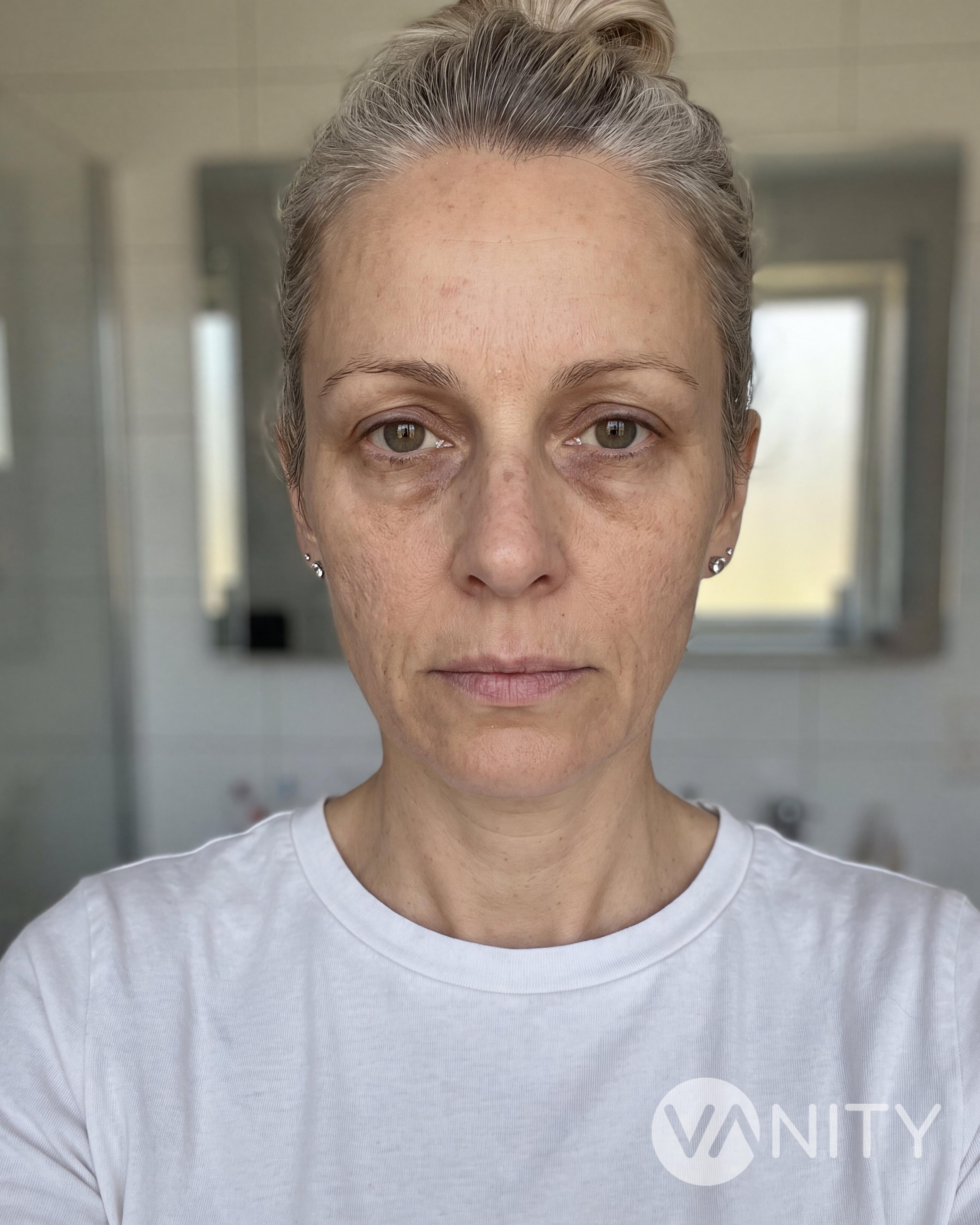
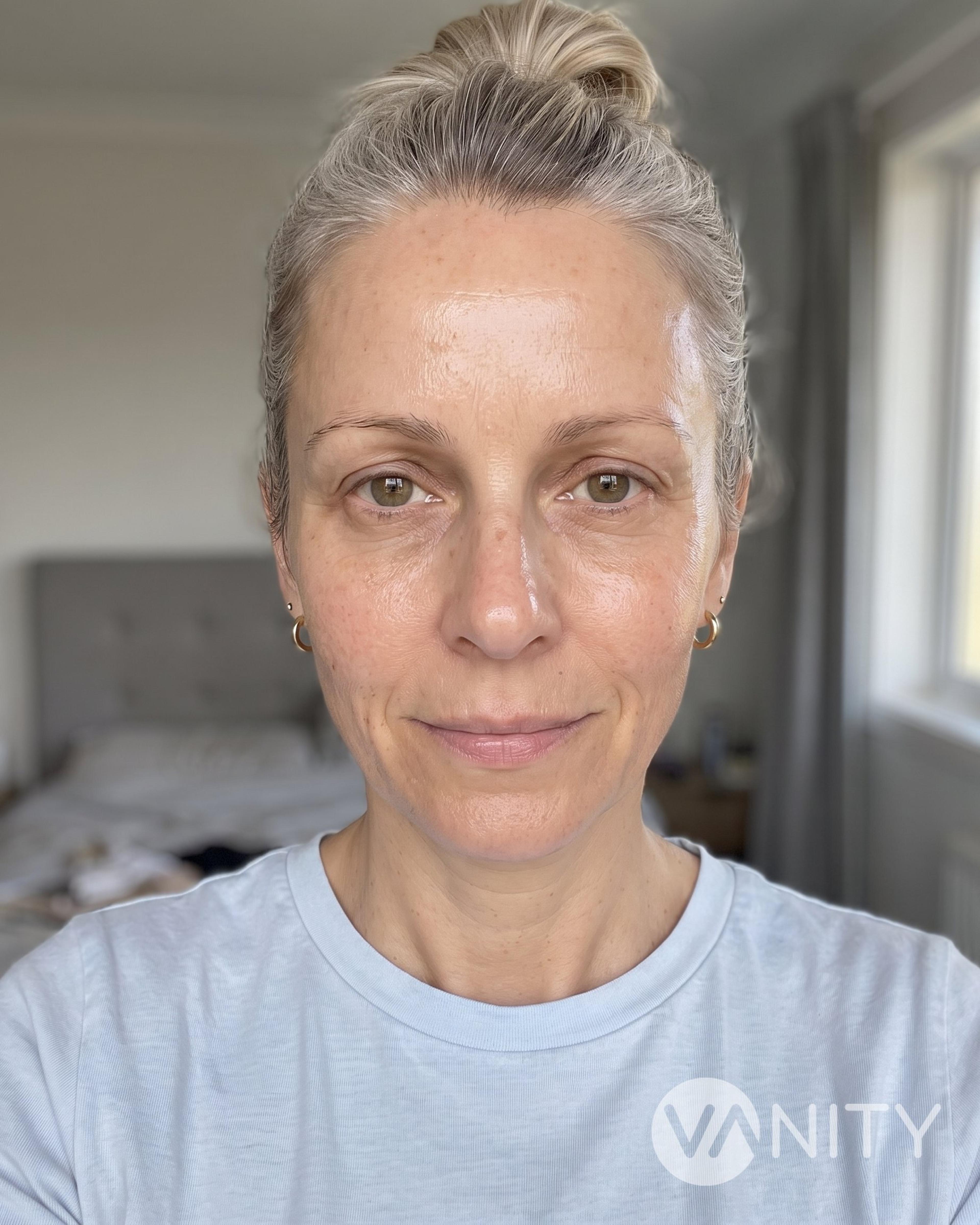



What it is
Mesotherapy is a series of micro-injections placed with fine needles into the middle layer of the skin, the mesoderm — a technique first developed in France to deliver small doses of medication for painful conditions, now used mainly in aesthetics. The solution is chosen for your goal — usually a mix of vitamins, amino acids and hyaluronic acid — to support hydration, tone and early fine lines.
The reason for injecting at all is the skin’s own barrier: the outer layer is built to keep substances out, so much of what is applied on top never reaches the living tissue below. Placing the solution in the middle layer bypasses that barrier, and the micro-punctures themselves trigger a healing response that pushes fibroblasts to lay down new collagen and elastin — nutrition and stimulus in the same pass.
It suits people who want a gradual improvement in skin quality — the anti-ageing work of tone, hydration and early lines — rather than a change in shape or volume. It does not correct sagging, deep wrinkles or lost structure — those need different work.
Techniques we use
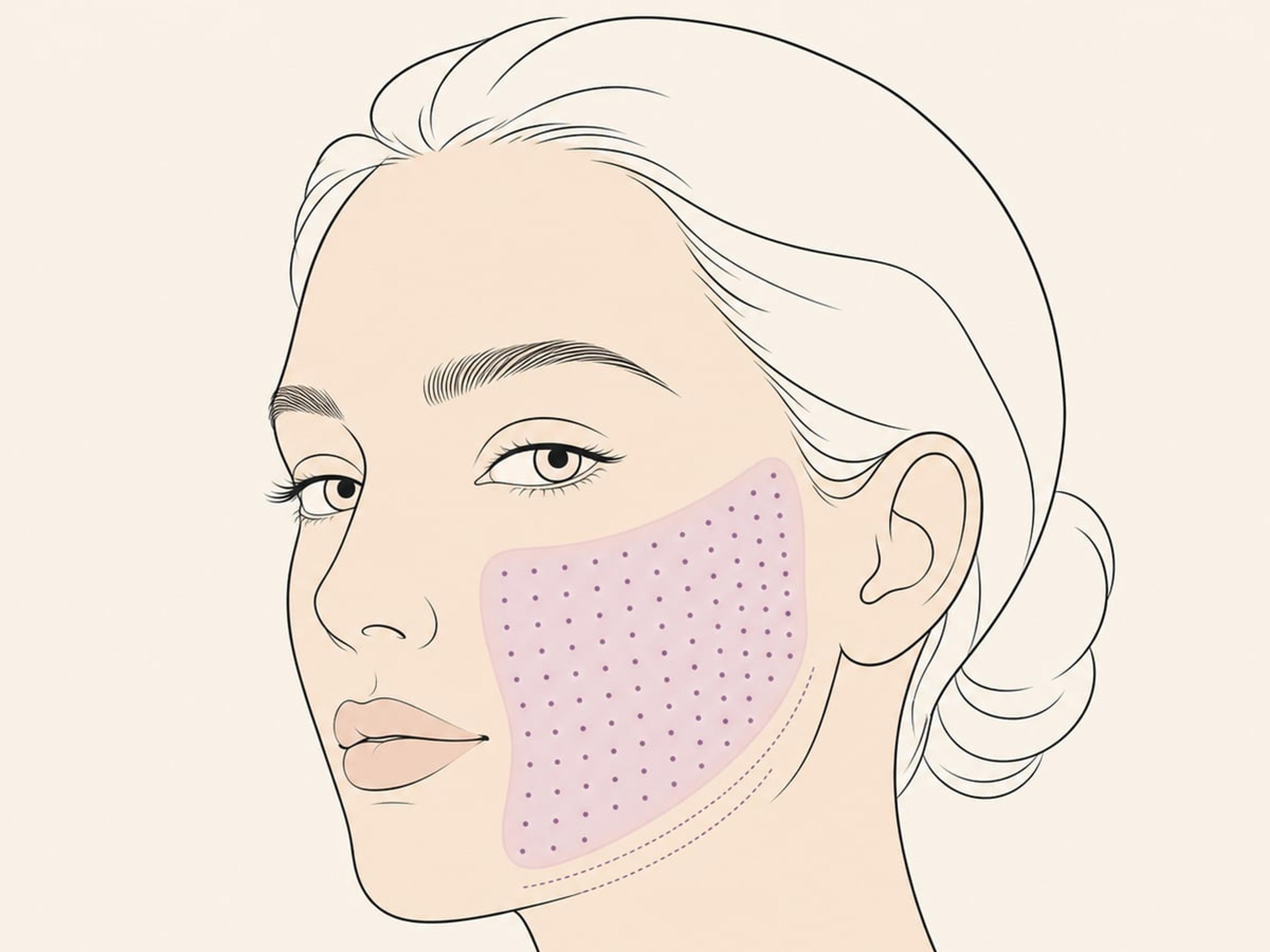
Small injections placed by hand across the area in a grid. This gives us precise control over depth and dose, and it is the approach we most often use on the face.
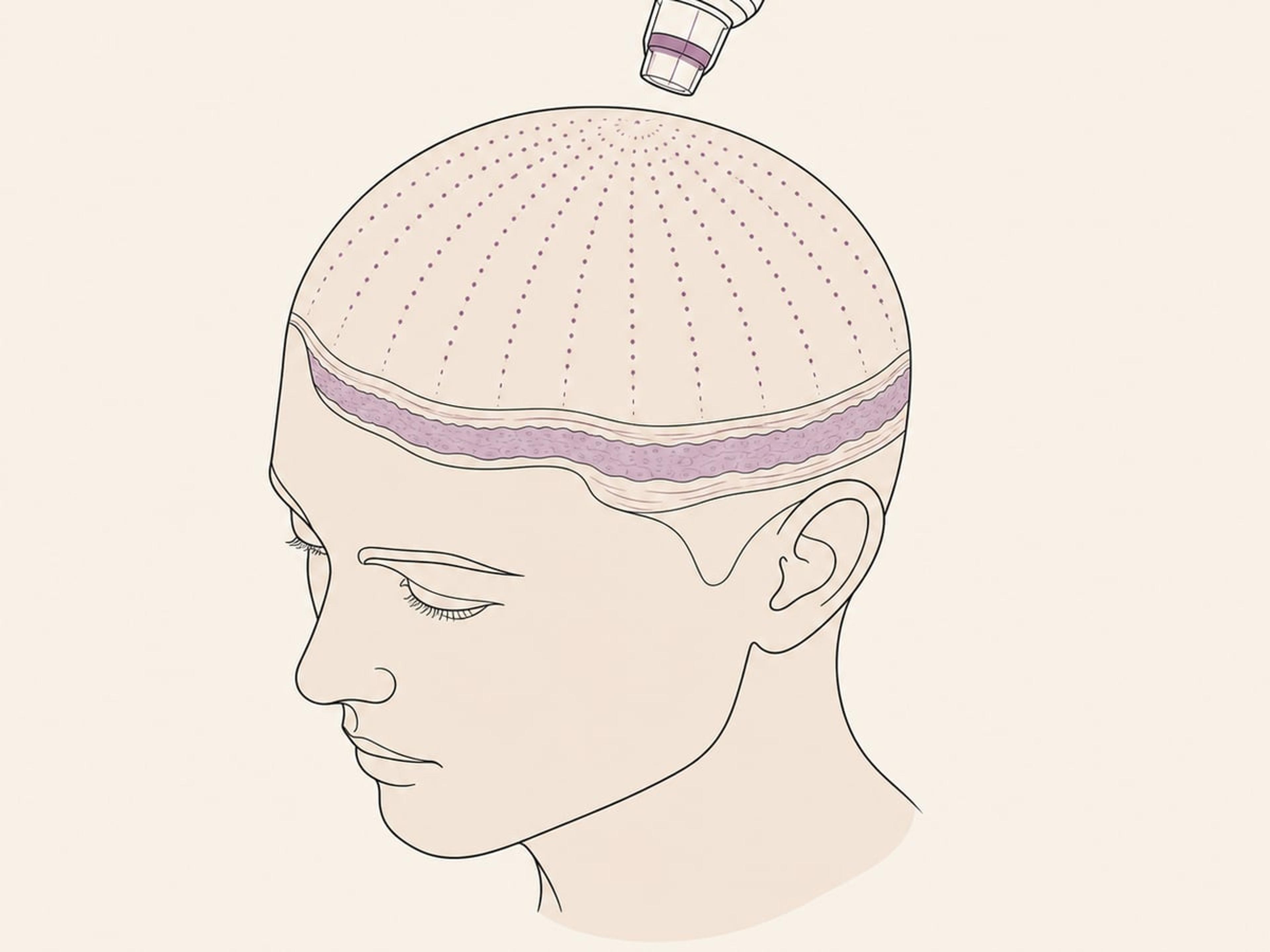
A motorised device delivers a set depth and volume at each point. It is quicker over larger areas and feels more uniform, though a careful hand is still more exact point for point.
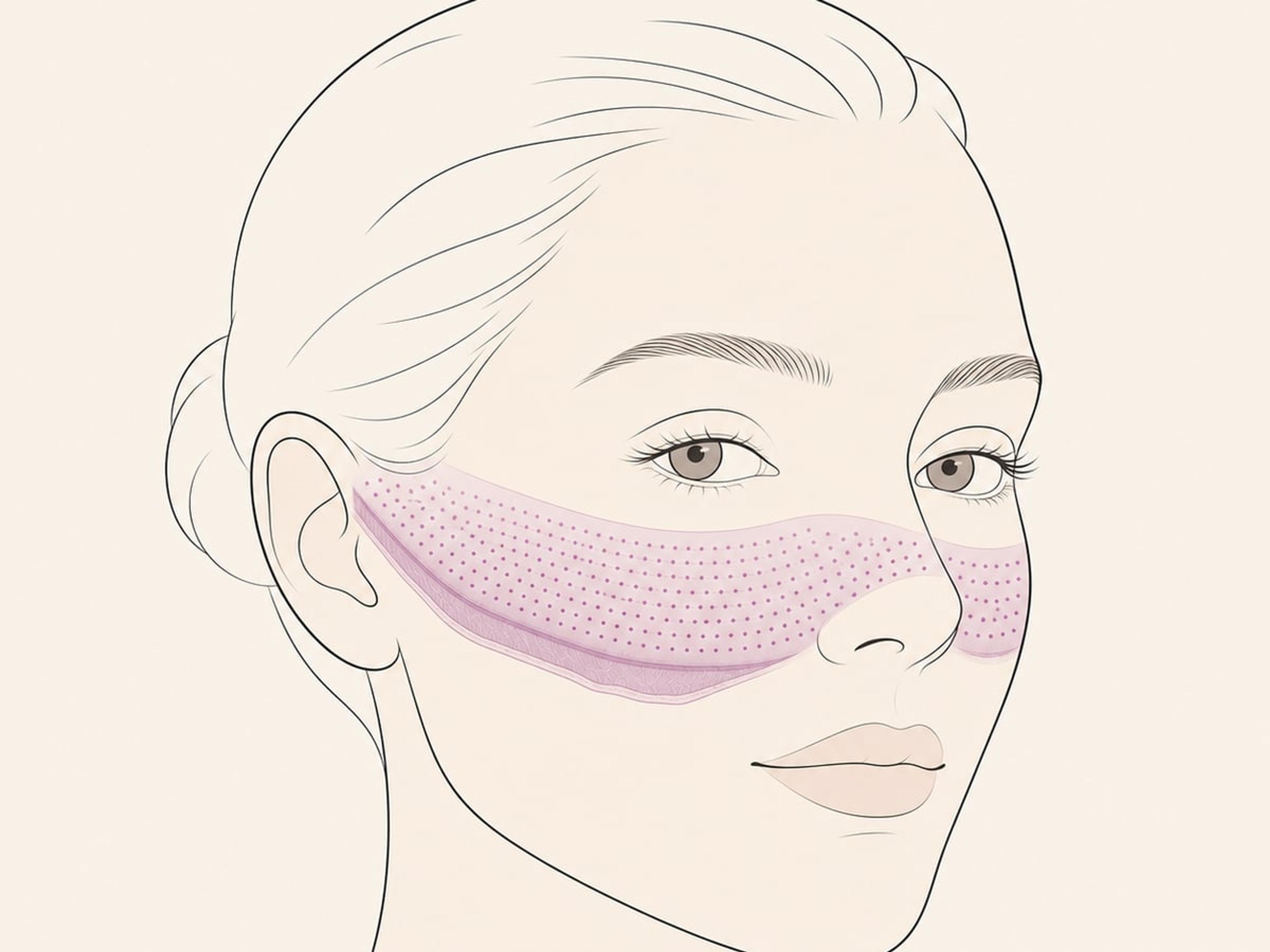
Very superficial, rapid micro-injections that sit just under the surface. We use it mainly for overall hydration and an even, rested look rather than a targeted concern.
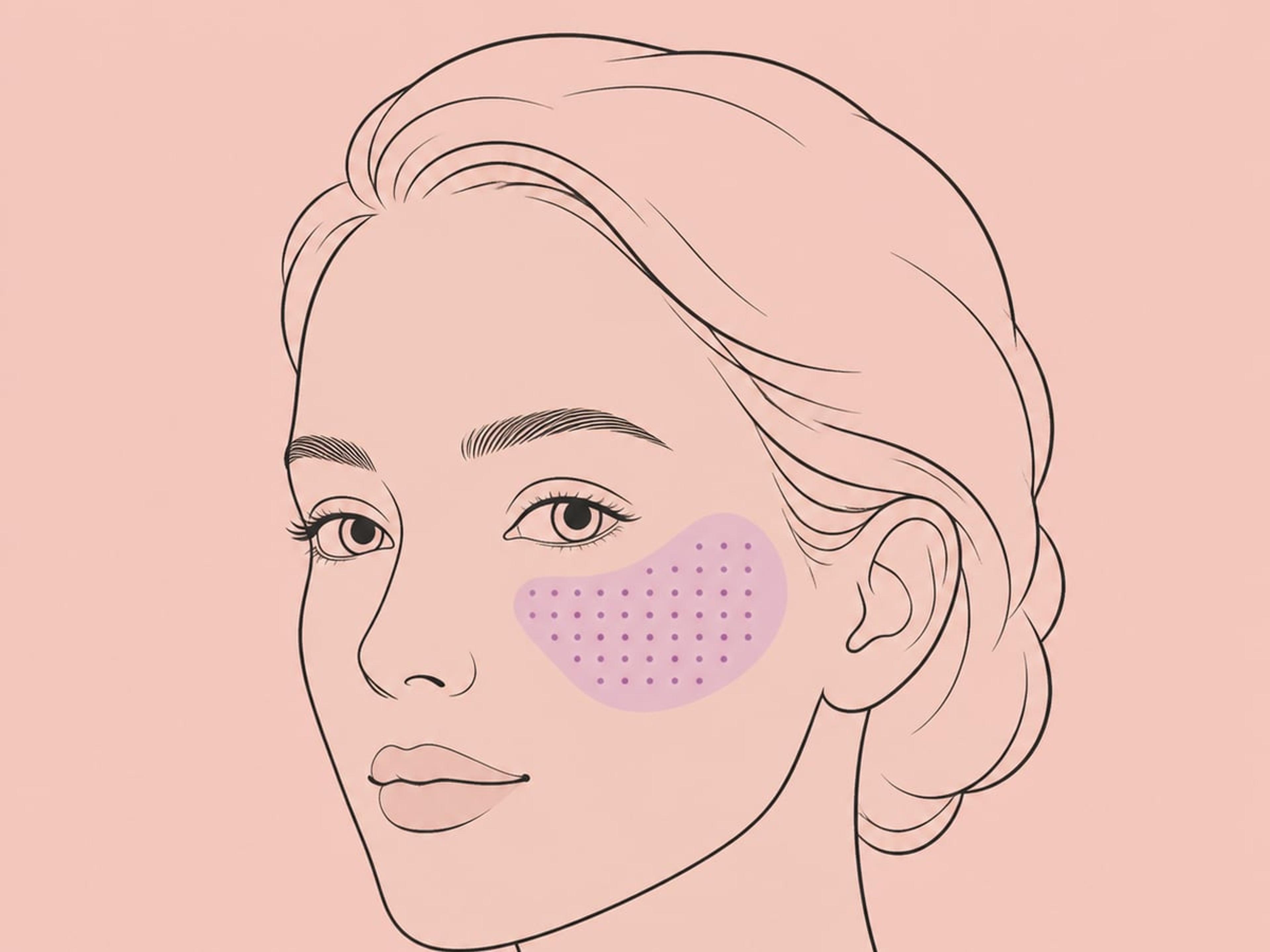
The classic mesotherapy solution: low-density, non-crosslinked hyaluronic acid with organic silicium, vitamins A, B, C and E and coenzymes. It works on cell turnover and pigment rather than structure, so we use it for dullness, uneven tone and early fine lines. It is the usual starting point when skin quality, not shape, is the complaint.
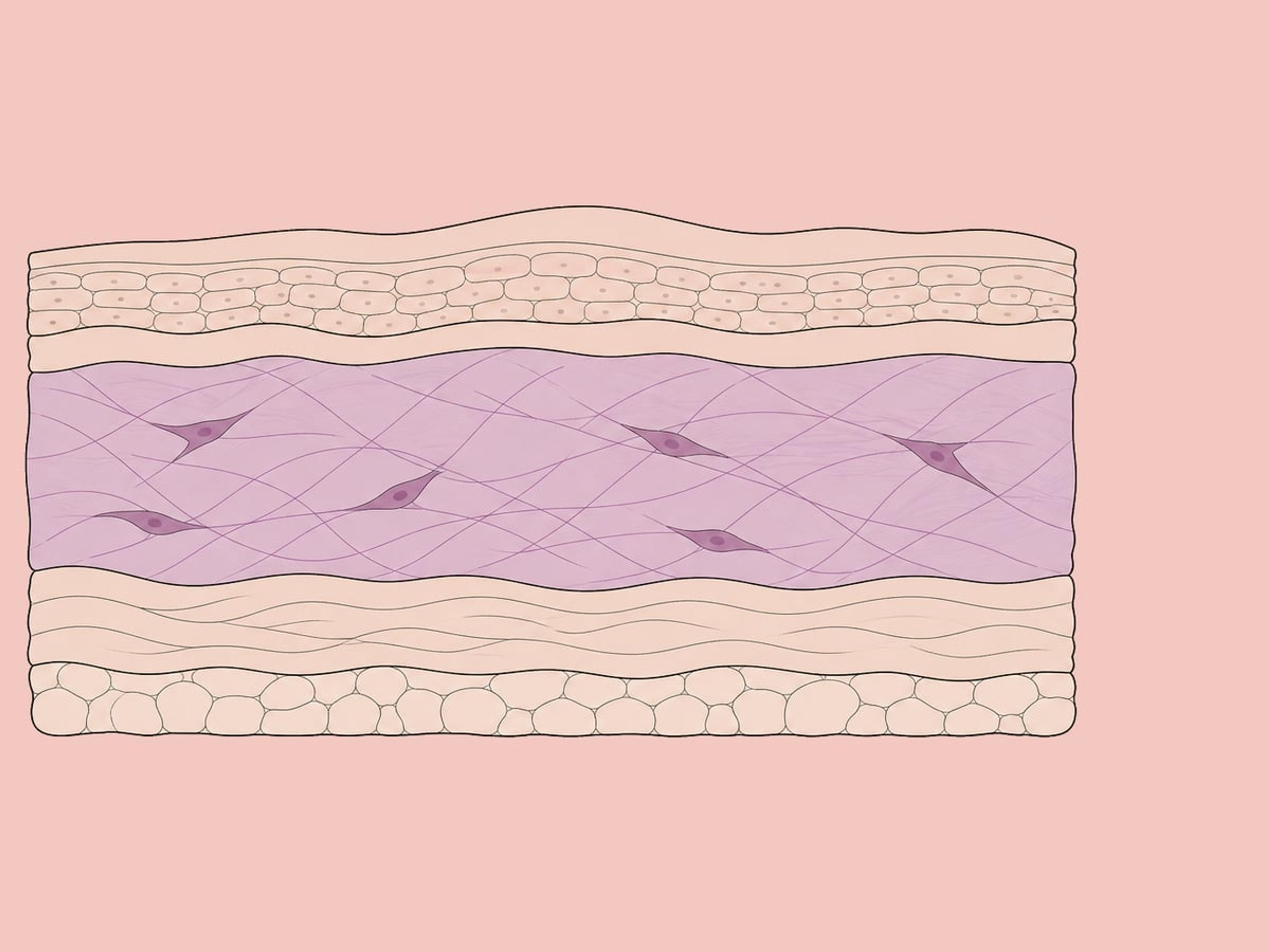
A fixed cluster of amino acids — glycine, L-proline, L-lysine and L-leucine — carried in hyaluronic acid. These are the raw materials fibroblasts use to build collagen, so it suits thin, crepey skin that has lost its bounce rather than skin that is simply dehydrated.
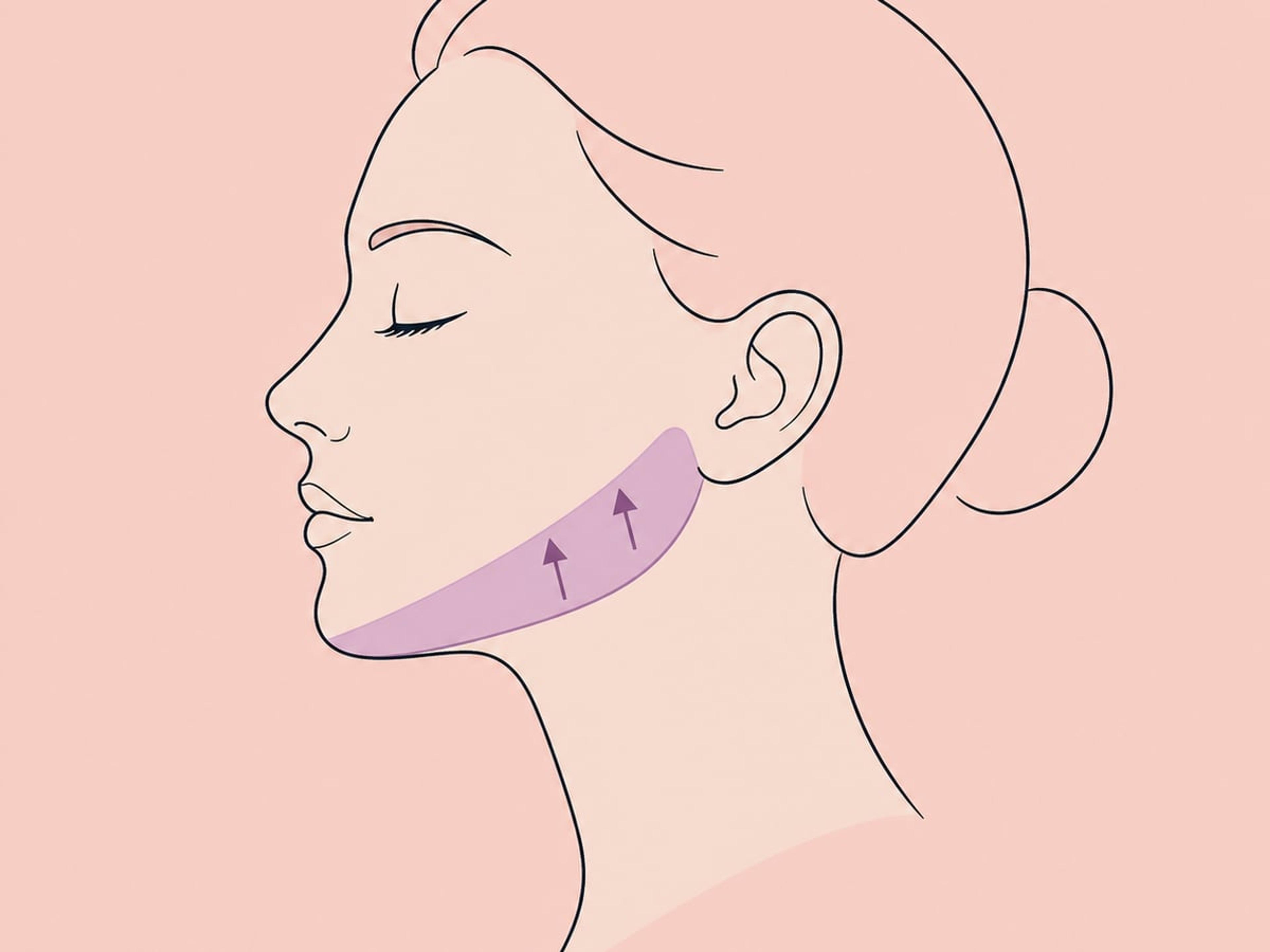
High-molecular-weight hyaluronic acid combined with biomimetic peptides. It holds water in the tissue and gives a mild lifting effect, which is why we choose it over the Classic formula for dry skin, relaxed folds and the neck and under-eye areas.
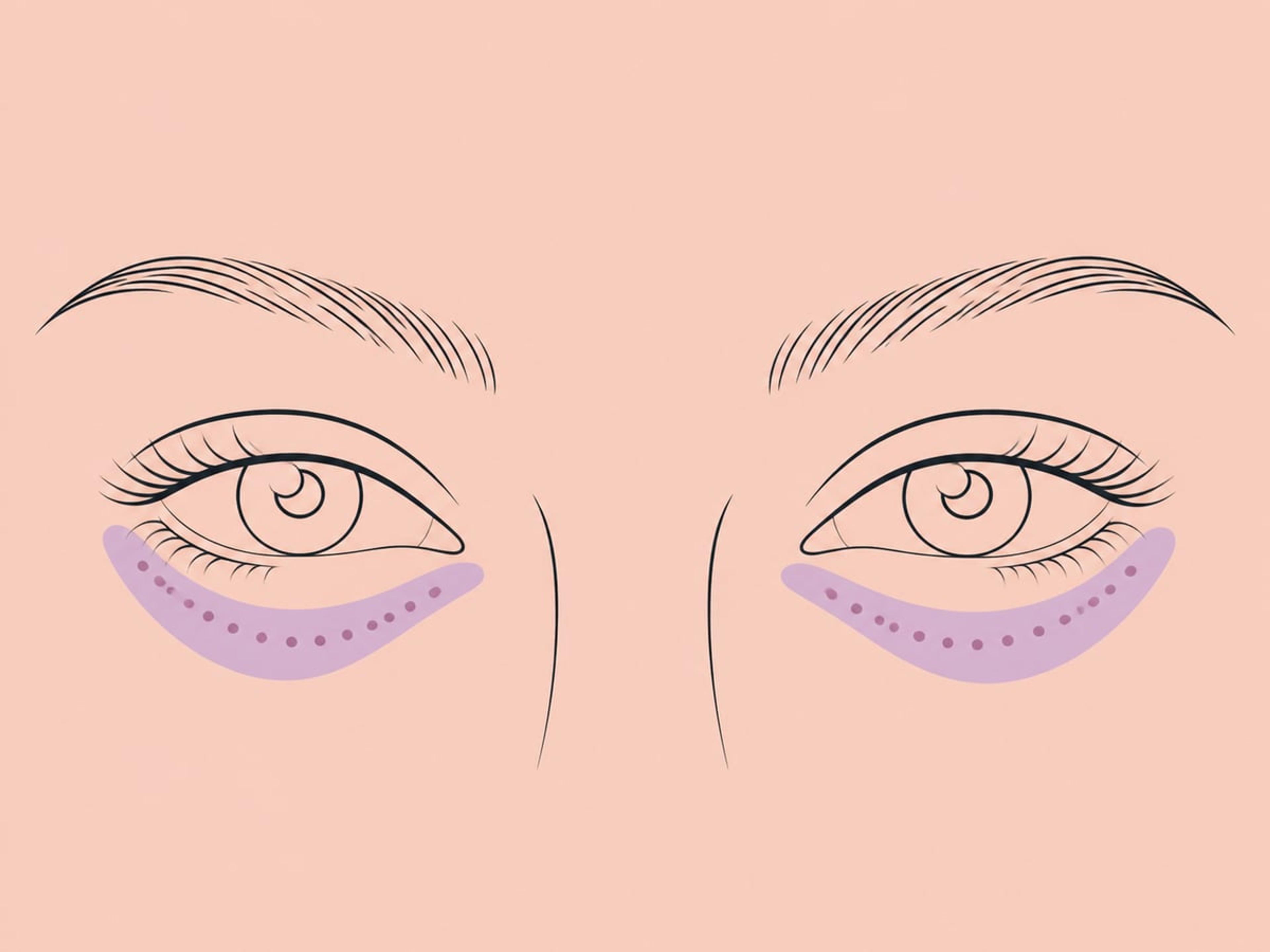
Purified polynucleotide chains derived from salmon trout DNA, closely compatible with human tissue. They bind water for deep hydration while signalling fibroblasts to repair damaged structure, so we reach for them in reactive, reddened or sun-damaged skin where a plain vitamin mix is not enough.
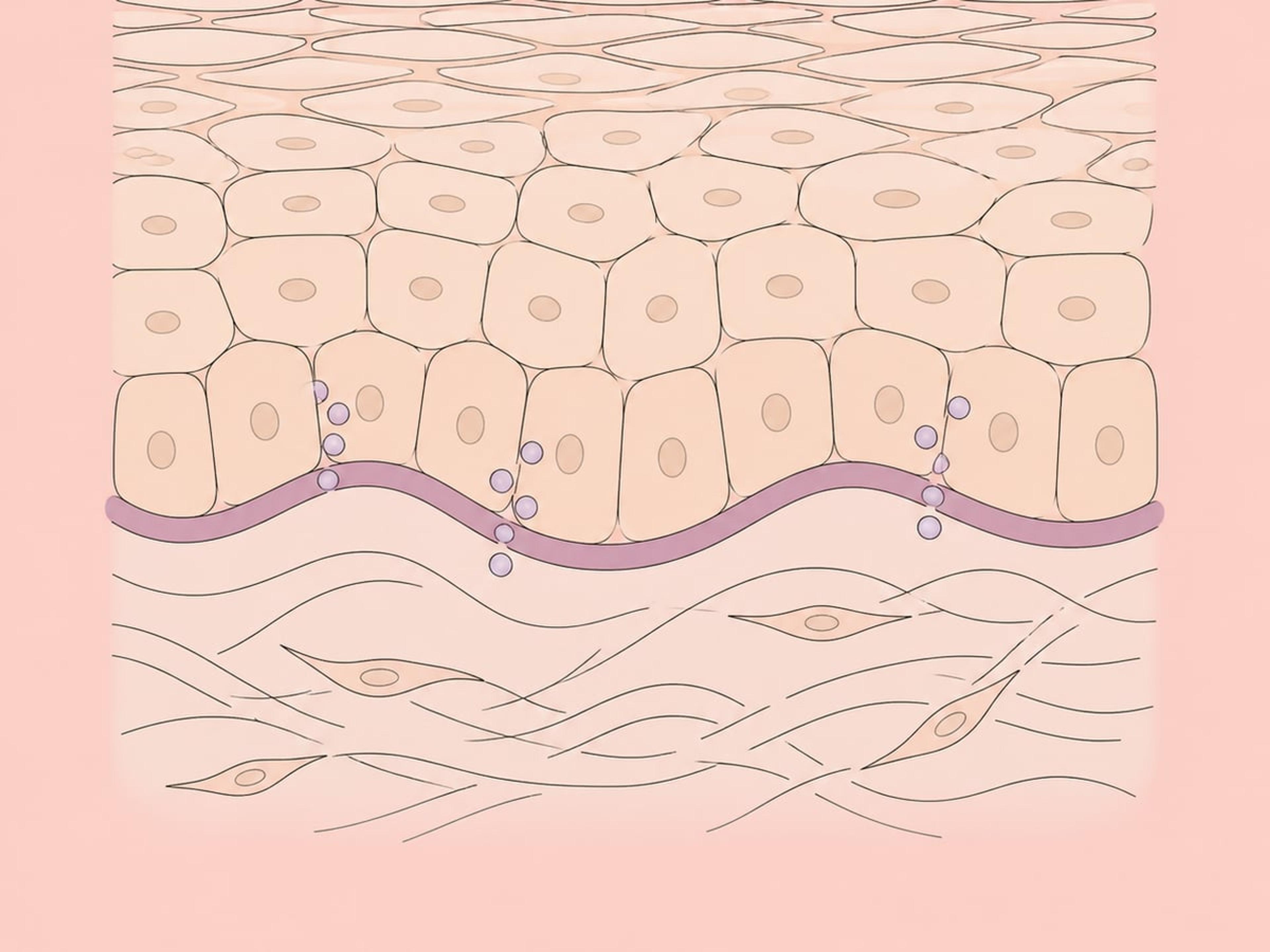
Exosomes are extracellular vesicles that carry growth factors and signalling proteins between cells. Injected into tired or sun-damaged skin they prompt dormant cells to repair and calm local inflammation. We reserve them for skin that has not responded to nutrient-led courses, and we will say so if a simpler solution is the honest choice.
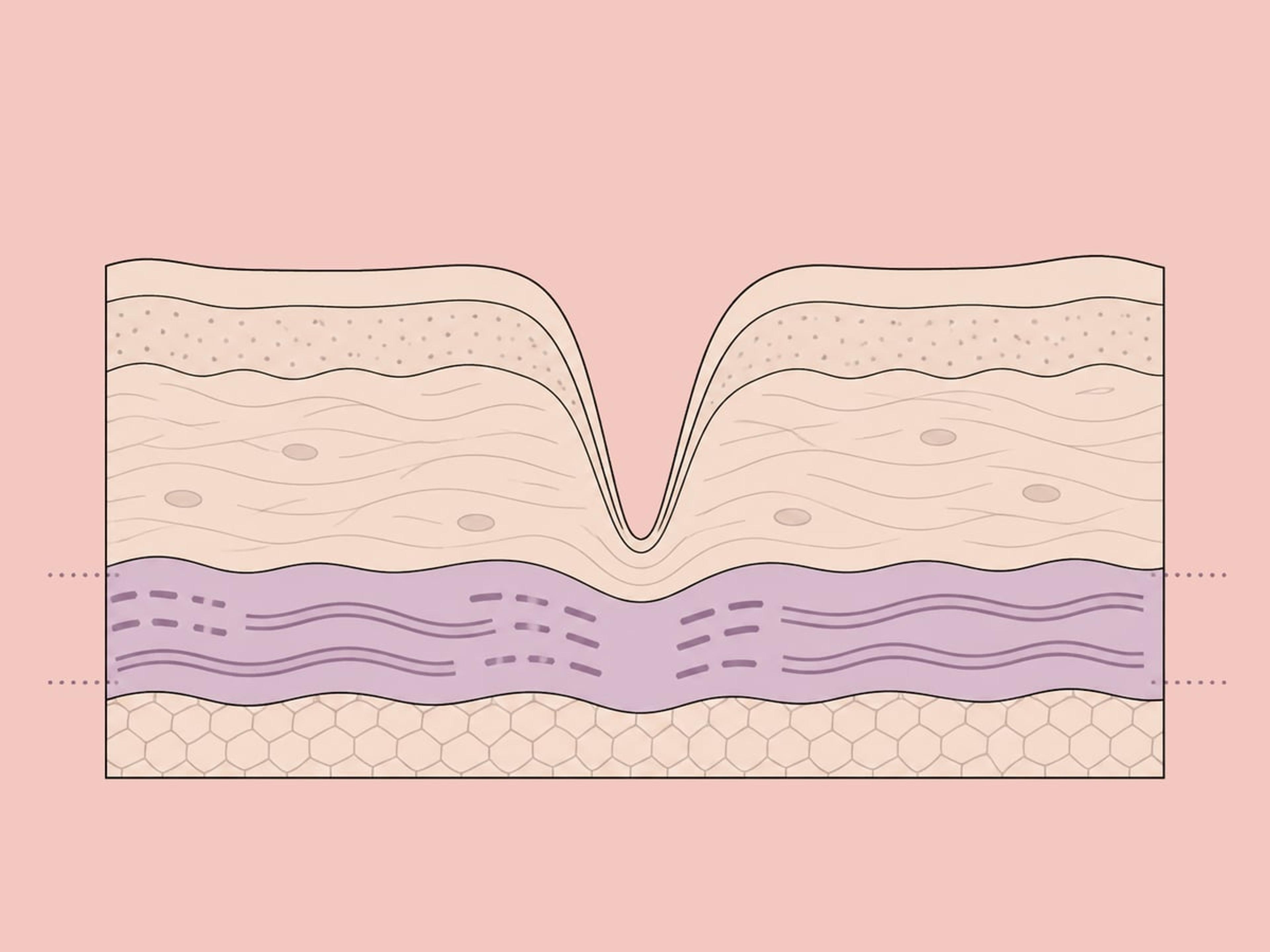
Bio-compatible collagen placed directly into the dermal matrix, replacing degraded fibres instead of asking the skin to build them. It suits mature skin where the fibroblast response has slowed and fine lines and surface texture are the concern.
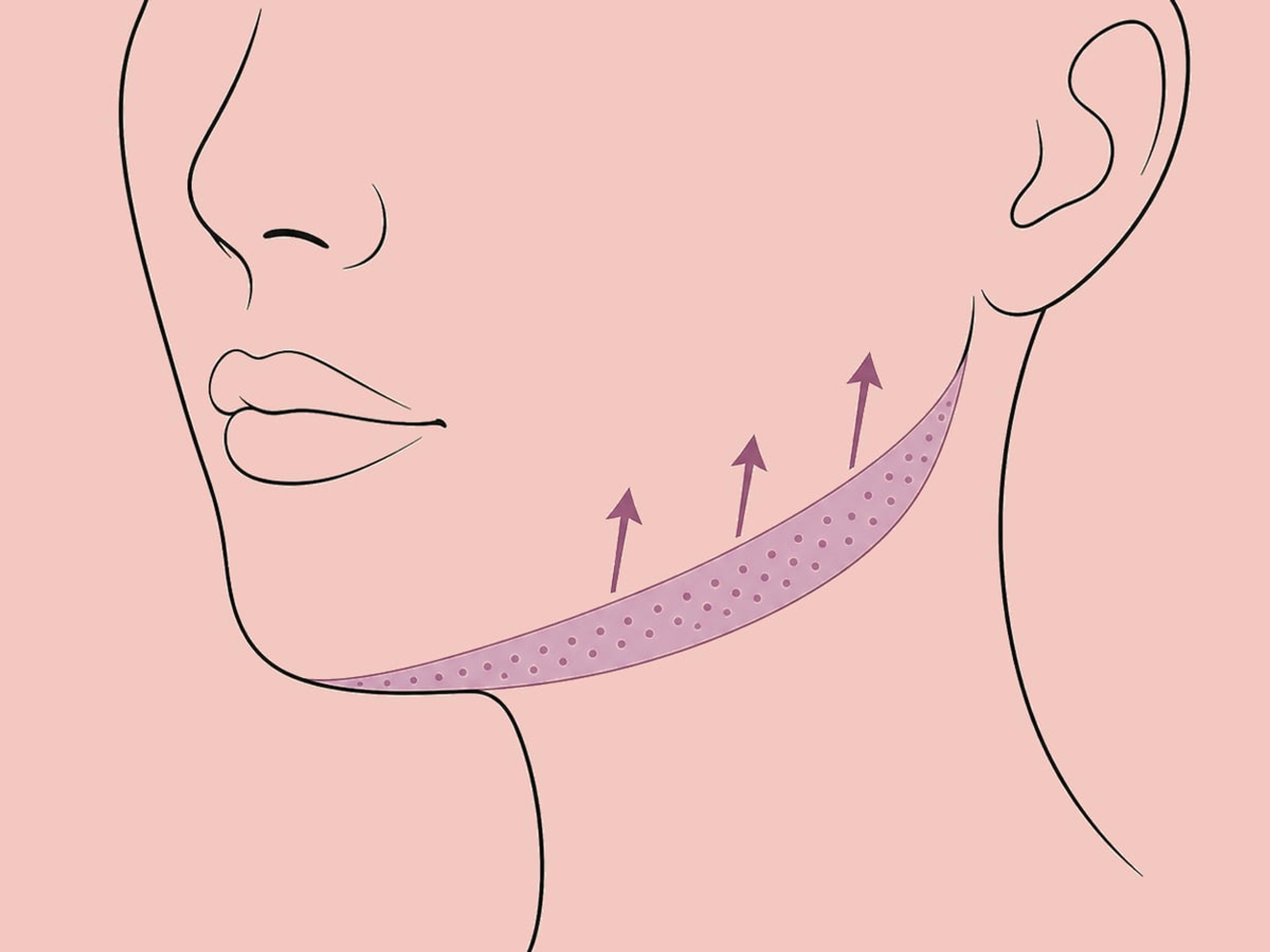
A hybrid injectable pairing hyaluronic acid gel with calcium hydroxyapatite microspheres in one syringe. The gel lifts folds straight away while the microspheres stimulate collagen over the following months. It is offered when volume loss sits alongside surface ageing — a point past what skin-quality injections can address on their own.
How a course runs
Consultation and solution
Your clinician looks at your skin, agrees the goal and chooses the solution and the number of sessions before anything is booked. The mix is picked for one concern — hydration, tone, pigmentation or thinning hair — because a generic cocktail treats none of them well. A face-to-face examination and a blood panel come first: they rule out medical exclusions and let the mix be matched to your own metabolism rather than to a template.
Cleansing and numbing
Makeup and skincare are removed, the area is disinfected and a topical anaesthetic cream sits for roughly 20–30 minutes. Sterile technique matters more here than the injection itself: the documented serious complications of mesotherapy trace back to poor asepsis or an unqualified injector.
The injections
Fine needles place small doses into the middle layer of the skin, point by point in a grid or with an auto-injector, across 20–45 minutes. Depth and volume are matched to the area — much shallower under the eye than on the cheek or scalp.
Before you leave
The area is cooled, the injection points are checked and you are given aftercare: no makeup, heavy skincare or intense exercise for the rest of the day. There is no dressing and no sedation, so you can walk out and carry on.
The rest of the course
Sessions repeat roughly every two weeks, usually 3–5 in total, because the effect is cumulative rather than immediate. Once the course is done, results typically hold for 12–18 months with maintenance sessions every few months.
Recovery, week by week
- Same-day
Tiny pinpoint marks, mild redness and a warm or tight feel across the area. Most people go back to normal activity straight after, leaving makeup off for the rest of the day. Small raised bumps at the injection points are expected rather than a problem — they flatten within a few hours as the solution absorbs. Keep hands off the area for the first day so the entry points stay clean.
- Day 2–3
Redness settles and the skin surface feels smooth again — this is usually when a refreshed, hydrated glow starts to show. Small bruises at injection points are possible, especially in thinner skin such as the under-eye, and usually fade within a few days.
- Week 1
Skin looks calm and often feels more hydrated. Results build gradually — a single session is rarely the full picture.
- Week 2–3
The next session in the course falls due — sessions are spaced roughly two weeks apart. Marks and bruising from the previous visit should be gone by now; if they are not, tell us and we move the appointment rather than inject over them. Between sessions you can use your normal skincare, including retinoids, stopping again the day before each visit.
- Week 4+
The cumulative effect of a course shows as improved tone, hydration and softer fine lines. Maintenance sessions are usually spaced every few months.
How to prepare
- Avoid blood-thinning medication and supplements — aspirin, ibuprofen, fish oil, vitamin E — for 5–7 days before, if your doctor agrees.
- Skip alcohol for 24 hours before your session to reduce bruising.
- Come with clean skin — no makeup, heavy serums or actives such as retinoids on the day.
- Reschedule if you have an active skin infection, cold sore or breakout in the treatment area.
- Tell us about any medications, allergies, recent injectables or events planned in the week ahead.
Risks
Every operation carries risk. We name them so you can ask the right questions.
- Redness and pinpoint marks for 24–48 hours.
- Bruising at injection sites, especially in thin-skinned areas.
- Temporary swelling or tenderness.
- Small bumps or lumps from the product, usually resolving within days.
- Infection at injection points if asepsis or aftercare is poor.
- Allergic reaction to a component of the solution.

What to expect in Turkey
Mesotherapy in Istanbul is a day case — a short outpatient visit with no overnight admission. A single session takes 20–45 minutes and is walk-in, walk-out, so the trip is light. A full course usually needs 3–5 sessions spaced about two weeks apart, which we plan with you in advance so you know how much can be done in one visit.
Before you fly
Talk to your clinician before you travel, so the solution and the number of sessions are agreed against your skin and goals rather than decided on arrival. The preparation steps above apply unchanged. We will also tell you plainly whether one trip covers your plan or whether the course is better spread across visits or continued at home.
At the clinic
The session is done as an outpatient visit — clean skin, topical numbing, then the injections by hand or auto-injector. The documented serious risks of mesotherapy, such as atypical infection or granulomas, are almost always linked to poor asepsis or an unqualified injector rather than the technique, which is why sterile technique and a qualified clinician matter more here than anywhere. Our packages include airport pickup, hotel transfers and an interpreter for your visit.
Recovery in Istanbul
There is no overnight stay and no dressing: you walk in and walk out, and most people spend the rest of the day as they planned rather than resting. Expect pinpoint marks and mild redness on the day, with any small bruises settling over the following days, and leave makeup and heavy skincare off until the next morning.
Heading home
There are no drains or bandages, the thrombosis risk is negligible and skin boosters carry no flight restrictions — you are safe to fly home the same day if that suits your plans. If your plan is a full course, we will set out the timing for the remaining sessions before you leave.
- United Kingdom
- £850 (about €980) per session
- United States
- $1,200 (about €1,100) per session
- Europe
- ≈ CHF 950 (about €980) per session at premium private clinics
Published typical ranges for orientation — confirm with a local quote.
Frequently asked
Does mesotherapy actually work?
For skin-quality goals — hydration, tone, mild laxity — most people see a gradual improvement over a course of sessions. It is not a substitute for work that addresses volume loss, deep wrinkles or sagging, and we will tell you honestly if that is what you need.
Which areas can be treated?
Face, neck, décolletage, hands and scalp, and more than one area can be covered in a single session. Thin-skinned areas such as the under-eye and the back of the hand bruise more readily and take a shallower, smaller dose, so we agree the areas at the same time as the solution.
How many sessions will I need?
A typical starting course is 3–5 sessions spaced about two weeks apart, followed by maintenance every few months. Your clinician will tailor this to your skin and goals at consultation.
Does mesotherapy hurt?
Most people describe a light, brief tingling or pinching rather than real pain — a series of small, quick pricks from an ultra-fine needle, sharpest in thin-skinned places such as the under-eye. A medical-grade topical numbing cream is left on the area for 20–30 minutes first, which is what makes the session comfortable; the injections themselves take 20–45 minutes. Afterwards the area can feel warm or tight for the rest of the day, and pinpoint marks and redness settle within 24–48 hours. Nothing stronger than the numbing cream is needed.
How soon will I see results?
A refreshed, hydrated glow often shows within two to three days of the first session, but the meaningful change builds across the full course. Once the course is complete, results typically last around 12–18 months, with maintenance sessions every few months preserving the effect. Photos taken before you start are the honest way to track progress.
Can I travel to Istanbul for mesotherapy?
Yes — a single session is a 20–45 minute walk-in, walk-out visit with no overnight admission and no flight restrictions afterwards, so you can fly home the same day if that is your plan. A full course runs 3–5 sessions about two weeks apart, so most patients complete it over more than one trip or continue maintenance at home. We plan this with you before you book anything.
Can I combine mesotherapy with other non-surgical treatments in the same visit?
Yes, and many patients travelling from abroad do. A session is short and leaves no downtime, so it sits easily alongside other quick, non-surgical work in the same visit — lip augmentation, including the vertical Russian lips technique, non-surgical rhinoplasty (the liquid nose job), or Redensity under-eye light filling. Each is assessed on its own merits at consultation, and we will say plainly if it is better to space them out than to do everything in one sitting.
Can I wear makeup or work out afterwards?
Leave makeup, heavy skincare and intense exercise for the rest of the day. Most people return to their normal routine the next morning.
How is mesotherapy different from microneedling or filler?
Microneedling creates micro-channels to prompt the skin's own response, and filler adds structural volume. Mesotherapy delivers a tailored solution into the skin itself, focused on quality rather than shape.
Does mesotherapy work for hair loss?
Mesotherapy is also used on the scalp — micro-injections of vitamins, minerals and vasodilators placed around the hair roots, improving local circulation and feeding dormant hair follicles — and systematic reviews report encouraging results for androgenetic alopecia. Like skin mesotherapy it works gradually over a course of sessions, and a consultation is the honest way to find out whether your pattern of thinning is likely to respond.
Can mesotherapy reduce cellulite or localised fat?
Body mesotherapy with fat-dissolving solutions is used for cellulite and small, stubborn fat pockets. The evidence here is more mixed than for skin-quality treatment, and it is not a substitute for liposuction — expect modest, gradual change over a course at best.
Can mesotherapy help with dark spots or scars?
Within limits, yes. Solutions with brightening agents are studied for hyperpigmentation such as melasma and sunspots, and they are the usual choice for the skin blemishes and uneven tone people most often bring us; micro-injections can also soften acne scars and other superficial scarring. Deep or long-standing spots and scars usually respond better to other or combined approaches, which we will set out plainly at consultation.
What is ozone therapy, and does it go with mesotherapy?
Ozone therapy is a systemic treatment given as a course of around ten sessions, aimed at blood oxygenation, circulation and cell metabolism rather than at a patch of treated skin. Some patients run it alongside a mesotherapy course when dullness or dark circles look metabolic rather than local. It is a separate treatment with its own assessment, not part of the injections.
Who is mesotherapy suitable for?
Adults over 18 whose concern is skin quality rather than shape — anti-ageing work on fine lines and elasticity, skin blemishes and hyperpigmentation, mild sagging and dehydration, acne scars and other superficial scarring, or thinning hair on the scalp. Eligibility still depends on your health status: an active skin infection, cold sore or breakout in the treatment area means rescheduling, and any allergy to a component of the solution must be ruled out first.
Does health insurance cover mesotherapy?
Generally no — as an elective cosmetic treatment, mesotherapy is not usually covered by health insurance. The final cost depends mainly on the number of sessions, the area treated, the solution used and the clinician's expertise.
Is there a fee for the first examination and blood tests?
Yes — €70, charged separately from the per-session price. It covers a face-to-face examination with the specialist and detailed blood laboratory diagnostics. That panel is what rules out medical exclusions and lets the solution be matched to your own metabolism rather than to a template, which is why it comes before anything is booked rather than after.
Sources
- [1]Safety and efficacy of mesotherapy in the treatment of melasma: A review article · PubMed · 2021
- [2]Mesotherapy: Safety profile and management of complications · PubMed · 2019
- [3]Systematic review of mesotherapy: a novel avenue for the treatment of hair loss · PubMed · 2023
- [4]Mesotherapy as a Promising Alternative to Minoxidil for Androgenetic Alopecia: A Systematic Review · PubMed Central · 2024