


Collagen biostimulators: what it is
A collagen biostimulator is an injectable implant placed deep — in the lower dermis, the fat layer, or against the bone — where its microparticles provoke a controlled healing response. Macrophages engage the particles and fibroblasts answer by laying down new type I collagen. The water or gel that carries the particles is absorbed within days, so the fullness you see on the way home is not the result. What lasts is tissue you grew yourself, which is why the change appears over roughly 6 weeks to 6 months and is built across a series of sessions rather than in one afternoon.
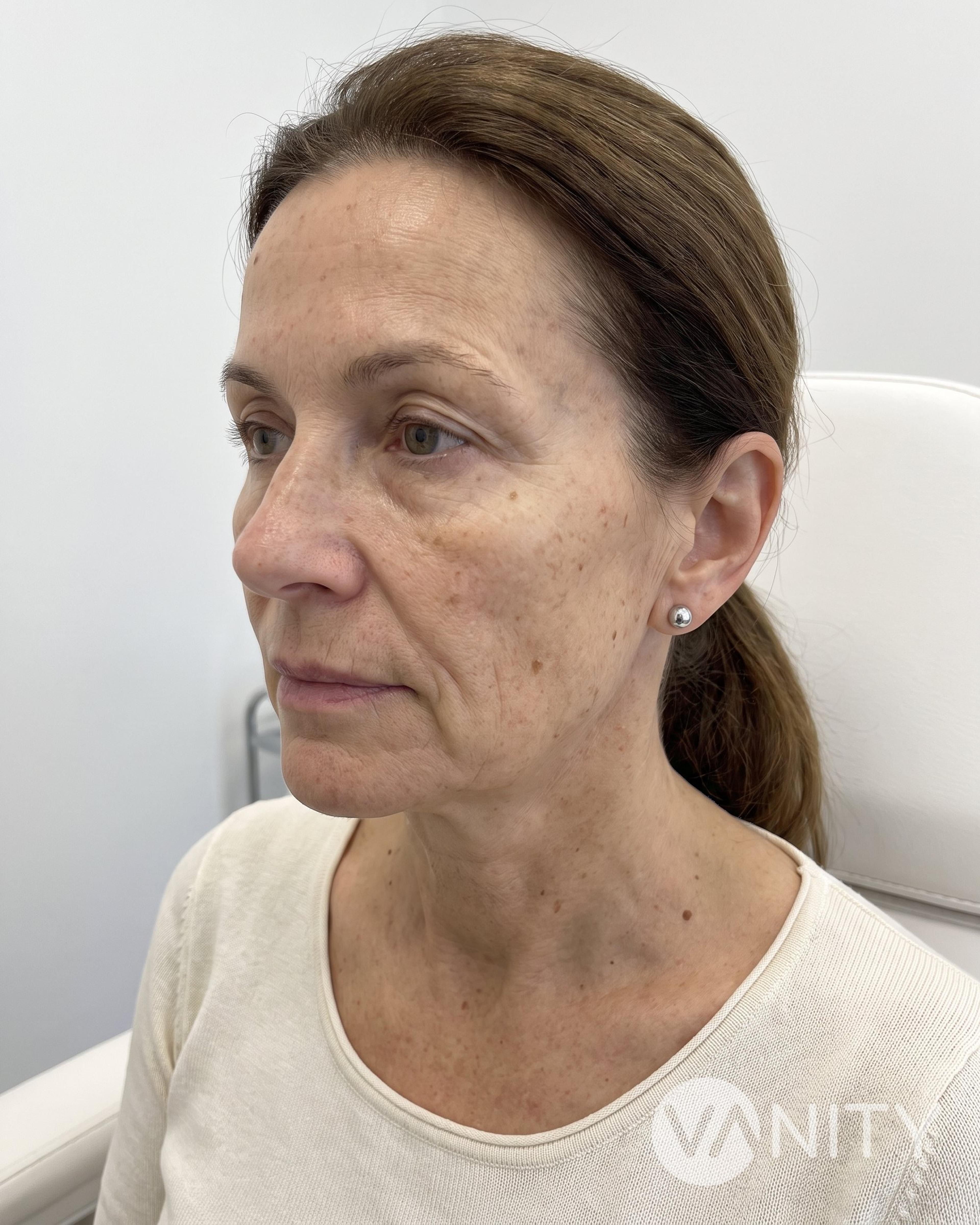
It suits diffuse loss rather than one discrete fold — a mid-face and temples that have gone flat, a jawline and cheek that have deflated, crepey skin on the décolletage. Poly-L-lactic acid was first approved for HIV-associated facial lipoatrophy, and that remains an indication. We avoid the lip vermilion and the thin, mobile skin around the eyes and mouth, where nodule risk is higher. It is not appropriate if you have an active skin infection at the site, a known hypersensitivity to the device components, or a history of significant hypertrophic scarring — and safety has not been established in pregnancy, while breastfeeding, or under 22.
Collagen biostimulators: techniques we use
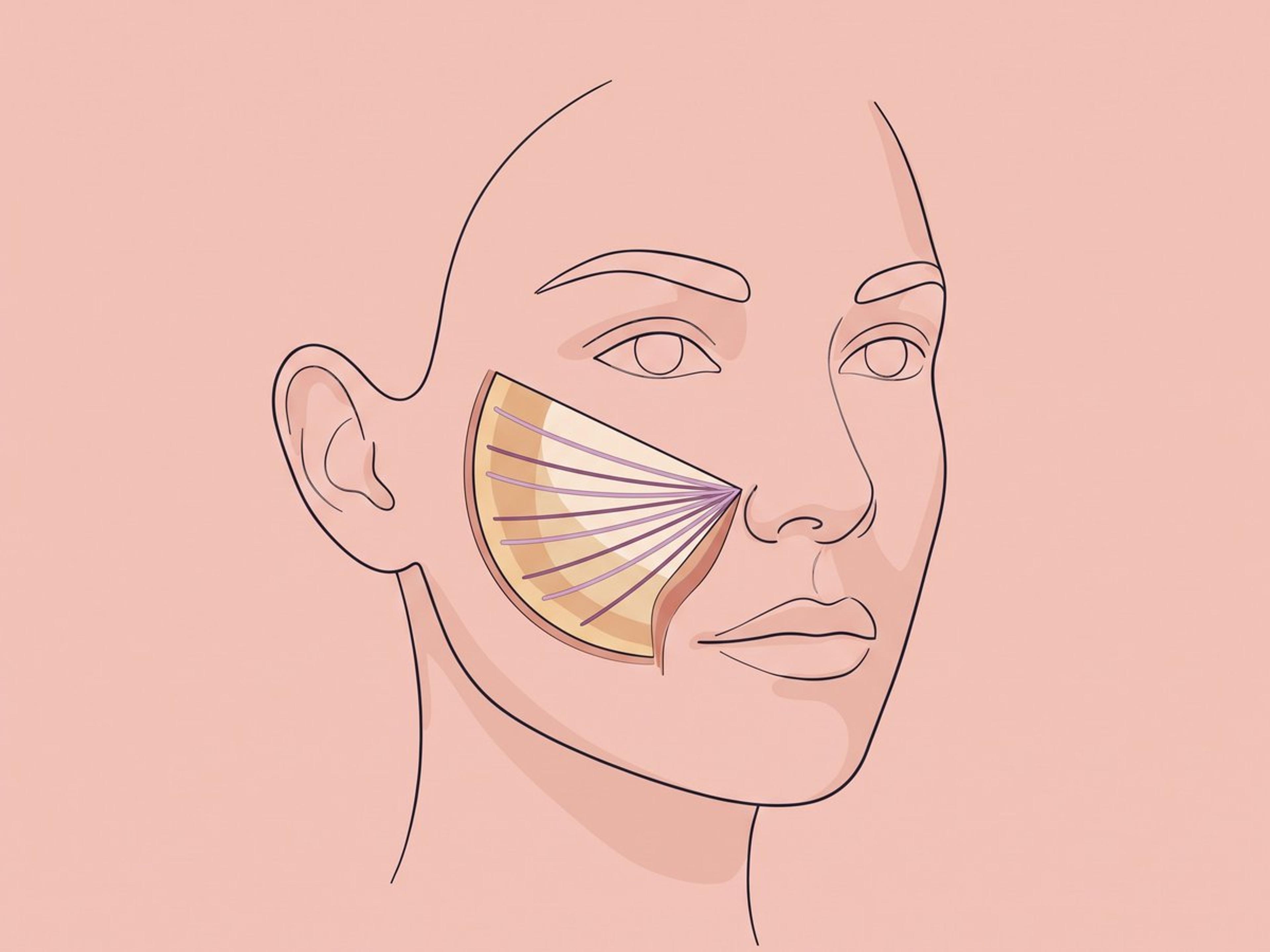
Freeze-dried PLLA microspheres are reconstituted with sterile water — modern protocols favour high dilution volumes of 8 to 24 mL and prolonged hydration — then fanned or threaded into the deep dermal and subcutaneous plane. It is conventionally delivered as about 3 sessions spaced 4 to 8 weeks apart, with the collagen response building through the months that follow. In a randomised comparison against human collagen, investigator-rated improvement in nasolabial folds remained above 85% through month 25.
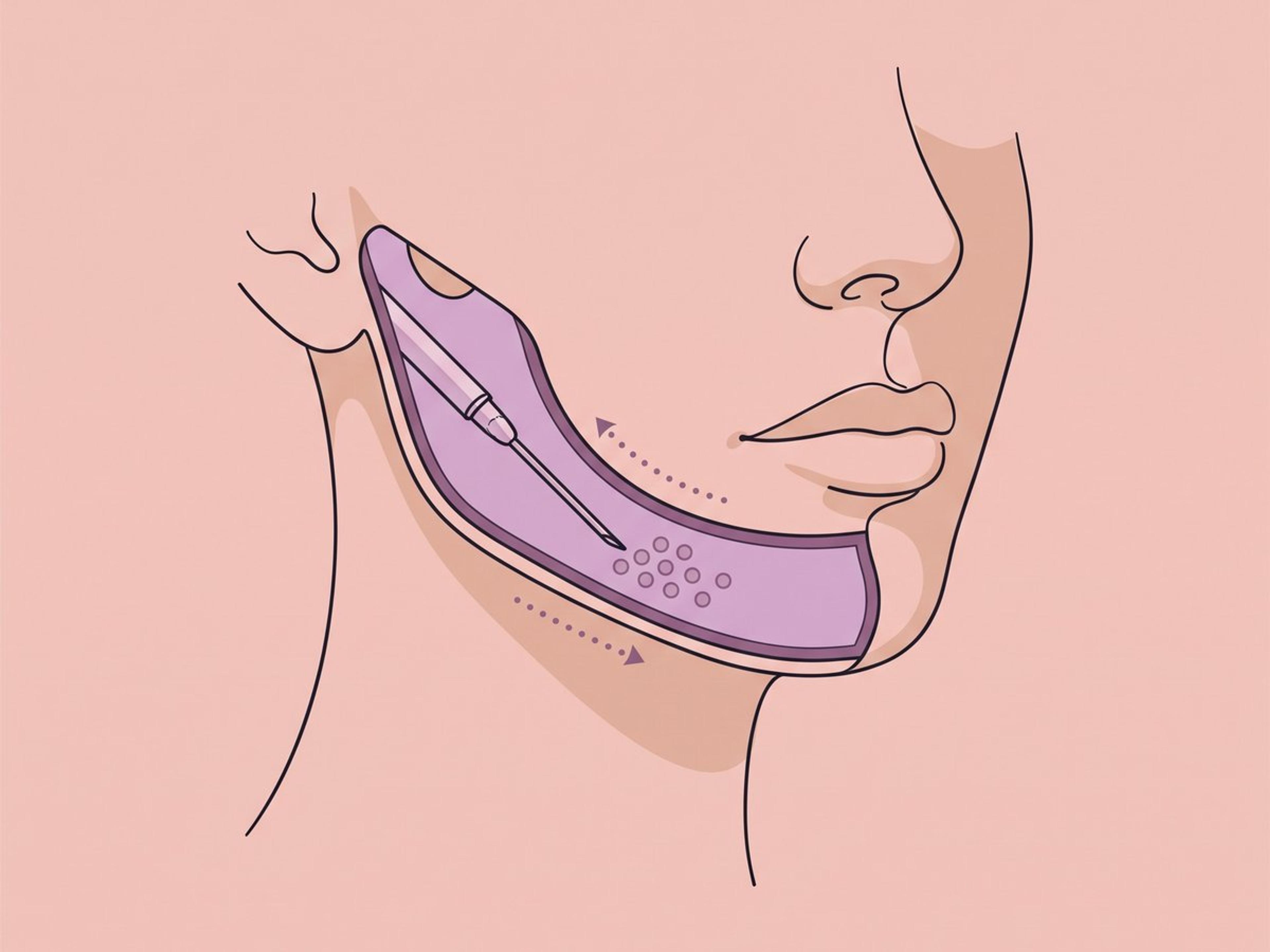
CaHA is 25 to 45 micron calcium hydroxylapatite microspheres suspended in a carboxymethylcellulose gel carrier, so it gives immediate volumetric lift as well as a collagen and elastin response as the carrier resorbs. It is injected subdermally or supraperiosteally for facial folds, jawline contour, temples and volume loss on the backs of the hands. A 12-month randomised split-face trial and a 2024 systematic review of controlled trials support sustained global aesthetic improvement, typically in the range of 12 months.

The same CaHA product, diluted with saline or lidocaine at ratios commonly from 1:1 up to 1:4 or higher, and laid down as a thin subdermal layer rather than a shaping bolus. The aim is skin quality — dermal thickening and firmness across the neck, décolletage, upper arms, abdomen or buttocks — not discrete contour correction. Because it depends entirely on the induced fibroblast response, it appears gradually over 2 to 3 months.
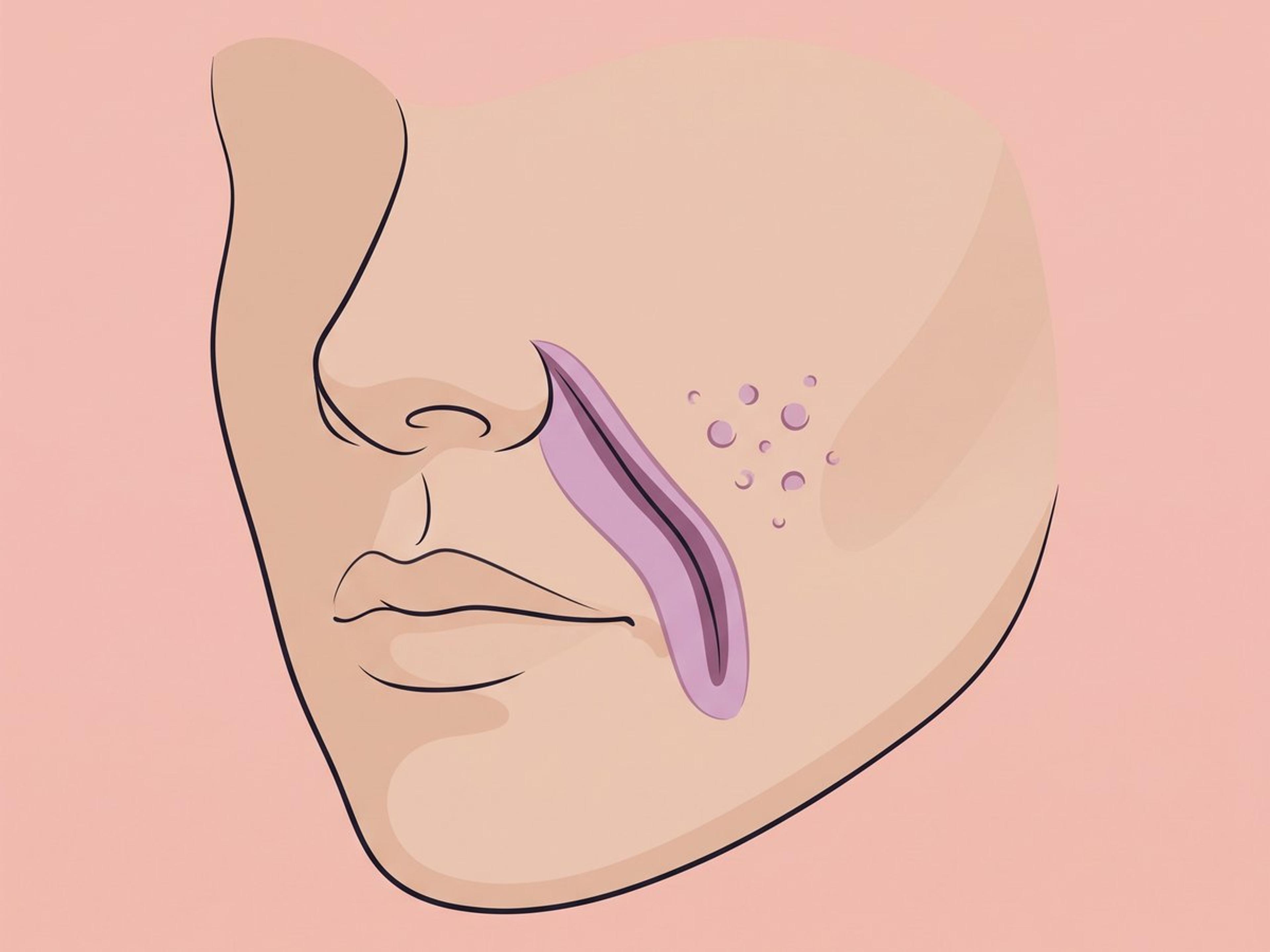
Non-resorbable polymethylmethacrylate microspheres suspended in 3.5% bovine collagen: the collagen carrier corrects immediately, and the permanent microspheres become encapsulated in your own collagen. It is FDA-approved for nasolabial folds and for moderate-to-severe atrophic, distensible facial acne scars on the cheek in patients over 21. A bovine collagen skin test beforehand is mandatory, and a positive result rules the product out.
A session, step by step
Assessment before a product is chosen
We settle first whether the face in front of us has deflated or descended, because a biostimulator only answers the first. Which product, which plane and how many vials all follow from that judgement — and if the honest answer is a lift rather than a vial, this is where we say it.
Reconstitution and dilution
PLLA is reconstituted with sterile water well in advance and carried at high volume — commonly 8 to 24 mL — because thin, fully hydrated suspensions are what brought nodule rates down. CaHA is diluted to suit the job: close to neat to shape a jawline, 1:2 or higher to lay a thin skin-quality layer. Product name, dilution and batch number go into your record before the syringe is drawn.
Numbing and marking
Topical anaesthetic sits for roughly 20 to 30 minutes, or lidocaine is mixed into the product itself; there is no sedation and no fasting. The injection points are marked with you sitting upright, because volume loss falls differently once you lie flat.
Deep, layered placement
Needle or cannula delivers into the deep dermal, subcutaneous or supraperiosteal plane in fanning and threading passes, spread across the area rather than left as one bolus, so the particles disperse and the collagen response is even. We stay off the lip vermilion and the thin skin around the eyes, where nodules cluster. Slow, low-pressure delivery in small aliquots is the main defence against injecting into a vessel.
Massage, then out the same hour
Nothing is dressed and nothing is drained. After PLLA the massage protocol starts immediately — commonly 5 minutes at a time, 5 times a day, for 5 days — which disperses particles that would otherwise clump. You will leave looking fuller than the treatment has actually made you; that is the carrier, not collagen.
The next session is dosed on your response
We review at 4 to 8 weeks and set the next dose from what your own collagen has done, rather than from a package agreed in advance. It is the same reason the photographs that matter are taken months after the final session and not on the day of one.
Collagen biostimulators: recovery week by week
- Day 1
Redness, tenderness and pinpoint bruising at the injection sites are the whole of it — there is no wound and no dressing. Keep strenuous exercise, saunas and alcohol off for about 24 hours, since heat and raised blood pressure worsen bruising. If you had PLLA, the massage protocol starts today.
- Days 2–5
Bruising peaks and then fades, and makeup goes over intact skin from about 24 hours. Normal activity, including the gym, resumes now. The PLLA massage runs to the end of this window — five minutes, five times a day, five days.
- Week 1
The diluent or gel carrier has been absorbed, so the face looks much as it did before treatment. That is the expected course rather than a failed session: nothing visible this early is collagen.
- Week 6
The first genuine, collagen-driven change becomes visible. It is also when the next session in the course usually falls — 4 to 8 weeks after the last — dosed on what has actually developed rather than on a plan made in advance.
- Months 3–6
New collagen keeps accumulating, and this is the window in which a completed course is assessed and photographed. From here the question stops being development and becomes durability — 12 to 25 months, depending on the product.
Collagen biostimulators: how to prepare
- Ask to see the vial or prefilled syringe before it is drawn — it should be properly labelled and sealed — and take the product name, dilution and batch number home in writing, because whoever treats you next will need them.
- Tell us about autoimmune or connective-tissue disease, bleeding or clotting disorders, uncontrolled diabetes, a keloid or hypertrophic scarring history, any filler or implant already in the area, and any known hypersensitivity to the device components. If we are using a PMMA product, a bovine collagen skin test comes first.
- With your prescriber's agreement, pause non-essential blood-thinning agents — aspirin, NSAIDs, fish oil, vitamin E — and avoid alcohol for several days beforehand, which reduces bruising.
- Postpone if you have active acne, cellulitis, an active cold sore or any other infection at or near the injection site, and leave about 2 weeks between this and planned dental work.
- Book the series rather than the session: 2 to 3 appointments spaced 4 to 8 weeks apart, with the result developing over months after the last of them.
Collagen biostimulators: risks
Every operation carries risk. We name them so you can ask the right questions.
- Intravascular injection with vascular occlusion — the most serious risk of any soft-tissue filler, capable of causing skin necrosis, blindness or stroke
- Delayed-onset subcutaneous nodules and papules, particularly with PLLA in thin or highly mobile skin such as the perioral and periorbital regions; incidence fell to around 1% in large series once higher reconstitution volumes became standard
- Late-onset granulomatous foreign-body reaction and inflammatory oedema, reported from 6 to 60 months after injection — on average about 19 months — with recurrent bouts in a substantial proportion of those affected
- Bruising, swelling, erythema and pain at the injection sites, and contour irregularity or asymmetry
- Infection at the injection site, including biofilm formation and abscess
- Irreversibility — unlike hyaluronic acid, PLLA and CaHA cannot be dissolved with hyaluronidase, and PMMA microspheres are permanent, so overcorrection or misplacement may require intralesional or surgical management

Collagen biostimulators in Turkey: what to expect
This is an outpatient appointment, not an admission. What makes it a travel decision is not the day itself — it is that a course runs over months while you are living somewhere else.
Before you fly
Talk to the physician who will hold the syringe, not to a coordinator, and do it by video before you book. Ask which product, at what dilution, and how many sessions the face in front of them actually needs. Turkish law is narrow here: intradermal injection is restricted to physicians, so if anyone other than a doctor is offered as your injector, that is your answer. Ask too who manages a complication that appears a year from now, and whether that care is included.
At the clinic
We numb the skin, and the injecting itself takes about 30 to 45 minutes. There is no admission, no drain, no dressing. You will leave looking fuller than you will look next week — that is the water or the gel carrier, and it goes. Nothing about that first evening tells you what the treatment did.
Recovery in Istanbul
Plan 2 days and 2 hotel nights, with 1 follow-up visit. Swelling, tenderness and light bruising are the expected early findings and settle over a couple of days. If you have had PLLA, the massage protocol begins now — commonly 5 minutes at a time, 5 times a day, for 5 days — and we will give you the schedule your own physician wants rather than a generic handout.
Heading home
Fly on day 1. Flying the same evening is not medically unsafe; the extra night simply means we see your face in the morning. Most of the aftercare then happens on the plane and at home, unsupervised. And a single visit delivers one instalment of a course — so agree before you leave who gives the remaining sessions, on what protocol, and when.
- United Kingdom
- £400 – £800
- United States
- $900 – $2,000
- Western Europe
- €400 – €800
Published typical ranges for orientation — confirm with a local quote.
Collagen biostimulators: frequently asked questions
How is a collagen biostimulator different from a hyaluronic acid filler?
Hyaluronic acid occupies space, and the correction is there the moment the needle comes out. A biostimulator instead induces your body to build new collagen, so the meaningful correction appears over weeks to months and is made of your own tissue. The trade-off is reversibility — hyaluronic acid can be dissolved with hyaluronidase, and PLLA, CaHA and PMMA cannot.
How long does it take to see results?
There is a temporary fullness straight after injection from the diluent or gel carrier, and it subsides within about a week. Genuine collagen-driven change generally becomes visible from around 6 weeks and continues to build through 3 to 6 months. We assess a completed course 3 to 6 months after the final session.
How long do the results last?
In a randomised trial of PLLA against human collagen, investigator-rated improvement remained above 85% through month 25. CaHA correction is generally described as lasting 6 to 12 months in the controlled trials reviewed, and PMMA microspheres are non-resorbable and therefore permanent. Duration varies with the product, the dose, the area treated and how your own collagen responds.
How many sessions will I need?
PLLA is conventionally about 3 sessions spaced 4 to 8 weeks apart, though published protocols range from 1 to 7 depending on the area and the degree of volume loss. CaHA is more often a single session with periodic maintenance. We reassess the collagen response before deciding each subsequent dose rather than committing to a number in advance.
Can collagen biostimulators be dissolved or reversed?
No. There is no enzymatic reversal agent for PLLA, CaHA or PMMA equivalent to hyaluronidase for hyaluronic acid. Overcorrection or misplacement is managed conservatively — intralesional steroid or 5-fluorouracil for inflammatory nodules, surgery in refractory cases — which is exactly why we dose conservatively and stage the sessions.
Do biostimulators cause lumps or nodules?
Palpable subcutaneous papules and nodules are the characteristic complication, most often with PLLA and most often in thin or highly mobile skin such as the perioral and periorbital areas, which is why the lip vermilion is avoided. Rates fell substantially once higher reconstitution volumes and longer hydration times became standard, reported at around 1% in one large series. Late-onset inflammatory nodules and granulomas have been described from 6 to 60 months after injection — long after you have flown home.
What does it cost in Istanbul, and how does that compare with the United States?
In Istanbul a session runs roughly €250 to €600 all-in, and because a course is normally 2 to 3 sessions, the realistic total is about €500 to €1,800. The American Society of Plastic Surgeons reports an average physician fee of $901 for non-hyaluronic acid fillers, but that is the surgeon's fee alone, per session, excluding facility and anaesthetic charges. The two numbers are not like-for-like, and a genuine US all-in figure per session would be higher.
Can I fly home the same day?
Medically, yes. There is no wound, no general anaesthetic and no prolonged immobility, so the DVT reasoning behind post-surgical flight rules does not apply here — Cleveland Clinic puts the return to daily activities at immediately, with strenuous activity avoided for about 24 hours. We still prefer you keep 1 night, so we can look at your face in the morning rather than over a video call.
Who is allowed to inject this in Turkey?
Only a physician. The Ministry of Health regulation on beauty and aesthetic-purpose health establishments (Resmî Gazete, 2003) restricts intradermal injection to specialists in dermatology or plastic, reconstructive and aesthetic surgery, or physicians separately certified by the Ministry, and expressly prohibits beauty specialists from performing any intradermal injection. An injection offered in a salon setting is outside that regulation, not a cheaper version of it.
Which warning signs mean I should contact the clinic?
Three different clocks matter here. In the first hours: pain out of proportion to an injection, or skin that turns white, dusky or net-patterned, can signal a blocked vessel — call us immediately — and any change in your vision is an emergency, so go to the nearest emergency department first and tell us on the way. In the first week: spreading redness or warmth, discharge from an injection point, or fever suggests infection rather than normal settling, which is bruising and tenderness that fades day by day. And months to years later: new firm lumps or recurring bouts of swelling in the treated area are exactly the late reactions described with these products, so send us photographs even when you are long home. We would rather review a picture of nothing than miss something.
Will a course of biostimulators do what a facelift would?
No, and the distinction is worth being plain about. Biostimulators rebuild what has deflated — they thicken skin and restore diffuse volume by making your tissue produce collagen. They do not reposition what has descended: established jowls, folds caused by sagging rather than volume loss, and loose neck skin are structural problems that respond to surgical lifting, not to more vials. If what we see at your assessment is descent rather than deflation, we will say so and point you to the operation instead.
Who should not have collagen biostimulators?
Anyone with an active infection, inflammation or an unhealed cold sore at or near the injection site: treatment waits until it has cleared, because injecting through infection carries it deeper. A known hypersensitivity to the device components rules a product out, and for PMMA so does a positive bovine collagen skin test — PMMA is also approved only from 21 upward. We are cautious where there is a history of keloid or hypertrophic scarring, or active autoimmune or connective-tissue disease, and we do not treat the lip vermilion or the thin skin around the eyes, where nodules cluster. Safety in pregnancy and while breastfeeding has not been established, so we postpone. And one non-medical exclusion worth saying out loud: if you cannot come back for the rest of the course, this is the wrong treatment to start.
How much does collagen biostimulators cost in Turkey?
€250 to €600 with us, confirmed after a consultation rather than quoted blind. For comparison it is typically £400 – £800 in the United Kingdom, $900 – $2,000 in the United States and €400 – €800 in Western Europe. Per vial, and the number of vials depends on how much volume has been lost. These work gradually over months, so a course is usually two or three sessions rather than one.
Sources
- [1]Sculptra Aesthetic (injectable poly-L-lactic acid) — Summary of Safety and Effectiveness Data, PMA P030050 · U.S. Food and Drug Administration · 2023
- [2]Calcium Hydroxylapatite (CaHA) and Aesthetic Outcomes: A Systematic Review of Controlled Clinical Trials · Journal of Clinical Medicine (PubMed) · 2024
- [3]Investigator global evaluations of efficacy of injectable poly-L-lactic acid versus human collagen in the correction of nasolabial fold wrinkles · Aesthetic Surgery Journal (PubMed) · 2011
- [4]Collagen Stimulators in Body Applications: A Review Focused on Poly-L-Lactic Acid (PLLA) · Clinical, Cosmetic and Investigational Dermatology (PMC) · 2022
- [5]Dermal Fillers · American Society for Dermatologic Surgery · 2025