
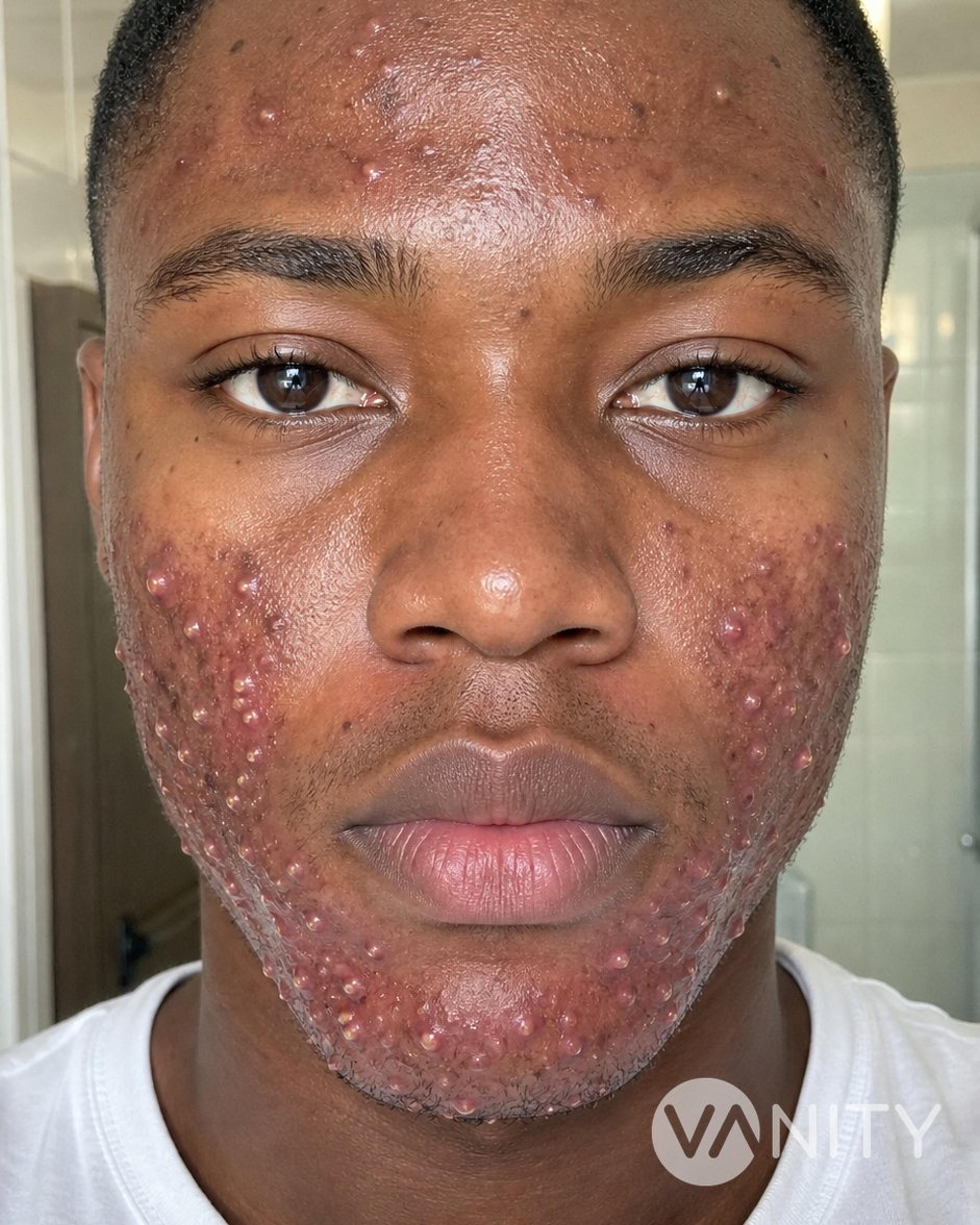
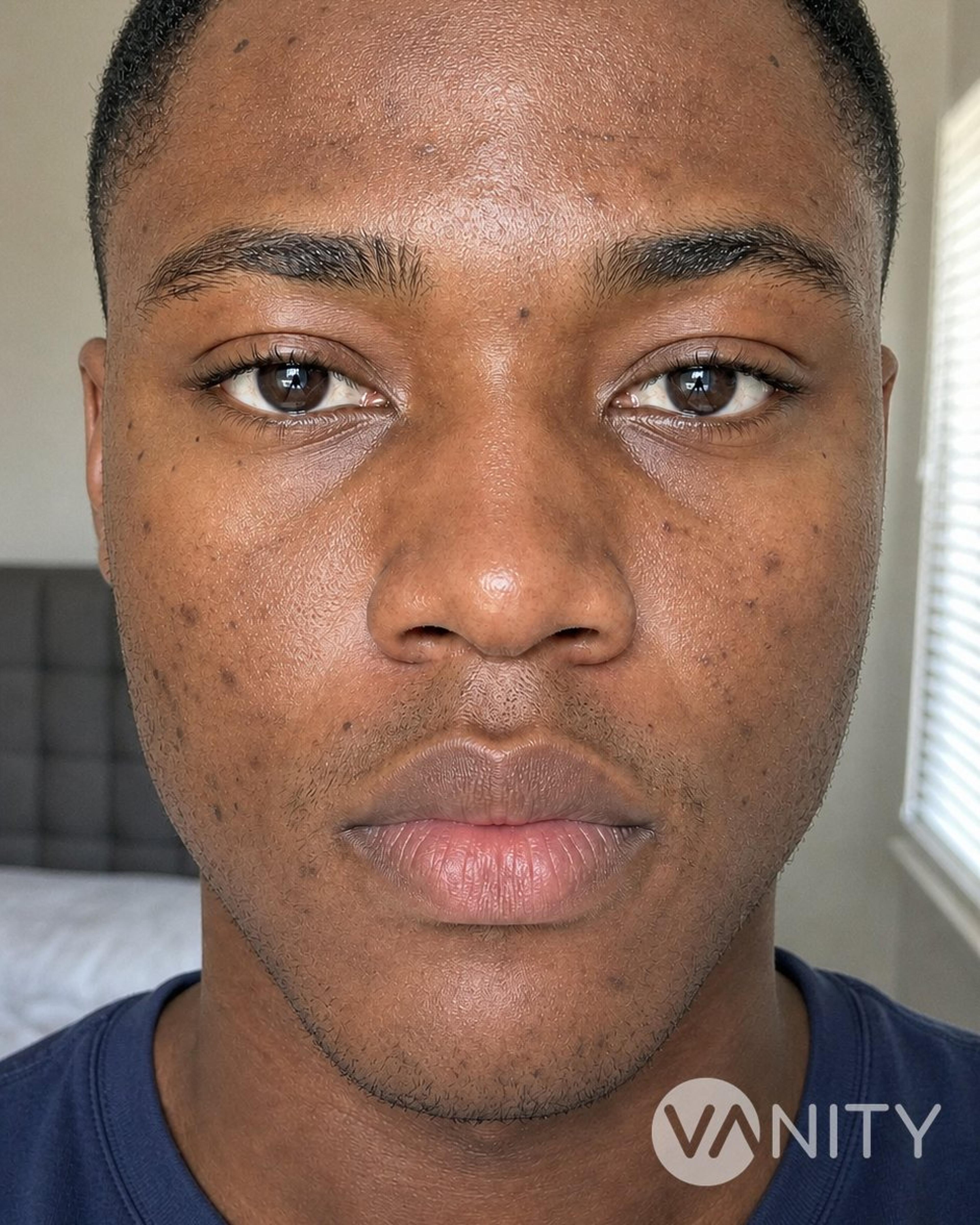




Ozone therapy: what it is
Ozone therapy uses ozone — oxygen in a three-atom form, made by passing medical oxygen through an electrical discharge generator — as a controlled oxidative stimulus. It reaches the body in measured doses and by several routes: as an ozonated oil on the skin, as ozone-saturated water, as gas sealed around a limb inside a bag, as a small injection into the dermis, or by drawing blood, exposing it to an oxygen-ozone mixture in a closed system and returning it. The proposed mechanism is that a mild, deliberate oxidative load switches on the body's own antioxidant response, dampens inflammation, improves tissue oxygenation and prompts fibroblasts to do more repair work than they otherwise would.
In dermatology it is used mainly where a wound or an inflammatory process is not settling — chronic ulcers, slow surgical wounds, inflammatory acne, nail and skin fungal infection, some scarring. It is not a rejuvenation treatment, whatever it is sold as elsewhere: no controlled trial has tested ozone against skin ageing, and we will not tell you that it lifts, tightens or builds collagen. If skin quality is what brought you here, we would rather spend the appointment on the treatments that have actually been measured.
Ozone therapy: techniques we use
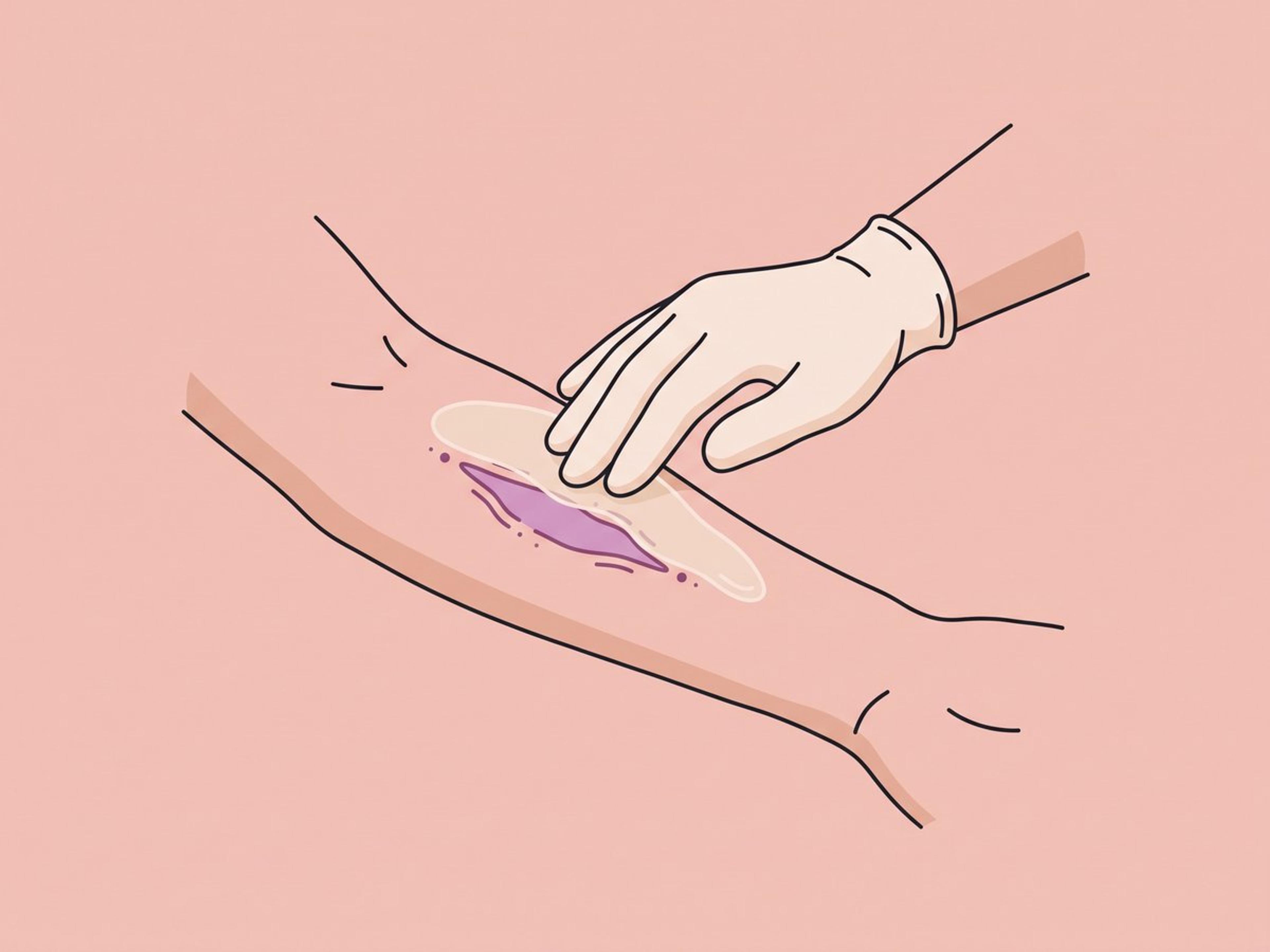
Olive or sunflower oil is bubbled with ozone until stable ozonides form, then applied to the skin as an ointment. This is the best-supported route — a 2020 review in Medical Gas Research found reduced microbial load, easier debridement, a shorter inflammatory phase and more angiogenesis in cutaneous wounds. The same review noted that the human trials behind those findings frequently lacked randomisation, blinding and a sample-size calculation, so the direction of the effect is more convincing than its size.
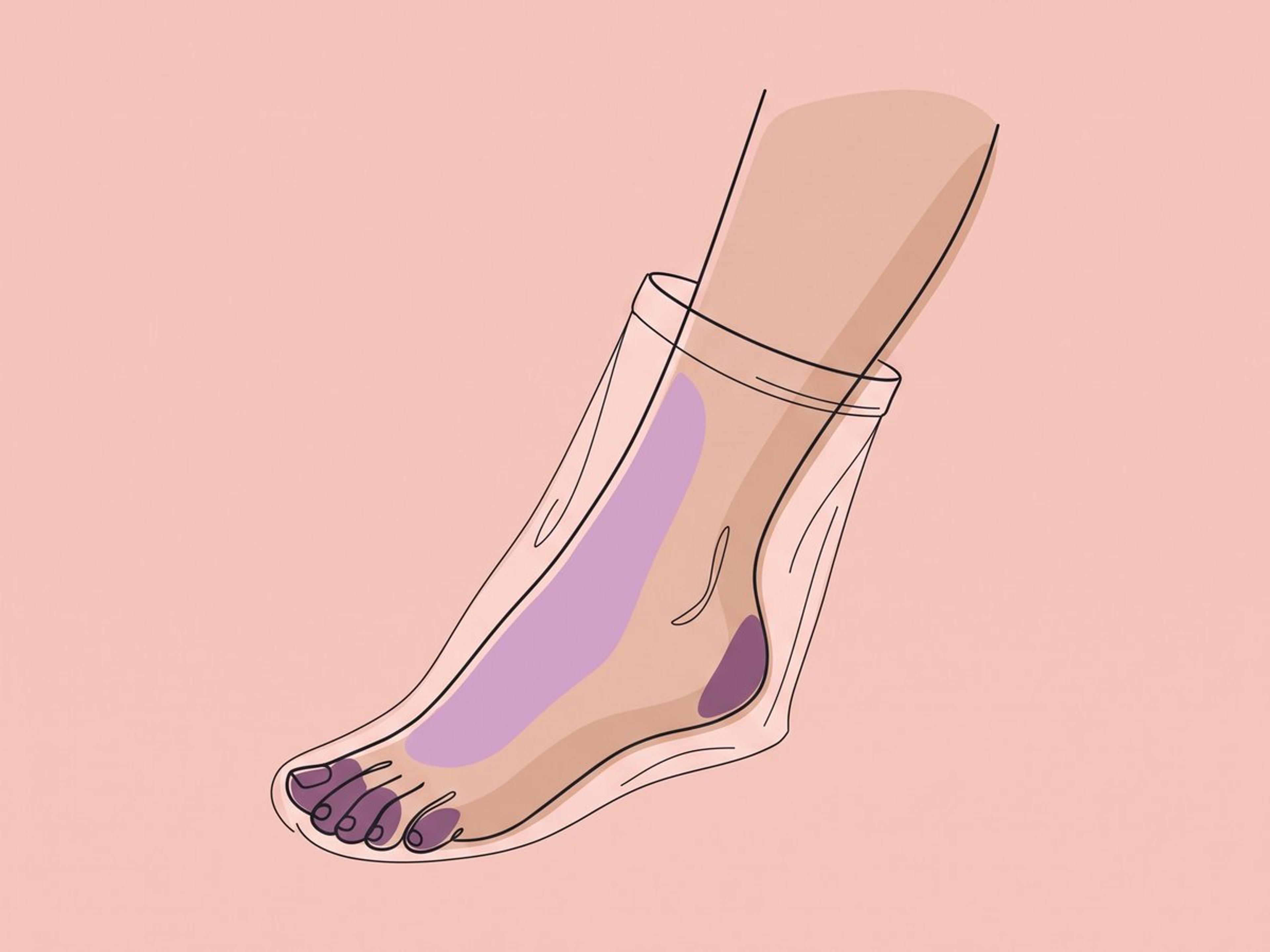
The treatment area is sealed inside a plastic bag or boot and flooded with an oxygen-ozone mixture at a fixed concentration, or immersed in ozone-saturated water. Contact stays local, and the gas is evacuated and destroyed at the end of the session so none of it is inhaled. This route belongs to ulcers, onychomycosis, tinea pedis and infected wounds — not to cosmetic skin quality.
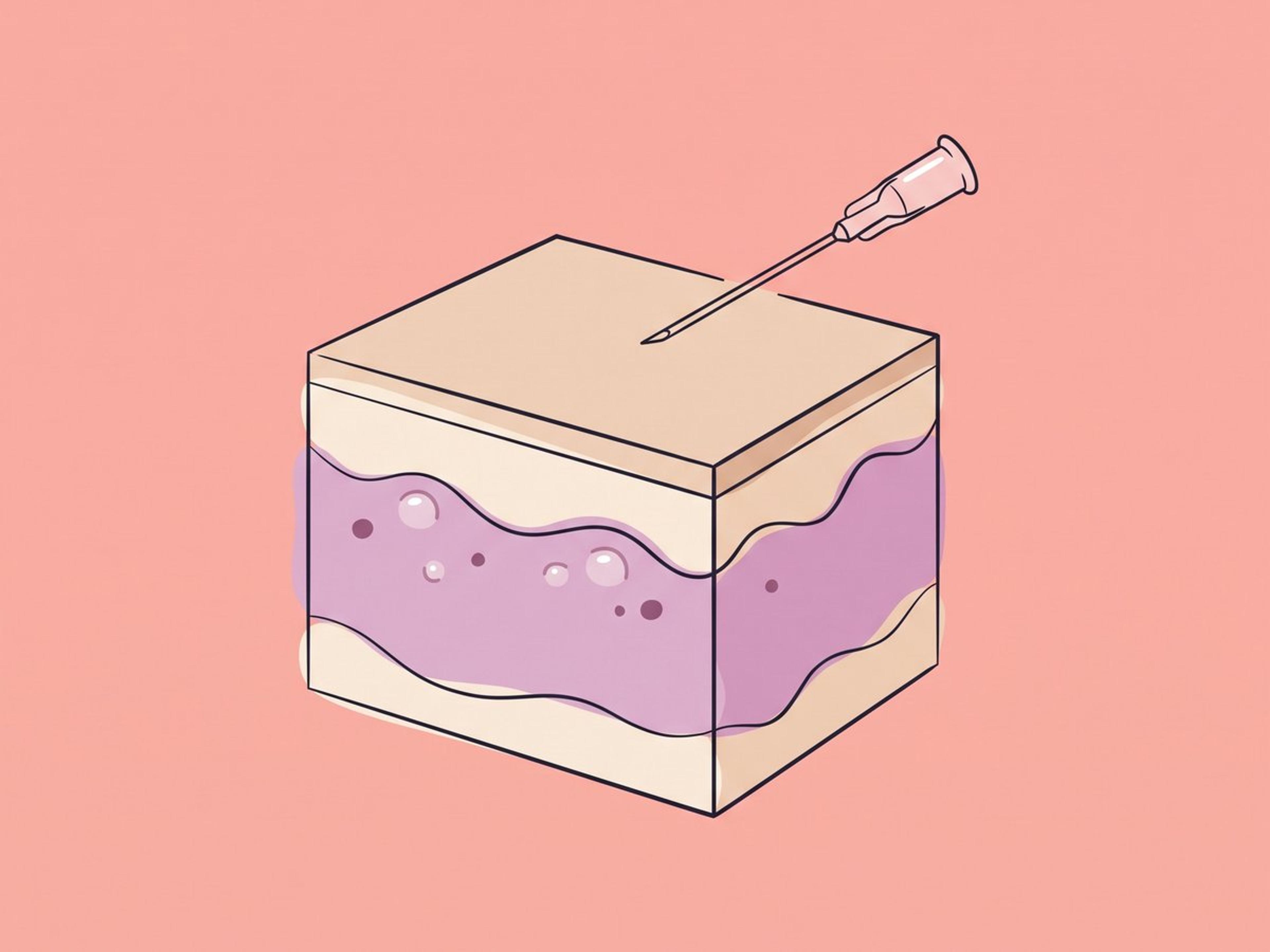
Small volumes of oxygen-ozone gas are injected into the dermis or the plane just beneath it, often marketed as ozone mesotherapy for scars, cellulite, localised fat and laxity. Trial data for those indications are sparse — the 2022 systematic review in the Journal of Clinical and Aesthetic Dermatology found no studies of ozone for skin ageing at all. Introducing gas directly into vascularised tissue also carries the highest risk profile of any delivery route, which is why we treat it as a decision to be argued for, not a default.
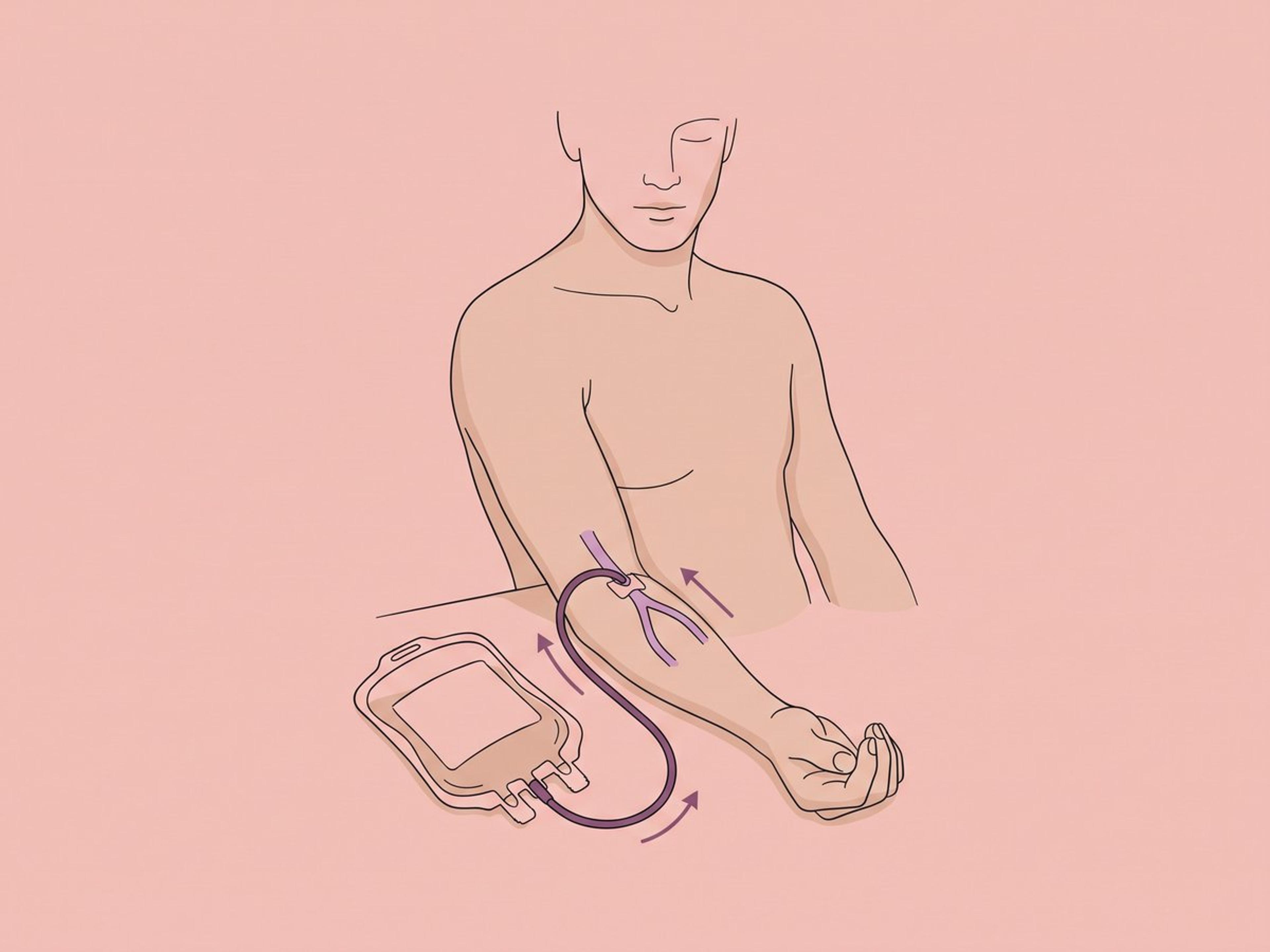
Between 50 and 100 mL of your blood is withdrawn into a closed system, exposed to a measured oxygen-ozone mixture and reinfused intravenously. Fatigue after the first sessions is common, reported in 20 to 30 percent of patients, alongside transient tingling of the lips and tongue from the citrate anticoagulant and, less often, rash or a drop in blood pressure attributed to plasticisers leaching from PVC bags. Direct intravenous injection of ozone gas is a different thing entirely — it has caused fatal gas embolism, it is not an accepted technique, and it is not performed here.
A session, step by step
Diagnosis and screening
We confirm what is actually being treated and what the conventional first-line treatment for it is, then screen for G6PD deficiency, pregnancy, cardiac shunt, thyroid, bleeding and haemolytic disorders and review every medication. This is the step that decides whether the session happens at all — most of ozone's documented harm traces back to it being skipped.
Dose fixed in writing
Route, ozone concentration in micrograms per millilitre and volume per session are settled and written down before anything is delivered. Ozone has a narrow therapeutic window, so an unstated dose is the difference between a stimulus and an injury — and it is the omission most often blamed in reported serious events.
Generator and circuit checked
Medical oxygen is passed through a calibrated generator running ozone-resistant tubing, glass or ozone-resistant syringes and a destructor unit on the line, so room air stays below the 0.05 ppm ceiling set in FDA regulation 21 CFR 801.415. Ozone cannot be stored or bought ready-made — it is generated at the chair minutes before use, which is why the equipment matters more here than in most treatments.
Delivery by the agreed route
Topical ozonated oil, a sealed limb bag or an ozonated water bath takes roughly 20 to 40 minutes and keeps contact local, with the gas evacuated and destroyed at the end so none is inhaled. Autohaemotherapy takes longer: 50 to 100 mL of your blood is withdrawn, exposed to the mixture and reinfused through a line that stays closed throughout, because gas is never injected directly into a vessel.
Observation before you leave
You stay and are watched rather than discharged at the door. The serious events described in the literature — gas embolism, ischaemic stroke, a hypotensive reaction on reinfusion — declare themselves during the session or within minutes of it, so that hour is where the safety actually sits.
The course, and an agreed point to stop
Published dermatology protocols run 2 to 3 sessions a week to a total of 6 to 10, with outcomes assessed at 7 to 30 days. We fix that assessment point in advance — if the ulcer, lesion or scar has not measurably changed by it, the course stops rather than extends.
Ozone therapy: recovery week by week
- First few hours
The observation period, and the window in which anything serious would appear. Warmth, redness or dryness where an oil or gas bag was used, tenderness at an injection site and a small pocket of gas under the skin that resorbs are all expected. There is no wound, dressing or anaesthetic, so normal activity — exercise included — is unrestricted the same day.
- Day 1
Nothing about the procedure restricts flying, but we prefer you travel a day later so the hours in which a delayed airway reaction could declare itself are spent in Istanbul rather than in the air. After autohaemotherapy, fatigue in the first sessions is common and bruising at the venepuncture site is unremarkable.
- Week 1
Two to three sessions in, if you are following a published dermatology schedule. Early fatigue after systemic routes usually settles as the course goes on, and the treated lesion is unlikely to have changed yet — at this point that is expected, not a failure.
- Weeks 2–4
The window the trials actually measured: outcomes in the dermatological literature were assessed at 7 to 30 days. If ozone is doing anything for a wound or ulcer it should show here as less exudate, cleaner tissue and a smaller area — photographed and measured, not judged by impression.
- Weeks 6–8
A full course of 6 to 10 sessions is finished and the agreed assessment falls due. If the target has not measurably improved, the honest conclusion is that ozone is not the treatment for it — extending the course is the commonest way a treatable condition gets left to run.
Ozone therapy: how to prepare
- Bring the diagnosis, not the request. Tell us what is being treated — the ulcer, the acne lesion, the scar — and bring the notes, photographs or swab results that go with it, so we can say whether ozone has any business being in the plan.
- Ask what the conventional first-line treatment for your condition is, and why it is not being offered first. If that question has no clear answer, the answer is not ozone.
- Be screened for glucose-6-phosphate dehydrogenase (G6PD) deficiency before any systemic route. Without the reducing capacity to buffer an oxidant load, ozone can trigger haemolysis.
- Tell us if you are pregnant, hyperthyroid, thrombocytopenic, cardiovascularly unstable, or have a known cardiac shunt or patent foramen ovale, a bleeding disorder, a haemolytic disorder, uncontrolled hypertension or a recent cerebral haemorrhage. The Turkish Ministry of Health lists these as contraindications.
- List every medication. ACE inhibitors have been associated with marked hypotension on reinfusion after autohaemotherapy, and anticoagulant or antiplatelet therapy changes the calculation before any injection route.
- Ask for the route, the ozone concentration and the volume per session in writing before the first appointment, and keep it.
- Confirm the generator is medical grade, fed by pure medical oxygen with calibrated concentration output, running ozone-resistant tubing and glass or ozone-resistant syringes, with a destructor unit on the line so room air stays below the 0.05 ppm ceiling set in FDA regulation 21 CFR 801.415.
Ozone therapy: risks
Every operation carries risk. We name them so you can ask the right questions.
- Gas embolism, the most serious risk, and specific to routes that place ozone inside a vessel or deep tissue. Documented consequences include ischaemic stroke, myocardial infarction and death; a 2024 case report in BMJ Neurology Open described cerebral gas embolism and multifocal ischaemic stroke during intradiscal oxygen-ozone injection in a patient with a patent foramen ovale, where the gas bypassed the lungs.
- Pulmonary injury from inhalation. Ozone irritates mucous membranes and can cause pulmonary oedema whose onset is delayed by hours, so how you feel during exposure is not a reliable warning; repeated exposure is linked to chronic airway disease.
- Local tissue damage from excessive concentration or dose — burning, blistering, contact irritation and worsened oxidative injury. Ozone is a strong oxidant with a narrow therapeutic window, and more is not better.
- Systemic reactions after autohaemotherapy: fatigue in 20 to 30 percent of patients early in a course, transient hypocalcaemic tingling from citrate, nausea and metallic taste, and erythematous rash with hypotension attributed to sensitisation to PVC plasticisers.
- Haemolytic crisis in G6PD deficiency, where the reducing capacity needed to buffer an oxidant load is absent.
- Infection and injection-site complications, including haematoma and abscess, and in isolated reports fatal septic shock following injection with non-sterile technique.
- Delay. The most likely harm from ozone is not the ozone — it is a treatable condition left to run while a course of sessions is completed. The Ministry of Health regulation ozone is practised under in Türkiye requires the practitioner to state plainly that it cannot replace standard treatment, and that is the honest position.

Ozone therapy in Turkey: what to expect
Ozone therapy is a licensed practice in Türkiye, which is not the same as a proven one. It sits under the Ministry of Health's 2014 Traditional and Complementary Medicine Regulation — a framework that permits it, defines who may deliver it, and requires the practitioner to say out loud that it does not replace standard treatment. The travel logistics here are trivial. The clinical due diligence is not, and that is where we would spend your preparation.
Before you fly
Ask for two documents rather than two claims: the physician's ozone certificate registered with the Ministry of Health, and the authorisation of the unit where the session will take place. Only a certified physician may perform the application — nurses and other health personnel may assist under supervision but may not deliver it, and dentists are permitted only within dentistry.
At the clinic
The session is ambulatory. Topical, bagging and water routes take roughly 20 to 40 minutes; autohaemotherapy takes longer, because the blood has to be drawn, treated and returned through a closed line. You will be asked to stay and be observed afterwards, and the observation is the point — the serious events described in the literature, gas embolism and ischaemic stroke among them, present during the procedure or within minutes of it, not days later. We would rather you left an hour later than felt hurried out.
Recovery in Istanbul
There is no recovery in the surgical sense: no wound, no drain, no dressing, no general anaesthetic. Plan on 1 day and 1 hotel night, with no scheduled follow-up visit. You may see transient redness, warmth or dryness where an ozonated oil or gas bag was used, tenderness at an injection site, or a small pocket of gas under the skin that resorbs within hours; after autohaemotherapy, fatigue in the first sessions is common, and bruising at the venepuncture site or a metallic taste is unremarkable. Blistering, spreading redness or burning is not expected — call us on 0850 441 54 44 rather than waiting for your flight.
Heading home
Nothing about the procedure restricts flying. The immobility, haematoma and cabin-pressure rules that follow body and facial surgery do not apply, because none of what drives them is present. Same-day travel is physiologically possible; we prefer you fly 1 day later, so the hours in which a serious reaction would declare itself are spent in Istanbul rather than in the air. If your plan calls for a course, agree before you leave what happens in the weeks you are not here — which sessions are deferred, at what interval, and who is delivering them.
Ozone therapy: frequently asked questions
Is ozone therapy approved?
Not in the United States. FDA regulation 21 CFR 801.415 states that ozone is a toxic gas with no known useful medical application in specific, adjunctive or preventive therapy, and sets 0.05 parts per million as the maximum acceptable level in air from a device; no ozone generator is approved or cleared for therapeutic use in people. In Türkiye the position is different but narrow — ozone therapy is a licensed practice under the Ministry of Health's 2014 Traditional and Complementary Medicine Regulation, which permits it and, in Article 8(4), requires the practitioner to state clearly that it cannot replace standard treatment.
Does ozone therapy actually work on skin?
The evidence is limited and mostly of low quality. A 2022 systematic review of 17 studies and 643 patients found ozone promising for short-term use in ulcers and scarring, but only one of those studies was rated good quality and none examined skin ageing at all. A second 2022 review of 18 trials concluded it may serve as an alternative in refractory cases, while three of its trials — in cutaneous leishmaniasis, skin ulcers and burns — showed no effect.
What is an ozone facial, and is it the same thing?
An ozone facial usually means topical ozonated oil or ozonated water on facial skin, sometimes under a localised gas hood. It is the lowest-risk route and the one with the most supportive wound-healing literature, but no controlled trial has shown that it reduces wrinkles or improves measured skin quality. The collagen and rejuvenation claims come from mechanistic reasoning and uncontrolled case series, not from randomised evidence.
How many sessions will I need, and can I do them in one trip?
Published dermatology protocols run 2 to 3 sessions a week for a total of 6 to 10, with outcomes measured at 7 to 30 days, and the best-characterised protocol in the wider literature — intra-articular ozone for knee osteoarthritis — runs weekly for 3 to 8 sessions. Neither schedule fits inside a normal one-week medical trip. Compressed schedules are common commercially but are not the intervals the trials used, so ask what is proposed for the weeks you are not in Istanbul before you book anything.
What are the most serious risks?
Gas embolism, which is specific to routes that put ozone inside a vessel or deep tissue and has caused ischaemic stroke, pulmonary embolism and death. Inhalation is second: ozone irritates mucous membranes and can produce pulmonary oedema hours after exposure, with no reliable warning symptom. A 2025 commentary in the surgical literature attributes reported serious events to absent imaging guidance, unstated concentration and volume, and inadequate procedural standardisation rather than to the agent alone.
Who should not have ozone therapy?
Anyone with G6PD deficiency, where the oxidant load can trigger haemolysis, is the clearest exclusion. Pregnancy, hyperthyroidism, thrombocytopenia, serious cardiovascular instability, uncontrolled hypertension, recent cerebral haemorrhage, a known cardiac shunt and current ACE inhibitor therapy are also listed as contraindications or limitations. If you have asthma or another chronic airway disease, avoid any protocol carrying inhalation risk.
How much does it cost in Istanbul?
Between €40 and €200 a session, depending on route: the lower end is a single local or intra-articular gas injection, the upper end a systemic protocol such as major autohaemotherapy or extracorporeal blood ozonation at a private clinic. Ozone is priced per session rather than as a package, so a course costs a multiple of that figure — ask for the course price, not the session price. No professional society survey or official statistic publishes ozone pricing for Türkiye, so this range is our editorial knowledge rather than a sourced number.
What should make me call the clinic after a session?
Cough, chest tightness or breathlessness in the hours afterwards, because ozone irritates the airways and the pulmonary oedema described in the literature can begin hours after exposure rather than during it. Sudden headache, visual change, one-sided weakness or slurred speech after any injection or infusion route, because gas embolism presents as a stroke and needs an emergency department, not a message in the morning. Locally: blistering, spreading redness, increasing pain or discharge at a treated site. Warmth and redness for a few hours, a small gas pocket that resorbs, bruising at the venepuncture site and fatigue after the first autohaemotherapy sessions are expected and are not reasons to call. Our number is 0850 441 54 44; for breathing or stroke symptoms call 112 first.
Does ozone therapy detoxify the blood or boost the immune system?
No, and the reason is worth being precise about. Detoxification is not a measurable clinical endpoint, and the proposed mechanism of ozone is close to the opposite of cleansing — a small, deliberate oxidative load meant to provoke the body's own antioxidant response. Ozonating blood has not been shown to raise tissue oxygen delivery in any way that changes an outcome, and in July 2025 the FDA issued a warning letter to a manufacturer of ozone and extracorporeal blood ozonation devices over claims of exactly this kind. Ozone offered for immunity, longevity, detox or an unspecified chronic condition is a marketing claim rather than a clinical one.
Does ozone help knee or joint pain?
Joints are the indication with the strongest data behind it, which is not saying a great deal. A 2024 umbrella review in Frontiers in Physiology, pooling systematic reviews of intra-articular ozone for knee osteoarthritis, found short-term improvement in pain and function against placebo, with the certainty of evidence rated low to very low and comparisons against the injectables already in routine use — corticosteroid, hyaluronic acid, platelet-rich plasma — inconsistent. That makes it a musculoskeletal decision, taken with the clinician managing the joint, rather than part of the dermatological indications this page covers.
How much does ozone therapy cost in Turkey?
€40 to €200 with us, confirmed after a consultation rather than quoted blind. Per session, and the figure depends on the route of administration. Ozone therapy is licensed in Turkey, which is not the same as proven — we would rather say so than price it as a cure.
Sources
- [1]Warning Letter: O3UV, LLC (ozone/UV blood irradiation and EBOO devices) · U.S. Food and Drug Administration · 2025
- [2]Efficacy and safety of ozone therapy for knee osteoarthritis: an umbrella review of systematic reviews · Frontiers in Physiology (PubMed Central) · 2024
- [3]Ozone Therapy for Dermatological Conditions: A Systematic Review · The Journal of Clinical and Aesthetic Dermatology (PubMed Central) · 2022
- [4]Effectiveness and Safety of Ozone Therapy for Dermatological Disorders: A Literature Review of Clinical Trials · Indian Journal of Dermatology (PubMed) · 2022
- [5]Cerebral gas embolism and multifocal ischemic stroke during oxygen-ozone therapy: a case report · BMJ Neurology Open (PubMed Central) · 2024