


Penis enlargement: what it is
Fat is taken from your lower abdomen or flank by liposuction, washed or spun to remove blood, oil and fluid, then laid down in small amounts through a blunt cannula in the layer between the penile skin and Buck's fascia. Because the graft sits outside the tunica albuginea and the erectile bodies, it changes external circumference and nothing else — erections, urination and stretched length work as they did before. Published series report circumference gains clustering around 2–3 cm at short follow-up; in a single-centre series of 355 men, resting circumference rose from 8.3 cm to 11.5 cm at 2 months and settled at 11.06 cm at 12 months, with greater than 30% fat loss in 5.9% of patients.
Most men who ask for this measure within the normal range — pooled figures put mean flaccid circumference at about 9.31 cm and erect circumference at about 11.66 cm — and what they are describing is more often small penis anxiety or penile dysmorphic disorder than an anatomical deficiency. We say that first, because it is true, and because counselling alone changes a substantial share of minds. The 2026 BAUS consensus document, drawn from 36 studies and 3,748 patients, recommends against surgical techniques for penile augmentation and against injectable fillers, citing low-quality evidence and the severity of the reported complications. Where we do operate, it is after formal psychosexual assessment, objective baseline measurement, and a consent conversation that names resorption, nodules and the likelihood of a second operation.
Penis enlargement: techniques we use
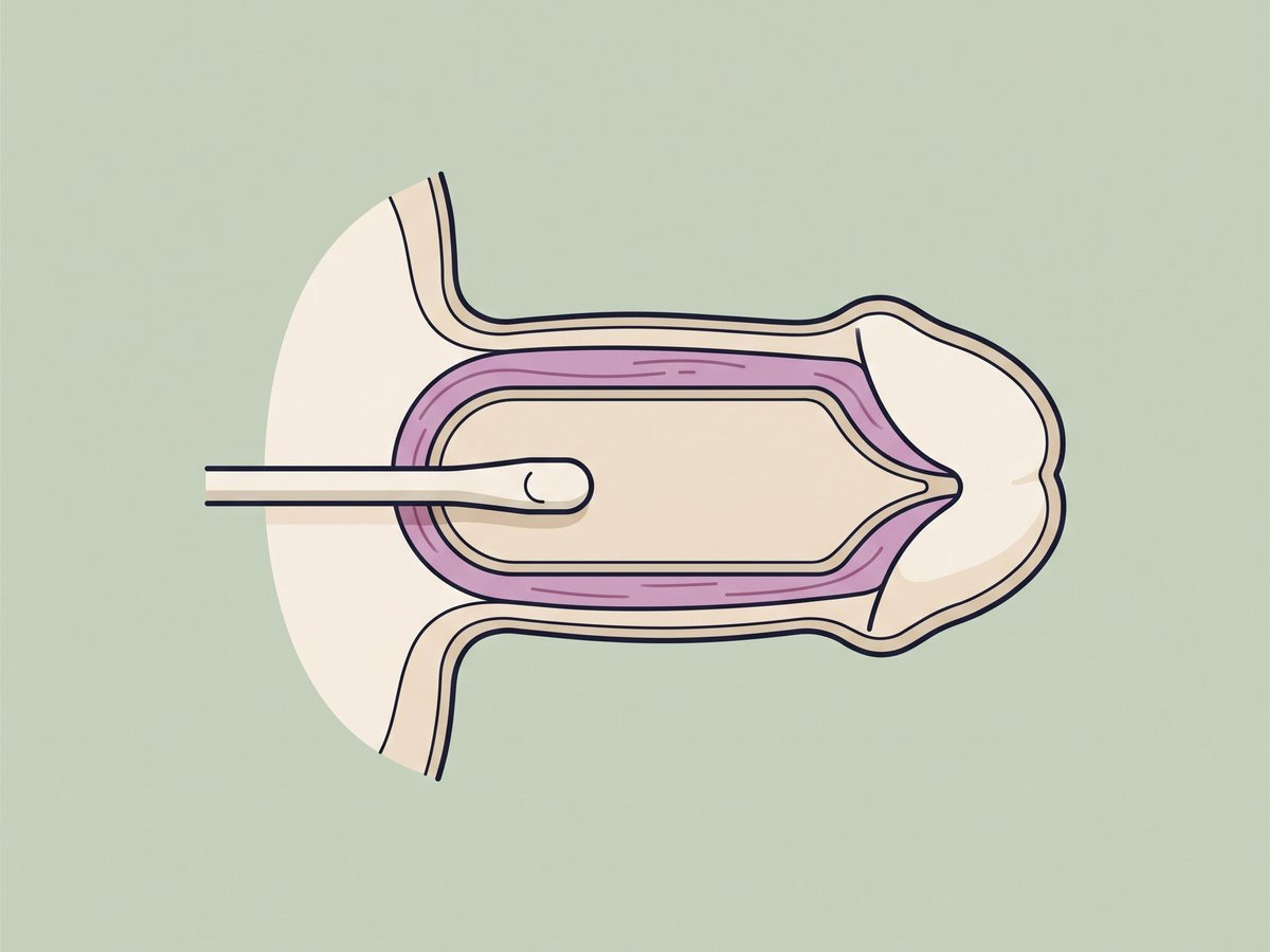
The mainstream approach. Purified lipoaspirate is injected through a blunt-tip cannula into the subdartos space through small access incisions at the penopubic junction or coronal sulcus, then moulded circumferentially along the shaft. Grafting is deliberately kept superficial to Buck's fascia so the neurovascular bundle and the tunica albuginea are never entered; reported volumes are in the range of 40–80 mL of processed fat.
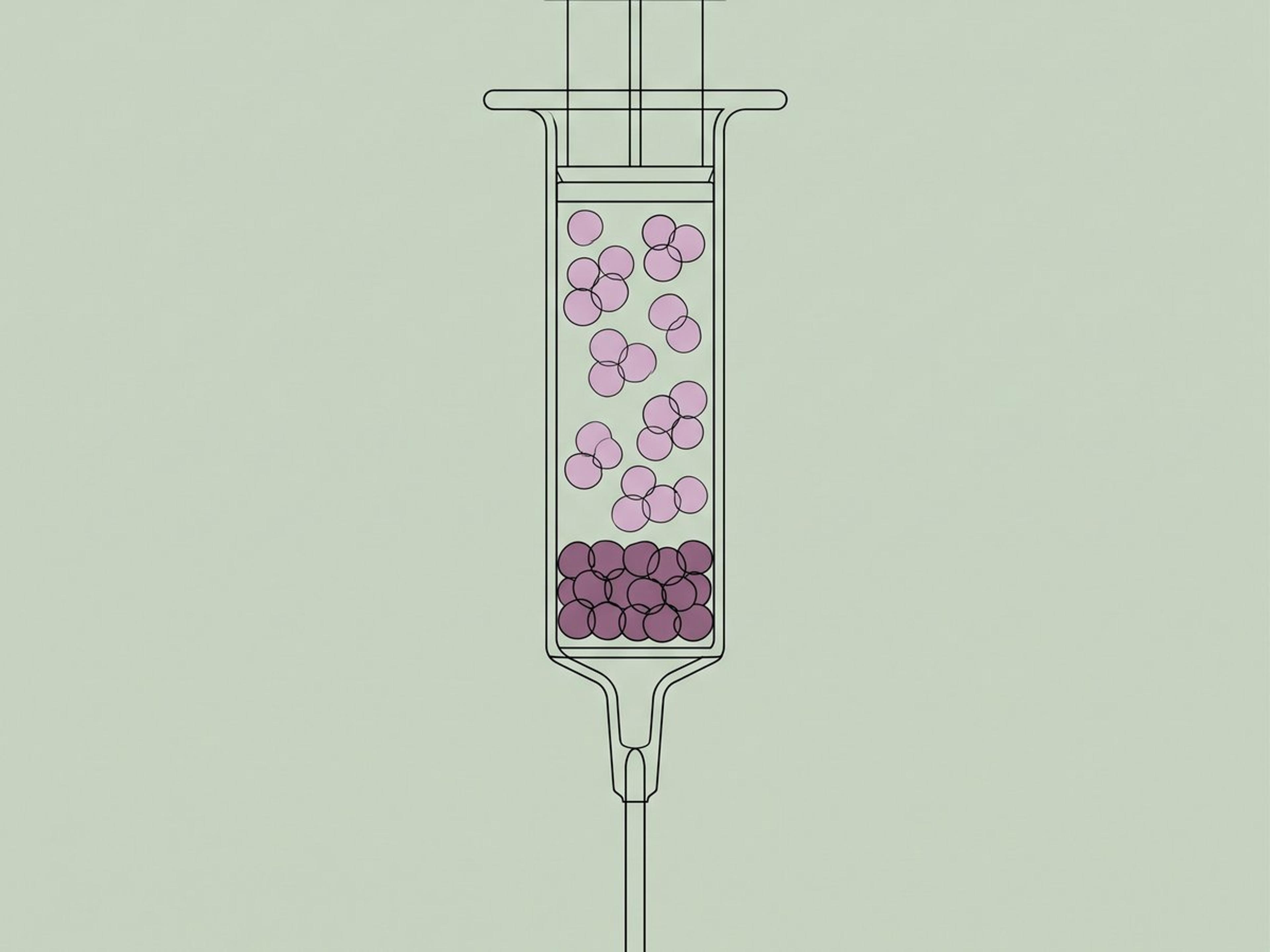
Fat is harvested at low negative pressure through small-bore cannulae and processed by decantation, washing, centrifugation or closed-membrane filtration to concentrate viable adipocytes and remove lysed cells, oil and lidocaine. The point is graft survival: across body sites, reported retention ranges roughly 26–83%, pooling near 47% at 3–12 months. Small-aliquot, multi-tunnel deposition rather than a single bolus keeps the graft in contact with a blood supply and reduces central fat necrosis.
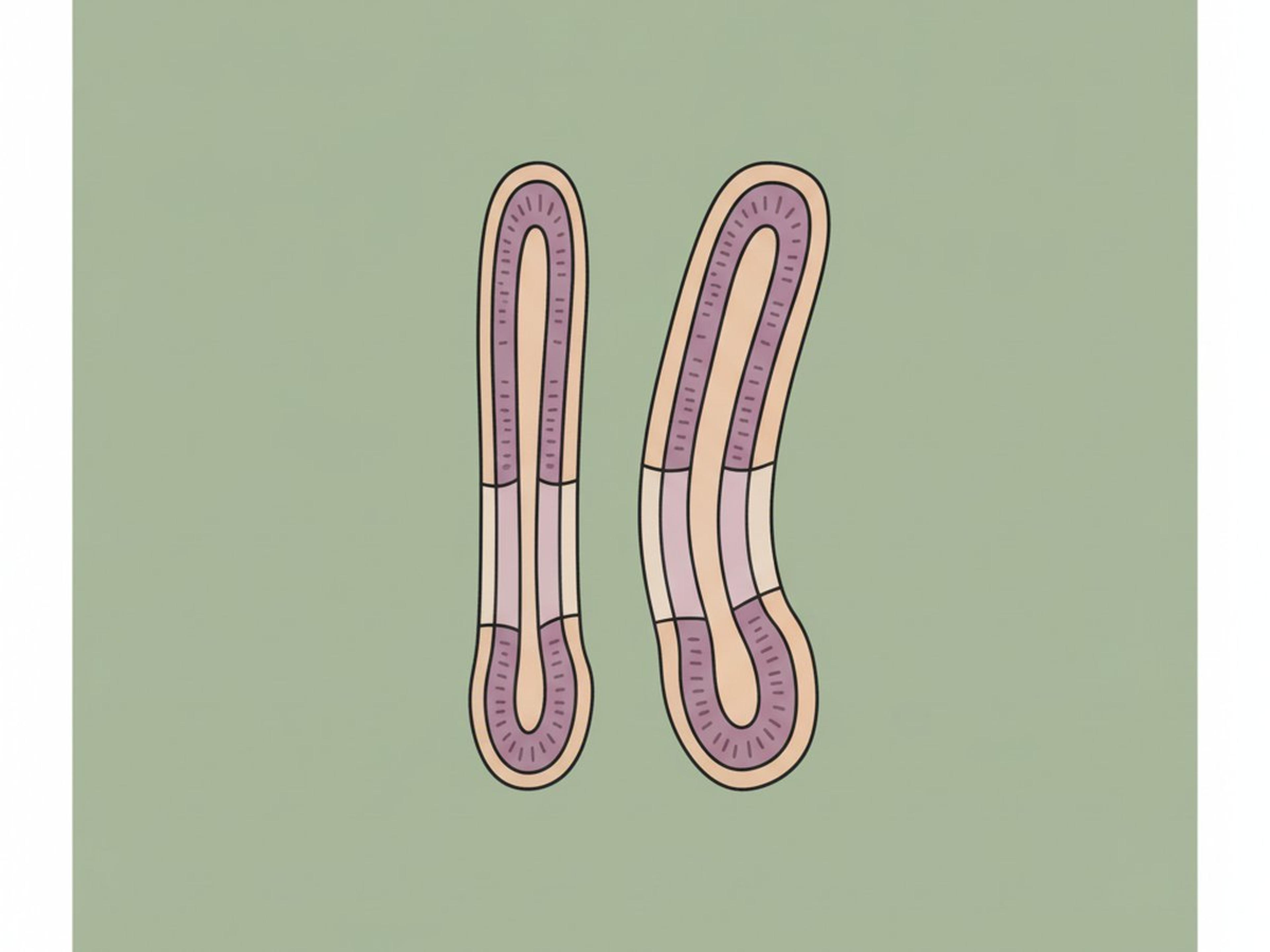
Because an unpredictable fraction of the graft is reabsorbed, we would rather plan a second session at 6–12 months than overfill at the first operation. Overfilling is associated with fat necrosis, palpable nodules and contour irregularity, so staging trades a longer timeline for lower complication risk. You should hear this before you consent, not after: one operation may not be the final operation.
From assessment to discharge, step by step
Assessment before consent
Flaccid and stretched length, flaccid and erect circumference are documented with standardised photography, and a validated instrument such as the COPS-P scale screens for penile dysmorphic disorder. This stage decides whether we operate at all — men whose measurements are normal and whose distress is dysmorphic tend to be worse off after surgery, not better.
Anaesthesia and donor harvest
Under general or spinal anaesthesia, fat is taken from the lower abdomen or flank at low negative pressure through small-bore cannulae. Suction pressure and cannula size are not trivia: adipocytes sheared at harvest are dead before they are ever injected, and no later technique recovers them.
Processing the lipoaspirate
The harvested fat is washed, decanted, centrifuged or filtered through a closed membrane to strip out blood, oil, lysed cells and residual local anaesthetic. Only concentrated viable fat is worth injecting — the fluid fraction adds girth on the operating table that is gone within weeks.
Grafting the subdartos plane
Through small access incisions at the penopubic junction or coronal sulcus, the fat is laid down in small aliquots through a blunt cannula and moulded circumferentially along the shaft; reported volumes run 40–80 mL. Deposition stays superficial to Buck’s fascia, so the neurovascular bundle, the tunica albuginea and the erectile bodies are never entered — which is why erections, sensation and urination are unchanged. We stop deliberately short of the girth you asked for rather than overfilling, because fat packed beyond the reach of a blood supply becomes necrosis and palpable nodules.
One inpatient night, then discharge
A light compressive dressing goes on the shaft and a compression garment on the donor site, and you stay one night on the ward. You leave the following day with a wound check booked for day 2–3, because the access incisions and the donor site are where an early infection declares itself.
Penis enlargement: recovery week by week
- Day 1
The shaft is bulky, swollen and bruised under a light compressive dressing, and the donor site at your abdomen or flank is sore under a garment. A urinary catheter is not routine. Oral painkillers are usually enough, and erections are uncomfortable but not dangerous to the graft at this stage.
- Week 1
Dressings come down and we inspect the small access incisions. Swelling and bruising peak in the first few days and then begin to settle — the shaft still looks considerably larger than the eventual result, and we will ask you not to judge it yet. Most desk-based work resumes in this window; the graft is still building a blood supply, so no pressure, no traction devices, no cycling and no sexual activity.
- Weeks 2–4
Walking and desk work are fine; the gym is not. Hold off on running, cycling, core and lower-body training and anything that presses on the shaft until around week 6 — shear and pressure on fat that is still revascularising is what turns graft into necrosis and nodules. The donor-site garment stays on essentially full time through the first month, and as swelling falls away the shaft looks smaller than it did on day 7; that is the graft settling, not failing.
- Week 6
Sexual activity and masturbation are generally permitted around now — Cleveland Clinic patient education notes the wait for the more invasive penile procedures may be as long as 6 weeks. Swelling has largely resolved, so this is the first honest assessment of contour, symmetry and any lumps you can feel. Early nodules are either softening or declaring themselves as fat necrosis.
- Month 6
The bulk of resorption has happened. Published series show measurable fat loss by 6 months, with a positive correlation between the volume injected and the girth retained. The circumference measured now approximates the durable result, and this is the earliest reasonable point to discuss a second grafting session.
- Month 12
The settled endpoint in the published series. In the 355-case cohort, resting circumference at 12 months was 11.06 cm against a pre-operative 8.3 cm, slightly below the 11.5 cm recorded at 2 months. Residual nodules or contour irregularity still present at a year are unlikely to resolve without revision surgery.
Penis enlargement: how to prepare
- Complete a formal psychosexual assessment using a validated instrument such as the COPS-P scale, so that penile dysmorphic disorder and small penis anxiety are distinguished from anatomical concern before any surgical discussion
- Have objective baseline measurements documented — flaccid and stretched length, flaccid and erect circumference — with standardised photography, so change is later judged against numbers rather than impression
- Confirm an adequate donor site: the harvest needs sufficient fat at the lower abdomen or flanks, and very low body fat may force a smaller graft volume or make the procedure impractical
- Stop nicotine, and stop anticoagulants and antiplatelet agents on medical advice, in advance — nicotine impairs graft revascularisation and is associated with poorer fat retention
- Read and sign consent that names fat resorption, nodule formation, the likely need for a second procedure, and the fact that consensus bodies including BAUS currently recommend against surgical penile augmentation on evidence-quality and safety grounds
Penis enlargement: risks
Every operation carries risk. We name them so you can ask the right questions.
- Graft resorption and volume loss — retention is unpredictable, greater than 30% fat loss was recorded in 5.9% of patients in a 355-case series, and repeat grafting is frequently required to maintain girth
- Palpable fat nodules, oil cysts and fat necrosis — irregular residual nodules are among the most commonly reported adverse outcomes, and inflammatory nodules may need surgical excision
- Contour irregularity, asymmetry, shaft deformity and scarring — including asymmetric fat hypertrophy and atrophy, penile skin deformity and scrotalisation of shaft skin, sometimes requiring staged reconstruction
- Infection, hematoma and wound complications — reported organisms include Staphylococcus aureus and Escherichia coli, a 355-case series reported long-standing hematoma in 1.1%, and referral-centre series describe wound complications and reoperations
- Sexual dysfunction and penile fibrosis — transient reduction in erectile function was reported in 0.8% of one large series, and referral-centre and review data describe penile fibrosis, painful erection, altered sensation and sexual dysfunction after augmentation procedures
- Fat embolism — rare but catastrophic; a fatal case has been reported in a 30-year-old man after injection of 70 mL of autologous fat

Penis enlargement in Turkey: what to expect
Roughly a week in Turkey, with 1 of those nights spent with us. What follows is the logistics — what to settle before you book, what the days look like, and when it is reasonable to fly.
Before you fly
Ask for the operating surgeon's name, specialty board and genital-reconstruction experience in writing, and confirm the operation takes place in an accredited surgical facility rather than an office setting — the ICSM 2024 review notes these procedures are administered by clinicians and non-clinicians who lack formal training in reconstructive surgery of the male genitalia. Ask for an itemised quote and an explicit revision policy at the same time: who pays for an unplanned extra night, a return trip for a nodule or contour irregularity, or an infection treated after you are home. Budget for a second session too — the ICSM 2024 panel states that additional procedures will likely be required over time, so a price covering one operation is not the true cost of the result. And arrange your follow-up care at home before you leave; CDC advises medical travellers to do this in advance, carry copies of their records, and check their insurance, because most travel and health policies exclude elective cosmetic surgery abroad.
At the clinic
General or spinal anaesthesia, a liposuction harvest at the lower abdomen or flank, grafting through small access incisions, and 1 inpatient night. Sterile processing, anaesthesia standards, resuscitation capability and a route to transfusion and intensive care are what matter if something goes wrong.
Recovery in Istanbul
Plan 7 days in the city, with 6 hotel nights around your inpatient night, and 2 follow-up visits: a dressing and wound check at around day 2–3, and a final review at day 6–7 that also serves as fitness-to-fly clearance. Book a hotel within short transfer distance of the clinic — Istanbul is large and traffic-dependent, and you should not be spending an hour in a car on day 2. Loose clothing throughout, no bicycle saddle, no swimming pool or hammam while the wounds are healing, and the donor-site compression garment worn essentially continuously for the first month.
Heading home
10 days is the preferred window to fly; 7 days is the earliest reasonable departure, after the wound check. Surgery and air travel each raise venous thromboembolism risk independently, and travelling soon after an operation compounds them because you sit immobile while still hypercoagulable — CDC advises delaying air travel for 10–14 days after major surgery, and this one involves anaesthesia plus a liposuction harvest. On the flight: aisle seat, walk every 2–3 hours, calf exercises, hydration, and graduated compression stockings if you carry any additional VTE risk factor, though CDC does not recommend aspirin for this. Direct or prolonged pressure on grafted fat should be avoided for around 6 weeks, which is a second reason not to sit through a long-haul flight in the first days.
Checking a clinic in Turkey
Turkey rewrote its medical-tourism rules on 26 April 2025, replacing the 2017 regulation. Any facility treating international patients must now hold an international health tourism authorisation certificate, register on the Ministry of Health's HealthTürkiye portal, and carry complication insurance for the procedures it performs; hospitals and medical centres also had to complete TÜSKA accreditation by the end of that year. Facilities are required to publish that certification — so you can check ours, and you should check anyone else's before you pay a deposit.
With body work the questions that matter are volume and what happens overnight, because this is where going home too early causes the trouble. Ask how much is being removed or moved, whether you are admitted and for how many nights, who monitors you while you are, and whether the follow-ups are with the surgeon or with a coordinator. Ask for the named surgeon's Turkish Medical Association registration. A clinic that discharges you to a hotel the same day and clears you to fly within three is competing on price, not on care.
Most nationalities enter Turkey visa-free or on an e-Visa for a stay of this length, with a passport valid at least six months. Confirm the rule for your own passport, and build the return flight around the last clinic visit rather than fixing it in advance.
Penis enlargement: frequently asked questions
Does fat injection make the penis longer?
No. Fat is grafted into the layer around the shaft, which increases circumference only. Length is a separate operation — typically suspensory ligament release — assessed and consented separately.
How much of the injected fat survives?
Retention is unpredictable and site-dependent. Across fat grafting generally, reported retention ranges from about 26% to 83%, pooling near 47% at 3–12 months. In penile series, measurable fat loss is documented by 6 months, and one large cohort recorded greater than 30% loss in 5.9% of patients.
How much girth is actually gained?
Published short-term gains cluster around 2–3 cm of circumference. A 355-case single-centre series reported resting circumference rising from 8.3 cm to 11.5 cm at 2 months and 11.06 cm at 12 months, and a case series in a 2024 systematic review reported a 32.2% increase. Evidence quality across these studies is low and follow-up is short.
What do professional bodies say about this procedure?
They are cautious to negative, and we will not hide that. The 2026 BAUS consensus document, based on 36 studies and 3,748 patients, recommends against surgical techniques for penile augmentation and strongly against non-absorbable injectable fillers. Reviews consistently describe the evidence base as low quality, with no randomised trials and non-standardised outcome measures.
Is my penis actually small?
Most men presenting for augmentation measure within the normal range. Pooled figures give a mean flaccid length of about 9.16 cm, stretched length about 13.24 cm, flaccid circumference about 9.31 cm and erect circumference about 11.66 cm. Objective measurement before any surgical discussion is standard practice for exactly this reason.
When can I have sex again?
Generally around 6 weeks. Cleveland Clinic patient education states the wait before resuming sexual activity may be as long as 6 weeks for the more invasive penile enlargement procedures. Mechanical pressure on a graft that is still revascularising raises the risk of fat necrosis and contour irregularity.
What happens if I get lumps?
Palpable nodules from fat necrosis or oil cysts are among the most frequently reported complications. Small ones may soften over months; persistent, painful or inflammatory nodules are typically excised surgically, and extensive contour deformity may require staged reconstruction.
Will I need a second operation?
Probably. Resorption is uneven, and the ICSM 2024 panel states that additional procedures will likely be required over time. We plan a second session at 6–12 months rather than overfilling at the first, and the package price covers one operation, not two.
Who should not have this operation?
Men with untreated body dysmorphic disorder or penile dysmorphic disorder — surgery does not resolve that distress and dissatisfaction rates afterwards are high, which is why formal psychosexual assessment comes before any surgical discussion. Also excluded: active genital or skin infection, a bleeding disorder or anticoagulation that cannot be safely paused, untreated erectile dysfunction or Peyronie’s disease, and men still in adolescence. Very low body fat is a practical exclusion rather than a medical one — without an adequate donor site at the abdomen or flanks there is nothing to graft.
What symptoms mean I should contact the clinic straight away?
Fever, spreading redness, pain that worsens rather than settles after the first few days, or discharge from the access incisions — these are how graft and wound infection present, and reported organisms include Staphylococcus aureus and Escherichia coli. Call immediately for dusky or blackened penile skin, inability to pass urine, or a swelling that expands quickly, which point to vascular compromise, obstruction or haematoma. Treat calf pain, breathlessness or chest pain as an emergency wherever you are and go to hospital rather than calling us first: anaesthesia, a liposuction harvest and a flight home each raise venous thromboembolism risk on their own.
Will the difference be obvious when I am erect?
Less than most men expect, and the honest position is that it has never been measured well. Published penile fat-grafting series report resting circumference — erect outcomes are rarely recorded at all, so the 2–3 cm figures quoted everywhere describe the flaccid state. The graft sits outside the erectile bodies and does not change how they fill, so the same added tissue is a smaller proportional change against a larger erect baseline. If the goal you actually have is a different erect appearance, this is the wrong operation to pin it on.
How much does penis enlargement cost in Turkey?
€2,500 to €4,500 with us, confirmed after a consultation rather than quoted blind. Where you land depends on whether the work is girth by fat transfer, length by ligament release, or both. Transferred fat partly reabsorbs, so a second session is the usual reason a quote moves.
Sources
- [1]Techniques for Penile Augmentation Surgery: A Systematic Review of Surgical Outcomes, Complications, and Quality of Life · Medicina (Kaunas) / PubMed Central · 2024
- [2]British Association of Urological Surgeons (BAUS) consensus document on male genital augmentation and enhancement procedures · Journal of Clinical Urology (BAUS / SAGE) · 2026
- [3]Non-invasive and surgical penile enhancement interventions for aesthetic or therapeutic purposes: a systematic review · BJU International (peer-reviewed; PubMed PMID 32575166) · 2021
- [4]Complications and management of penile enhancement procedures · Translational Andrology and Urology / PubMed · 2025
- [5]Cosmetic penile enhancement surgery: a 3-year single-centre retrospective clinical evaluation of 355 cases · Scientific Reports / PubMed Central · 2019