
A “baby boob job” is an informal, non-medical term for breast augmentation planned around a modest change in fullness, proportion or symmetry. It is not a standard implant size or a guaranteed cup-size result. A subtle augmentation can look natural on your body when the plan accounts for your chest width, existing breast tissue, skin stretch, implant dimensions, profile and placement — the same volume can look quite different on different frames. Motiva Preserve can be discussed as a tissue-preservation-focused option, but suitability and the final look remain individual. Smaller implants may suit an active person seeking an understated shape, yet they still involve surgery, recovery, monitoring and the possibility of future implant surgery.
What does a “baby boob job” actually mean?
“Baby boob job” is an informal phrase, not a clinical procedure or a fixed implant size. Usually, it describes a goal: a restrained increase in breast volume that still feels in proportion with the patient’s frame. The right question is not how many cup sizes to add, but how much change will look like your real self.
Why “subtle” is about proportion, not a cup size
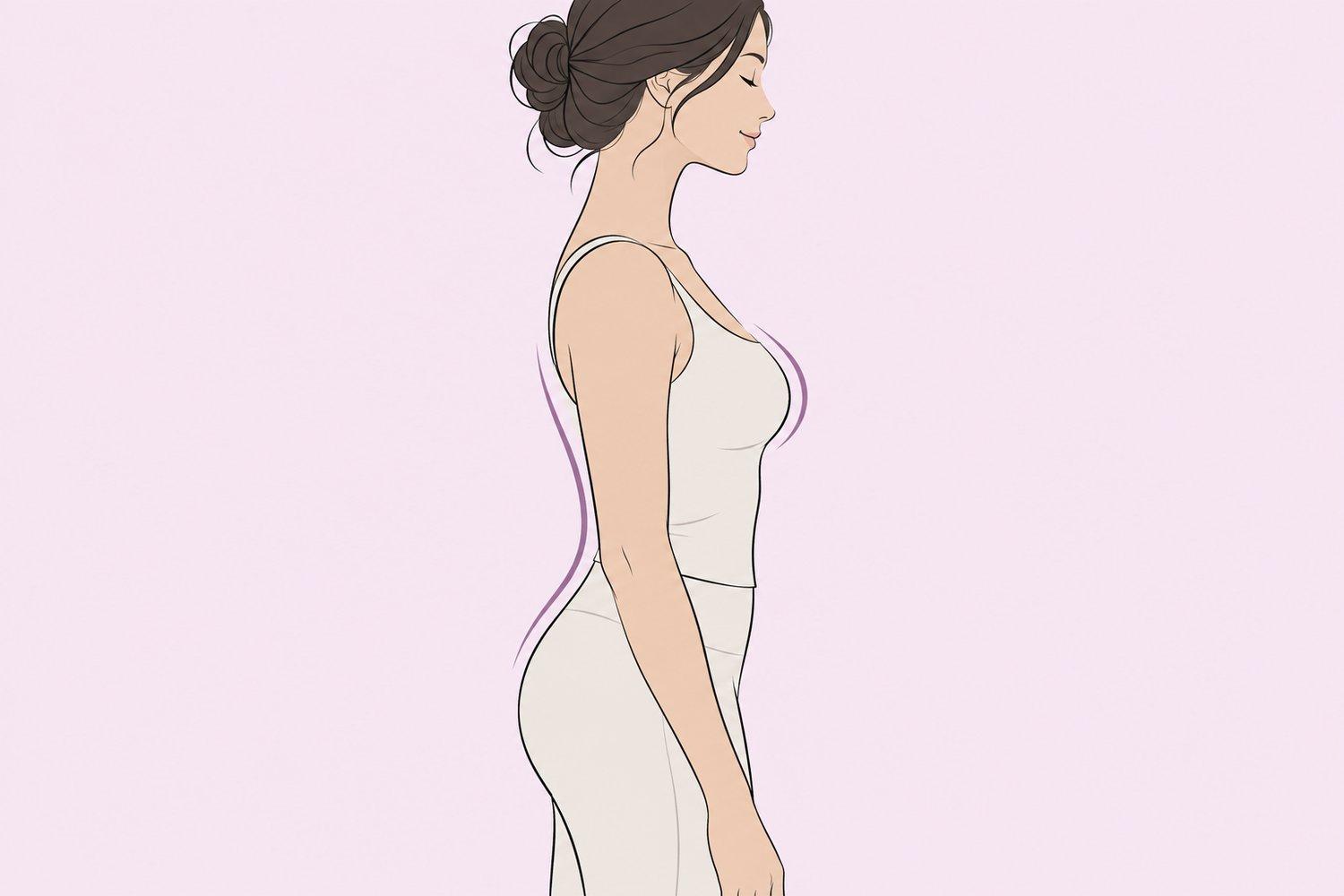
The same implant volume can look very different from one body to another. Breast width, chest shape, existing breast tissue, skin quality and implant projection all affect what is visible afterwards. Placement matters too. A surgeon considers these measurements alongside your preferences, rather than treating a cup size as a reliable plan.
A smaller-looking augmentation can suit someone who wants more fullness without changing how she dresses or moves through daily life. This may be especially relevant for people who work out regularly and prefer an understated shape. Motiva Preserve is one implant-based approach we offer; whether it is appropriate depends on your anatomy, tissue and surgical plan.
- A modest increase in upper-pole or overall fullness
- Improved perceived balance where the breasts differ slightly in size or shape
- An enhancement chosen around your frame, rather than a standard implant volume
What a modest change can and cannot correct
An implant can add volume and may improve the appearance of mild asymmetry, but it does not automatically correct significant breast droop. If the nipple position or stretched skin is the main concern, a breast lift may need to be discussed separately or alongside augmentation. The consultation should distinguish the volume you want from the shape that your existing tissue can support.
How do surgeons plan a subtle result for an active lifestyle?
A subtle breast augmentation is planned around your body, not a cup-size idea. Smaller-looking implants can suit people who train regularly because they may feel more in keeping with an understated frame and wardrobe. They do not, however, promise a particular athletic outcome or make recovery shorter.
The measurements behind an understated look
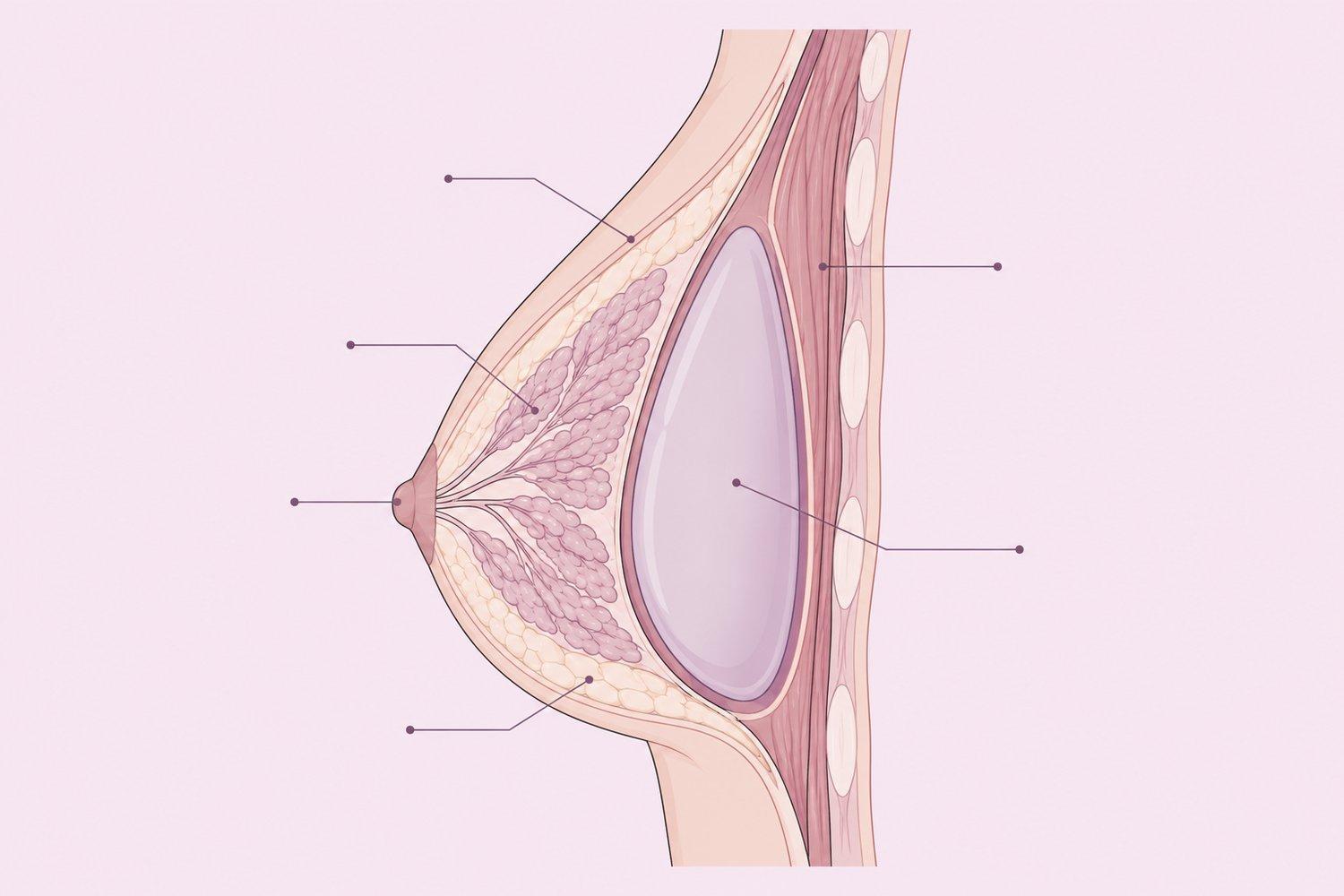
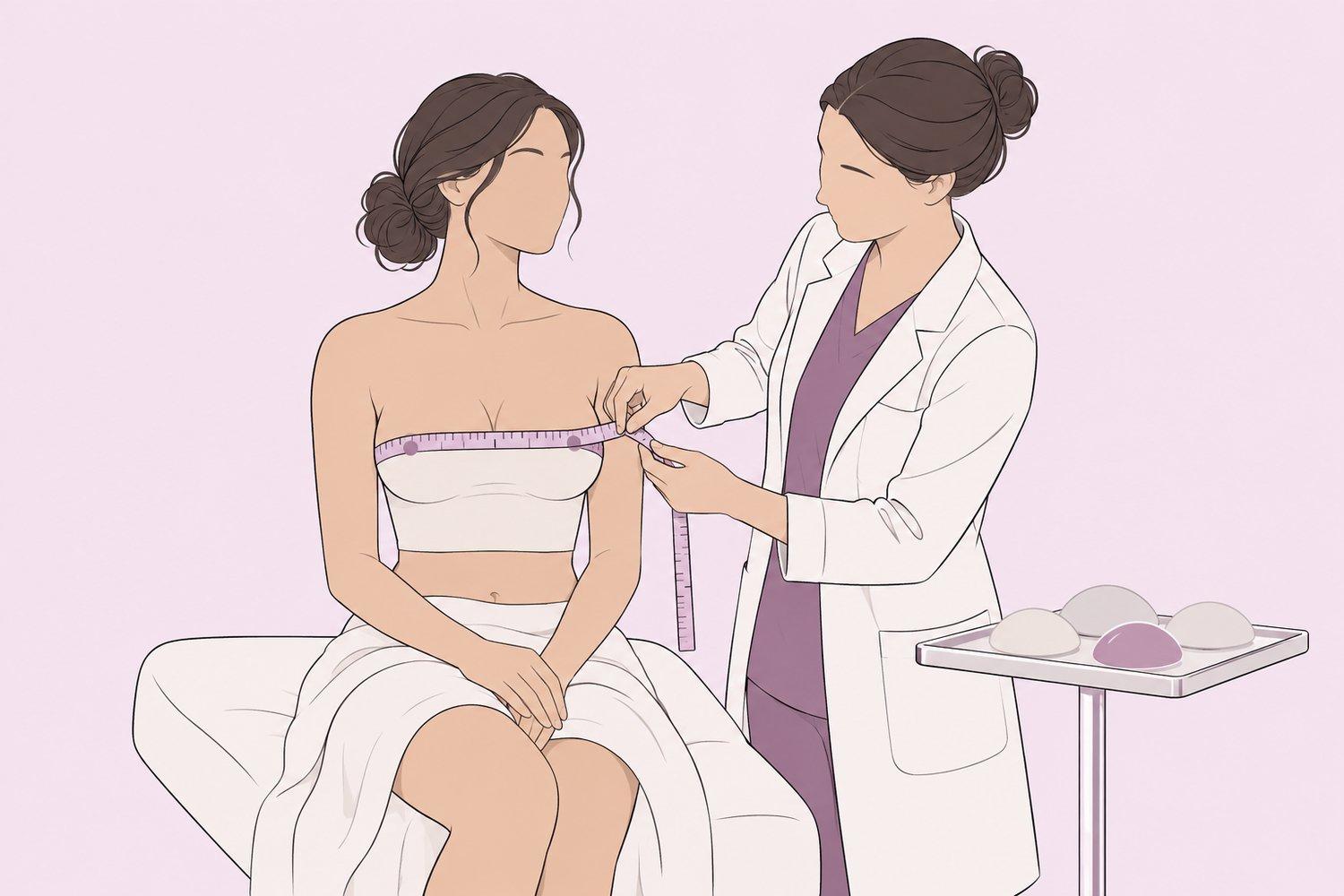
Your surgeon considers breast-base width, chest-wall dimensions, skin stretch and the soft-tissue coverage already present. These measurements guide implant width and projection. Ignoring them can increase the chance of visible edges, rippling, tissue thinning or an implant sitting out of position.
- Discuss the look you want, including how you dress and train.
- Review whether implant dimensions suit your breast tissue and chest shape.
- Ask how Motiva Preserve fits your individual surgical plan, if it is being considered.
- Plan for a gradual return to exercise only when your operating surgeon clears it.
Why reference photos and implant try-ons need context
Reference images can help explain what you find understated, but they cannot predict the same result on a different chest shape or tissue quality. Implant try-ons can help with proportion, not certainty. Research has found an association between breast satisfaction and time spent in physical activity, but it does not show that any implant size improves athletic performance. Strenuous or jarring exercise is usually postponed for at least a month; most normal activities resume at about 6 weeks, subject to your surgeon’s advice.
What is Motiva Preserve, and is it suitable for subtle augmentation?
Motiva Preserve is a tissue-preservation-focused approach to breast augmentation. It is not a fixed package for a “natural look.” Your surgeon considers your existing breast tissue, chest shape, skin quality, desired change, implant dimensions and placement together. For a subtle augmentation, the aim is usually proportion — so the breast still reads as part of your body, rather than the first thing people notice.
Technique and implant choice are separate decisions
Smaller implants can suit someone seeking an understated result, including people who work out and want their breasts to feel in keeping with an active frame. But smaller is not automatically more natural. The right volume and profile depend on your anatomy and the shape you want. Round and anatomical implants each have a place; a Plastic and Reconstructive Surgery review advises choosing between them according to goals, anatomy and surgical history.
A subtle result comes from proportion and planning, not from one implant or one technique.
What the evidence can — and cannot — tell you
A prospective multicentre study followed 451 primary-augmentation patients with Motiva SmoothSilk implants for 3 years. Its findings relate to that implant system; they do not show that every tissue-preservation technique will produce the same result for every person. Surgery also involves trade-offs and risks, including changes in sensation, scarring, asymmetry, capsular contracture, implant-related complications and the possibility of further surgery.
How long should I stay in Istanbul after subtle breast augmentation?
Plan your stay around recovery, not the size of the implants. A subtle breast augmentation — including a procedure planned with Motiva Preserve where appropriate — is still breast surgery. Your surgeon should assess your mobility, wound healing and individual blood-clot risk before confirming when you can travel and what support you will need after returning home.

When can I fly home?
NHS guidance for cosmetic surgery abroad advises waiting 5 to 7 days before flying after breast surgery, as both major surgery and air travel can increase the risk of blood clots. Your own surgeon’s clearance matters more than a generic timetable. Before you travel, agree how your follow-up will work and who will assess any concern once you are home.
When can I return to desk work, training and daily life?
Recovery from breast enlargement takes a few weeks overall. NHS guidance suggests allowing 1 to 2 weeks away from work, while the American Society of Plastic Surgeons notes that many people return to desk work at around 1 week; physically demanding work may require at least 3 weeks away. Training and lifting should restart only when your surgeon clears you, based on your procedure and healing.
What risks and long-term commitments come with breast implants?
A smaller augmentation still involves an implanted medical device and the same long-term responsibility as a larger change. Motiva Preserve may be part of the discussion, but implant choice does not remove the need to understand complications, follow-up and the possibility of future surgery.
Complications to discuss before surgery
The FDA states that breast implants are not lifetime devices. The longer they remain in place, the more likely it becomes that further surgery to remove or replace an implant may be needed. This is worth weighing carefully when the change you want is intentionally subtle.
- Capsular contracture, where scar tissue tightens around the implant
- Rupture, reoperation or implant removal
- Wrinkling, asymmetry, scarring or ongoing pain
- Infection, which may require treatment or further surgery
Monitoring and symptoms that need assessment
Silicone gel-filled implants can rupture without an obvious change in the breast. FDA and ASPS guidance recommends ultrasound or MRI from 5 to 6 years after placement, then every 2 to 3 years, to screen for rupture. Your surgeon should also explain the follow-up plan after surgery.
If you are unsure what a modest change would look like on your own frame, arrange an online consultation with Vanity’s surgeons before you travel. You can discuss your anatomy, goals, implant options, recovery and follow-up care in practical terms.
Frequently asked questions
Is a baby boob job just a small implant?
No. “Baby boob job” is an informal description of a restrained aesthetic goal, not a medically standard implant volume or cup-size outcome. Implant choice should account for breast width, tissue thickness, skin stretch, projection and placement.
Will subtle breast augmentation look natural on a petite or athletic body?
A natural-looking result is not determined by a low implant volume alone. Existing breast tissue, chest width, skin stretch, implant profile and placement all affect how visible the same volume appears, so planning is based on individual measurements.
Can I work out after Motiva Preserve breast augmentation?
Motiva Preserve should not be understood as a promise of a faster or unrestricted return to sport. Return-to-exercise advice depends on the operation and individual healing; NHS guidance advises avoiding heavy lifting and strenuous exercise for at least a month, with most normal activities returning by about 6 weeks.
How many days should I stay in Istanbul before flying home after breast augmentation?
NHS guidance for cosmetic surgery abroad recommends waiting 5 to 7 days after breast surgery before flying, because surgery and air travel both increase blood-clot risk. Your stay should also allow for your surgeon’s postoperative review and a clear written aftercare plan.
When can I return to an office job after subtle breast augmentation?
NHS advises allowing 1 to 2 weeks away from work after breast enlargement surgery. Many people return to desk work at about 1 week, but physically demanding work usually needs longer, and your operating surgeon should set your individual timeline.
Do small breast implants need replacing?
Yes. Breast implants are not lifetime devices, regardless of size, and future removal or replacement surgery may be needed. For silicone gel-filled implants, FDA and ASPS guidance recommends ultrasound or MRI at 5 to 6 years, then every 2 to 3 years, to screen for rupture.
What are the risks of subtle breast augmentation?
Potential complications include capsular contracture, rupture, infection, pain, scarring, asymmetry, wrinkling, reoperation and implant removal. BIA-ALCL is uncommon and occurs most often with textured implants; late swelling, a lump, pain, asymmetry or skin changes need medical assessment.