
What it is
We draw 10 to 60 mL of your own blood, spin it in a centrifuge to separate the plasma from the red cells, and collect the platelet-rich fraction — a concentrate carrying several times the platelet count of whole blood. That concentrate is injected into the dermal or subcutaneous plane of the treatment area across a grid of small injection points. The reasoning is that growth factors held in platelet alpha-granules alter the local healing and hair-cycle environment. In dermatology the strongest published evidence sits with androgenetic alopecia; wound healing, scar revision and skin rejuvenation follow well behind it, and the literature is limited by preparation protocols that differ from study to study and by a shortage of large randomised trials.
PRP suits adults with early to moderate pattern hair loss who have not responded well to topical minoxidil or oral finasteride, or who cannot tolerate them — and patients wanting an adjunct before or alongside a hair transplant. It is also used off-label for facial photoaging and atrophic acne scarring, where the controlled evidence is weaker and we will say so before you book. We do not offer it if you have a platelet or bleeding disorder, an active haematologic malignancy, ongoing anticoagulation, an active infection at the treatment site, or skin cancer in the area to be injected. PRP itself holds no FDA approval for hair loss or cosmetic use; the centrifuges and separation kits used to prepare it are regulated as devices.
Techniques we use
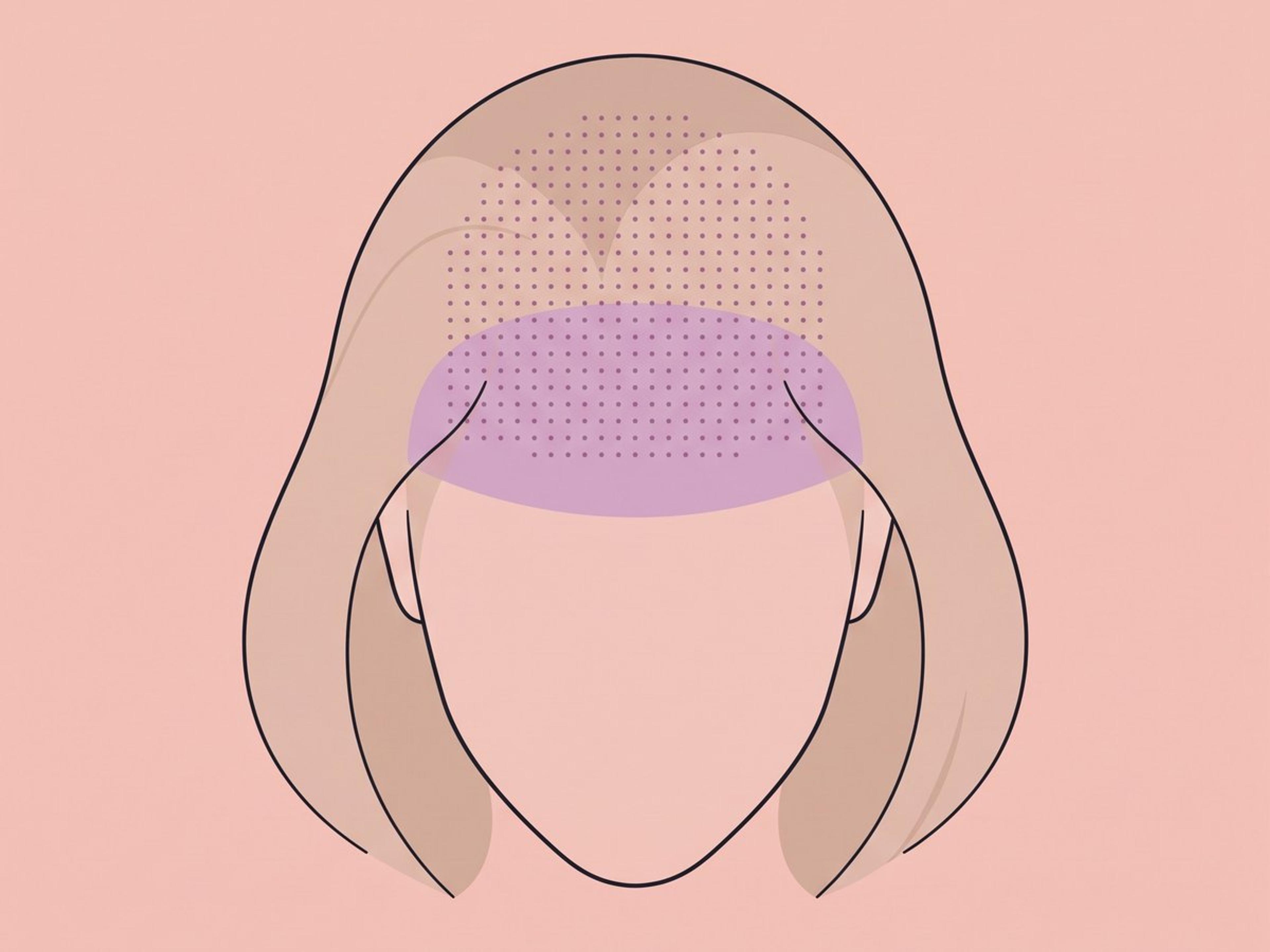
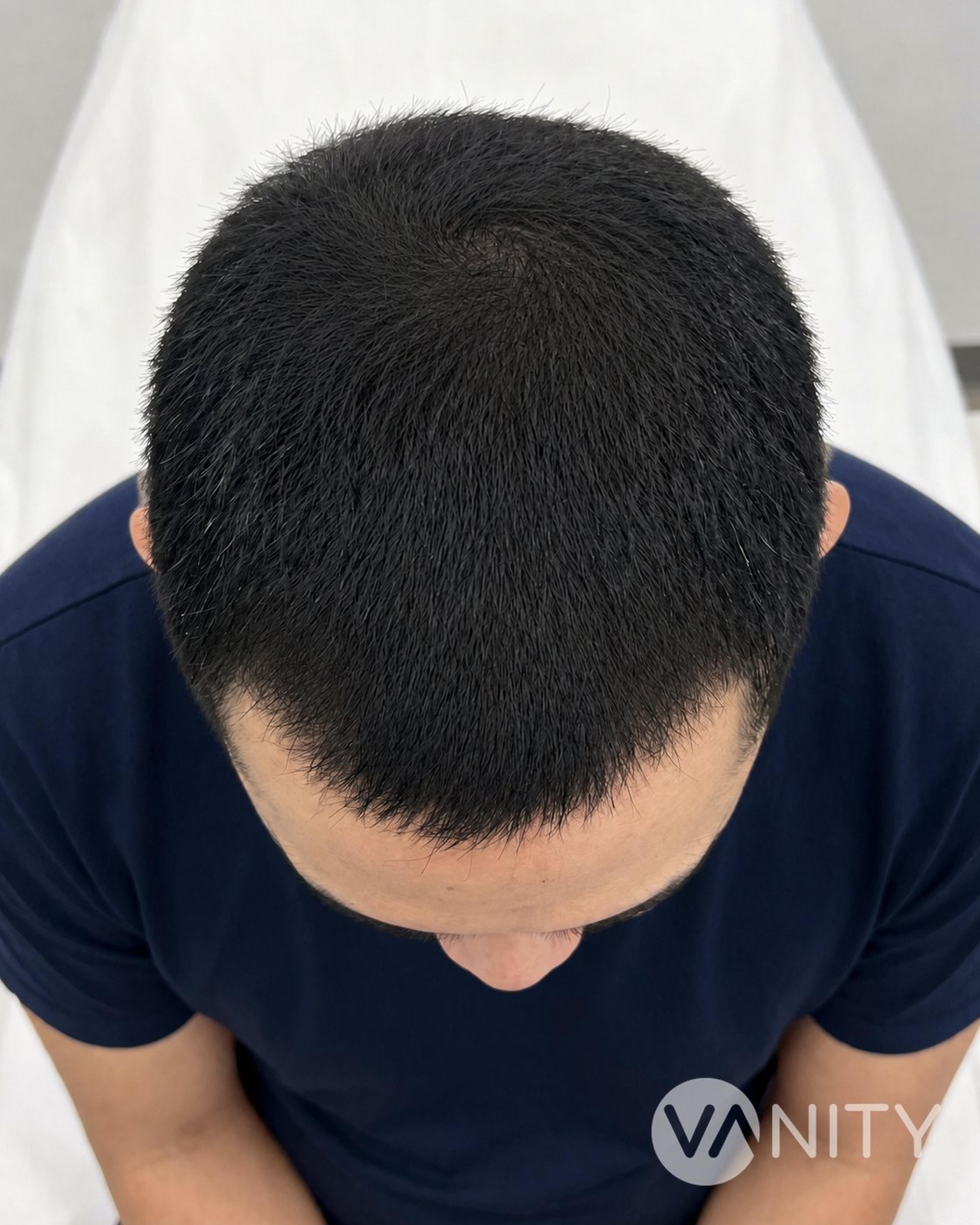
PRP is injected into the dermal or subcutaneous plane of the thinning scalp across multiple points, usually as 3 to 4 sessions about a month apart, then maintenance every 3 to 6 months. Published trials use roughly 0.9 to 10 mL per session and most activate the platelets with calcium chloride. Pooled trial data show a statistically significant increase in hair density and shaft diameter, with more frequent treatment correlating with better outcomes.

PRP is placed as small intradermal deposits across the cheeks, the periorbital area or the neck, typically over 3 monthly sessions. The evidence here is markedly weaker than for hair — in a double-masked randomised split-face trial, masked dermatologist ratings found no significant difference between PRP and saline at 6 months, though participants themselves rated the PRP side better for texture and wrinkles. Outcome measures across the facial-rejuvenation literature are largely subjective.
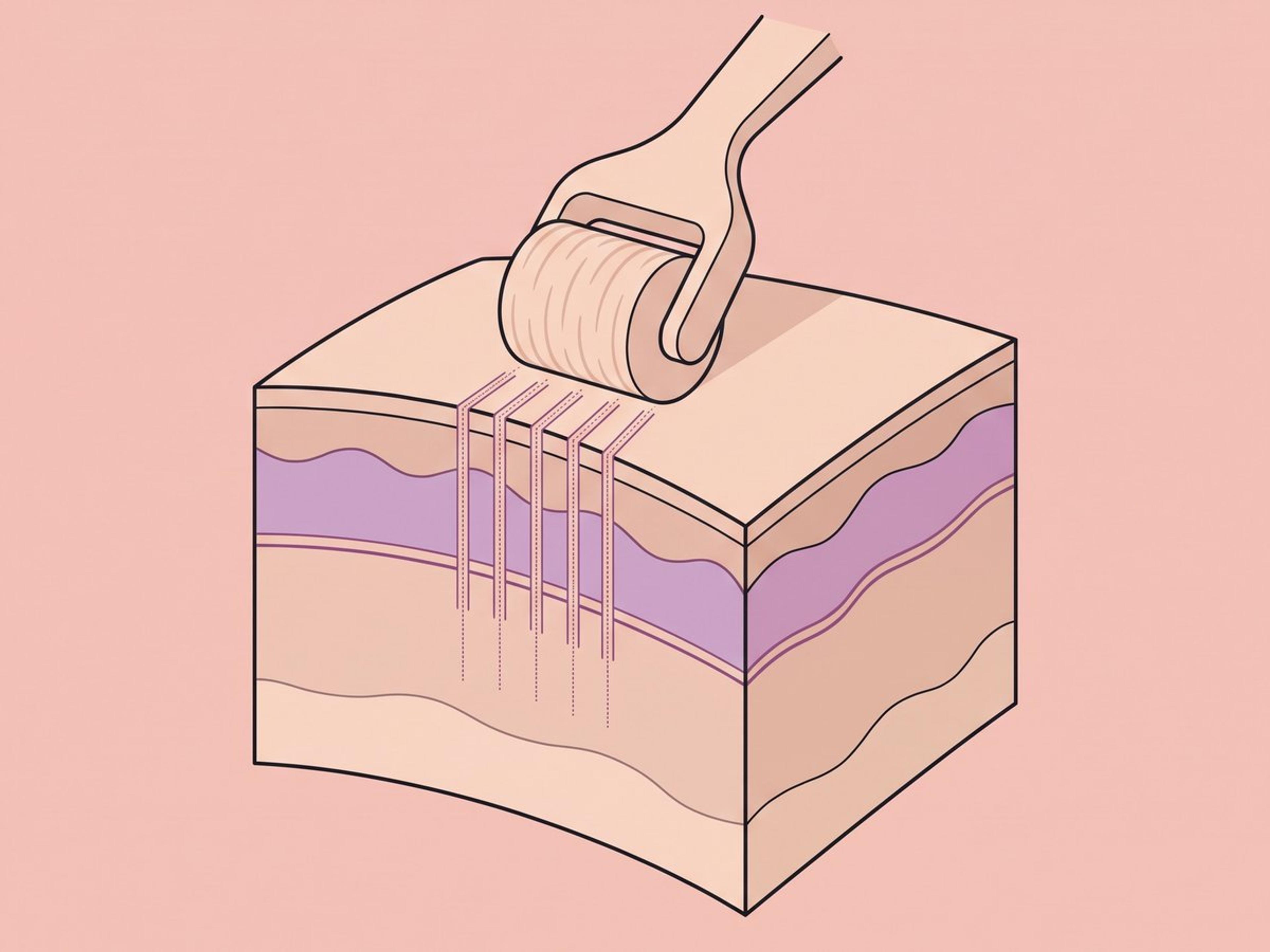
A microneedling device creates controlled microchannels and PRP is applied topically, injected, or both — most often for atrophic acne scarring and skin texture. The intent is better delivery of the concentrate into the dermis. This route carries the highest infection-control burden of any PRP method, because open skin channels are exposed to blood products and to reusable device components.

PRP is given before, during or after follicular unit transplantation, with the aim of supporting graft survival and shortening the shedding phase. It sits alongside surgery rather than replacing it. The evidence comes from small studies with varied protocols, and it does not replace medical therapy for pattern hair loss.
A PRP session, step by step
Your blood is drawn
10 to 60 mL comes from a vein in the arm into dedicated, labelled tubes. Eat and hydrate beforehand — a vasovagal faint at this point is the most common event of the whole appointment, and it is entirely preventable.
Spun in the same room
The tubes go straight into a centrifuge a few steps away and separate into plasma, a platelet-rich fraction and red cells. Your blood never leaves the room it was drawn in, which is what removes the chance of a mix-up or of contamination in transit.
Numbing while it spins
Topical anaesthetic goes on the scalp during the centrifugation, so it costs no extra time in the chair. The blood draw itself needs nothing.
The concentrate is activated
Most published protocols add calcium chloride to trigger the platelets into releasing the growth factors held in their alpha-granules; some rely on contact with dermal collagen to do the same at the injection site. That release is the proposed mechanism, and it is why the concentrate is used within minutes of being prepared rather than stored.
Injected across a grid
Roughly 0.9 to 10 mL is placed as small deposits into the dermal or subcutaneous plane, spread evenly across the thinning area rather than concentrated where it looks worst. The effect is local — a follicle several centimetres from an injection point gains nothing from it.
You leave within the hour
There is no dressing and nothing to recover from. Before you go we fix the dates for the rest of the induction course — a single session is not a treatment, and the schedule is what decides whether this works.
Recovery, week by week
- First 24 hours
The scalp feels tight and tender and a headache for a few hours is common. Leave the area alone — no washing, no scratching, no tight hat — and reach for paracetamol rather than ibuprofen, since NSAIDs blunt the platelet activity the treatment depends on.
- Days 2–7
Wash your hair normally from day two and go back to the gym from around day three; earlier heavy sweating mostly risks irritating the injection points. Keep saunas, steam rooms, swimming pools and strong sun off the scalp for the first few days while the punctures close.
- Months 1–3
Sessions two, three and four fall about a month apart, and the interval matters more than any single treatment. Nothing looks different yet, and a brief increase in shedding early on is common rather than a sign of failure. What usually changes first is how much hair comes away in the shower.
- Month 6
This is the point where the result is measured rather than guessed, against your baseline photographs or hair counts. Pooled trial data show mean density rising from about 142 to 178 hairs/cm² with thicker shafts by this stage; regrowth arrives fine and short before it thickens. If there is no measurable change, we will tell you and stop.
- Month 12 and beyond
Maintenance runs every 3 to 6 months. PRP does not alter the underlying androgenetic process, so the gain fades over the months after maintenance stops — this is a standing cost, not a one-off one.
How to prepare
- Tell us about any blood or platelet disorder, haematologic malignancy, hepatitis or HIV status, active skin infection, or skin cancer in the treatment area — these are contraindications, not details to work around
- Stop or adjust anticoagulants, antiplatelet medication and NSAIDs only on the instruction of the treating clinician — never on your own
- Eat and hydrate before the appointment, which makes the venipuncture easier and lowers the chance of fainting
- Agree the whole protocol before the first session — how many induction sessions, the intervals, the maintenance schedule, and how we will measure the result
- Book standardised baseline photography or hair counts at the first visit, so month 6 is a measurement rather than an impression
Risks
Every operation carries risk. We name them so you can ask the right questions.
- Injection-site pain, bruising, swelling and transient redness — the most common effects, usually settling within days
- Bloodborne pathogen transmission and infection where blood handling or equipment sterilisation fails — a CDC investigation documented 5 presumptive HIV transmissions linked to PRP microneedling facials at an unlicensed spa using unlabeled blood tubes, no autoclave and reused device tips
- Bacterial infection or contamination of the concentrate at any point between venipuncture, centrifugation and reinjection
- Vasovagal reaction or fainting during the blood draw, and headache or scalp tenderness afterwards
- Unpredictable or absent benefit — preparation protocols, platelet concentrations, activation methods and injection schedules are not standardised, and large randomised controlled trials are lacking
- Bleeding or poor response in patients with platelet dysfunction, thrombocytopenia, anticoagulant use, active haematologic malignancy, or skin cancer at the treatment site
- Loss of any gain after stopping — PRP is not permanent, and the underlying androgenetic process resumes when maintenance ends

What to expect in Turkey
PRP is a short outpatient appointment, so the practical questions are less about recovery and more about scheduling — a course of 3 to 4 sessions a month apart rarely fits one trip. Most of our international patients have PRP alongside a hair transplant or another procedure they are already here for.
Before you fly
Talk to the doctor treating you before you book anything. PRP is not the right answer for every kind of hair loss, and if your thinning is advanced, we would rather say so on a video call than after you have paid for a flight. We will also plan how the sessions after the first one will happen — whether you return, or continue with a clinician at home.
At the clinic
The blood is drawn, spun and reinjected in the same room within the hour, using single-use needles, labelled dedicated tubes and a closed preparation system. You will see your own tubes handled. Scalp injections are done under topical numbing and are uncomfortable rather than painful — most people find the anticipation worse than the session.
Recovery in Istanbul
There is no recovery period to stay for. You can walk out and spend the rest of the day as planned — the scalp feels tight and tender, a headache is common for a few hours, and any bruising at the injection points fades within a day or two. If PRP was done with microneedling on the face, expect visible redness and pinpoint crusting for several days, which is worth factoring into any plans.
Heading home
You can fly the same day or the next. Nothing about PRP restricts air travel. Before you leave we will agree the rest of the course in writing — the dates of the remaining induction sessions, the maintenance interval, and the month 6 point where we compare standardised photographs and decide, honestly, whether it is working for you.
Frequently asked
Does PRP actually regrow hair?
Pooled analysis of 15 clinical trials found a statistically significant rise in mean hair density from about 142 to 178 hairs/cm² after PRP, with increases in hair diameter and reduced pull-test positivity. Androgenetic alopecia has the strongest evidence base of any dermatologic use of PRP. Protocols vary widely between studies, and PRP does not cure the underlying condition.
Is PRP FDA-approved?
No. PRP is not FDA-approved for hair loss or cosmetic skin indications — those uses are off-label. The centrifuges and separation kits used to prepare it are regulated as devices rather than drugs, which carries less rigorous requirements, and only topical minoxidil and oral finasteride hold FDA-approved indications for androgenetic alopecia.
How many sessions will I need?
Most protocols run an induction course of 3 to 4 sessions about a month apart, then maintenance every 3 to 6 months. In alopecia trials, higher treatment frequency correlated with better outcomes. The results are not permanent and fade without maintenance — that is worth costing out before you start.
Does PRP work for wrinkles and facial aging?
The evidence is considerably weaker than for hair. In a double-masked randomised split-face trial of intradermal PRP against saline, blinded dermatologist assessment found no significant difference in photoaging scores at 6 months, though participants rated the PRP side better for texture and wrinkles. Most facial-rejuvenation studies use subjective outcome measures and lack a placebo control.
Is a vampire facial the same thing as PRP?
Vampire facial is a marketing term for PRP applied to the face with microneedling. It is the same autologous blood concentrate, delivered through microchannels rather than by injection alone. It carries a meaningfully higher infection-control risk — the only documented HIV transmissions attributed to cosmetic injection services occurred in this setting, at an unlicensed facility.
How much downtime is there?
Injection-only PRP has little to none — bruising and swelling generally settle within a day or two. Microneedling-assisted PRP leaves visible redness and pinpoint crusting for several days. The appointment itself runs about 45 to 60 minutes.
Can PRP be combined with minoxidil or a hair transplant?
Yes. PRP is commonly used alongside standard medical therapy rather than instead of it, and it is given before or after follicular unit transplantation with the aim of supporting graft outcomes. We position it as an adjunct — most often for patients who cannot tolerate conventional treatment or have not responded well to it.
Is it worth flying to Istanbul for PRP alone?
Honestly, for most people, no. PRP needs 3 to 4 sessions a month apart and then maintenance every 3 to 6 months, which does not fit a single trip. It makes more sense combined with a hair transplant or another procedure you are already travelling for, with maintenance arranged closer to home.
Who should not have PRP?
We will not treat you if you have a platelet or bleeding disorder, thrombocytopenia, an active haematologic malignancy, ongoing anticoagulation, an active infection at the treatment site, or skin cancer in the area to be injected — in each case the concentrate is either unsafe to take or unsafe to put back. Tell us about hepatitis or HIV status as well; it does not automatically rule PRP out, but it changes how your blood must be handled. PRP is also simply the wrong treatment, rather than a dangerous one, for scarring alopecia or a scalp where the follicles have already gone.
What should I watch for afterwards, and when should I call?
Tenderness, pinpoint bruising and a headache in the first day or two are expected and need nothing. Call us if pain or redness at the injection points worsens after day two instead of settling, if the area turns hot or swollen, if any point discharges pus, or if you run a fever — those suggest infection, which is rare but is the one complication that must not be waited out. A tender, expanding lump also needs looking at. If you are already home, see a local doctor the same day and send us the notes.
Will PRP fill in a bald patch?
No, and this is the most common misunderstanding about it. PRP acts on follicles that are still alive but miniaturised — it thickens them and prolongs their growth phase. Where the scalp is smooth and shiny the follicles went years ago, and no injection brings them back; that is transplant territory. It is why we offer PRP for early to moderate thinning and turn down advanced loss.
Sources
- [1]Is platelet-rich plasma the secret to younger-looking skin? · American Academy of Dermatology (aad.org) · 2026
- [2]Effectiveness of Platelet-Rich Plasma Therapy in Androgenic Alopecia — A Meta-Analysis · Journal of Personalized Medicine (PubMed Central, NLM) · 2022
- [3]Effect of Platelet-Rich Plasma Injection for Rejuvenation of Photoaged Facial Skin: A Randomized Clinical Trial · JAMA Dermatology (PubMed, NLM) · 2018
- [4]The Physician's Guide to Platelet-Rich Plasma in Dermatologic Surgery Part I: Definitions, Mechanisms of Action, and Technical Specifications · Dermatologic Surgery (PubMed, NLM) · 2020