


What it is
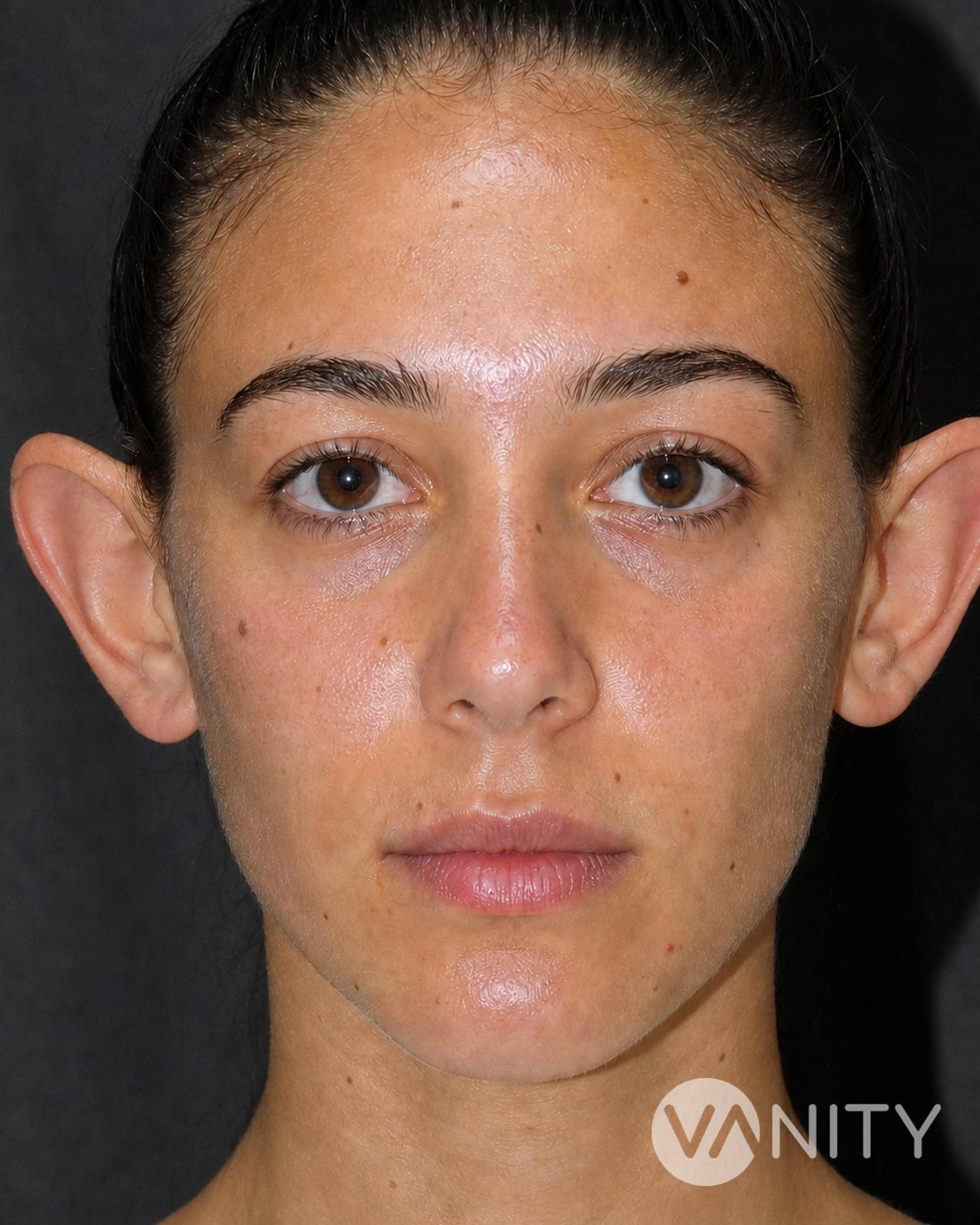
Ear surgery — otoplasty — reshapes the cartilage of the outer ear to change its size, position, or contour. Most often it sets prominent ears closer to the head, but it can also refine a folded rim, an oversized lobe, or a difference between the two sides.
It suits adults who have spent years tucking their ears under their hair, and older children whose ears have finished growing — the cartilage is essentially adult-sized from age 5 or 6 onward.
Techniques we use
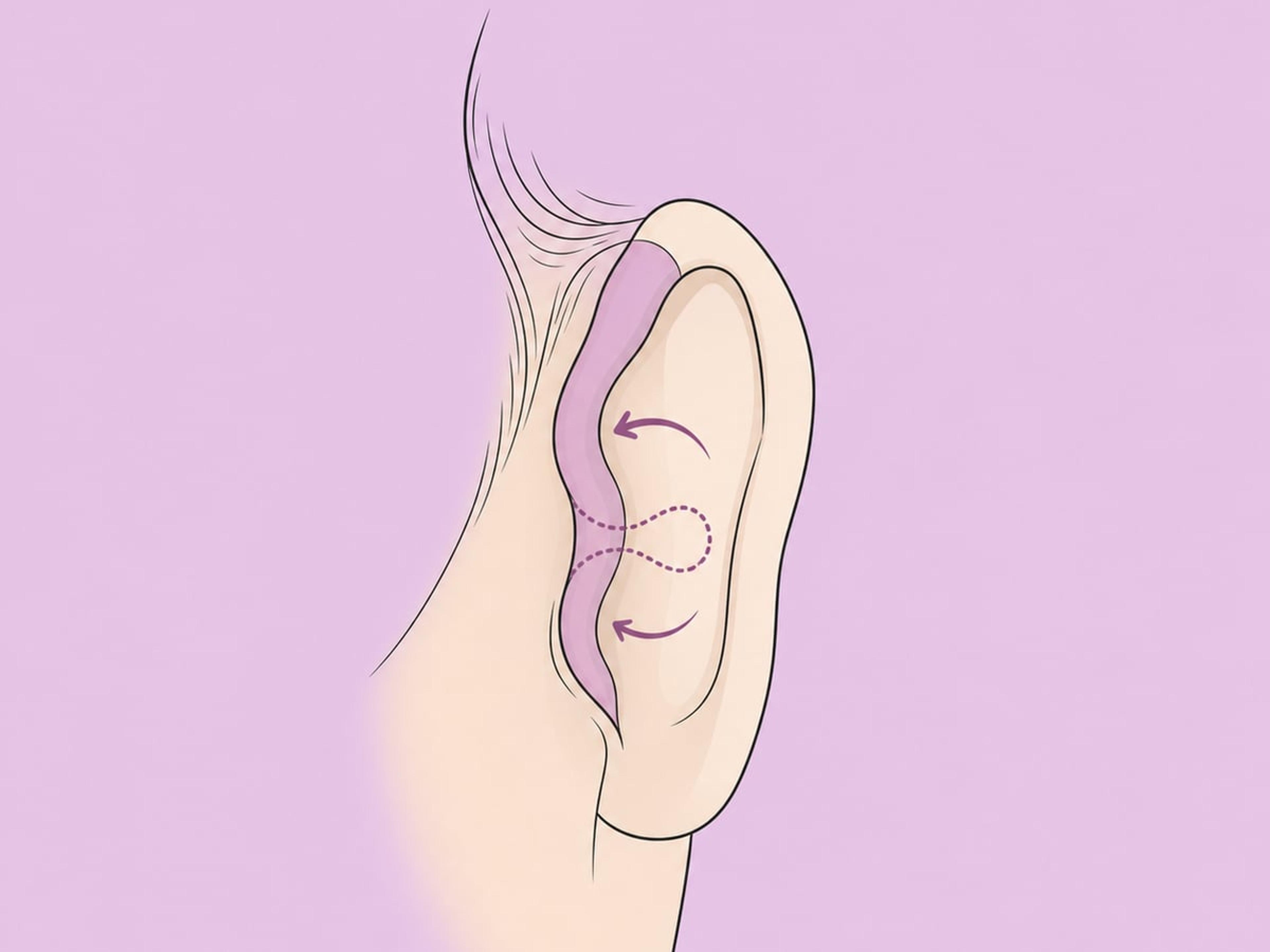
Permanent sutures are placed behind the ear to fold the cartilage into a softer shape, without cutting it. It suits flexible cartilage and gives a natural curve. The result depends on the sutures holding over the long term.
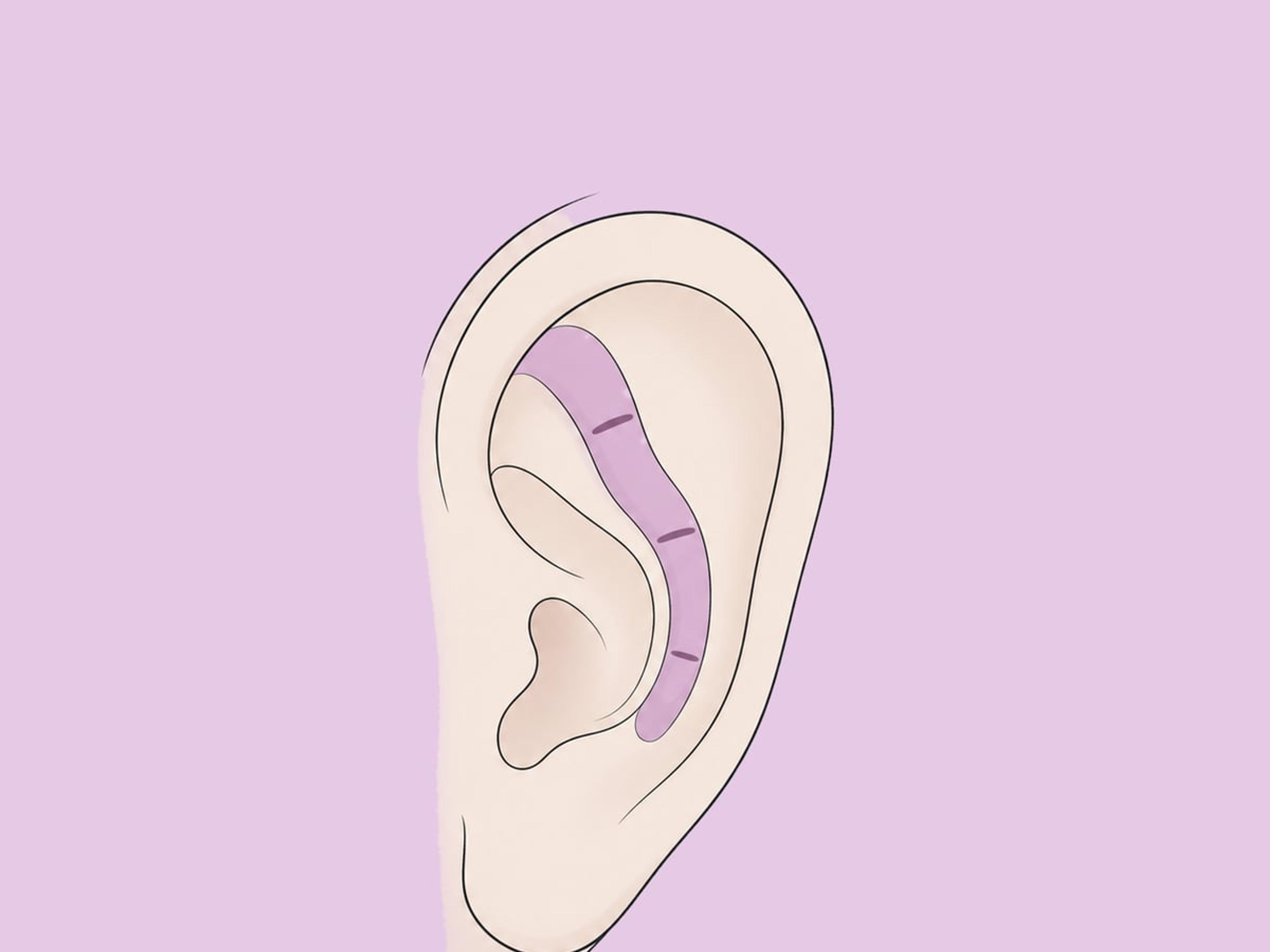
Small scores or incisions let the cartilage be reshaped into a new fold. We choose this when the cartilage is stiffer or the prominence more pronounced. The change tends to be more durable.
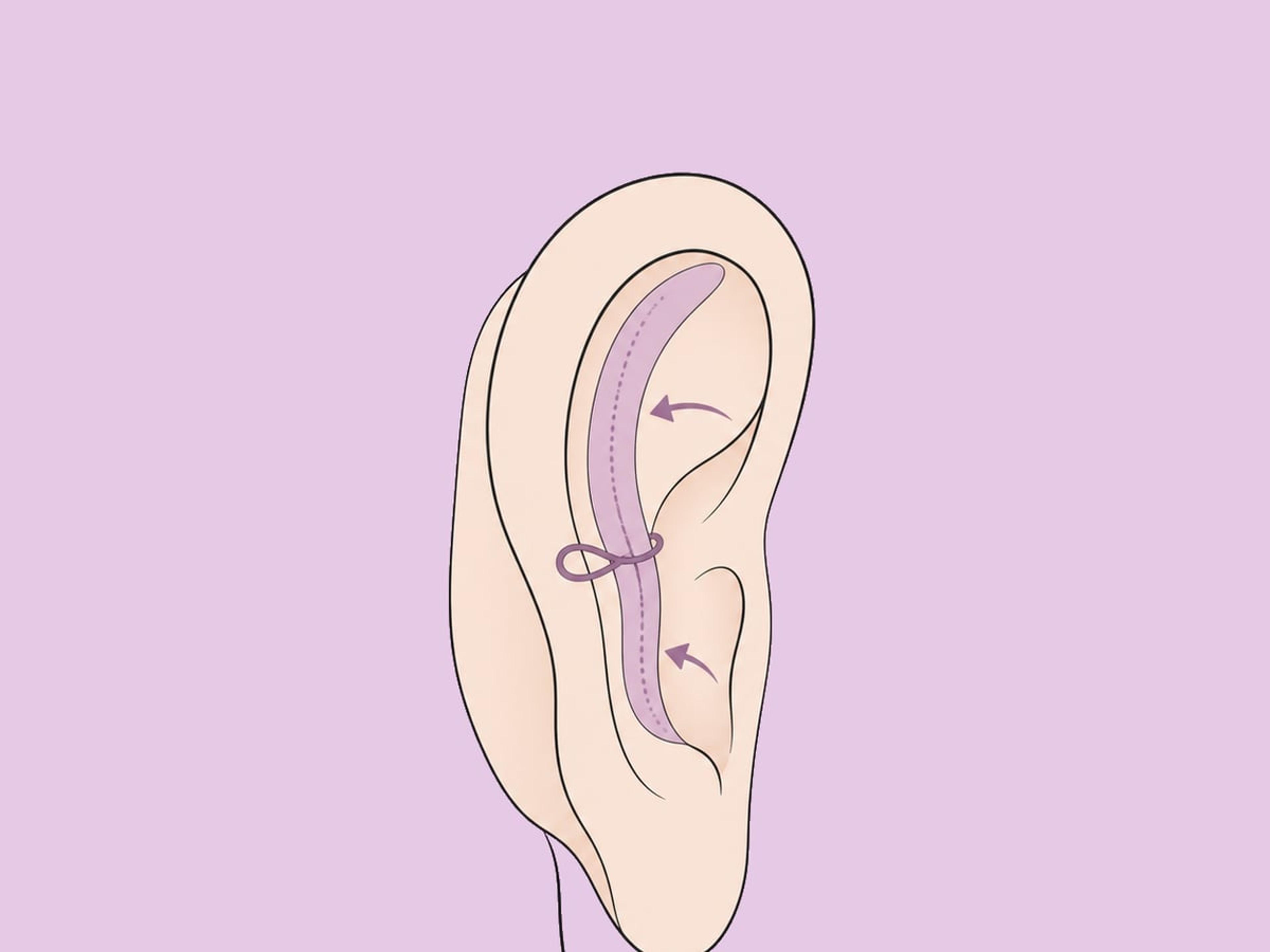
Most of the time we blend both — light scoring to encourage the fold, sutures to hold the new position. For most ears this gives the most predictable, balanced result across both sides.
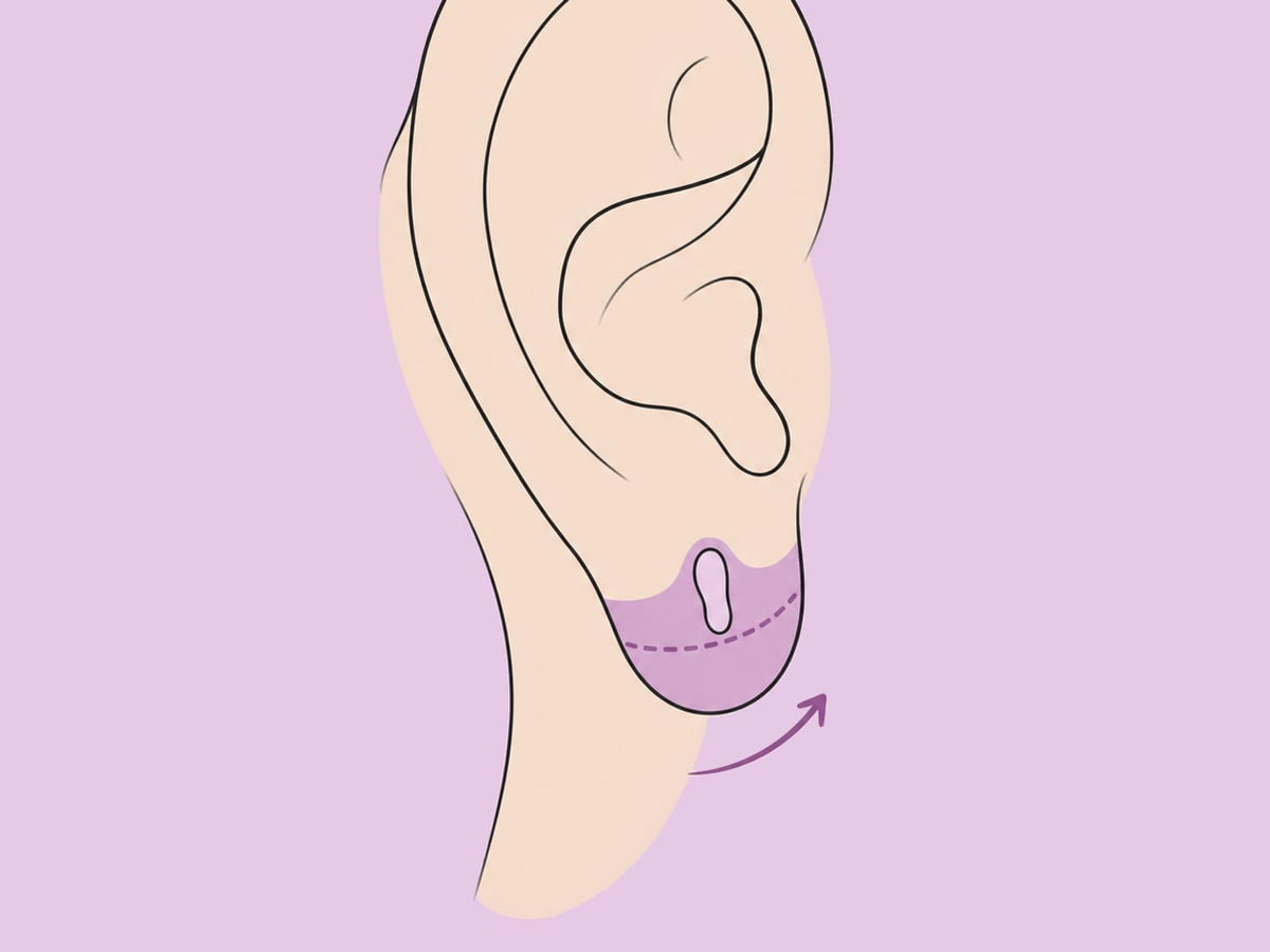
A separate, smaller procedure that trims an enlarged lobe or repairs a stretched piercing. It is often done alongside otoplasty, but it can stand on its own under local anaesthesia.
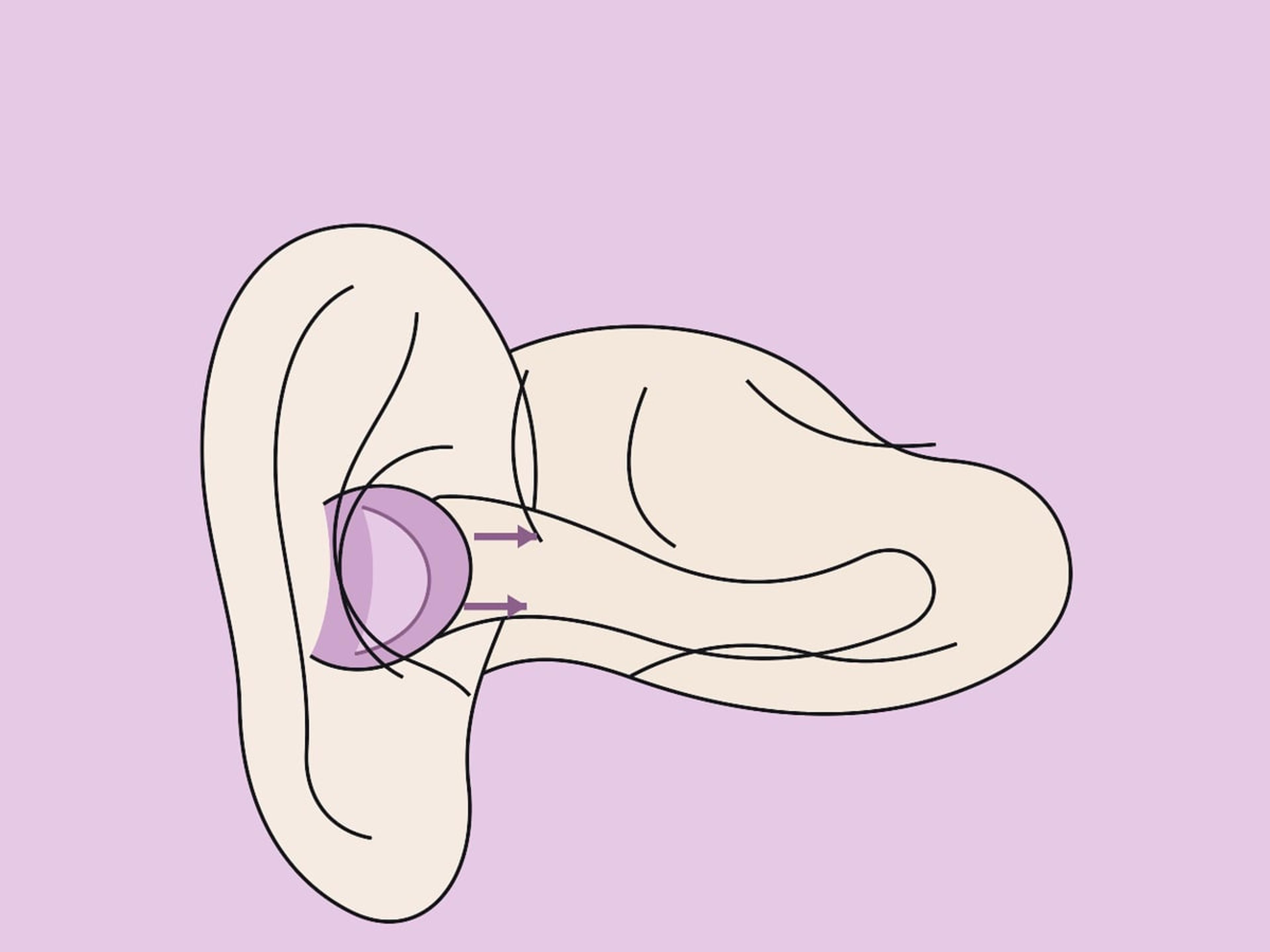
A small crescent of cartilage is removed — usually from the conchal bowl — instead of being folded and held with sutures alone. It is reserved for cartilage stiff enough to spring back, or for a deep bowl that pushes the whole ear outward. Taking the tissue away lets the ear sit back at the right angle without loading the healing skin with tension.
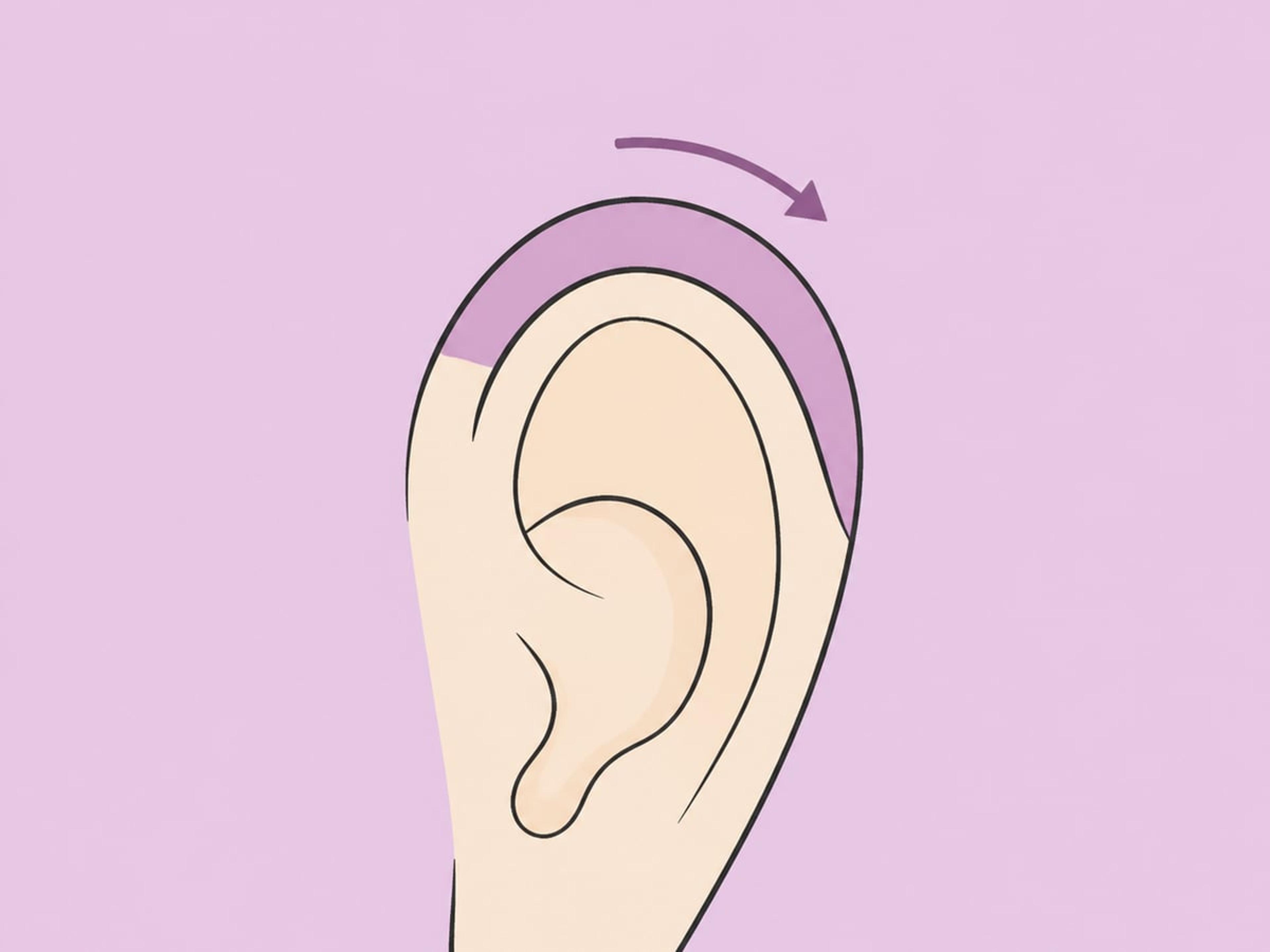
Used when the upper rim of the ear folds downward — a lop or constricted ear, sometimes called bat ear — rather than simple prominence. The folded cartilage has to be released and reshaped as well as repositioned, so the operation runs closer to 2 hours and is done under general anaesthesia.
The operation, step by step
Anaesthesia to suit the patient
Adults usually have local anaesthesia with light sedation, which keeps the visit a day case. Children are asleep under general anaesthesia for the whole procedure.
A small incision behind the ear
The incision sits in the natural crease where the ear meets the head. Placed there, the healed scar stays hidden from front and side views.
Reshaping the cartilage
Through that opening the surgeon reaches the ear cartilage and creates the missing fold or reduces the angle — with sutures, light scoring, or both, depending on how stiff your cartilage is.
Fixing the new position
The cartilage is secured in its corrected position so the new angle holds while the ear heals. This fixation is what the long-term shape depends on.
Closure with dissolving sutures
The incision is closed with fine self-dissolving sutures — nothing to remove later — and a protective head bandage goes on before you leave the theatre.
Recovery, week by week
- Day 1
You wear a bulky head bandage to protect the ears and reduce swelling. Expect a dull ache, tightness, and disturbed sleep on your side.
- Week 1
The bandage is swapped for a softer headband, worn day and night — it stops the ear being folded forward in your sleep while the fixation is still fresh. Bruising and swelling are still visible, and most people take this week off work or school.
- Week 2
Stitches are removed or have dissolved. Desk work and gentle social activity are usually fine, though the ears still feel tender to touch.
- Week 4
Light cardio and gym work are usually cleared, while contact sports, swimming and anything that can knock or drag on the ear still wait. Most surgeons ask you to keep wearing the headband at night until this point, so the cartilage holds its new angle while the fixation sutures settle.
- Week 6
Most swelling has gone. You can sleep freely on your side, and the new shape is clearly visible.
- 3 months
The cartilage has settled into its new position. Until this point keep the ears out of extreme cold and heat and away from anything that can knock or drag them; from three months, contact sports and full physical activity are cleared.
- 6 months
The shape and scars have settled. Scars sit hidden in the crease behind the ear and continue to fade.
How to prepare
- Stop blood thinners, aspirin, and certain supplements — fish oil, vitamin E — 14 days before surgery, with your prescriber's sign-off.
- Stop smoking and nicotine products at least 4 weeks before surgery to support healing.
- Bring a button-up or zip-front top for the day, so nothing is pulled over your head or ears.
- Wash your hair the morning of surgery — you will not be able to for several days afterward.
- Plan a quiet first 48 hours with extra pillows to keep your head elevated.
Risks
Every operation carries risk. We name them so you can ask the right questions.
- Asymmetry between the two ears
- Over- or under-correction of the fold
- Suture extrusion or sutures visible under the skin
- Hematoma or infection in the early days
- Hypertrophic or keloid scarring behind the ear
- Temporary numbness or altered sensation

What to expect in Turkey
Otoplasty is a short day procedure, so the trip to Istanbul is compact. You talk to the surgeon before you travel, have surgery soon after you arrive, and stay long enough for the dressing to come off and the ears to be checked before you fly home.
Before you fly
We plan the operation with the surgeon first — over video — so the technique and what it can and cannot do are settled before you book. The preparation steps above apply unchanged. Most nationalities enter Istanbul visa-free or on Turkey's e-Visa, and your passport should be valid for at least six months; a medical visa with an invitation letter from the clinic is available if you need longer.
At the clinic
Surgery takes 1 to 2 hours, usually under local with light sedation, and is typically a day case — some Istanbul packages include a single inpatient night. The surgery is done in a licensed operating theatre, not a treatment room. Airport pickup, hotel coordination, and interpreter support are arranged around your visit, and you should confirm your operating surgeon's board certification and that the operation takes place in a fully accredited surgical facility.
Recovery in Istanbul
Plan on about 7 days in the city. You spend the first day or two quiet with your head elevated, then move to a softer headband. We schedule the dressing-removal check for roughly day 5 to 7.-
Heading home
We prefer you fly home around day 7, once the bulky dressing is off and the ears have been checked. Otoplasty carries low clot risk with no drains. Care then continues for twelve months, wherever you are.
- United States
- $3,000 – $8,000
- United Kingdom
- £2,700 – £6,000
- Europe
- €8,000 – €12,000
Published typical ranges for orientation — confirm with a local quote.
Frequently asked
How long do I really need off work?
Most people take 7 to 10 days, mainly because of the headband and visible bruising. Desk work is feasible sooner if you do not mind the dressing being seen.
Will the results last?
Otoplasty is considered permanent. A small share of cases relapse slightly, as cartilage has memory — which is why the choice of technique matters.
Will my ears look pinned-back or unnatural?
A well-done otoplasty keeps the natural curve of the ear rather than flattening it against the head. We aim for symmetry and a soft fold, not maximum tuck.
Are the scars visible?
The incision sits in the natural crease behind the ear, so the scars are hidden from a front view. They fade considerably over the first year.
Am I a good candidate for otoplasty?
If you are in good general health and clear-eyed about what surgery can and cannot change, most likely yes. Two reasons bring people here: ears that protrude noticeably from the head — often after years of tucking them under the hair — and a visible difference between the two sides. The ears need to have finished growing, which they have from age 5 or 6, and the wish has to be your own.
What is the right age for ear surgery?
Ear cartilage is essentially adult-sized by age 5 or 6, so it can be done from then onward. Many families choose that pre-school window deliberately, since prominent ears often become a target for teasing once school starts. There is no upper age limit if you are in good general health.
Can a teenager have otoplasty?
Yes, but under strict conditions. The young person must understand the operation and want it themselves — we do not operate on someone who is there because of parental or peer pressure — and a physical and psychological consultation is mandatory. For anyone under 18, the documented consent of both parents or legal guardians is required by law.
Can I fly to Istanbul for this and still recover safely?
Yes. Plan on roughly a week in Istanbul with 6 hotel nights, and we prefer you fly home around day 7 — after the bulky dressing is removed and the ears are checked. Keep the return flight flexible in case that check moves.
Can otoplasty be done under local anesthesia?
For adults it is commonly done under local with light sedation. Children and more anxious patients are usually offered general anaesthesia.
Does otoplasty affect hearing?
No. Otoplasty reshapes the cartilage of the outer ear — the pinna — only; the ear canal and middle ear are not touched, so hearing is unaffected.
Is there an incisionless (thread) otoplasty?
In selected cases, yes. A medical thread is placed into the upper ear cartilage through a needle, with no incision, and the ear's angle can be adjusted live during the procedure. Not every ear is eligible, so suitability is assessed at consultation. Vanity does not offer this method.
Can I have surgery on just one ear?
Yes. Prominence usually affects both ears, but when only one side protrudes, a single-ear otoplasty corrects that ear and matches it to the other.
Is otoplasty painful?
No — you feel nothing during surgery, and the anaesthetic keeps the ears comfortable for roughly the first 12 hours afterwards. What follows is a dull ache and tightness rather than sharp pain, usually managed with simple painkillers for a few days.
How should I sleep after otoplasty?
On your back with your head raised on an extra pillow, for the first week — do not lie face down, and avoid your side while the ears are tender. The headband protects the ears overnight, and most people are back to sleeping freely on their side by around week 6.
Do I have to shave my hair for ear surgery?
No hair is shaved. The incision sits in the crease behind the ear and the surrounding hair is simply held out of the way during surgery.
Can I wear glasses after otoplasty?
Not for the first few weeks — the arms rest exactly where the incision is healing and press the ear forward. Contact lenses or the lightest frames you own, worn briefly, are the usual workaround until your surgeon clears them.
Sources
- [1]Ear Surgery · American Society of Plastic Surgeons
- [2]Otoplasty · StatPearls - NCBI Bookshelf
- [3]Complications of Cartilage Sparing Otoplasty: A Systematic Review and Meta-Analysis · PubMed Central