



Lifting delle braccia: che cos’è
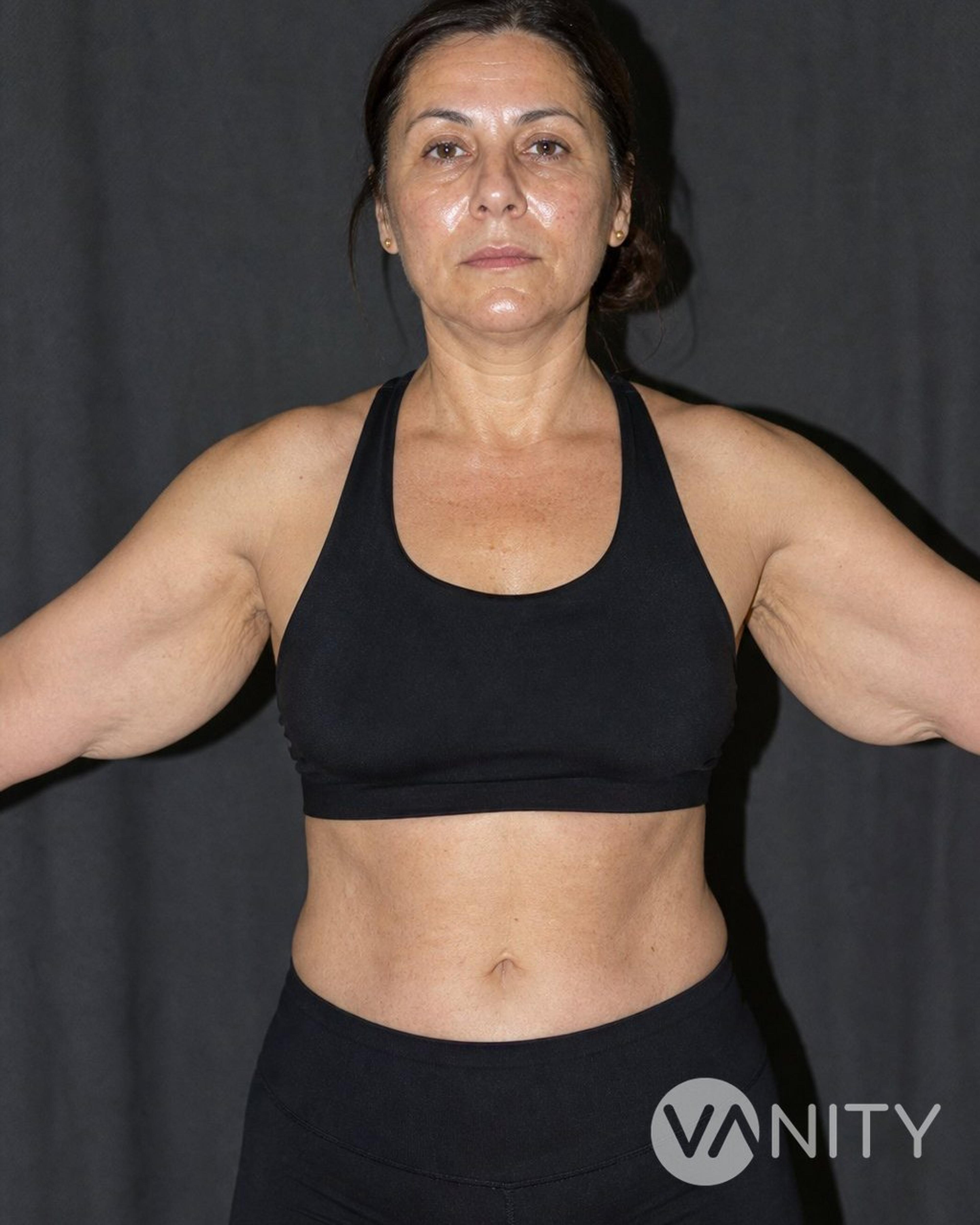
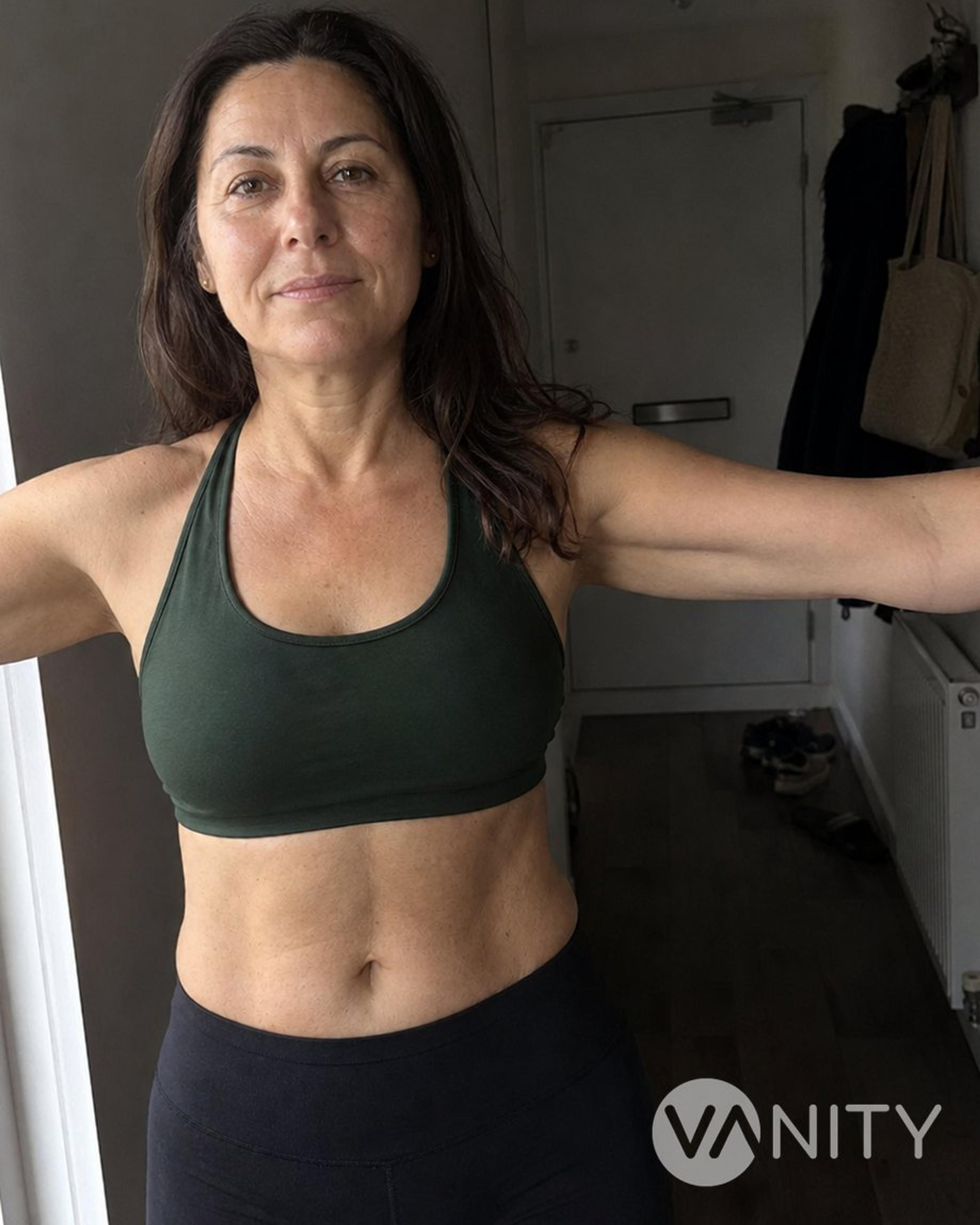
Un lifting delle braccia rimuove la pelle rilassata e una quantità misurata di grasso dalla parte superiore del braccio, quindi rimodella il tessuto rimanente lungo la parte interna del braccio. Il risultato è un profilo più tonico dall'ascella al gomito che mantiene la forma nei movimenti. Sostituisce quella pelle rilassata con una cicatrice lungo la parte interna del braccio — uno scambio permanente di cui parliamo con chiarezza.
Viene preso in considerazione più spesso dopo una perdita di peso significativa o in presenza di rilassamento cutaneo legato all'età, quando l'esercizio fisico non produce più una differenza visibile. La sola liposuzione non corregge un vero e proprio eccesso di pelle — è proprio il caso per cui è pensato un lifting delle braccia.
Lifting delle braccia: tecniche
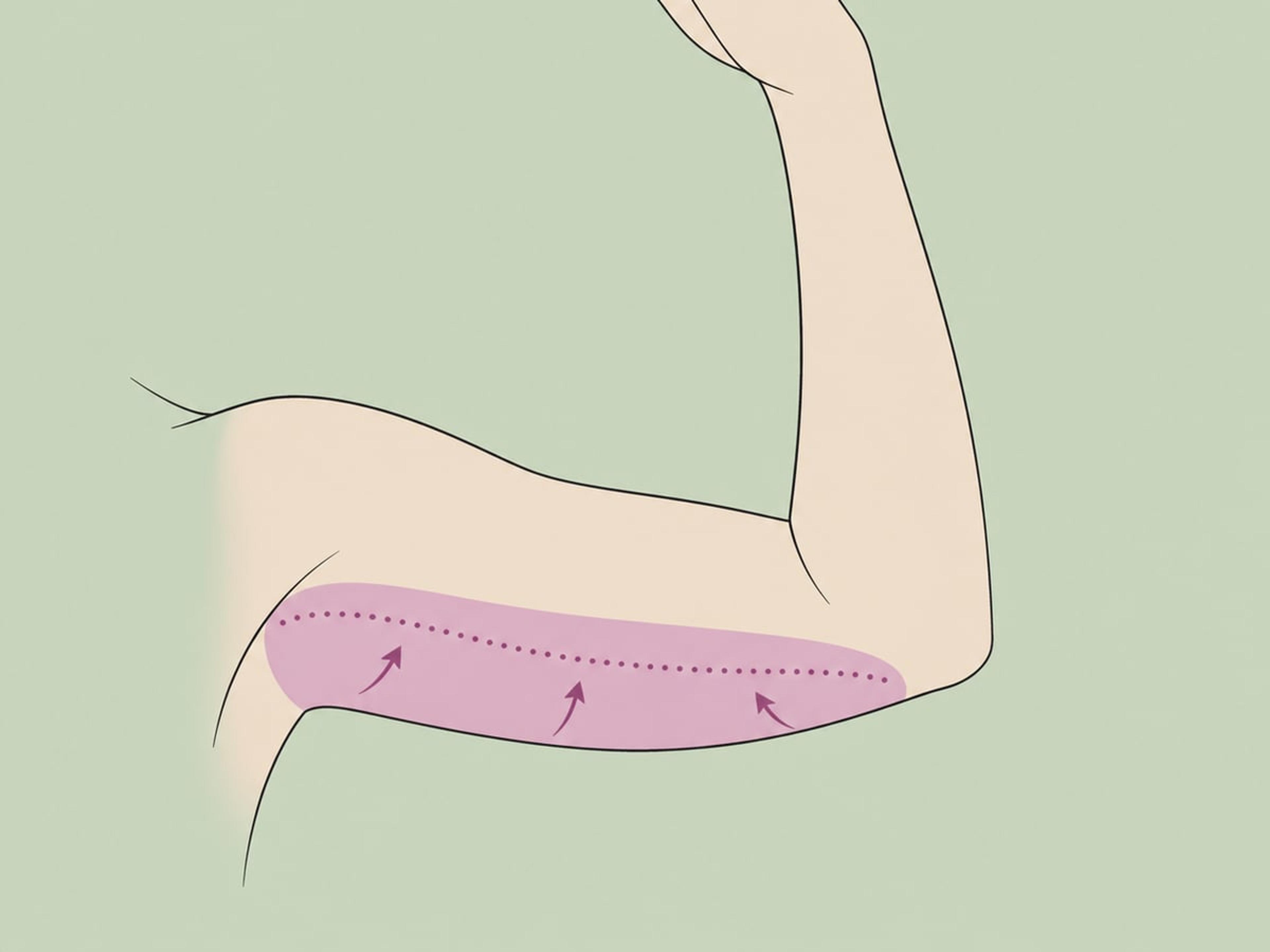
L'incisione corre lungo la parte interna del braccio, dall'ascella fino a poco sopra il gomito, e vengono rimossi pelle e grasso in eccesso. È l'approccio più usato per un rilassamento cutaneo da moderato a significativo e consente il maggiore rimodellamento. Il compromesso è la cicatrice più lunga.
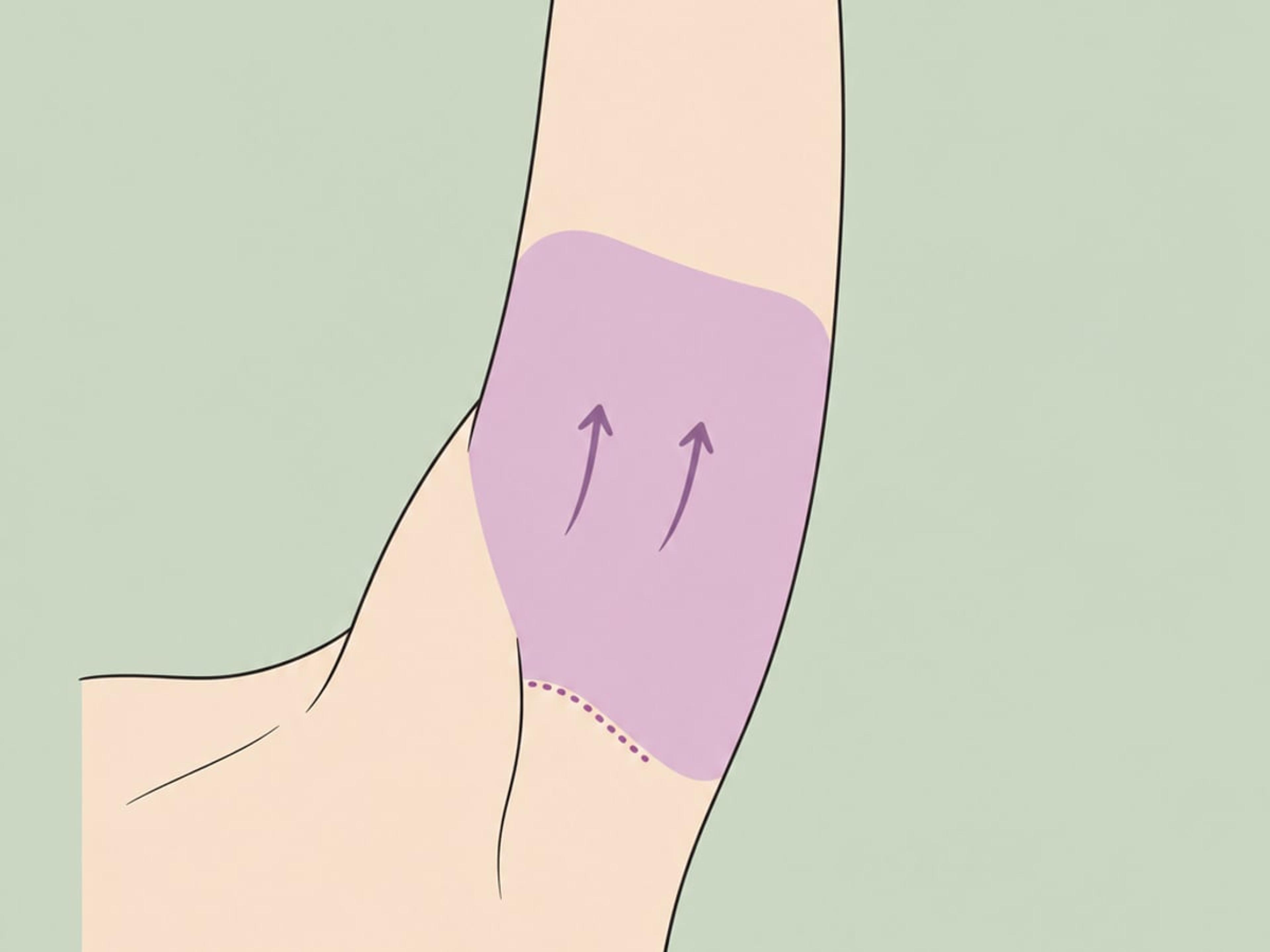
Un'incisione più corta viene nascosta nell'ascella e tratta solo il terzo superiore del braccio. È adatto a un lieve rilassamento localizzato vicino alla spalla e lascia una cicatrice meno visibile.
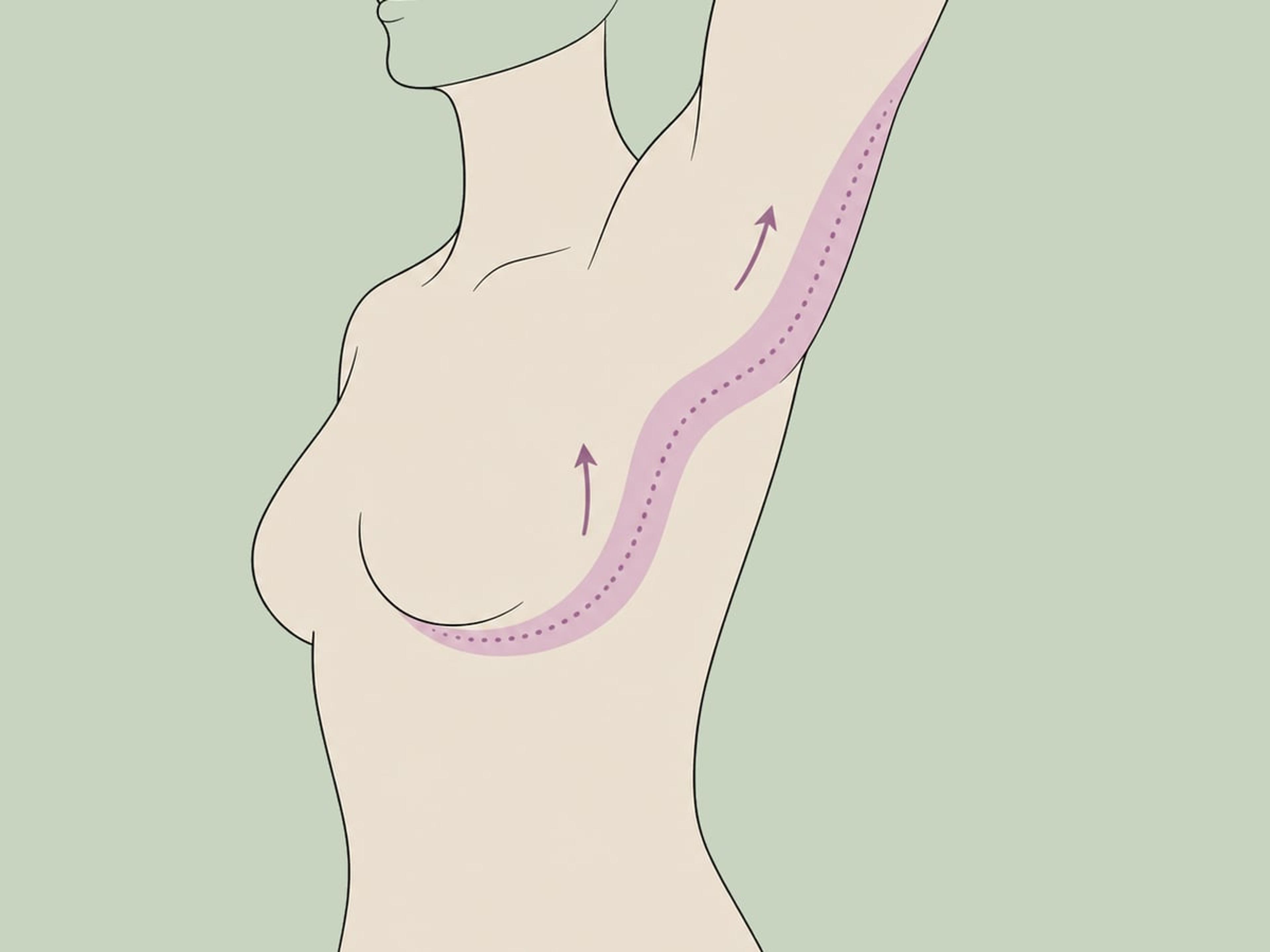
L'incisione prosegue dal braccio fino al lato del torace. La utilizziamo dopo una perdita di peso importante, quando la pelle rilassata si estende oltre l'ascella sul tronco.
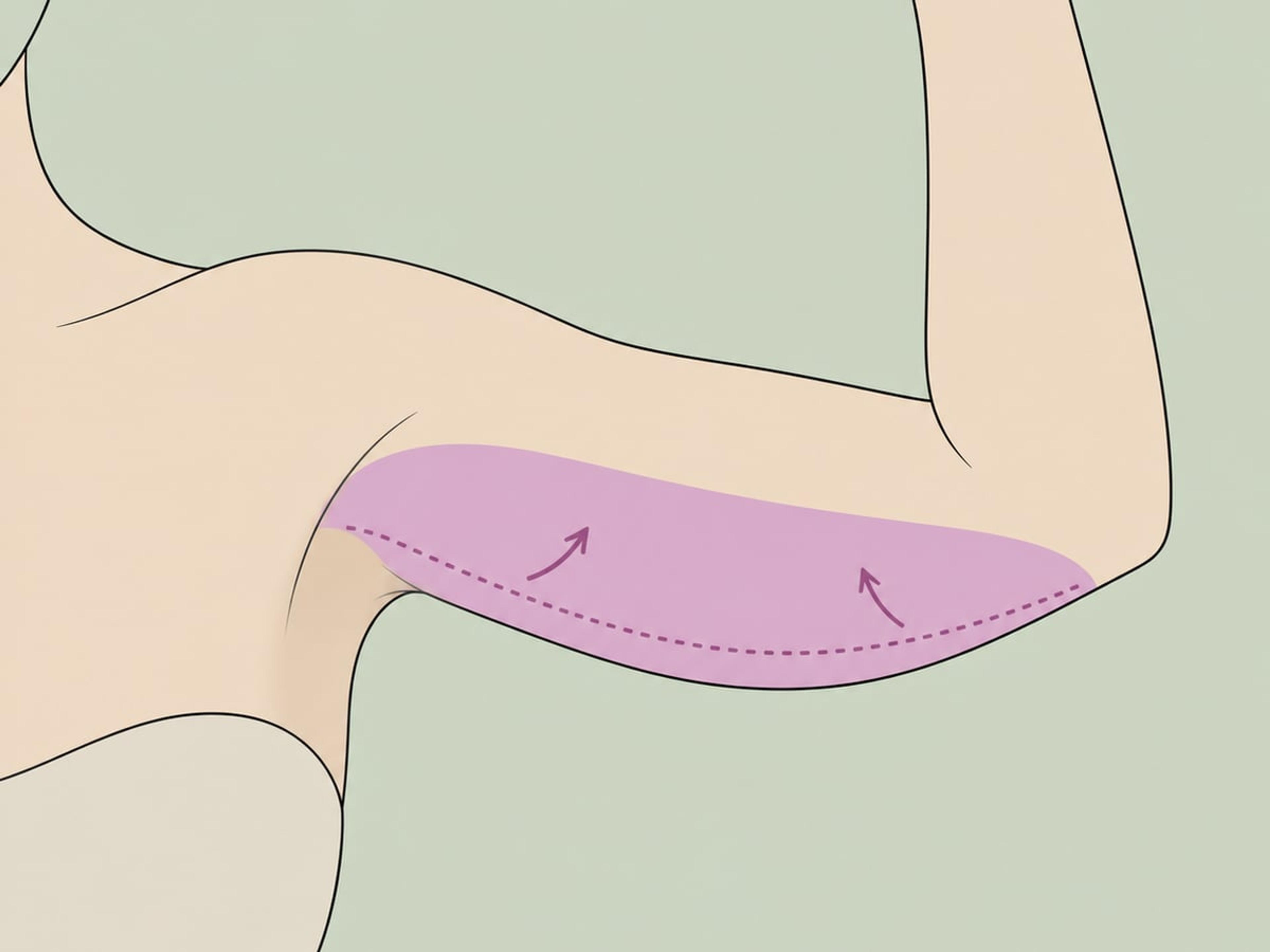
La liposuzione viene associata all'escissione della pelle per ridurre il volume del braccio prima di ridistribuire la pelle. Definisce il profilo quando sono presenti sia grasso in eccesso sia pelle rilassata.
Il giorno dell’intervento
Marcatura, in piedi
Le linee di incisione vengono tracciate prima dell’anestesia, mentre sei in piedi. Il braccio pende in modo diverso in posizione eretta rispetto a quando sei sdraiata, e il piano deve corrispondere a come appaiono davvero le tue braccia.
Anestesia
Per la maggior parte delle pazienti, anestesia generale in una clinica completo. Un mini lifting delle braccia può talvolta essere eseguito in anestesia locale con sedazione.
Liposuzione, se prevista
Quando il grasso contribuisce alla forma, la liposuzione riduce prima il volume del braccio. Rimuovere il grasso prima di ridistribuire la pelle consente al chirurgo di valutare quanta pelle sia realmente in eccesso.
Rimozione della pelle
La pelle in eccesso viene rimossa secondo il disegno concordato durante la consulenza — nascosta nell’ascella per un mini lifting, lungo l’interno del braccio per un lifting standard, con proseguimento sulla parete toracica per un lifting esteso.
Chiusura a strati
L’incisione viene chiusa a strati, così la tensione ricade sulle suture profonde, non sul margine della pelle. È la tensione ad allargare le cicatrici del braccio, quindi la chiusura determina in larga misura la qualità finale della cicatrice.
Lifting delle braccia: recupero settimana per settimana
- Giorno 1
Le braccia vengono fasciate con un indumento compressivo e mantenute sollevate. Sono previsti tensione, lividi e movimento limitato delle spalle — il dolore viene gestito con farmaci prescritti.
- Settimana 1
Entro la fine della settimana, nella maggior parte dei casi è possibile riprendere il lavoro d'ufficio. I drenaggi, se utilizzati, vengono di solito rimossi — sollevare le braccia sopra la testa e pesi restano vietati.
- Settimana 2
I margini della ferita sono chiusi e in guarigione. Gonfiore e lividi migliorano visibilmente. La compressione continua e riprende una leggera attività quotidiana — niente palestra, niente sollevamento di pesi. Quando il chirurgo conferma che l'incisione è completamente chiusa, di solito tra il giorno 10 e il giorno 14, potete iniziare ad applicare il gel di silicone una volta al giorno. Tenete la parte interna del braccio lontana dalla luce solare diretta.
- Settimana 6
Di solito vengono autorizzati l'allenamento di forza e gli allenamenti completi della parte superiore del corpo. In questa fase le cicatrici sono rilevate e rosa — è normale. È il periodo più importante per una cura attiva della cicatrice: indossate fogli di silicone per 12–23 ore al giorno, massaggiate delicatamente la cicatrice per due o tre minuti due volte al giorno e applicate SPF 50 sulle zone esposte.
- 12 mesi
Profilo finale e maturazione della cicatrice. Le cicatrici si appiattiscono e schiariscono, ma restano visibili sulla parte interna del braccio — è il compromesso su cui si basa la procedura.
Lifting delle braccia: come prepararsi
- Sospendete anticoagulanti, FANS e alcuni integratori — vitamina E e olio di pesce — da 10 a 14 giorni prima dell'intervento.
- Smettete di fumare e di usare qualsiasi prodotto a base di nicotina almeno 4 settimane prima dell'intervento — la nicotina compromette significativamente la guarigione delle ferite.
- Stabilizzate il peso prima dell'intervento — oscillazioni importanti in seguito modificheranno il risultato.
- Organizzate un autista e qualcuno che possa aiutarvi a casa per le prime 48–72 ore, poiché la capacità di raggiungere oggetti e sollevare pesi sarà limitata.
- Preparate abiti morbidi con apertura frontale e una sistemazione per dormire che mantenga le braccia sollevate.
Lifting delle braccia: rischi
Ogni operazione comporta dei rischi. Li nominiamo perché possiate fare le domande giuste.
- Cicatrici visibili lungo la parte interna del braccio
- Intorpidimento temporaneo del braccio
- Ritardi nella guarigione della ferita se la paziente usa prodotti a base di nicotina
- Sieroma o ematoma che richiedono drenaggio
- Asimmetria tra le due braccia
- Infezione o guarigione ritardata
About your scar
The arm lift scar runs along the inner arm from the armpit to the elbow. It is placed in a crease to minimise visibility when the arms are at the sides, but it will be visible when the arms are raised. The scar is permanent — it lightens and flattens significantly over 12 to 18 months, but it does not disappear. This is the central trade-off of the procedure.
How the scar heals
In the first two weeks the wound is closed but fragile. From weeks four to eight the scar is pink, raised, and firm — this is the inflammatory phase and is entirely normal. From months three to six it gradually softens and flattens. Between 12 and 18 months it settles to a pale, flat line.
What you can do to help
Silicone gel or sheeting is the most evidence-supported option for reducing scar thickness — begin once the wound is confirmed closed (around days 10 to 14) and continue for three to six months. Gentle scar massage from week six helps break down fibrous tissue and improves texture. Sun protection is non-negotiable — UV exposure permanently darkens immature scars, and the inner arm is surprisingly easy to forget.
Hypertrophic scarring
A minority of patients develop hypertrophic scarring — a raised, firm, itchy ridge that stays within the scar border. It is not dangerous, but it is uncomfortable and more noticeable. Risk is higher in patients with darker skin tones, a history of hypertrophic scars, or tension on the wound from early activity. If you notice this developing after week eight, contact the team. Options include steroid injections, laser treatment, and continued silicone therapy, all of which are significantly more effective when started early.
When to contact us
Most scar changes in the first year are part of normal healing. Contact us if you notice sudden redness or warmth around the scar (possible infection), a scar that is widening rapidly in the first few weeks, or a raised, thickened, itchy scar after week eight.

Lifting delle braccia in Turchia: cosa aspettarsi
Un viaggio in Turchia per un lifting delle braccia è pianificato intorno a due aspetti — l'intervento stesso e i controlli della ferita successivi. La maggior parte del soggiorno è dedicata a un recupero tranquillo, vicino a noi, prima del volo di ritorno.
Prima del volo
Parliamo con il chirurgo prima del viaggio, affinché il piano, la tecnica e la cicatrice siano concordati in anticipo. I passaggi di preparazione sopra indicati restano invariati — nicotina e anticoagulanti sono i due aspetti più importanti. Inviate foto e anamnesi, e confermiamo per iscritto date e dettagli del pacchetto.
In clinica
L'intervento viene eseguito in anestesia generale, con 1 notte come pazienti ricoverati. Operiamo nelle nostre sale completamente attrezzate e traduttori e coordinatori sono con voi per tutto il percorso.
Recupero a Istanbul
Trascorrerete circa 7 giorni a Istanbul — 1 notte come pazienti ricoverati e 6 notti in hotel. La prima visita di controllo in clinica avviene intorno al giorno 3–5, quando vengono controllati drenaggi e medicazioni e viene applicato l'indumento compressivo; una seconda visita prima della partenza verifica le ferite e le suture. Organizziamo per voi trasferimenti VIP da e per l'aeroporto e un coordinatore per i pazienti.
Ritorno a casa
Preferiamo che attendiate circa 7 giorni dopo l'intervento prima di un volo a lungo raggio — partire prima aumenta il rischio di un coagulo di sangue, e i controlli della ferita e dei drenaggi vengono prima. Indossate l'indumento compressivo durante il viaggio e camminate lungo il corridoio ogni ora. Le cure continuano per dodici mesi, quindi restiamo in contatto una volta rientrate a casa.
Verificare una clinica in Turchia
La Turchia ha riscritto le proprie norme sul turismo medico il 26 aprile 2025, sostituendo quelle del 2017. Qualsiasi struttura che tratti pazienti internazionali deve ora possedere un’autorizzazione per il turismo sanitario internazionale, registrarsi sul portale HealthTürkiye del Ministero della Salute e stipulare un’assicurazione per le complicanze relative agli interventi che esegue. Ospedali e centri medici dovevano inoltre completare l’accreditamento TÜSKA entro la fine dello stesso anno. Le strutture sono obbligate a pubblicare la propria certificazione — puoi quindi consultare la nostra, e dovresti consultare quella di qualunque altra clinica prima di versare un acconto.
Nella chirurgia del corpo le domande che contano sono il volume e ciò che accade nelle notti successive, perché è lì che rientrare troppo presto crea problemi. Chiedi quanto viene rimosso o spostato, se vieni ricoverata e per quante notti, chi ti monitora in quel tempo, e se i controlli sono con il chirurgo o con una coordinatrice. Chiedi l’iscrizione del chirurgo indicato all’Ordine dei medici turco. Una clinica che ti dimette in hotel lo stesso giorno e ti autorizza a volare dopo tre giorni compete sul prezzo, non sull’assistenza.
La maggior parte delle nazionalità entra in Turchia senza visto o con un e-Visa per un soggiorno di questa durata, con un passaporto valido almeno sei mesi. Verifica la regola per il tuo passaporto prima di prenotare.
- Europa
- €4,500 – €6,000+
- Regno Unito
- £5,500 – £8,000
- Stati Uniti
- $7,000 – $12,000+
Fasce pubblicate a scopo orientativo — da confermare con un preventivo locale.
Lifting delle braccia: domande frequenti
Le cicatrici saranno evidenti?
Un lifting delle braccia sostituisce la pelle rilassata con una cicatrice permanente lungo la parte interna del braccio. È nascosta quando le braccia sono lungo i fianchi e visibile quando le sollevate. Le cicatrici sbiadiscono significativamente in 12–18 mesi, ma non scompaiono mai — preferiamo che lo sappiate prima di decidere.
Quanto tempo devo davvero assentarmi dal lavoro?
La maggior parte delle persone torna a un lavoro d'ufficio in 7–10 giorni. I lavori che comportano sollevamento di pesi, movimenti sopra la testa o lavoro fisico richiedono di solito 4–6 settimane di assenza.
Posso fare solo la liposuzione?
Solo se la pelle mantiene una buona elasticità. Se il problema è la pelle rilassata e pendente — il classico braccio a pipistrello — la sola liposuzione lo peggiorerà, non lo migliorerà. Una consulenza è il modo più onesto per capire in quale caso rientrate.
I risultati sono permanenti?
La pelle rimossa non torna, quindi il lifting è duraturo. Un aumento o una perdita di peso significativi, così come il naturale invecchiamento, continueranno comunque a influire sulle braccia nel tempo.
Si esegue in anestesia generale?
Di solito sì, anche se un mini lifting delle braccia può talvolta essere eseguito in anestesia locale con sedazione. Il chirurgo darà la propria indicazione in base all'estensione della procedura e al vostro stato di salute.
Quanto tempo devo restare a Istanbul e quando posso volare dopo un lifting delle braccia?
Prevedete circa 7 giorni a Istanbul — 1 notte come pazienti ricoverati e 6 notti in hotel, con 2 visite di controllo per verificare drenaggi, medicazioni e suture. La maggior parte dei chirurghi preferisce attendere circa 10 giorni dopo l'intervento prima di un volo a lungo raggio, quindi organizziamo il viaggio intorno a questo e pianifichiamo il programma con voi prima della partenza.
Quando posso tornare a sollevare pesi?
Attività leggera dopo 2 settimane, ma niente allenamento di forza per la parte superiore del corpo fino a circa la settimana 6. Anticipare comporta il rischio di allargare la cicatrice — la parte del recupero che le pazienti più spesso rimpiangono di aver affrettato.
Per quanto tempo devo indossare l'indumento compressivo?
Settimane 1–2 (la fase 24/7): indosserete l'indumento giorno e notte, togliendolo solo per fare la doccia. Sembrerà stretto, ma non dovrebbe mai causare intorpidimento o formicolio alle dita, che significherebbe che è troppo stretto. Settimane 3–4 (la fase di transizione): il gonfiore inizia a diminuire. Il chirurgo potrebbe autorizzarvi a indossarlo per circa 12–18 ore al giorno, oppure a passare a una guaina a manica, di grado medico, leggermente meno compressiva. Settimane 5–6+: di solito potete smettere completamente di indossarlo, anche se alcune pazienti scelgono di usarlo durante gli allenamenti o nelle giornate di attività intensa per maggiore comfort e sostegno.
Come devo prendermi cura della cicatrice del lifting delle braccia?
La cura attiva della cicatrice inizia quando l'incisione è completamente chiusa — il chirurgo lo conferma alla prima visita di controllo, di solito 10–14 giorni dopo l'intervento. Fino ad allora, mantenete la ferita pulita e asciutta e non intervenite. Una volta chiusa: Gel o fogli di silicone: il silicone è il trattamento non chirurgico per le cicatrici più supportato dalle evidenze. Applicate il gel di silicone ogni giorno oppure indossate fogli di silicone per 12–23 ore al giorno, rimuovendoli solo per fare la doccia. Continuate per tre–sei mesi. Massaggio delicato: a partire da circa la settimana 6, massaggiate la cicatrice per due o tre minuti due volte al giorno utilizzando una semplice crema idratante. Esercitate una pressione circolare decisa lungo tutta la cicatrice — all'inizio può risultare tesa o leggermente dolorante, ed è normale. Il massaggio aiuta ad ammorbidire il tessuto fibroso che provoca cicatrici rilevate e dure. Protezione solare: l'esposizione ai raggi UV scurisce permanentemente le cicatrici. Tenete coperta la parte interna del braccio oppure applicate SPF 50 ogni volta che è esposta, per tutto il primo anno. Pazienza: le cicatrici seguono un andamento prevedibile — rosa e leggermente rilevate tra la quarta e l'ottava settimana, poi si ammorbidiscono e si appiattiscono lentamente. Il colore finale si stabilizza tra 12 e 18 mesi. Se una parte della cicatrice diventa insolitamente spessa, rilevata e pruriginosa dopo l'ottava settimana, segnalatelo alla visita di controllo successiva. Le cicatrici ipertrofiche rispondono bene al trattamento precoce — in questa fase sono molto più facili da gestire che in seguito.
È possibile un lifting delle braccia senza cicatrici o con cicatrici invisibili?
No. Alcune cliniche pubblicizzano un lifting delle braccia “senza cicatrici” o “invisibile”, ma rimuovere la pelle richiede un'incisione e un'incisione lascia una cicatrice. Ciò che può realmente cambiare è la posizione della cicatrice e la qualità della sua chiusura — un mini lifting delle braccia mantiene una cicatrice corta nell'ascella e la sola liposuzione lascia soltanto piccoli segni puntiformi perché non rimuove pelle. L'obiettivo realistico è una cicatrice ben posizionata e ben gestita, non l'assenza di cicatrice.
Quanto presto vedrò il risultato finale?
Noterete subito una differenza, ma il gonfiore iniziale può far apparire le braccia più piene o diseguali nelle prime settimane — è previsto, non è un segno che il risultato non sia riuscito. La maggior parte del gonfiore e dei lividi si risolve tra la quarta e l'ottava settimana, mentre il profilo continua a definirsi tra il terzo e il sesto mese. Fotografie scattate con la stessa angolazione a 2 settimane, 6 settimane e 3 mesi mostrano i progressi molto più affidabilmente dei controlli quotidiani allo specchio.
Quanto è doloroso un lifting delle braccia?
Aspettatevi tensione e indolenzimento piuttosto che dolore acuto — la maggior parte delle pazienti descrive le braccia come tirate o limitate. Il disagio è più intenso nelle prime 48–72 ore, quando raggiungono il picco anche gonfiore e lividi. Durante l'intervento viene somministrato un anestetico locale a lunga durata, così le prime ore sono ben coperte, e i farmaci prescritti gestiscono il resto. Il disagio diminuisce costantemente nella prima settimana e in seguito è di solito gestibile con semplici antidolorifici.
Sono una buona candidata per un lifting delle braccia?
Le candidate ideali hanno un peso stabile — soprattutto dopo una perdita di peso — sono in buona salute generale, hanno aspettative realistiche e sono disposte a seguire le cure post-operatorie: compressione, limitazioni dell'attività e cura della cicatrice. Il chirurgo potrebbe consigliare di attendere se il peso sta ancora cambiando significativamente, se utilizzate ancora nicotina o se una condizione medica non gestita aumenta il rischio chirurgico. Rimandare in questi casi serve a creare le condizioni per una guarigione sicura, non a escludere.
Sono una buona candidata dopo una perdita di peso o una chirurgia bariatrica?
Spesso sì — le pazienti post-bariatriche sono tra le persone che un lifting delle braccia aiuta maggiormente, perché ciò che resta dopo la perdita del grasso è pelle che non si retrarrà da sola. È importante che il peso sia stabile da un po' e che la principale preoccupazione sia l'eccesso di pelle, piuttosto che il grasso. Quando la pelle rilassata prosegue oltre l'ascella fino al lato del torace, il lifting delle braccia esteso è di solito la tecnica più adatta. Il chirurgo valuta la qualità della pelle, il profilo di salute e gli obiettivi prima di confermare il piano.
Un lifting delle braccia può essere associato ad altre procedure?
Spesso sì. La liposuzione fa frequentemente parte del lifting delle braccia stesso e, dopo una perdita di peso significativa, le pazienti la associano comunemente a un'addominoplastica o a un lifting del seno nell'ambito di un piano di rimodellamento più ampio. La possibilità di associare le procedure dipende dal profilo di salute, dalla durata complessiva dell'intervento e dal recupero più impegnativo che comporta — il chirurgo valuta tutti e tre gli aspetti prima di concordare un piano combinato.
Quando posso fare di nuovo la doccia e guidare?
Di solito è possibile fare la doccia nei primi giorni, dopo il cambio delle medicazioni e quando le incisioni sono protette — la tempistica esatta dipende dal protocollo del chirurgo. In genere si torna a guidare dopo circa una settimana, talvolta più tardi: dovete aver sospeso gli antidolorifici prescritti ed essere in grado di controllare il volante e di effettuare comodamente una frenata di emergenza.
Un lifting delle braccia mi aiuterà a perdere peso?
No. Un lifting delle braccia è una procedura di rimodellamento, non una procedura per perdere peso — rimuove pelle rilassata e una quantità misurata di grasso per migliorare le proporzioni. Offre il risultato migliore e più duraturo quando il peso è già stabile.
Perché un lifting delle braccia costa meno in Turchia?
Il prezzo riflette costi operativi e del personale più bassi rispetto a Regno Unito, UE o Stati Uniti, differenze nei tassi di cambio e alti volumi di pazienti con percorsi di cura integrati e ottimizzati. Il costo non dovrebbe mai essere l'unico fattore decisionale — le qualifiche del chirurgo, la struttura delle cure post-operatorie e la responsabilità contano più del preventivo.
Fonti
- [1]Arm Lift · American Society of Plastic Surgeons
- [2]Brachioplasty (Arm Lift): Surgery, Recovery & What To Expect · Cleveland Clinic
- [3]Complications in Brachioplasty: A Systematic Review and Meta-Analysis · PubMed
- [4]Brachioplasty · StatPearls - NCBI Bookshelf