




Filler dissolving: what it is
Hyaluronidase is an enzyme that cuts the hyaluronic acid backbone of dermal filler, so the gel loses its structure and your body reabsorbs it. We inject it into the tissue plane where the filler actually sits, through a fine needle, after topical anaesthetic — one session runs about 10 to 15 minutes. Particulate fillers usually break down within 1 to 2 hours. Heavily cross-linked monophasic gels can take up to 24 hours and often need a repeat dose.
Two very different people ask for it. Electively — filler that has gone further than intended, lips or tear troughs that have migrated, a palpable nodule, an asymmetry, a blue-grey Tyndall effect, or an area that needs to be clear before surgery or imaging. Urgently — filler that has entered an artery, where high-dose hyaluronidase across the affected territory is the first-line treatment and delay costs tissue. It is also used alongside antimicrobials or intralesional steroid for inflammatory nodules and delayed-onset granulomas.
Filler dissolving: techniques we use
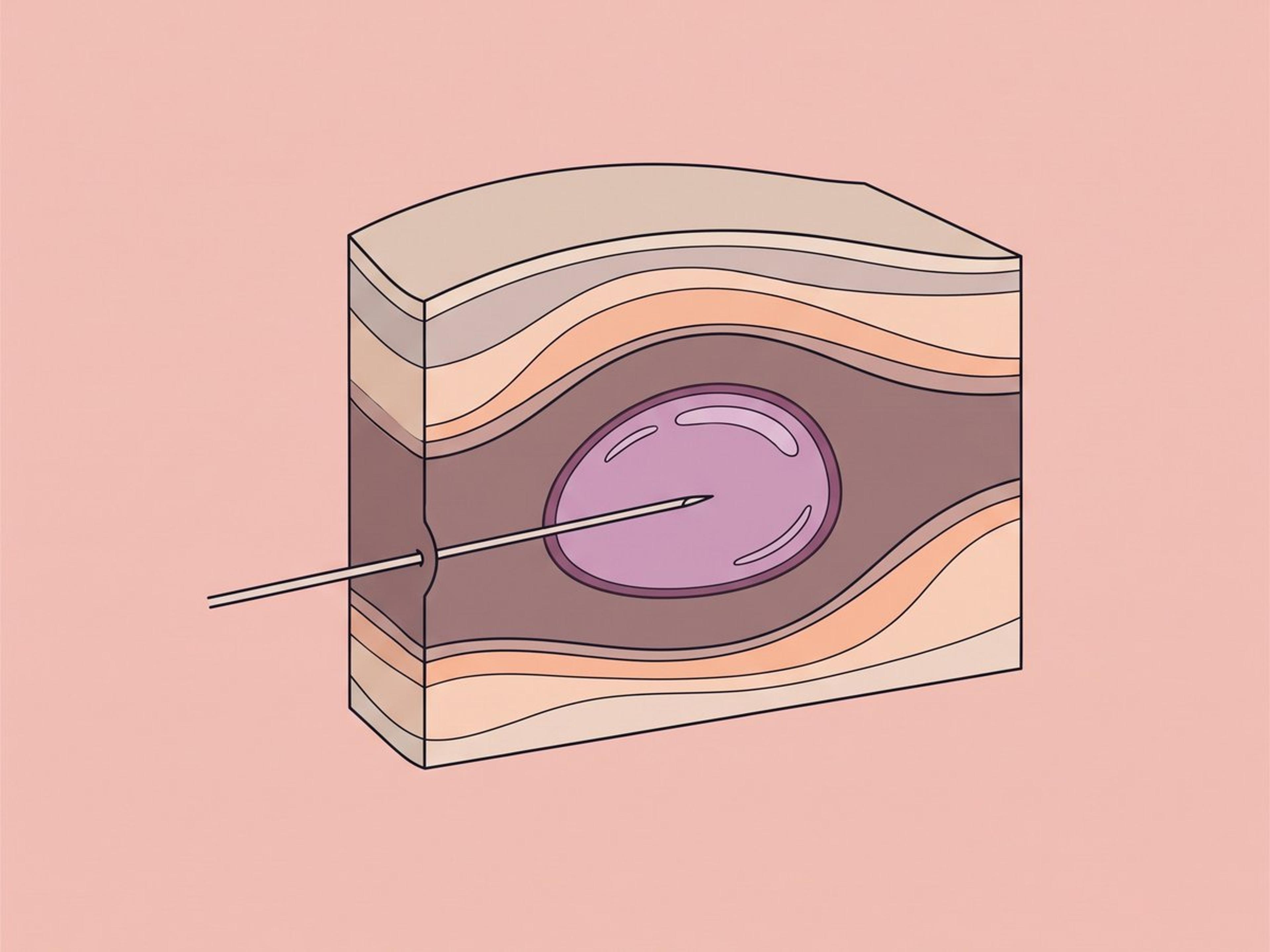
We inject into the filler mass itself rather than around it, because the enzyme penetrates the gel far better from inside it. Published dosing runs from roughly 500 units per mL for biphasic filler to 750 units per mL for heavily cross-linked monophasic products, diluted in saline and followed by firm massage. This is the approach for overfill, migration and discrete nodules.

Instead of a fixed dose, we place small aliquots and read the result at 48 hours before deciding whether more is needed. It limits collateral breakdown of your own dermal hyaluronic acid and reduces the chance of overshooting into a hollow or lax area. Most elective cases finish in 1 to 2 visits.
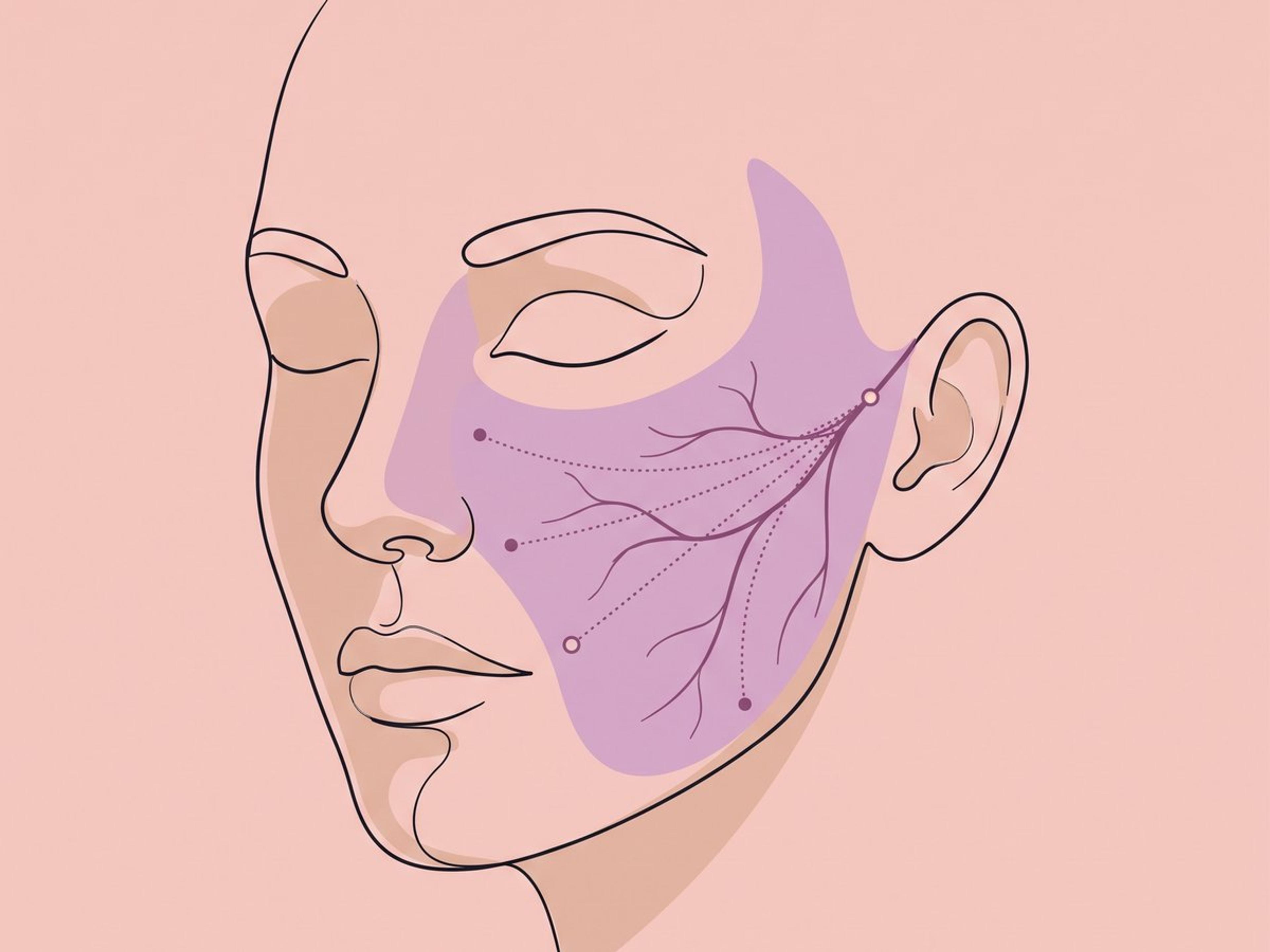
If filler has occluded an artery, hyaluronidase is flooded across the whole ischaemic vascular territory — commonly several hundred to over a thousand units — with firm massage, then capillary refill and skin colour are reassessed and the dose repeated at roughly 15 to 60 minute intervals until perfusion returns. This is an emergency, treated the moment it is suspected, not a scheduled appointment. It is also the reason hyaluronidase belongs on site anywhere filler is injected.
The session, step by step
Identifying what was injected
The original product record — name, batch, volume and the exact sites — sets the dose, because biphasic gels break down at roughly 500 units per mL while heavily cross-linked monophasic gels need around 750 and often a second pass. Non-HA fillers do not respond to the enzyme at all, so where the record is missing we image the area with ultrasound before agreeing to treat.
Allergy history and consent
Bee or wasp venom sensitisation and any previous hyaluronidase exposure are asked about again on the day, because a review of 106 reported allergy cases found many followed a second, uneventful-until-then exposure. Consent also records what patients are usually not told: no hyaluronidase product is licensed anywhere for dissolving dermal filler. Adrenaline and antihistamines are in the room from this point on.
Marking and topical anaesthetic
The filler is marked where it actually sits, which is frequently not where it was placed — migrated lip and tear-trough gel is the commonest elective reason people come. Numbing cream goes on and costs about 20 minutes.
Titrated injection into the filler itself
Hyaluronidase goes through a fine needle into the gel rather than around it, because the enzyme penetrates the filler far better from inside it, and the area is then massaged firmly to spread it through the mass. Small aliquots are placed instead of one large dose, which limits how much of your own dermal hyaluronic acid is degraded alongside the filler. The injecting takes 10 to 15 minutes.
Observation before you leave
You stay with us for a short period afterwards rather than leaving straight away, because hypersensitivity — urticaria, angioedema and, rarely, anaphylaxis — declares itself within minutes to hours, not days.
The 48-hour review
Swelling from the injection hides the change on the day, so the result is read at 48 hours rather than in the mirror that evening. Particulate filler largely clears within 1 to 2 hours while dense monophasic gel can take a full 24, and this review is where the decision to give a second dose is actually made.
Filler dissolving: recovery week by week
- First 24 hours
Swelling, redness and bruising at the injection sites peak now and commonly exceed the swelling from the original filler — that is the needle and the massage, not a complication. Keep the area cool and upright and skip alcohol and strenuous exercise for the day to limit bruising. The enzyme has done most of its work within about 30 minutes; you simply cannot see it yet.
- Day 2 — the review
The first honest look. Injection swelling has come down far enough to show what has actually gone, which is why the reassessment sits here and not on the day. Heavily cross-linked monophasic filler that has barely moved gets its second dose at this visit.
- Days 3–7
Bruises are at their most visible early in this window and fade over about a week; makeup, normal skincare and full exercise are back with no restrictions. The area often looks flatter, thinner and more lined than your pre-filler baseline right now, because your own dermal hyaluronan was degraded alongside the gel.
- Week 2
The settled result, and the earliest point at which new filler can sensibly be placed. Skin hyaluronan turns over rapidly and has regenerated by now, so the hollowness of the first week has lifted and what you see is close to your true pre-filler baseline — which is exactly what any rebuilding plan has to be measured against.
- Week 4
If dense filler needed a second pass, it is given after a 1 to 2 week interval and follows the same short arc, so a full elective case usually closes out around here. Firm deposits that survive two properly dosed sessions are the point at which we question whether the original product was hyaluronic acid at all.
Filler dissolving: how to prepare
- Bring the record of what was injected — product name, batch, date, volume and the exact sites. Dose depends heavily on whether the gel is biphasic or monophasic, and that difference changes both the units required and the number of sessions. Where the product is unknown or a non-HA filler is suspected, we assess the area with ultrasound before treating.
- Tell us about any bee or wasp sting reaction, any previous hyaluronidase injection, drug allergies and current immunosuppression. Venom sensitisation is the main identified risk factor, and a review of 106 reported allergy cases found many occurred on a second exposure — an uneventful dissolving session in the past is not reassurance. Where there is an allergic history and the case is not urgent, an allergist's intradermal test comes first; routine skin testing without that history is not recommended, because no validated test concentration exists.
- Leave at least 48 hours between botulinum toxin in the same area and this injection.
- Do not have the area treated over actively infected or acutely inflamed skin, unless a biofilm is being managed under antimicrobial cover.
- Book at least 2 weeks ahead of any planned re-filling, facial surgery, or event you care about being photographed at.
- Stop non-essential blood thinners, fish oil and alcohol beforehand to limit bruising. We take standardised photographs before we start.
Filler dissolving: risks
Every operation carries risk. We name them so you can ask the right questions.
- Hypersensitivity to hyaluronidase — urticaria and angioedema within minutes to hours, and rarely anaphylaxis. Risk is higher with previous hyaluronidase exposure and with bee or wasp venom allergy. Adrenaline and antihistamines stay in the room.
- Loss of your own hyaluronic acid. The enzyme is not selective and spreads through tissue, so it degrades the hyaluronan your skin makes alongside the filler, leaving the area temporarily flatter, thinner, more lined or slightly lax. It also means sculpted, partial dissolving is difficult — the treatment is closer to all-or-nothing.
- Incomplete or asymmetric dissolving, particularly with heavily cross-linked monophasic gels, which resist enzymatic breakdown and can leave firm residual deposits requiring repeat sessions.
- Bruising, swelling, redness, pain and itching at the injection sites. These are near-universal in the first 24 to 72 hours and often exceed the swelling from the original filler.
- Spread of a localised infection if the enzyme is injected into or around acutely infected or inflamed tissue — a labelled warning on hyaluronidase products.
- No effect on non-HA fillers. Poly-L-lactic acid, calcium hydroxylapatite, polymethylmethacrylate and silicone do not respond to hyaluronidase; treating them with it wastes time and delays the correct management.

Filler dissolving in Turkey: what to expect
This is an injection, not an operation, and that changes almost everything about the trip. There is no theatre, no general anaesthetic, no dressings and nothing to recover from in the surgical sense. What you are travelling for is the assessment before and the reassessment after.
Before you fly
In Türkiye, only a physician may inject dermal filler or hyaluronidase in the face. A 2015 Ministry of Health circular to all 81 provincial health directorates states it plainly — the training sits inside plastic, reconstructive and aesthetic surgery and dermatology specialty training, people outside medicine cannot practise on the strength of a short-course certificate, and the procedure must take place in a Ministry-licensed health facility. Ask any clinic, including us, for the injector's specialty registration and the facility licence. Talk to the doctor before you book the flight.
At the clinic
You are awake and sitting up. We go through what was injected, when and where, mark the area and apply topical anaesthetic. The injection takes 10 to 15 minutes and is followed by firm massage. We place small doses and reassess rather than flooding the area, because the enzyme cannot tell your filler from your own tissue. Consent covers something patients are often not told: no hyaluronidase product is licensed anywhere for dissolving dermal filler — the FDA label for Hylenex covers dispersing other injected drugs and fluids, and subcutaneous urography. Adrenaline and antihistamines are kept within reach for the whole appointment.
Recovery in Istanbul
Plan 2 days and 2 hotel nights, with 1 follow-up visit. There is nothing to recover from, but there is something to watch — hypersensitivity, when it happens, appears within minutes to hours, so staying within reach of us on the day of the injection is sensible rather than mandatory. Come back the next day instead of judging the result in the mirror that evening. Particulate filler largely goes within 1 to 2 hours, dense monophasic gel can take a full 24, and the swelling from the injection itself hides what has actually changed.
Heading home
You can fly the same day — there is no incision, no general anaesthetic and none of the wound-healing or pressure-change reasoning that governs flying after surgery. We would rather you left 1 day later, after we have seen you. The settled result reads at about 2 weeks, not at the airport, and if dense, heavily cross-linked filler needs a second pass, that is a second trip after a 1 to 2 week interval rather than a longer stay.
- United Kingdom
- £150 – £400 per session
- United States
- $300 – $800 per session
- Western Europe
- €150 – €400 per session
Published typical ranges for orientation — confirm with a local quote.
Filler dissolving: frequently asked questions
How long does filler dissolving take to work?
The enzyme does most of its work within about 30 minutes in the tissue, and particulate fillers can visibly break down within 1 to 2 hours. Heavily cross-linked monophasic gels can take up to 24 hours and often need a second dose. Swelling from the injection hides the change, so the honest read is at 48 hours, with the settled result at about 2 weeks.
Can hyaluronidase dissolve every type of filler?
No. It only degrades hyaluronic acid — the Juvéderm, Restylane and Belotero families and their equivalents. Poly-L-lactic acid, calcium hydroxylapatite, polymethylmethacrylate and silicone are not reversible by enzyme and need entirely different management, which is why we want to know what was injected before we agree to treat.
Will dissolving my filler leave my face saggy or deflated?
For the first 1 to 2 weeks the area can look flatter, thinner and more lined, because the enzyme breaks down the hyaluronic acid your own skin makes as well as the filler. Skin hyaluronan turns over rapidly and this recovers. What is left afterwards is usually your pre-filler baseline rather than new damage — and dosing in small increments, instead of one large dose, limits how far it goes.
Is filler dissolving FDA-approved?
Not for this. Hyaluronidase products such as Hylenex are licensed as adjuvants to increase the dispersion and absorption of other injected drugs and fluids, and for subcutaneous urography. Dissolving dermal filler is off-label in the US and an unlicensed use of a prescription-only medicine in the UK — legitimate, standard practice everywhere, and something we put in the consent rather than leave unsaid.
How soon after dissolving can I have new filler?
2 weeks, as a minimum. That interval lets residual enzyme activity end, your own tissue hyaluronic acid regenerate, and the swelling settle so the true baseline is visible before anything is rebuilt. Injecting sooner risks the new filler being partly degraded and, more importantly, misjudging how much volume is actually needed.
Is hyaluronidase also an emergency treatment?
Yes — it is the first-line treatment for filler-induced vascular occlusion, where filler blocks an artery and threatens skin necrosis or, around the eye, vision. High-dose hyaluronidase is flooded across the affected vascular territory immediately and repeated until perfusion returns. Any clinic injecting hyaluronic acid filler should hold hyaluronidase on site, and that is a fair question to ask before anyone injects you.
How much does it cost to dissolve filler in Istanbul?
€150 to €500 per session with us, depending on how many areas are involved and how heavily cross-linked the filler is — consultation and assessment of what was originally injected, the enzyme, the injection and one review visit included. A single lip or one tear trough sits at the lower end. We should say plainly that no society survey or official source publishes hyaluronidase pricing for Turkey, so this is our editorial figure rather than a surveyed one.
Who should not have filler dissolved?
Anyone with a bee or wasp venom allergy or a previous reaction to hyaluronidase — venom sensitisation is the main identified risk factor, and elective treatment waits for an allergist's assessment first. The enzyme is also withheld over actively infected or acutely inflamed skin unless a biofilm is being managed under antimicrobial cover, because it can spread a local infection. It does nothing at all for poly-L-lactic acid, calcium hydroxylapatite, polymethylmethacrylate or silicone. And it is not given electively in pregnancy or while breastfeeding, since there is no safety data to give it on. None of that applies to a suspected vascular occlusion, which is treated regardless.
What should make me contact the clinic afterwards?
Within minutes to hours: hives or itching spreading beyond the injection sites, swelling of the lips, tongue or throat, wheeze, or feeling faint. That is hypersensitivity and it needs treating immediately, not at the follow-up. In the days after: spreading redness, warmth, increasing pain, fever, or a new tender lump, which point to infection or an inflammatory nodule. Swelling, bruising and itching confined to the injection points are expected and peak in the first 24 to 72 hours.
Won't the filler just wear off on its own if I wait?
Often it does not. Hyaluronic acid fillers are marketed with durations of 6 to 18 months, but MRI studies have found product still present in the face years after injection, and migrated lip and tear-trough filler is the most reported version of this. Those duration figures describe how long the aesthetic effect lasts, not how long the gel stays in the tissue — which is why waiting is a reasonable plan for a mild overfill and an unreliable one for filler that has moved.
Can you dissolve just part of the filler?
Not reliably. Hyaluronidase diffuses through tissue and cannot tell your filler from the hyaluronic acid your own skin makes, so it will not stay confined to the portion you dislike. Dosing in small increments and reading the result at 48 hours limits how far it travels, but the honest framing is closer to all-or-nothing: clear the area, wait 2 weeks for your own baseline to return, then rebuild from there.
How much does filler dissolving cost in Turkey?
€150 to €500 with us, confirmed after a consultation rather than quoted blind. For comparison it is typically £150 – £400 per session in the United Kingdom, $300 – $800 per session in the United States and €150 – €400 per session in Western Europe. Per session, and the figure depends on how much filler is being dissolved. Old or heavily layered filler often takes more than one appointment.
Sources
- [1]HYLENEX recombinant (hyaluronidase human injection) – FDA Prescribing Information · DailyMed, U.S. National Library of Medicine · 2023
- [2]Guideline for the Safe Use of Hyaluronidase in Aesthetic Medicine, Including Modified High-dose Protocol · The Journal of Clinical and Aesthetic Dermatology · 2021
- [3]The Role of Hyaluronidase in the Treatment of Complications From Hyaluronic Acid Dermal Fillers · Aesthetic Surgery Journal (PubMed / NLM) · 2013
- [4]Risks and rewards: What to know about dissolving filler · American Society of Plastic Surgeons · 2025
- [5]How Should We Use Hyaluronidase for Dissolving Hyaluronic Acid Fillers? · Journal of Cosmetic Dermatology (PMC / NLM) · 2025