

Di cosa si tratta
Rhinoplasty reshapes the bone and cartilage of the nose to change its size, profile, or proportions. It is done under general anaesthesia and is one of the more technically demanding operations in facial surgery — small structural changes have outsized effects on how the rest of the face reads.
Most people come to it for a dorsal hump, a wide, bulbous or drooping tip, a crooked or asymmetrical nose, or a breathing problem paired with a cosmetic concern. Wide nostrils (narrowed at the base with an alar base reduction) and an over-projected nose that sits too far from the face are also common goals. Functional and cosmetic work is often handled in the same operation.
Most people come to it for a dorsal hump, a wide or bulbous tip, asymmetry, or a breathing problem paired with a cosmetic concern. Functional and cosmetic goals are often handled in the same operation.
Come funziona
Dal canale della clinica — l'intervento spiegato in parole semplici.
Le nostre tecniche
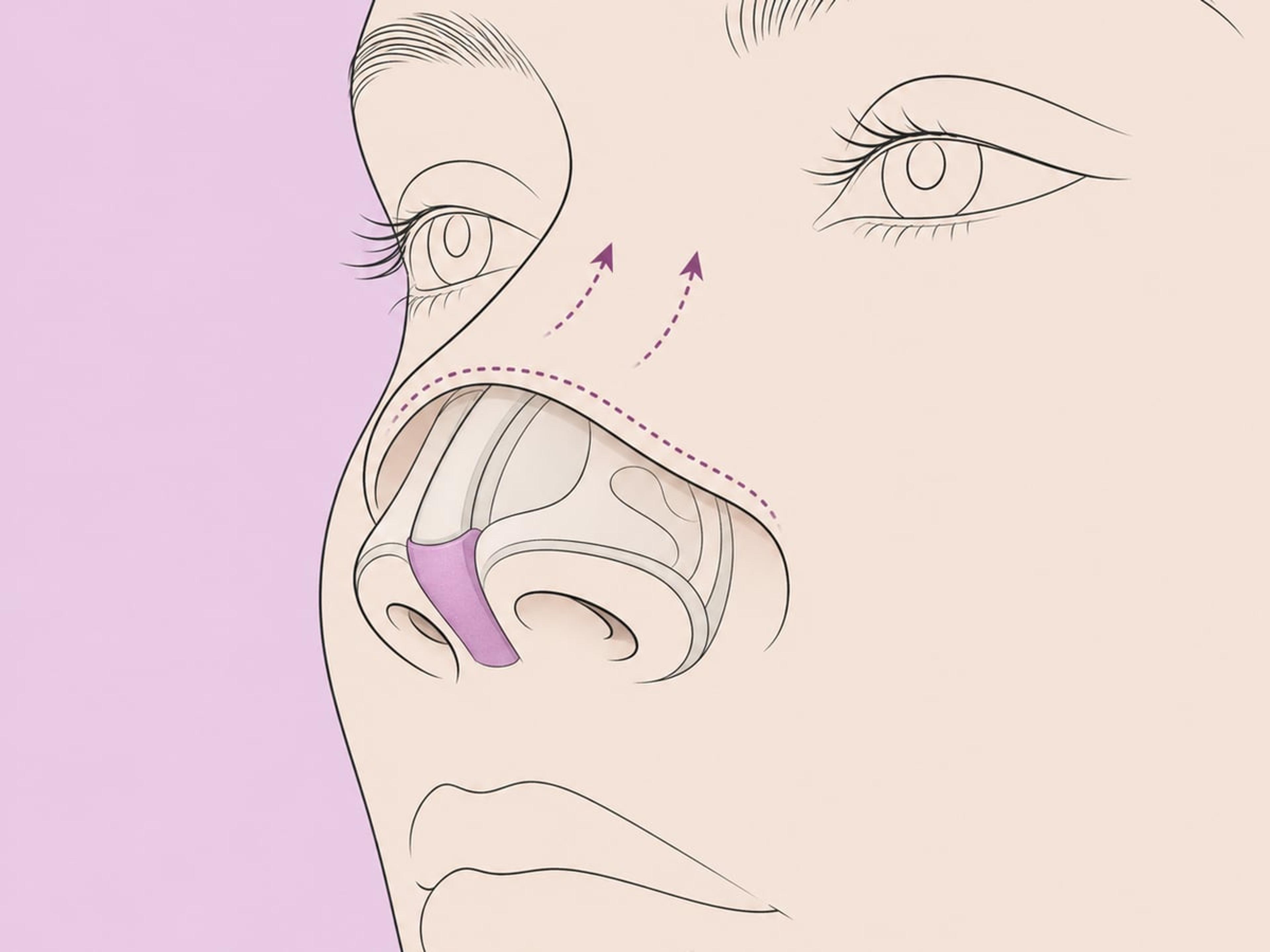
A small incision across the columella — the strip of skin between the nostrils — lets the surgeon lift the skin and work on the framework directly. It is the standard approach for tip work, revisions, and more complex reshaping. The external scar is usually imperceptible after a few months.
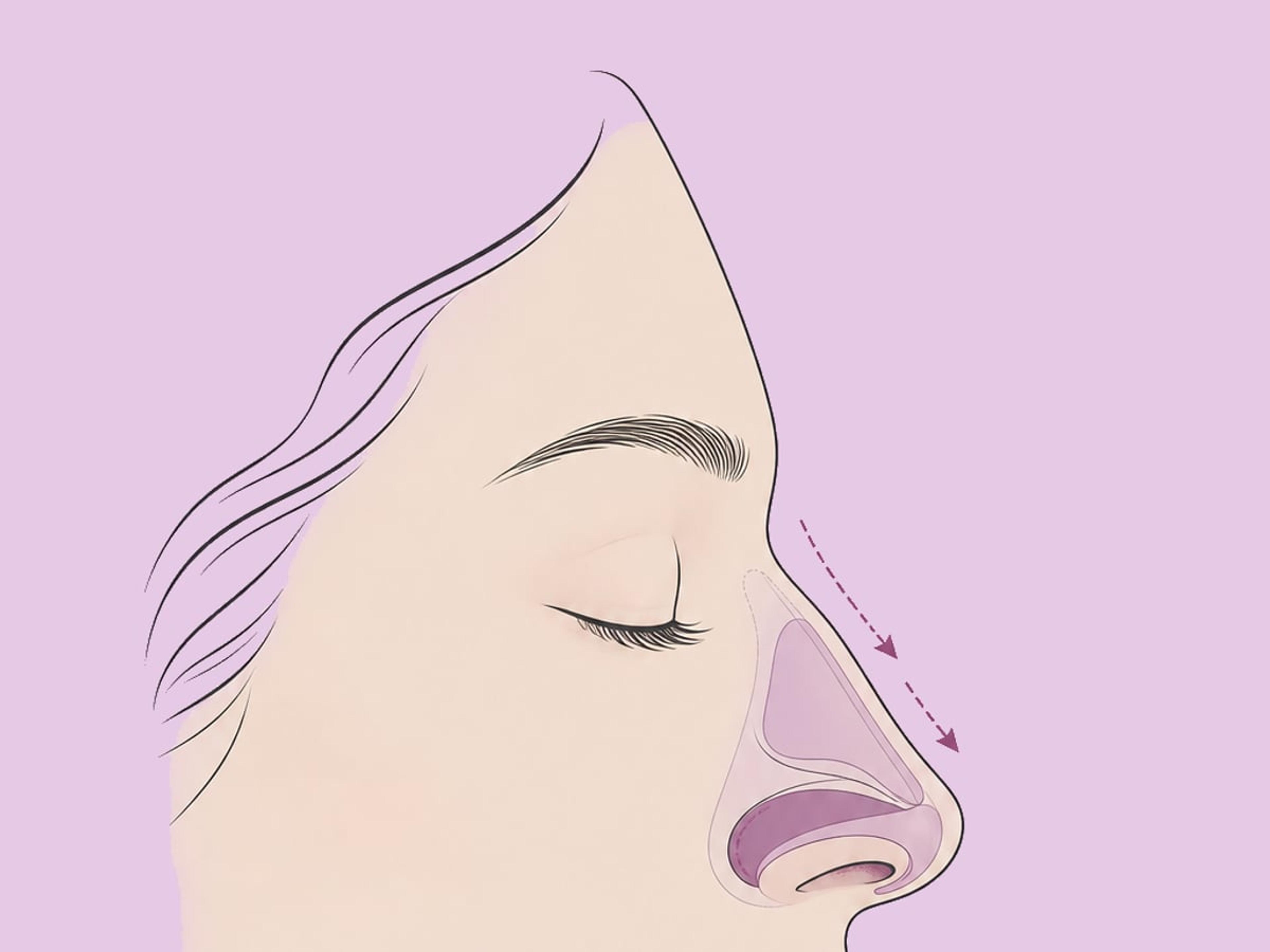
All incisions sit inside the nostrils, leaving no external scar. It suits straightforward bridge or hump reductions where the tip needs little restructuring. Recovery tends to be slightly faster, though the surgeon works with more limited visibility.
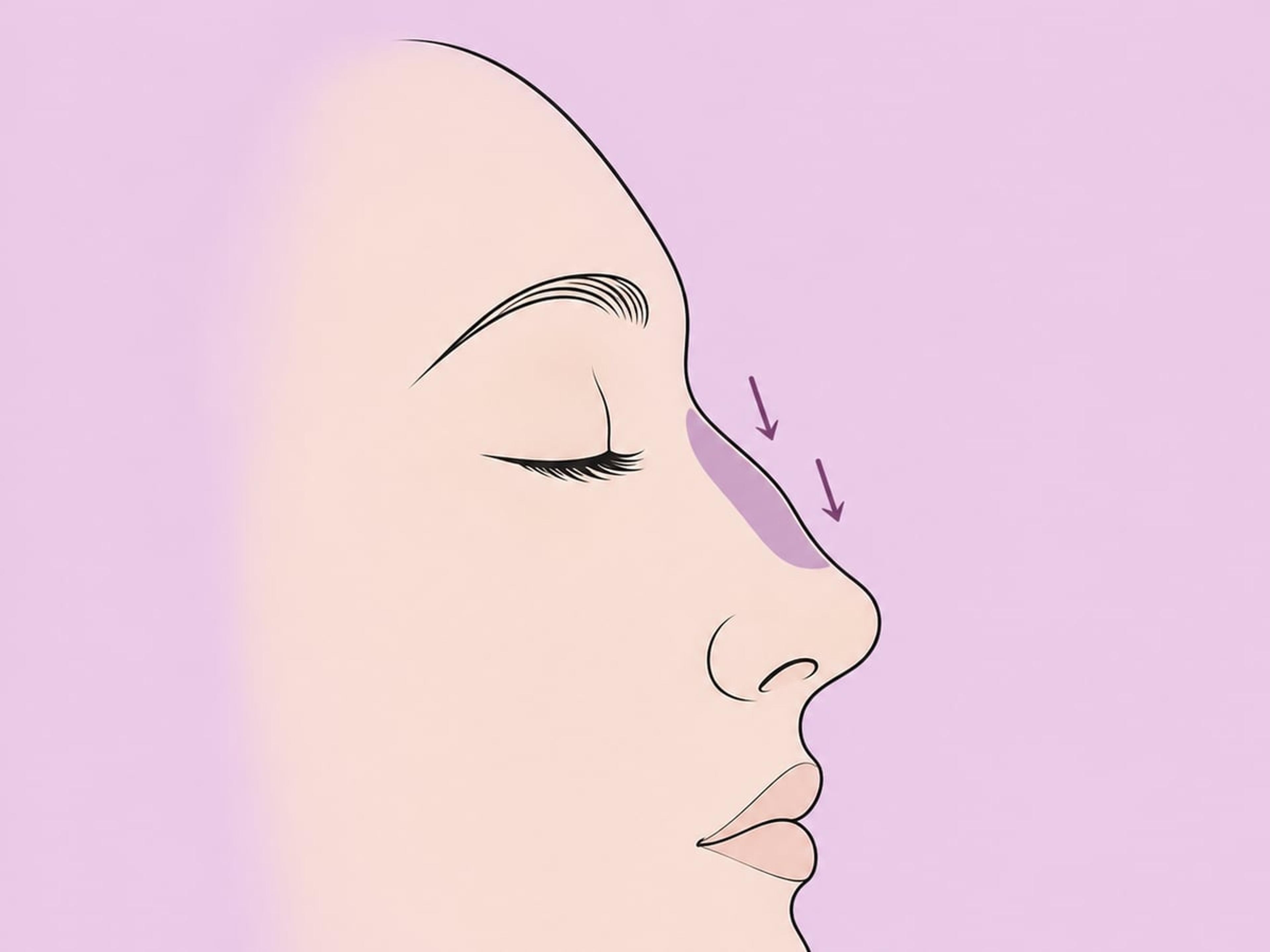
A newer approach that reshapes the bridge by repositioning existing structure rather than removing it. For suitable candidates it can preserve a more natural line and shorten swelling timelines, though not every nose is anatomically a good fit.
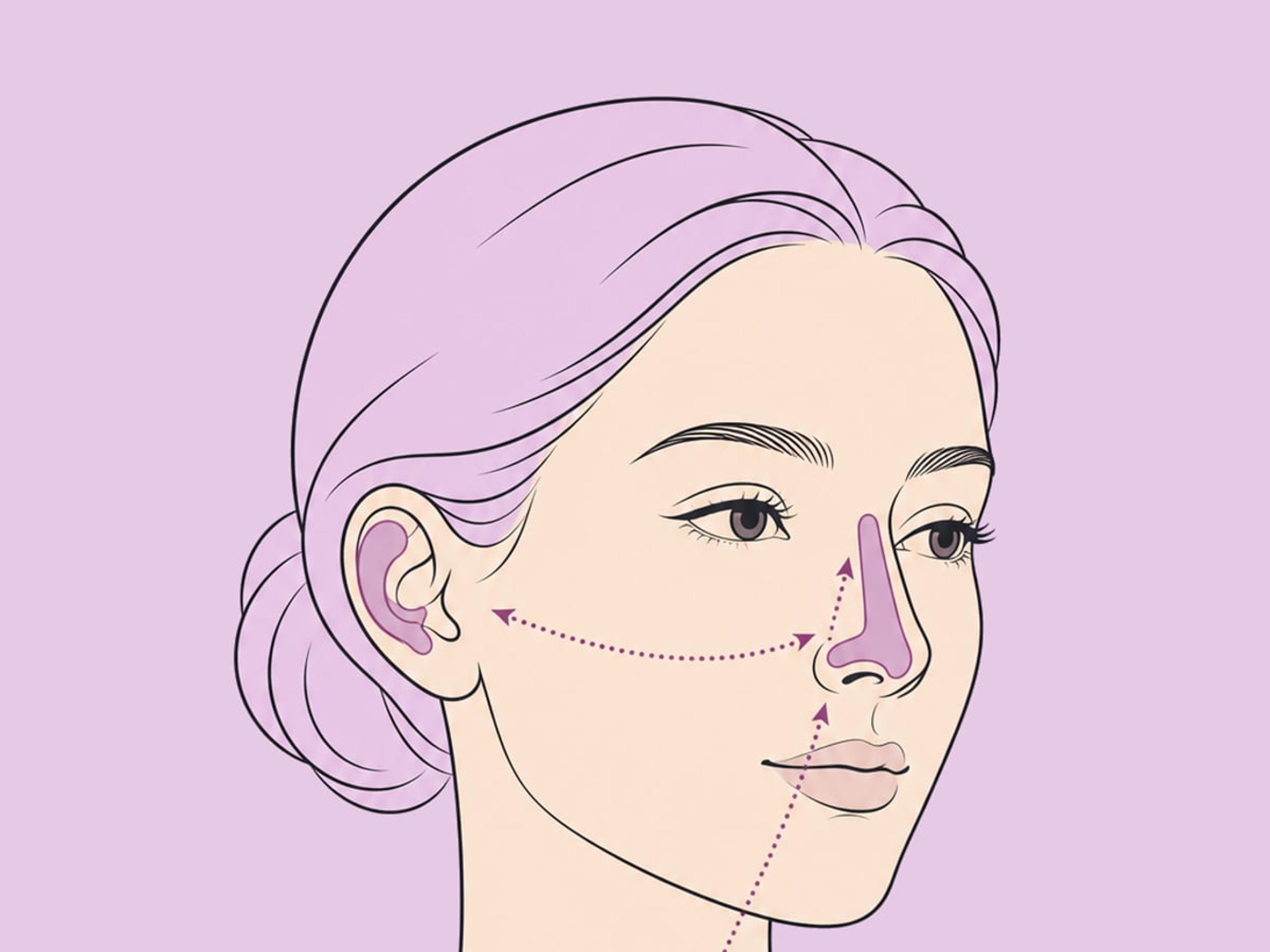
Individualised variants that account for skin thickness, cartilage strength, and prior surgery. Ethnic rhinoplasty — for patients of African, Asian, Middle Eastern, or Hispanic descent — works with the nasal characteristics you already have, adding structural support rather than simply reducing, so the result stays in keeping with the rest of the face. Both routes often involve cartilage grafting — usually from the septum, ear, or rib — to rebuild support, so planning is more detailed and timelines longer.
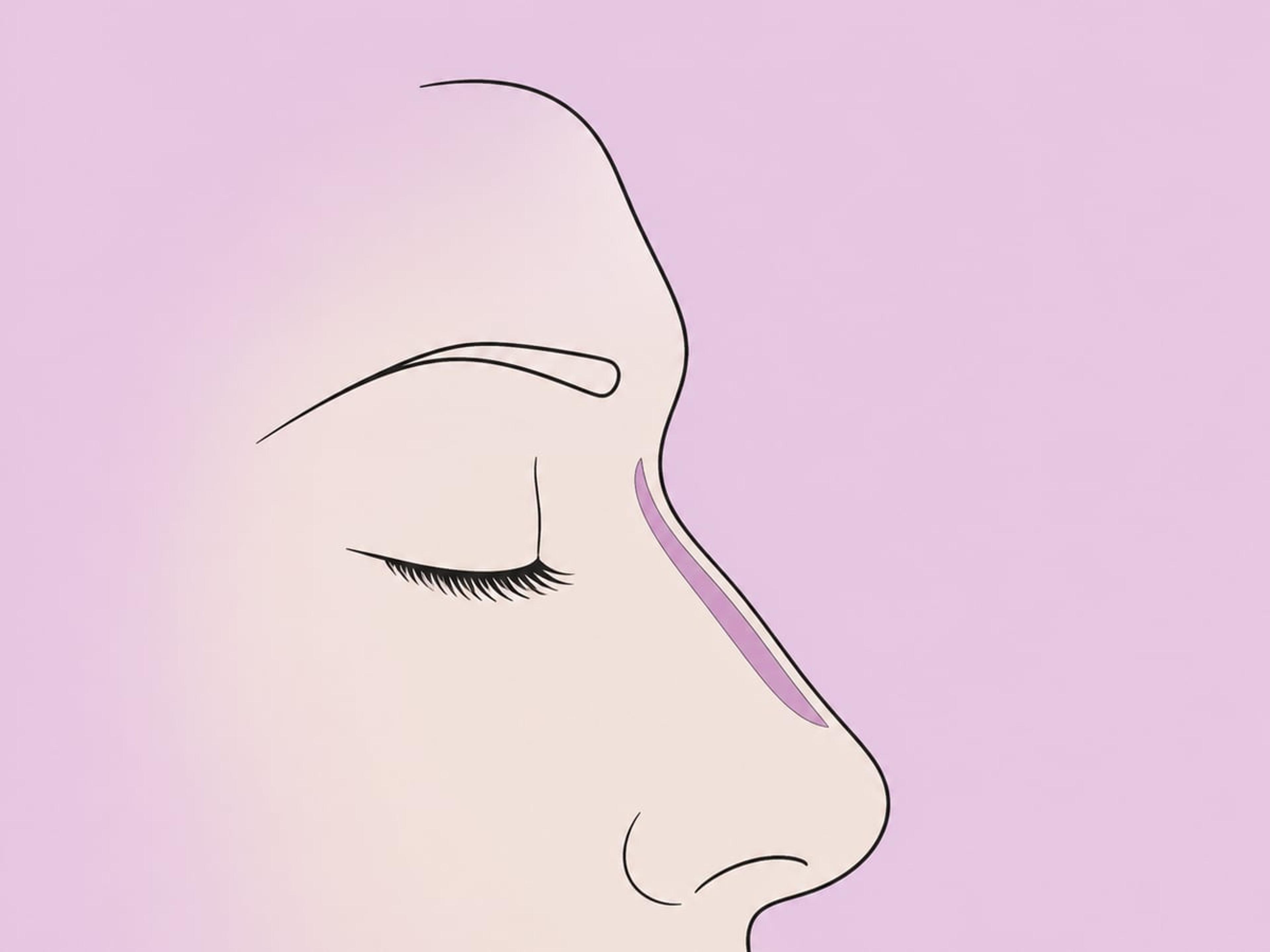
A piezoelectric handpiece reshapes the nasal bones with fine ultrasonic vibration instead of a chisel and mallet, cutting bone while leaving skin, blood vessels, and soft tissue intact. It suits noses that need a hump reduced or the bony vault narrowed, and it pairs naturally with preservation work. The practical gain is less bruising and swelling through the first two weeks, at the cost of slightly longer operating time.
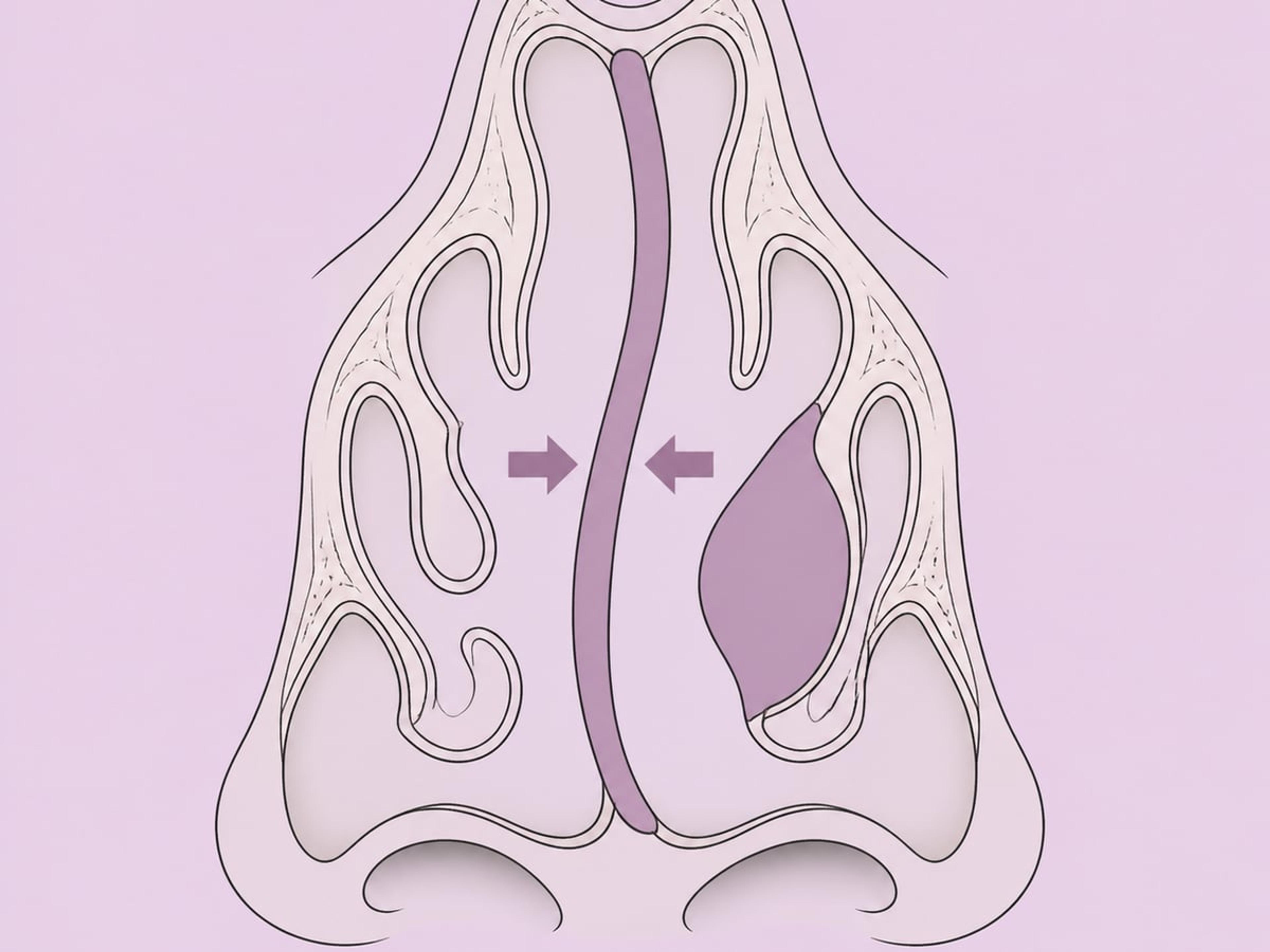
One operation that straightens a deviated septum — and, where they are crowding the airway, reduces enlarged turbinates (concha) — while reshaping the outside of the nose. It suits anyone whose blocked breathing sits alongside a cosmetic concern, and is planned with an ENT surgeon rather than added on the day. Doing both at once means a single anaesthetic and a single recovery.
The operation, step by step
Anaesthesia and the chosen approach
You are asleep for the whole operation, which runs about two to three hours. Whether the surgeon works through the nostrils alone or adds a small incision across the columella is decided at consultation, not on the day — it follows how much tip restructuring the plan requires.
Lifting the skin off the framework
The soft-tissue envelope is raised in a precise plane to expose the bone and cartilage underneath. How cleanly that plane is followed shapes how much you swell and how the skin re-drapes over the new structure months later.
Reshaping the bridge
A dorsal hump is reduced or the existing bridge is repositioned, and controlled bone cuts narrow the sides where needed. Ultrasonic instruments cut bone without tearing the surrounding soft tissue, which is the main reason bruising is lighter than older chisel technique.
Rebuilding the tip
Tip cartilage is reshaped with sutures and, where support is thin, reinforced with grafts taken from the septum, ear, or rib. Support is the part that ages well — tips that are only reduced tend to drop or pinch over the following years.
Closing, splinting, one night in
The incisions are closed and an external splint — sometimes with internal silicone supports — goes on to hold the framework steady while the bone knits. You stay one night at the clinic for monitoring, and the splint stays on for about a week.
Il recupero, settimana per settimana
- Day 1
You wake with a small external splint and internal nose cast. Expect congestion, mild bruising under the eyes, and a dull ache rather than sharp pain.
- Week 1
The splint and any sutures come off around day 7. Bruising fades, though the nose looks swollen and slightly upturned — this is expected. Most people work from home this week.
- Week 2
You are typically presentable in public. Residual swelling sits mostly in the tip and bridge, and breathing may still feel blocked from internal swelling.
- Week 6
Light exercise can resume from around week 4 and most gym work by week 6 — anything that risks a knock to the nose waits until the surgeon clears it. Internal swelling keeps easing, so breathing feels noticeably freer.
- Month 3
About 70–80% of the swelling has settled. The shape is recognisably yours, though the tip stays a little firm and may shift subtly over the coming months.
- Month 12
The final result. The tip softens, definition sharpens, and the nose settles into the rest of the face. Thicker skin can take up to 18 months to fully refine.
Come prepararsi
- Stop blood thinners, ibuprofen, and supplements like vitamin C, vitamin E, fish oil, and ginkgo 14 days before surgery.
- Stop smoking and all nicotine at least 4 weeks before — it materially affects healing.
- Plan to sleep on your back with your head elevated with multiple pillows for the first 1–2 weeks.
- Keep flights and contact sport off your calendar for the first month, glasses off the nose for about 3 months, and direct sun and tanning off for 6 months while the skin stays UV-sensitive.
- Arrange someone to stay with you for the first 24–48 hours after surgery.
Rischi
Ogni operazione comporta dei rischi. Li nominiamo perché possiate fare le domande giuste.
- Prolonged swelling, particularly in the tip
- Asymmetry or minor irregularities visible in certain light
- Dissatisfaction with the settled shape, occasionally needing revision surgery
- Temporary numbness of the tip and upper lip
- Breathing changes if internal structures are altered
- Bleeding or infection — both uncommon
- Need for revision surgery
Cosa aspettarsi in Turchia
A rhinoplasty trip to Istanbul is short and structured. You plan the surgery with the surgeon before you fly, stay for about a week around a single splint-removal review, and travel home once the splint is out and you have been cleared.
Before you fly
Your consultation happens before you travel — photographs, medical history, and a frank conversation about what your nose can and cannot become. The preparation steps above apply unchanged. Most nationalities enter Turkey visa-free or on an e-visa for a short stay, and it is worth confirming the facility holds the Ministry of Health's health tourism authorisation.
At the clinic
Surgery is preceded by mandatory screening — bloodwork on arrival, an ENT assessment, and anaesthesia clearance. You stay one inpatient night afterwards, and the team checks your vitals and changes your bandages before discharge. Accreditation certifies the institution, not any one surgeon, so verifying board certification and case volume still matters. Multilingual coordinators and interpreters, along with airport and hotel transfers, are standard.
Recovery in Istanbul
Plan for about 7 days in the city, with roughly 7 hotel nights. The stay is built around a single in-clinic follow-up at day 6–7, when the internal packing and external splint come off. Between visits the aftercare team checks in daily, usually with photo updates relayed to the surgeon. Book your return flight accordingly.
Heading home
We prefer you fly home around day 7, once the splint is off and healing has settled; the surgeon issues the fit-to-fly clearance at that final review. Long-haul flights over four hours raise the risk of venous clots, so hydrate, move around the cabin, and consider compression stockings and surgeon clearance. Care continues for twelve months after you land, not twelve hours.
- United Kingdom
- £6,000 – £12,000
- United States
- $8,000 – $15,000
- Western Europe
- €5,000 – €9,000
Fasce pubblicate a scopo orientativo — da confermare con un preventivo locale.
Domande frequenti
How long do I really need off work?
Plan for 7 days if you can cover bruising with concealer and do not mind a visible splint for the first week. Two weeks is more realistic if your role is public-facing or on camera.
Does a nose job hurt?
Less than most people expect, and not in the way they expect. The nose feels blocked and heavy rather than sharp — a dull ache, pressure across the bridge, and congestion you cannot clear because the airway is swollen and splinted. It is at its worst in the first 48 hours, which is when cold compresses on the cheeks and sleeping propped up earn their keep, and prescribed painkillers cover it. The ache settles within a few days; the stuffiness outlasts it, easing once the splint and any internal supports come out around day 7.
How long does rhinoplasty swelling last?
Most of it goes early — you look socially presentable at about 2 weeks and good in photos by 6–8 weeks, and the milestones above trace it week by week. What is left is subtle: the fine refinement of the tip continues quietly for up to a year, sometimes longer in thicker skin.
Will I still look like myself?
A well-planned rhinoplasty is conservative on purpose — the goal is balance, not a different face. Friends often notice you look more rested before they realise what changed.
Will rhinoplasty change the rest of my face?
Only indirectly, and usually for the better. The nose sits at the centre of the face, so rebalancing it changes how the eyes, cheeks, and jawline read even though nothing else has been touched. Bone structure elsewhere is unaffected.
Do I see a simulation of the result beforehand?
Yes — digital 2D imaging is done at consultation so you and the surgeon are looking at the same target before anything is agreed. Treat it as a way of aligning expectations rather than a promise: the final shape depends on your bone, cartilage, and skin thickness.
Can I ask for a small, upturned 'Barbie' nose?
You can ask, and it is a common request. Whether it can be built depends on your skin thickness and cartilage strength, and over-rotating a tip to chase a trend tends to age badly. The surgeon will say plainly how close your anatomy gets.
Is open or closed rhinoplasty better?
Neither is universally better; it depends on what your nose needs. Open access is preferred for tip work and revisions, while closed can be elegant for simpler reductions. The surgeon's experience with their chosen approach matters more than the label.
Will I have visible scars?
A closed rhinoplasty leaves no external scar at all. An open rhinoplasty leaves a few-millimetre scar across the columella, tucked under the nose, which usually fades to near-invisible within a few months. Keeping it dry and out of the sun while it settles helps.
Can I combine it with septoplasty for breathing?
Yes — this is called a septorhinoplasty and is common. Combining functional and cosmetic work in one operation means one recovery, and parts of the cost may be partially covered by insurance where there is a documented breathing issue.
Is rhinoplasty in Turkey safe?
It is when the operation is done in a licensed operating theatre by a surgeon whose main work is noses. Yours is performed under general anaesthesia in a facility holding the Turkish Ministry of Health's authorisation, with anaesthetists and a full medical team on site, and screening — bloodwork, an ENT assessment, and anaesthesia clearance — is mandatory rather than optional. The honest caveat is that accreditation certifies the institution, not the person operating in it: ask any clinic, here or at home, for the surgeon's board certification and how many rhinoplasties they do a year.
How long should I stay in Istanbul?
Plan for about 7 days, with roughly 7 hotel nights. The stay is built around a single in-clinic follow-up at day 6–7 for splint removal, and we prefer you fly home after that, once the surgeon has cleared you.
How much does a nose job cost in Turkey?
A primary rhinoplasty in Istanbul starts from €2,750 and typically runs up to €5,100 as of 2026, covering the surgery, anaesthesia, one inpatient night, pre-operative tests, and interpreter support. Hotel accommodation, transfers, and flights can be arranged as optional extras. Revision and complex cases sit higher. We price the work plainly before you commit.
Are the results permanent?
Essentially, yes. Once the bone and cartilage have healed into their new shape, the change lasts a lifetime — though the nose continues to age gradually along with the rest of the face. That is the difference from a liquid rhinoplasty: a non-surgical nose job with filler camouflages a contour for a while, then fades as the filler breaks down.
What aftercare matters most in the first weeks?
Apply cold compresses to the cheeks — not the nose — for the first 48 hours, and sleep with your head elevated. Follow the surgeon's taping instructions so the skin settles onto the new framework. Keep the splint and the nose dry for the first week — moisture underneath invites infection. Contact lenses are usually fine from 2 weeks, but keep glasses off the bridge for about 3 months and avoid direct sun and tanning for 6 months while the skin remains sensitive to UV.
What happens if I need a revision?
Complication insurance is included in the treatment price, and a revision is performed free of charge when the surgeon confirms it is medically necessary. Elective touch-ups without a medical indication are priced as separate procedures. We also take on secondary work for people whose first operation was done elsewhere — a botched rhinoplasty, or a nose job gone wrong in someone else's hands — but that is planned and quoted as its own procedure.
Fonti
- [1]Rhinoplasty · American Society of Plastic Surgeons
- [2]Rhinoplasty · American Academy of Facial Plastic and Reconstructive Surgery
- [3]Rhinoplasty · StatPearls (NCBI Bookshelf)
- [4]Systematic Review and Meta-analysis of Studies Evaluating Functional Rhinoplasty Outcomes with the NOSE Score · PubMed