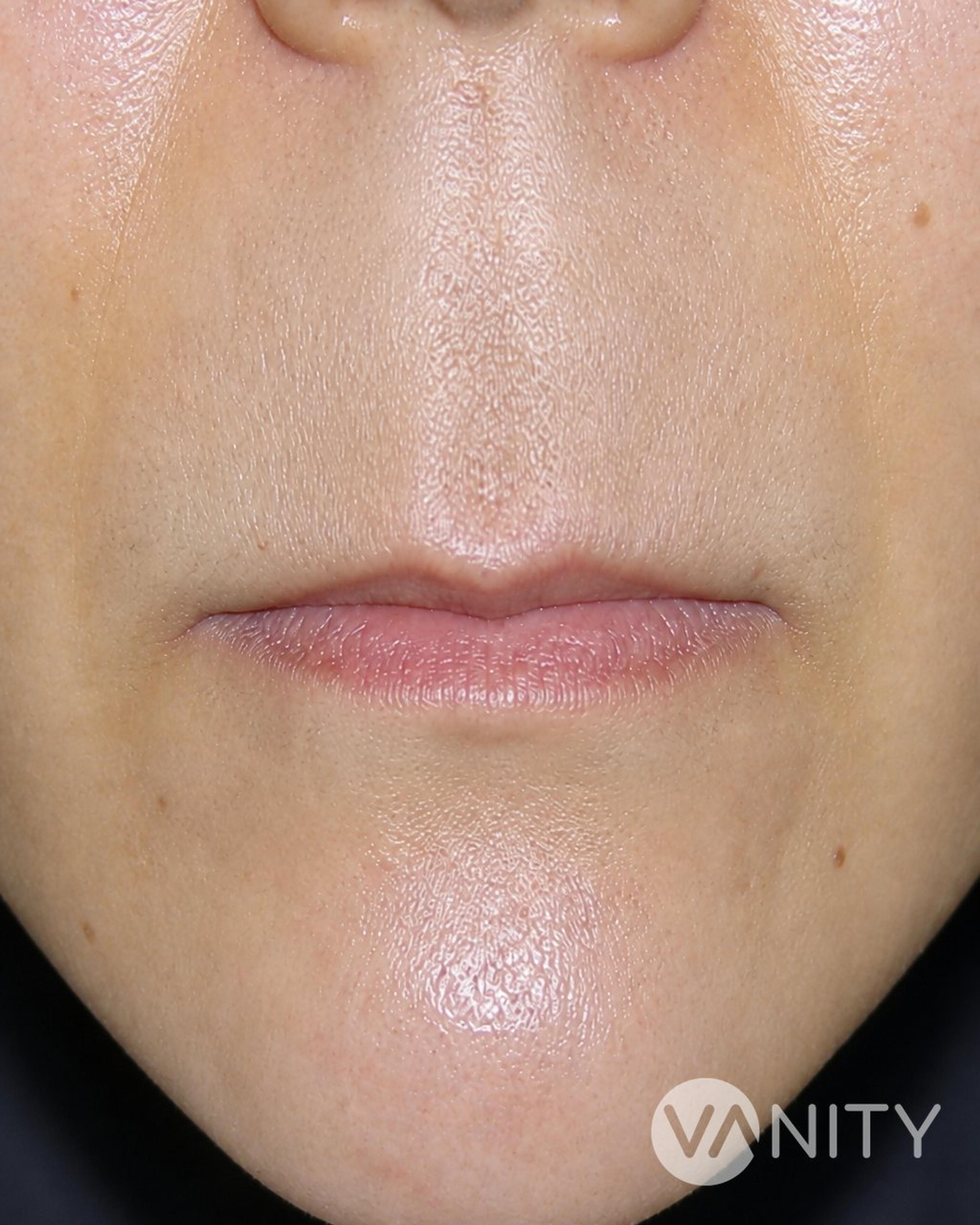
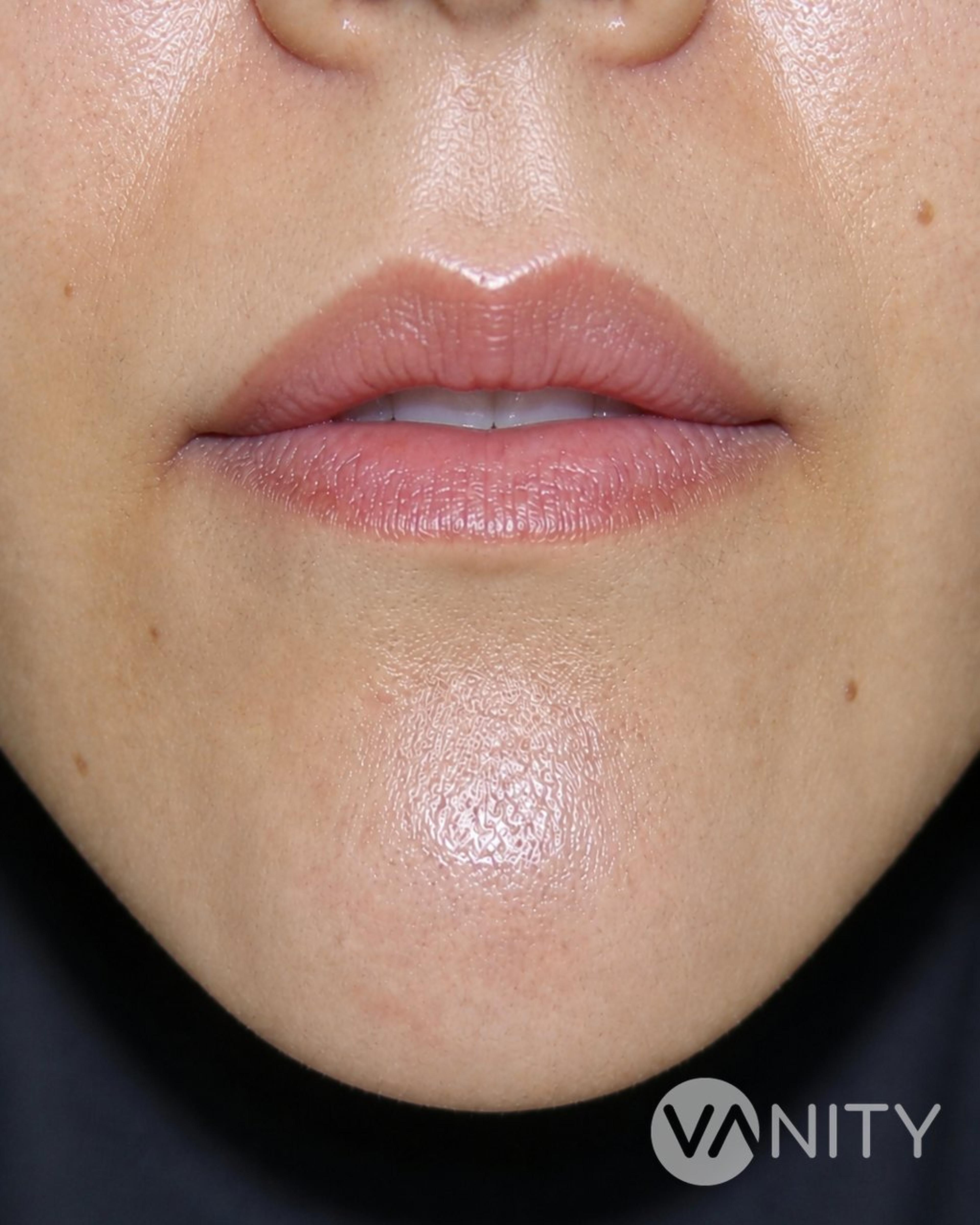



Lifting del labbro: che cos’è
Il lifting del labbro è un piccolo intervento che solleva il labbro superiore rimuovendo una sottile striscia di pelle sotto il naso. Può accorciare lo spazio tra naso e labbro, mostrare una maggiore porzione del rosa naturale del labbro e rendere un po' più visibili gli incisivi superiori a riposo. Il risultato è un'espressione più aperta ed equilibrata, che continua a sembrare il vostro vero volto. Di solito viene eseguito in anestesia locale, con sedazione leggera facoltativa, come procedura in giornata.
Può essere indicato per gli adulti il cui labbro superiore è sempre apparso lungo, o si è allungato nel tempo, facendo apparire il labbro più sottile o meno definito. Non è progettato per aggiungere volume — il filler può essere più adatto quando la principale preoccupazione è la pienezza. Un lifting del labbro lascia inoltre una cicatrice permanente sotto il naso, perciò discutiamo come potrebbe guarire prima che decidiate. Talvolta può essere pianificato insieme a una rinoplastica, a seconda della vostra anatomia e dei vostri obiettivi.
Lifting del labbro: tecniche
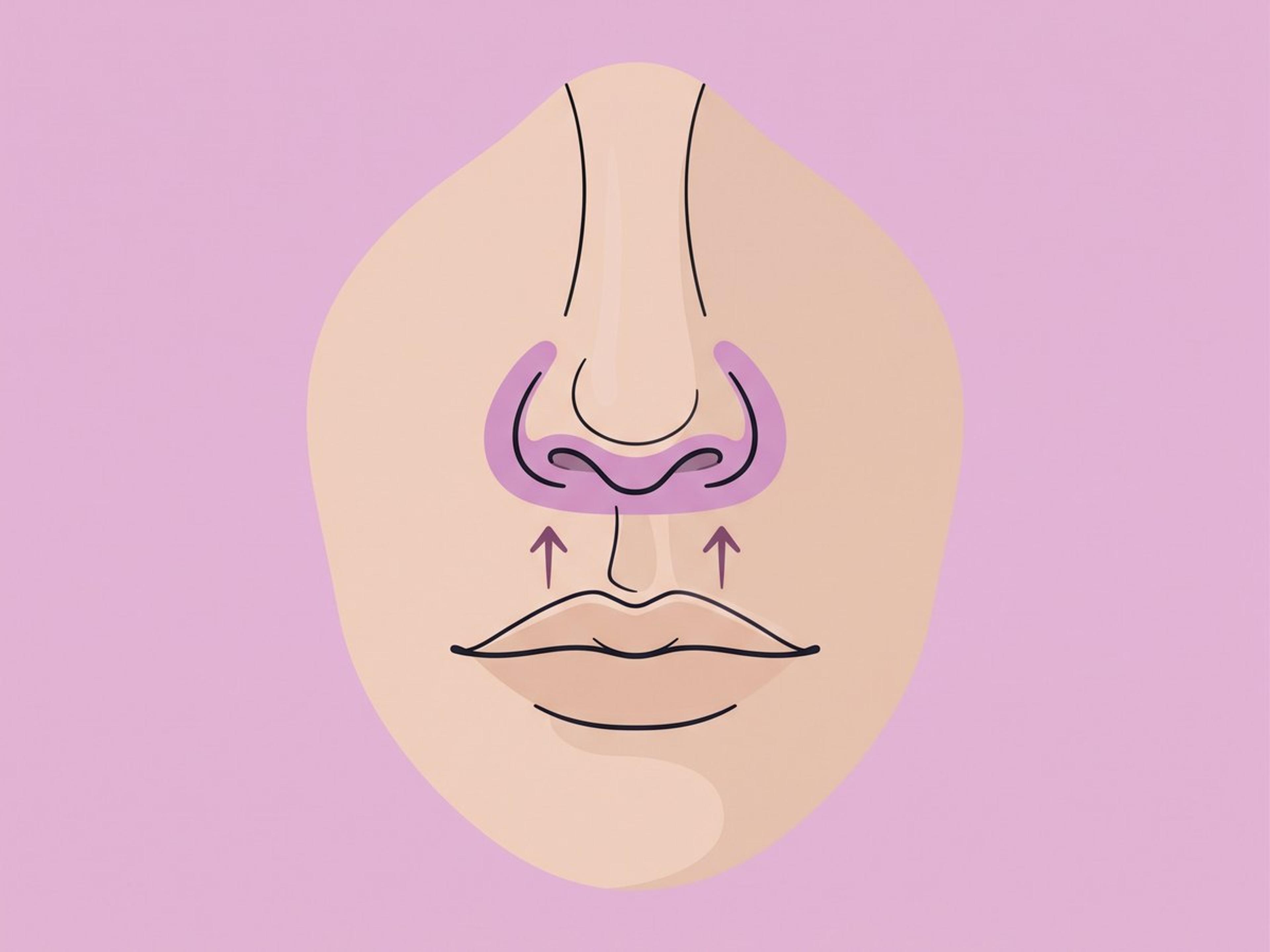
L'approccio più utilizzato e quello alla base della maggior parte delle evidenze pubblicate. Nella piega alla base del naso viene disegnata un'escissione a forma di corna di toro o di ali di gabbiano, seguendo le basi alari e la columella, così che la cicatrice si trovi in una naturale linea d'ombra. Si rimuove la pelle — e, nelle versioni modificate, una quantità misurata del tessuto sottostante — quindi il labbro viene avanzato verso l'alto e chiuso a strati.
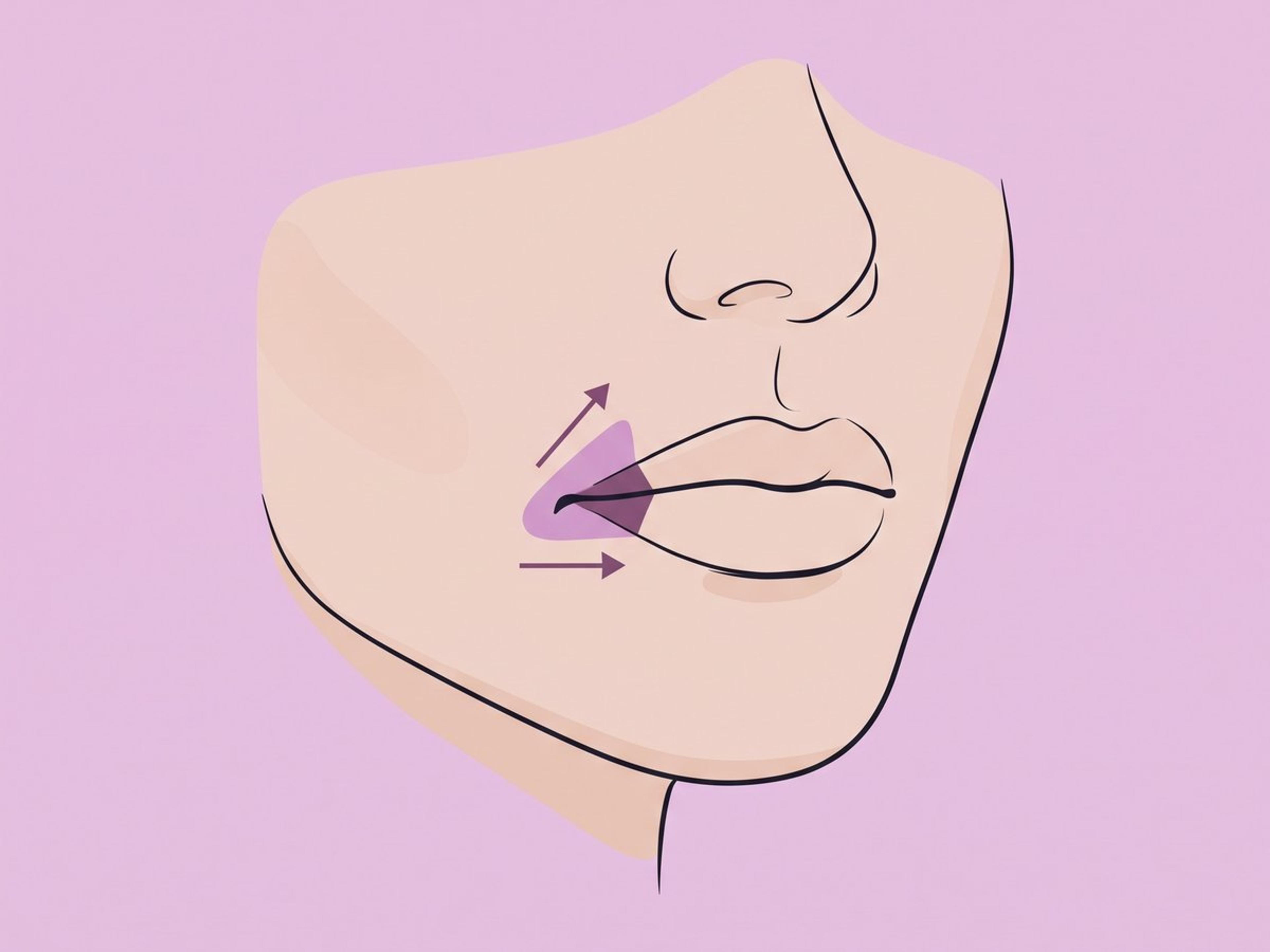
Piccole escissioni praticate agli angoli della bocca sollevano le commissure rivolte verso il basso anziché accorciare il filtro. Corregge la discesa commissurale e l'espressione a riposo con gli angoli rivolti verso il basso, ed è di solito un complemento a un lifting subnasale piuttosto che un intervento autonomo. Le cicatrici si trovano sul margine laterale del vermiglio, dove sono più esposte rispetto a una cicatrice subnasale.
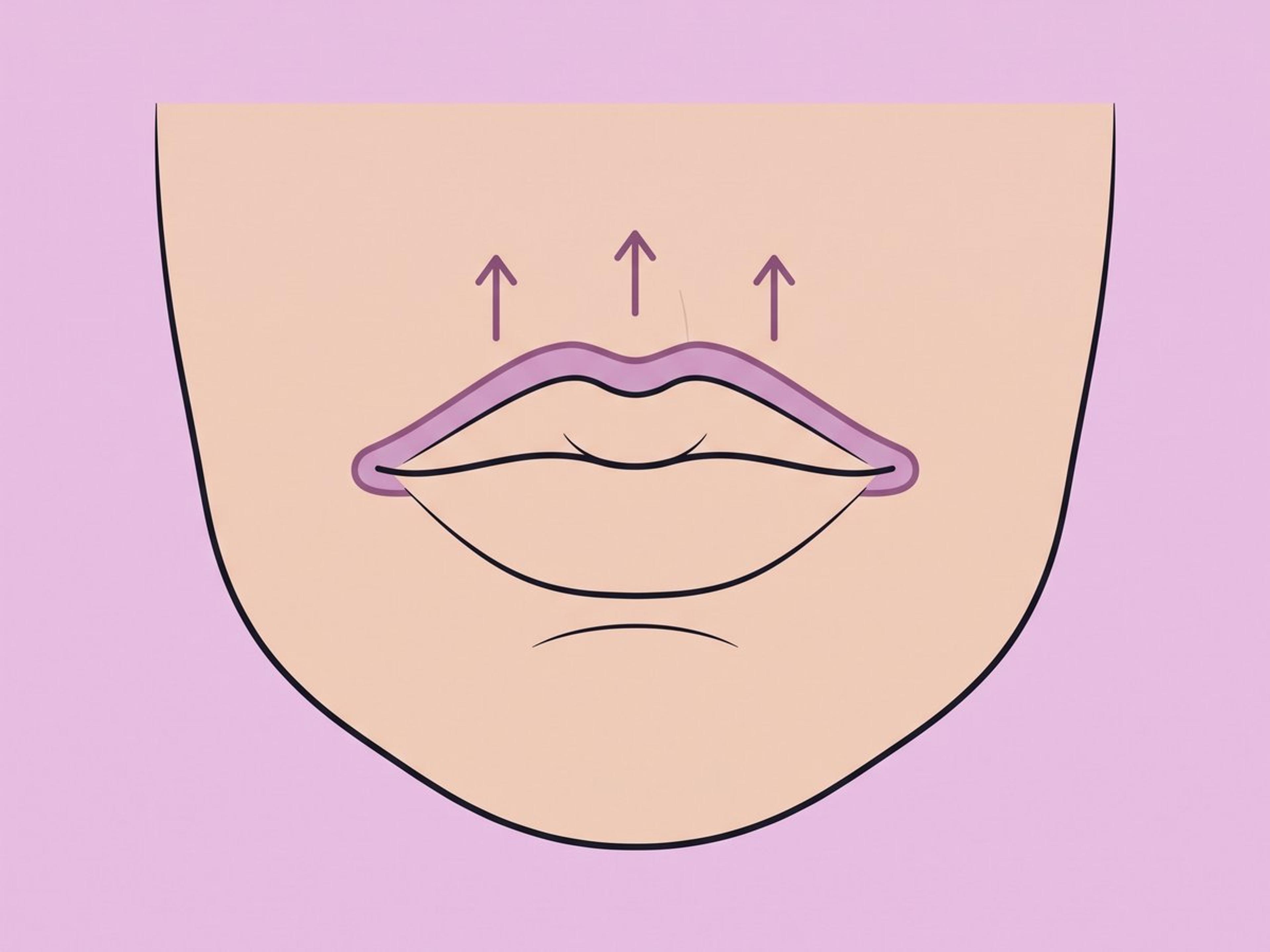
L'escissione decorre lungo il margine del vermiglio stesso, a forma di ali di gabbiano, anziché sotto il naso. Produce una definizione più netta del vermiglio e un maggiore aumento della parte rosa visibile del labbro, ma la cicatrice si trova sul bordo bianco, in piena vista. Lo riserviamo ai casi in cui un approccio subnasale non può produrre un cambiamento sufficiente — un vermiglio molto sottile o una pelle fortemente fotodanneggiata.
L'operazione, passo dopo passo
Marcatura misurata
L’altezza del filtro, l’altezza del vermiglio e l’esposizione degli incisivi a riposo vengono misurate con lei in posizione eretta e il labbro rilassato, quindi il bullhorn viene disegnato in base a questo obiettivo all’interno della piega alla base del naso. La quantità di pelle da rimuovere è un numero deciso qui — se se ne rimuove troppo poca non cambia nulla, se se ne rimuove troppa l’eccessiva esposizione di denti e gengive non può essere ripristinata.
Anestesia
L’anestesia locale, con o senza una leggera sedazione, è sufficiente per un lifting del labbro eseguito da solo, per questo viene svolto in regime di day surgery e dura circa un’ora. L’anestesia generale è riservata ai casi combinati con un intervento più importante, come una rinoplastica o un lifting del viso.
Pelle rimossa lungo la piega
Il segmento di pelle marcato viene rimosso seguendo le basi alari e la columella e, nelle varianti più profonde, anche una quantità misurata del tessuto sottostante. Restare all’interno della piega naturale è ciò che colloca la cicatrice in una linea d’ombra anziché sulla pelle esposta.
Avanzamento e chiusura a strati
Il labbro superiore viene avanzato verso l’alto e chiuso a strati, così le suture profonde sostengono la tensione e i margini cutanei si incontrano senza trazione. La tensione lasciata sulla pelle è ciò che allarga una cicatrice e tira sulle basi alari e sui bordi delle narici.
Dimissione in giornata
Torna a casa lo stesso giorno con un’altra persona alla guida, seguendo una dieta morbida e dormendo con la testa sollevata. Le suture vengono rimosse tra il 5° e il 7° giorno, ed è questa la visita attorno alla quale viene effettivamente pianificata la durata del soggiorno a Istanbul.
Lifting del labbro: recupero settimana per settimana
- Giorno 1
Tornate a casa lo stesso giorno, con un'altra persona alla guida. Il labbro superiore risulta teso e intorpidito, e inizia il gonfiore. Tenete la testa sollevata, mangiate cibi morbidi ed evitate di parlare molto o di stirare il labbro.
- Giorni 3–7
Il gonfiore raggiunge il picco intorno ai giorni 3–5, poi inizia a ridursi. I punti vengono rimossi dopo circa 5–7 giorni. La maggior parte delle persone torna al lavoro d'ufficio entro la prima settimana, anche se il labbro appare ancora chiaramente eccessivamente sollevato e duro in questa fase — è la guarigione, non il risultato.
- Settimana 2
I lividi visibili si sono in gran parte risolti e l'incisione è una sottile linea rosa nella piega sotto il naso. Evitate attività faticose e qualsiasi cosa tiri o prema sul labbro. Non fumate per tutta la durata della guarigione.
- Settimane 3–4
L'esercizio fisico riprende intorno alla settimana 3 e aumenta gradualmente — nelle prime due settimane viene limitato perché l'aumento della pressione sanguigna e lo sforzo facciale comportano il rischio di sanguinamento e di una cicatrice più larga. L'incisione è spesso al massimo del rosa in questo periodo: gel o fogli di silicone, oppure cerotto micropore, insieme a protezione solare quotidiana, iniziano una volta che la ferita si è completamente chiusa e proseguono per mesi.
- Settimane 6–12
La guarigione chirurgica è sostanzialmente completa intorno a 6–8 settimane, con durezza residua e una sensazione di tensione che possono durare fino a circa 2 mesi. La guarigione completa dei tessuti viene generalmente descritta come completa intorno a 12 settimane, e la cicatrice continua a maturare e schiarirsi oltre questo periodo.
- Mesi 4–6
Qui si valutano la posizione finale del labbro, l'esposizione del vermiglio e l'aspetto della cicatrice. La sensibilità e la normale percezione del labbro possono richiedere fino a 6 mesi per tornare completamente. Qualsiasi revisione per asimmetria o perfezionamento della cicatrice attende fino a questo momento.
Lifting del labbro: come prepararsi
- Venite per una visita di persona, durante la quale fotografiamo e misuriamo direttamente l'altezza del filtro, l'altezza del vermiglio e la visibilità degli incisivi a riposo — l'escissione viene pianificata su un obiettivo, non stimata.
- Smettete di fumare e di usare tutti i prodotti a base di nicotina per diverse settimane prima e dopo l'intervento. La nicotina compromette la guarigione della ferita esattamente nel punto in cui si trova l'incisione.
- Sospendete farmaci e integratori che fluidificano il sangue — aspirina, FANS, integratori erboristici — secondo le indicazioni del chirurgo, e non modificate alcun farmaco su prescrizione senza approvazione.
- Evitate l'alcol nei giorni prima dell'intervento e organizzate il rientro a casa. Anche l'anestesia locale con sedazione leggera esclude la guida.
- Preparate cibi morbidi per la prima settimana e un modo per dormire con la testa sollevata.
Lifting del labbro: rischi
Ogni operazione comporta dei rischi. Li nominiamo perché possiate fare le domande giuste.
- Cicatrice visibile o ipertrofica sotto il naso
- Distorsione delle basi alari o dei margini delle narici, incluso l'allargamento delle narici, dovuta alla tensione nella chiusura subnasale
- Asimmetria del labbro o dell'arco di Cupido.
- Ipercorrezione e ipocorrezione. Entrambe possono richiedere una revisione; i tassi di revisione pubblicati vanno dallo 0,6% al 6,7%.
- Intorpidimento transitorio, sensibilità alterata o disestesia del labbro superiore, che in genere si risolvono entro circa 3 mesi.
- Infezione, ematoma, deiscenza della ferita o guarigione ritardata, con il fumo riconosciuto come fattore aggravante.

Lifting del labbro in Turchia: cosa aspettarsi
Questo viaggio è determinato più dalla programmazione che dall'intervento. La procedura è breve e tornate in hotel lo stesso giorno, ma la rimozione dei punti, il gonfiore visibile e un'incisione che non può essere nascosta determinano la durata del soggiorno.
Prima del viaggio
Parlate con il chirurgo, prima di viaggiare. Le indicazioni CDC per i turisti sanitari raccomandano di consultare un medico 4–6 settimane prima della partenza e di organizzare l'assistenza di follow-up a casa. Portate con voi il resoconto operatorio, i dettagli delle suture, la documentazione anestesiologica e le fotografie, affinché qualsiasi problema tardivo possa essere valutato correttamente. Definite per iscritto la politica sulle revisioni prima di versare un deposito. I tassi di revisione pubblicati variano dallo 0,6% al 6,7%; si tratta di solito di perfezionamenti estetici, ma richiedono comunque un secondo viaggio.
In clinica
Si tratta di chirurgia in giornata in una sala operatoria autorizzata, e il contesto conta. Chiedete informazioni sulla certificazione professionale, sull'esperienza con questa procedura e sulle fotografie non ritoccate scattate nel tempo.
Recupero a Istanbul
Programmate 7 giorni a Istanbul e 7 notti in hotel. La seconda visita rimuove i punti tra i giorni 5 e 7; questo, più che un ricovero ospedaliero con degenza notturna, determina la durata della visita. Il labbro superiore sarà visibilmente gonfio durante la prima settimana e l'incisione resterà esposta, quindi mantenete privata la settimana e pianificate il lavoro di conseguenza. Evitate di aprire molto la bocca, ridere e attività faticose per circa 2 settimane.
Rientro a casa
Preferiamo che voliate il giorno 7. Una volta chiusa la ferita, la cura della cicatrice continua per mesi: gel o fogli di silicone, oppure cerotto micropore, oltre a una rigorosa protezione solare per almeno 3 mesi.
Verificare una clinica in Turchia
La Turchia ha riscritto le proprie norme sul turismo medico il 26 aprile 2025, sostituendo quelle del 2017. Qualsiasi struttura che tratti pazienti internazionali deve ora possedere un’autorizzazione per il turismo sanitario internazionale, registrarsi sul portale HealthTürkiye del Ministero della Salute e stipulare un’assicurazione per le complicanze relative agli interventi che esegue. Ospedali e centri medici dovevano inoltre completare l’accreditamento TÜSKA entro la fine dello stesso anno. Le strutture sono obbligate a pubblicare la propria certificazione — puoi quindi consultare la nostra, e dovresti consultare quella di qualunque altra clinica prima di versare un acconto.
Sul viso conta il chirurgo più della struttura: il margine di errore si misura in millimetri e il risultato è la prima cosa che chiunque vede. Chiedi quanti interventi di questo tipo specifico esegue in un anno, chiedi di vedere i suoi pazienti a un anno e non a due settimane, e chiedi che cosa rifiuterebbe di fare nel tuo caso — un chirurgo che non dice mai di no ti sta già dicendo qualcosa. Chiedi la sua iscrizione all’Ordine dei medici turco. Se è un’agenzia e non la clinica a organizzare il viaggio, fatti mettere per iscritto chi ha la responsabilità clinica una volta rientrata.
La maggior parte delle nazionalità entra in Turchia senza visto o con un e-Visa per un soggiorno di questa durata, con un passaporto valido almeno sei mesi. Verifica la regola per il tuo passaporto prima di prenotare.
- Regno Unito
- £2,500 – £5,500
- Stati Uniti
- $3,000 – $8,000
- Europa occidentale
- €3,000 – €6,000
Fasce pubblicate a scopo orientativo — da confermare con un preventivo locale.
Lifting del labbro: domande frequenti
Il lifting del labbro lascia una cicatrice visibile?
L'incisione si trova nella piega naturale alla base del naso, dove di solito guarisce come una sottile linea nascosta nell'ombra e sbiadisce nel corso dei mesi. La cicatrizzazione resta comunque il singolo disturbo riportato più frequentemente dai pazienti insoddisfatti e le cicatrici ipertrofiche si verificano. Il tipo di pelle, l'abitudine al fumo e la tensione della chiusura influenzano tutti il modo in cui si stabilizza.
Il lifting del labbro è permanente?
Sì. Viene asportata della pelle, quindi il cambiamento è strutturale e non temporaneo, e le serie pubblicate documentano stabilità da 12 a circa 59 mesi di follow-up. L'invecchiamento continua comunque — il labbro può allungarsi e il vermiglio assottigliarsi di nuovo nel tempo.
In cosa differisce un lifting del labbro dal filler labbra?
Il filler aggiunge volume al labbro che avete; non accorcia la distanza tra naso e labbro. Un lifting del labbro modifica quella proporzione, estroverte il vermiglio e aumenta la visibilità dei denti, cosa che il filler non può fare. Le persone con un filtro lungo che continuano ad aggiungere filler tendono a ritrovarsi con un labbro pesante e sporgente anziché sollevato.
Quanto modifica la visibilità dei denti un lifting del labbro?
Nelle serie pubblicate aggregate, la visibilità degli incisivi superiori a riposo è aumentata da circa 1,5–2,0 mm prima dell'intervento a circa 3,5–5,0 mm dopo. L'entità dipende dalla quantità di pelle asportata e dalla tecnica utilizzata. Un'eccessiva visibilità degli incisivi è un rischio riconosciuto di ipercorrezione.
Quanto dura il recupero?
Il gonfiore raggiunge il picco intorno ai giorni 3–5 e i punti vengono rimossi dopo 5–7 giorni, con la maggior parte delle persone che torna al lavoro non faticoso entro la prima settimana. Lividi e gonfiore si risolvono in gran parte entro un mese, e la guarigione chirurgica è completa intorno a 6–12 settimane. La posizione finale del labbro e l'aspetto della cicatrice vengono valutati all'incirca a 4–6 mesi.
Un lifting del labbro può essere combinato con una rinoplastica?
Sì — i due interventi condividono il campo chirurgico subnasale e vengono spesso programmati insieme se si tratta di una rinoplastica chiusa
Quale anestesia viene usata e quanto dura l'intervento?
Anestesia locale, con o senza sedazione leggera, e circa un'ora. L'anestesia generale viene normalmente usata solo quando il lifting del labbro è combinato con un intervento più ampio, come una rinoplastica o un lifting facciale. Tornate a casa lo stesso giorno.
Chi non dovrebbe sottoporsi a un lifting del labbro?
Fumatori e utilizzatori di nicotina, finché non hanno smesso — l'incisione si trova esattamente dove la guarigione compromessa è visibile. È inoltre l'intervento sbagliato se il problema è il volume anziché la lunghezza: con un filtro corto e una già generosa visibilità dei denti, accorciare ulteriormente il labbro porta la visibilità degli incisivi e delle gengive oltre ciò che la maggior parte delle persone desidera. Un'anamnesi di cicatrici ipertrofiche o cheloidi, condizioni o farmaci che compromettono la guarigione delle ferite e un herpes labiale attivo o un'infezione periorale sono tutti motivi per rinviare o scegliere un piano diverso. Se si sta considerando una chirurgia mascellare, questa viene prima, perché sposta il labbro. E chiunque non possa accettare una cicatrice permanente sotto il naso non dovrebbe sottoporsi a questo intervento.
Un lifting del labbro correggerà un sorriso gengivale?
No — di solito lo rende più evidente. Un lifting del labbro accorcia il labbro superiore, quindi aumenta sia la visibilità dei denti sia quella delle gengive; se mostrate già le gengive quando sorridete, è questa la direzione in cui va. L'eccessiva esposizione gengivale è generalmente dovuta a un eccesso verticale del mascellare o a muscoli elevatori del labbro iperattivi, e viene invece trattata con tossina botulinica, chirurgia di riposizionamento del labbro o chirurgia ortognatica. Per questo la valutazione considera la visibilità delle gengive con un sorriso pieno, non solo quella degli incisivi a riposo.
Quali sintomi dopo l'intervento richiedono attenzione urgente?
Contattate la clinica — non aspettate il prossimo appuntamento — in caso di arrossamento o calore in aumento intorno all'incisione, dolore che aumenta invece di ridursi dopo il giorno 3, febbre, oppure secrezione torbida o maleodorante. Lo stesso vale per gonfiore improvviso su un solo lato o una raccolta dura e tesa sotto il labbro, margini della ferita che si separano o si aprono, e una linea di sutura che diventa pallida, violacea o scura. Poiché di solito si tratta di un viaggio, aggiungiamo quelli legati al viaggio: dolore o gonfiore al polpaccio, fiato corto o dolore toracico richiedono una valutazione d'urgenza ovunque vi troviate.
Anche gli uomini si sottopongono a lifting del labbro, e la pianificazione è diversa?
Sì, anche se le coorti pubblicate sono composte per circa il 92% da donne, con un'età media vicina a 37 anni. L'altezza del filtro maschile è normalmente maggiore di quella femminile, quindi l'obiettivo è un lifting più contenuto — accorciare eccessivamente femminilizza il terzo inferiore del volto anziché correggerlo. L'incisione attraversa inoltre pelle con peli, il che significa che la cicatrice viene pianificata in base al disegno dei baffi e può risultare meglio camuffata rispetto alle donne, a costo di una striscia di pelle in cui i peli crescono diversamente dopo la chiusura.
Fonti
- [1]Lip Lift — Procedures · International Society of Aesthetic Plastic Surgery (ISAPS) · 2022
- [2]Aesthetic and Functional Outcomes of Simultaneous Rhinoplasty and Lip Lift Surgery: A Systematic Review · Cureus (PubMed Central) · 2024
- [3]Impact of subnasal lip lift on lip aesthetic: a systematic review · Oral and Maxillofacial Surgery (PubMed) · 2023
- [4]Evaluating Longevity and Factors Influencing Outcomes in Subnasal Bullhorn Lip Lifts: A Retrospective Analysis Across Age, Gender, and Skin Type · Facial Plastic Surgery & Aesthetic Medicine · 2026