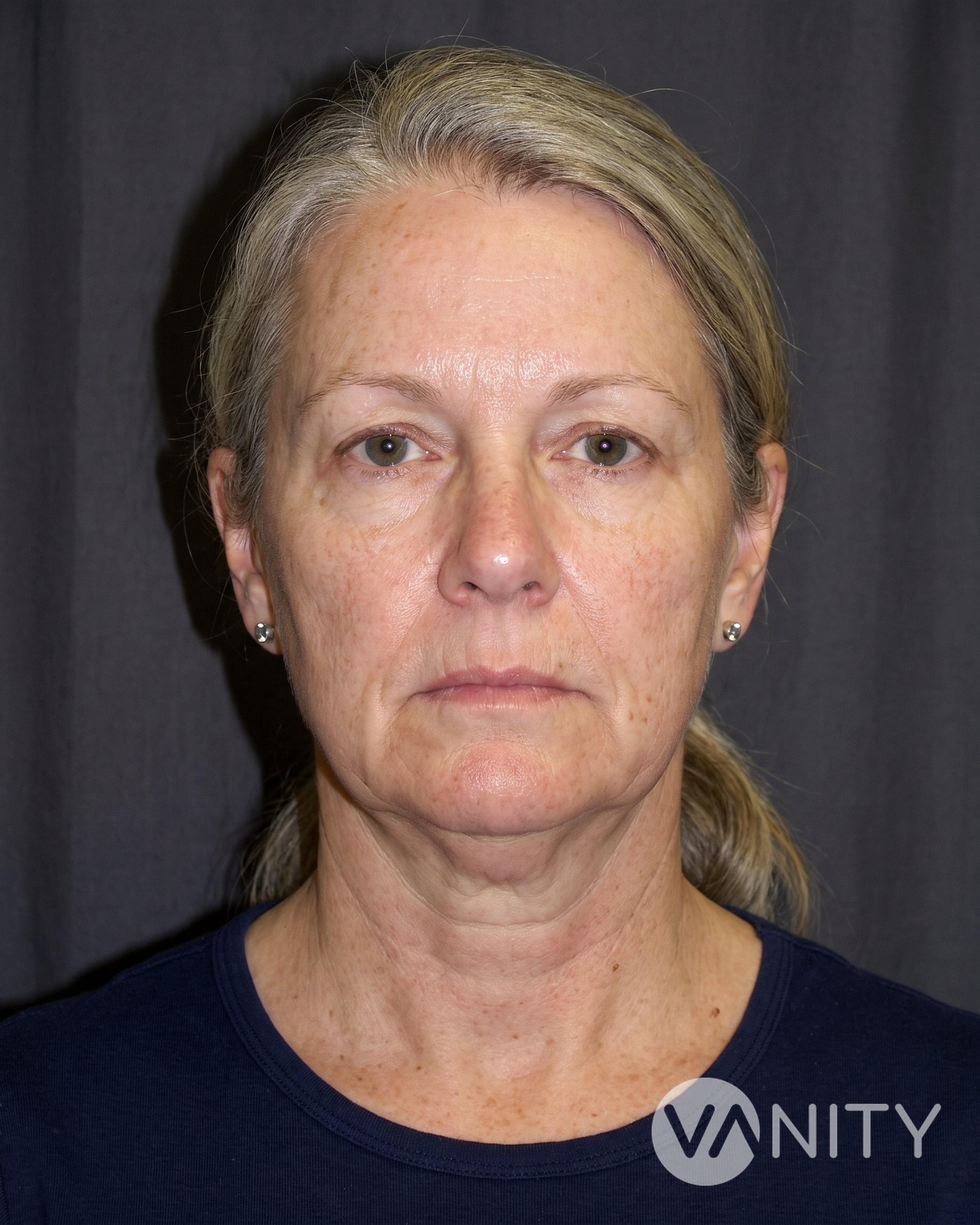
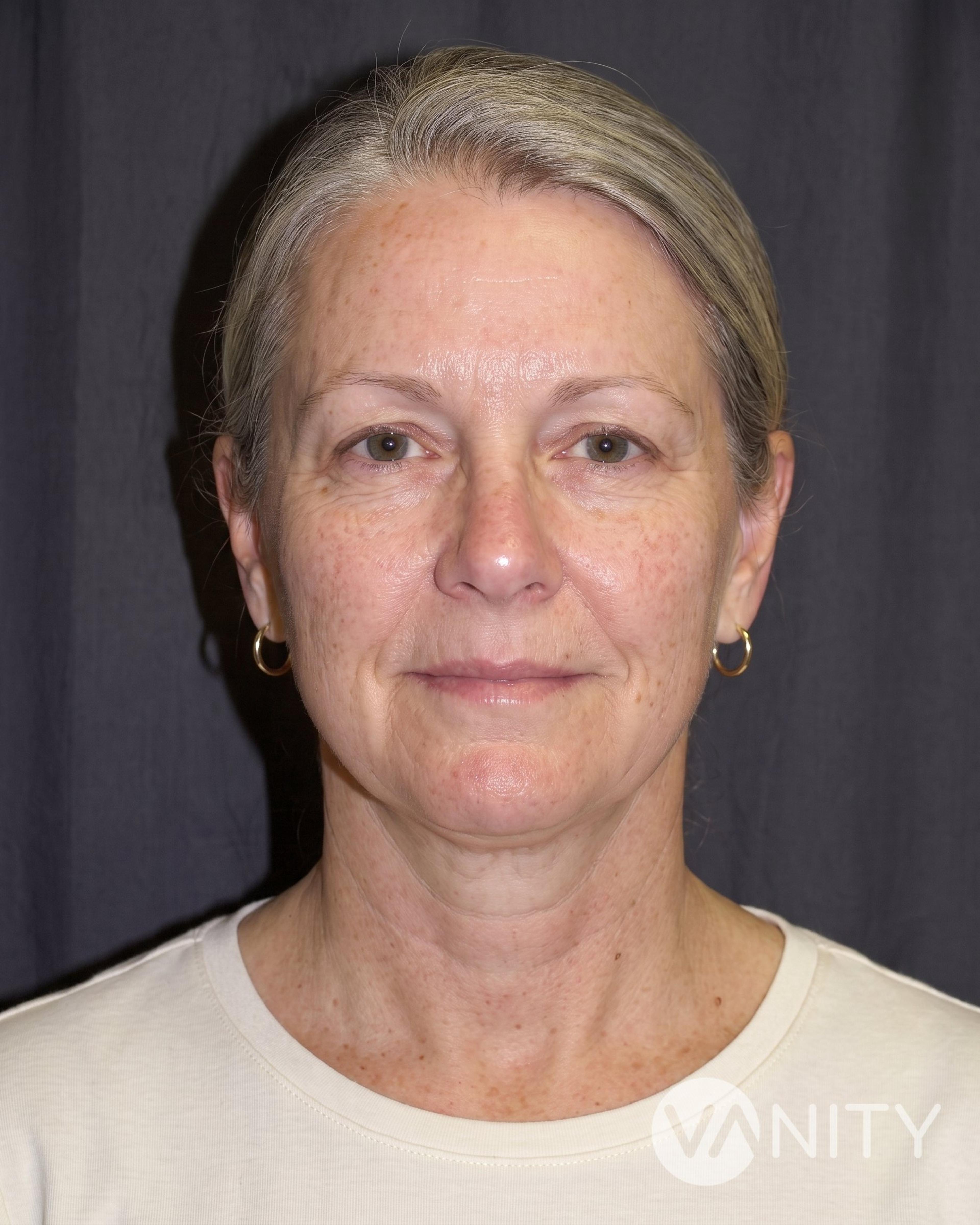



Di cosa si tratta
A facelift repositions the deeper structural layer of the face — the SMAS, the muscle and connective tissue beneath the skin — and then redrapes the skin over it. The aim isn't to pull skin tight; it's to restore the support that has shifted with age, so the result reads as a rested version of you rather than a different face.
Most candidates are in their late forties through sixties, with jowling, midface descent or loose neck skin that creams and energy devices can no longer address. What sends people to surgery is usually descent rather than wrinkles — fine lines answer to resurfacing, a heavy jawline does not.
Come funziona
Dal canale della clinica — l'intervento spiegato in parole semplici.
Le nostre tecniche
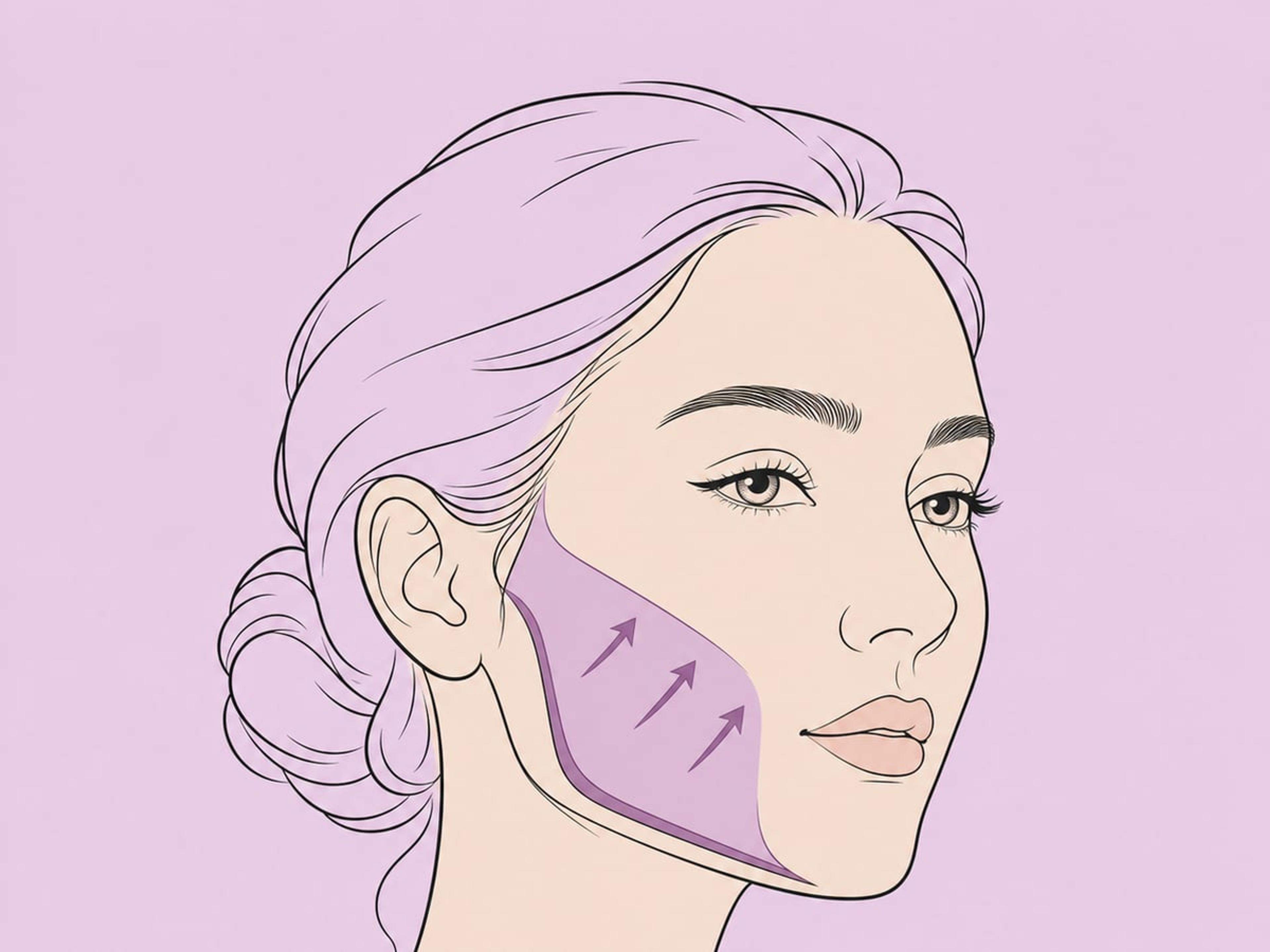
We release and lift the SMAS and the skin over it as a single unit, repositioning the cheek and jawline together. It's technically demanding, but it tends to give the most natural movement and the longest-lasting result.
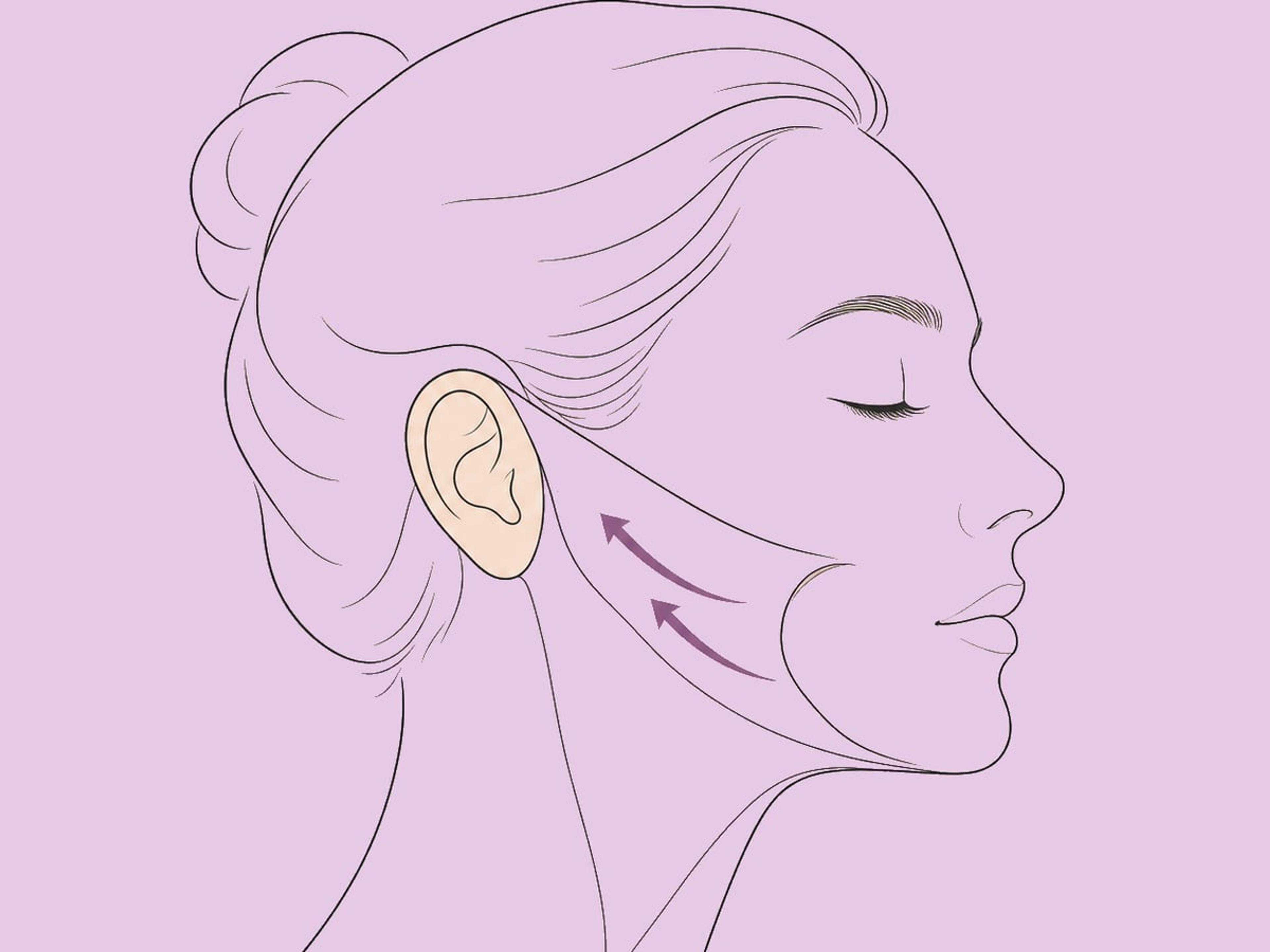
The skin is separated from the SMAS, the SMAS is tightened on its own, then the skin is redraped. This is the long-standing workhorse technique, with a well-documented track record.
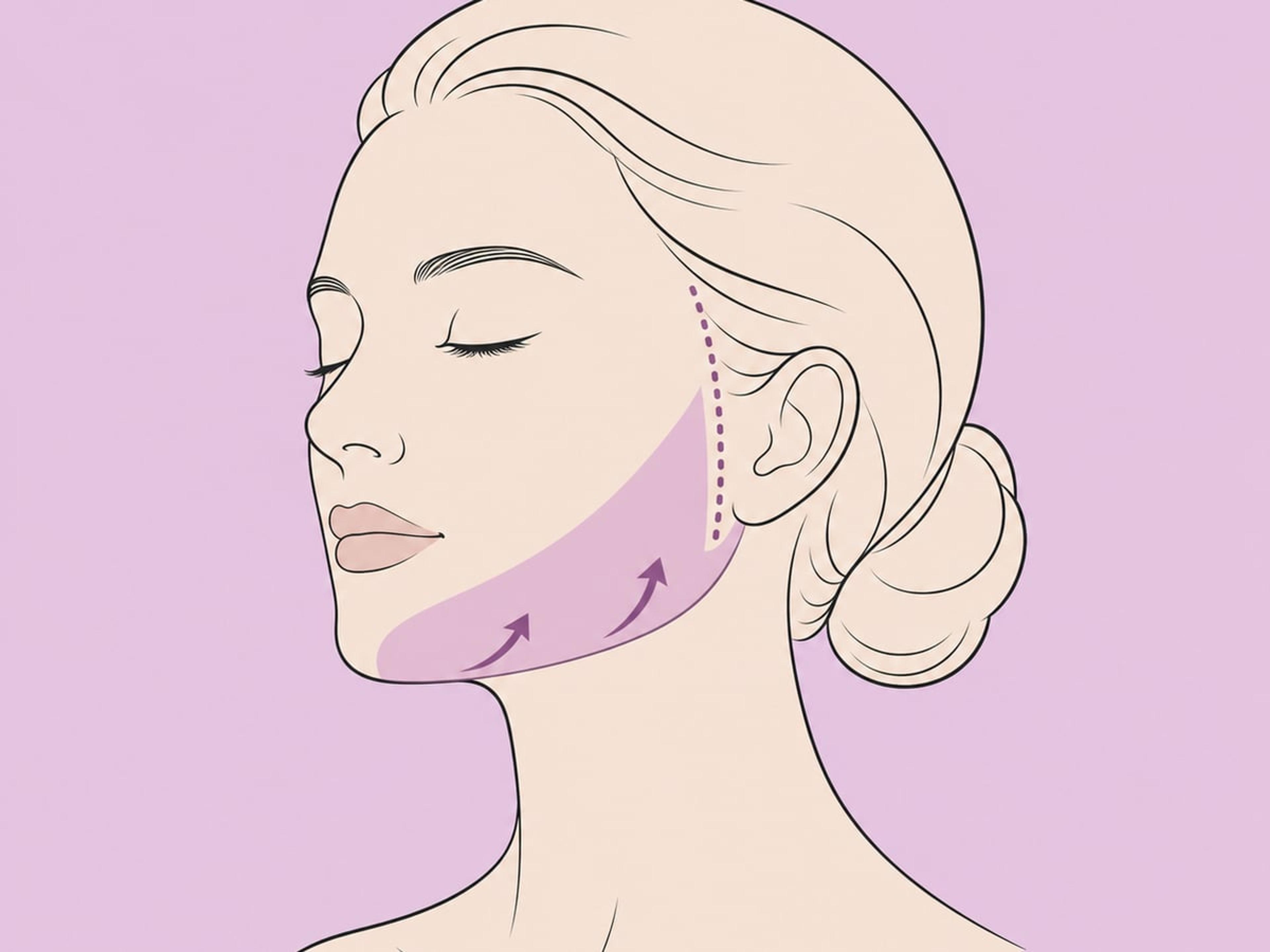
A shorter incision and a more limited lift, usually focused on the lower face and jawline. Recovery is quicker, though the result is subtler and doesn't last as long as a full facelift.
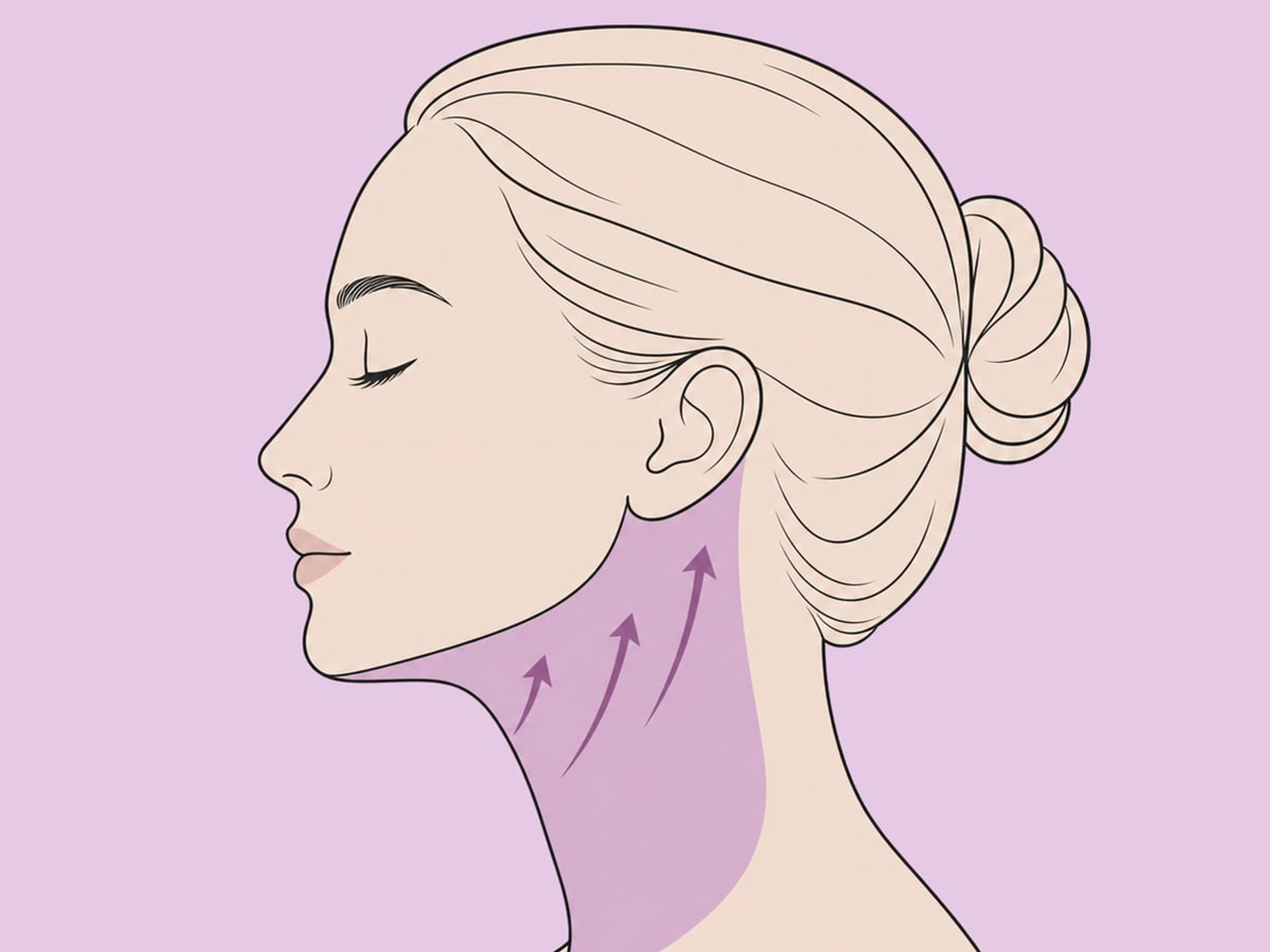
The neck typically ages alongside the lower face, so the two are often done together. We tighten the platysma muscle bands and address fat under the chin through a small incision.
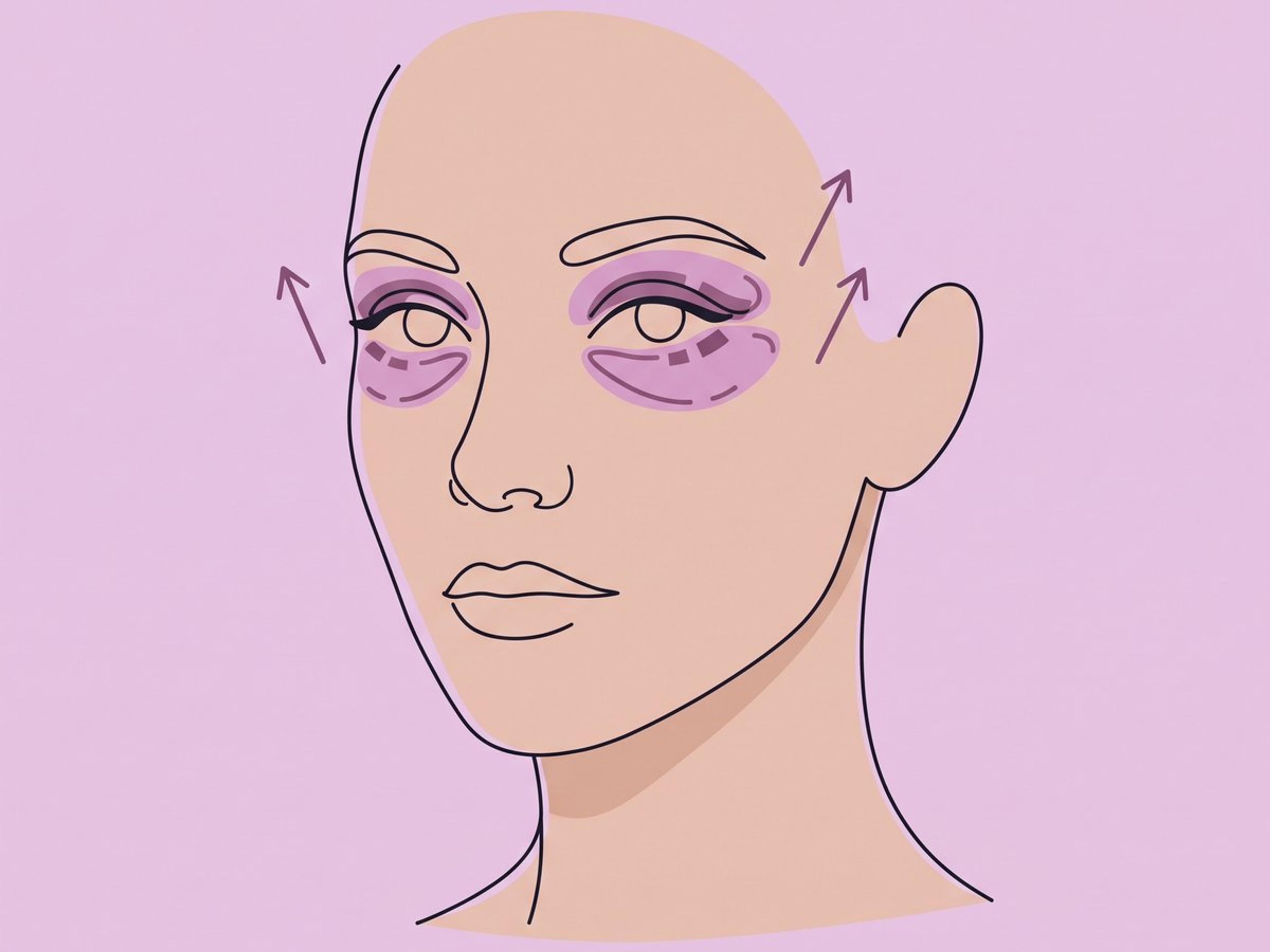
A facelift lifts the lower two thirds of the face and does not reach the eyelids, so hooded upper lids and under-eye bags stay exactly as they were. Blepharoplasty removes the excess lid skin and repositions the fat pads, which is what stops the eyes reading older than the rest of the face after a lift. Done in the same operation it adds very little to the recovery.
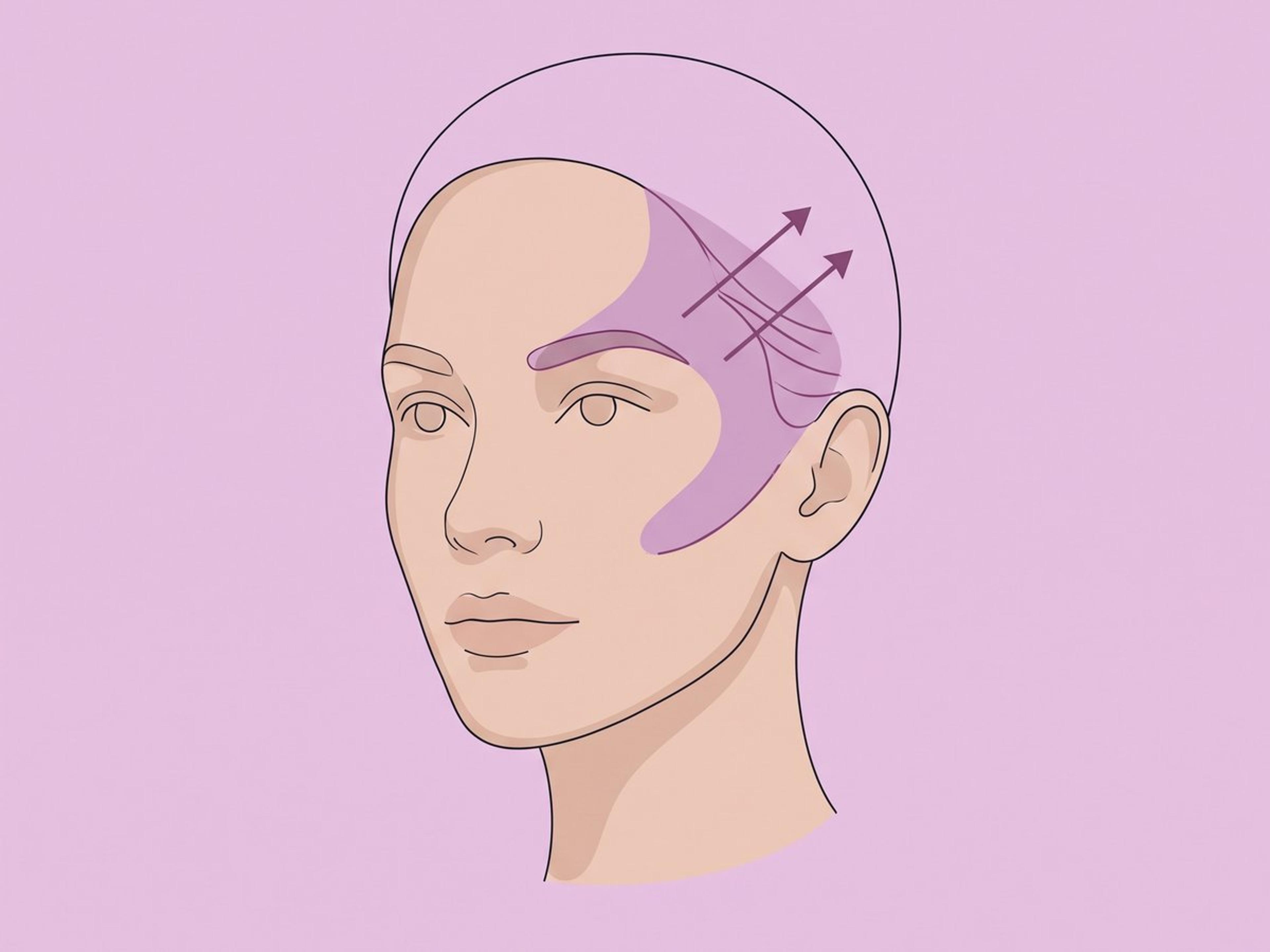
A temporal lift raises the outer brow through a short incision hidden in the hairline above the ear. It suits patients whose upper face still reads heavy or stern once the lower face has been lifted. The correction is deliberately small — a few millimetres opens the eye, more looks startled.
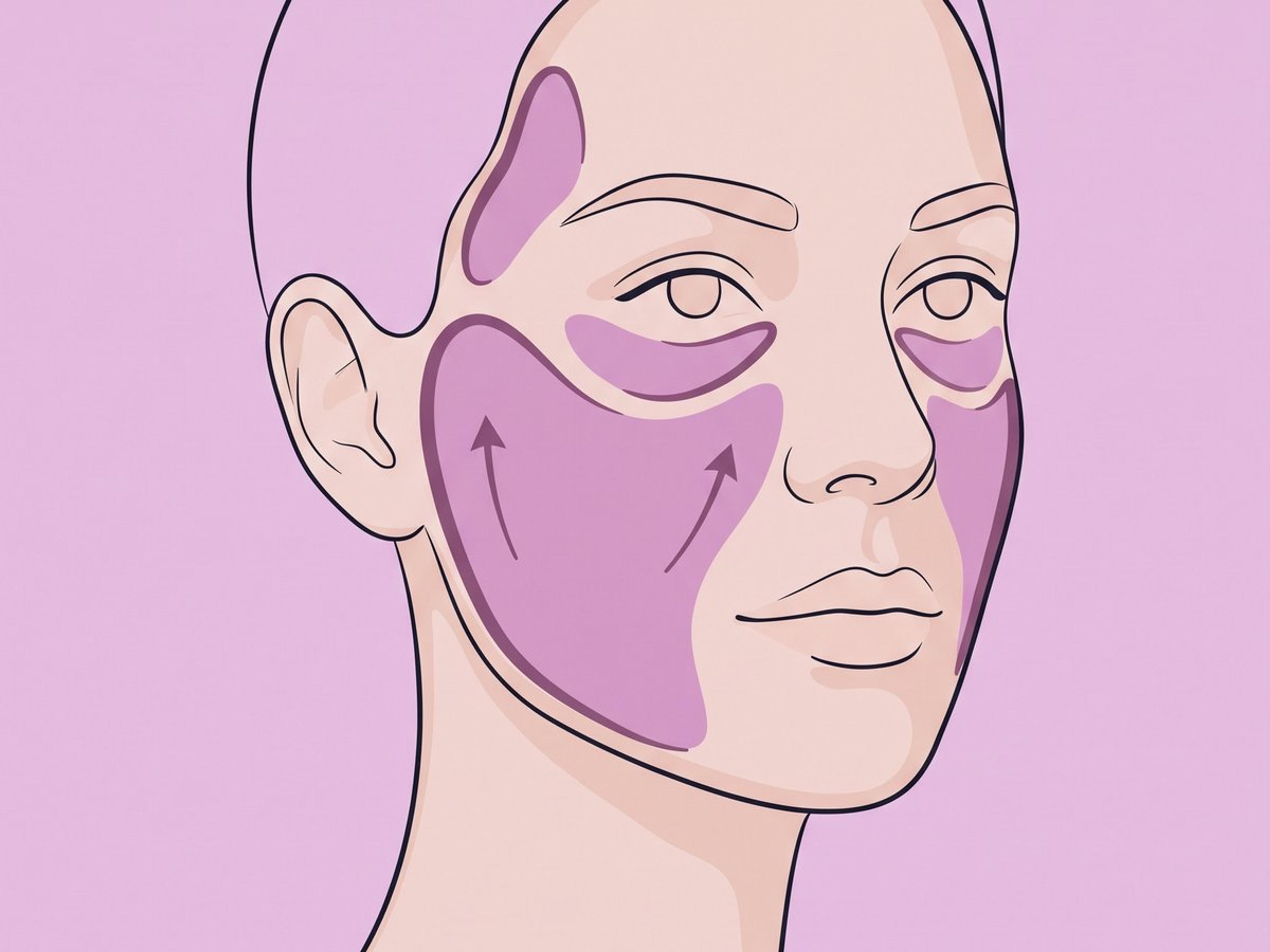
The face ages by deflating as well as descending, so lifting alone can leave hollow temples, flat cheeks or shadowed under-eyes. Fat is taken by liposuction from the abdomen or thigh, purified and grafted in small volumes to replace what has been lost. It is the right addition when your face looks drawn as well as heavy — structure and volume together read more naturally than either on its own.
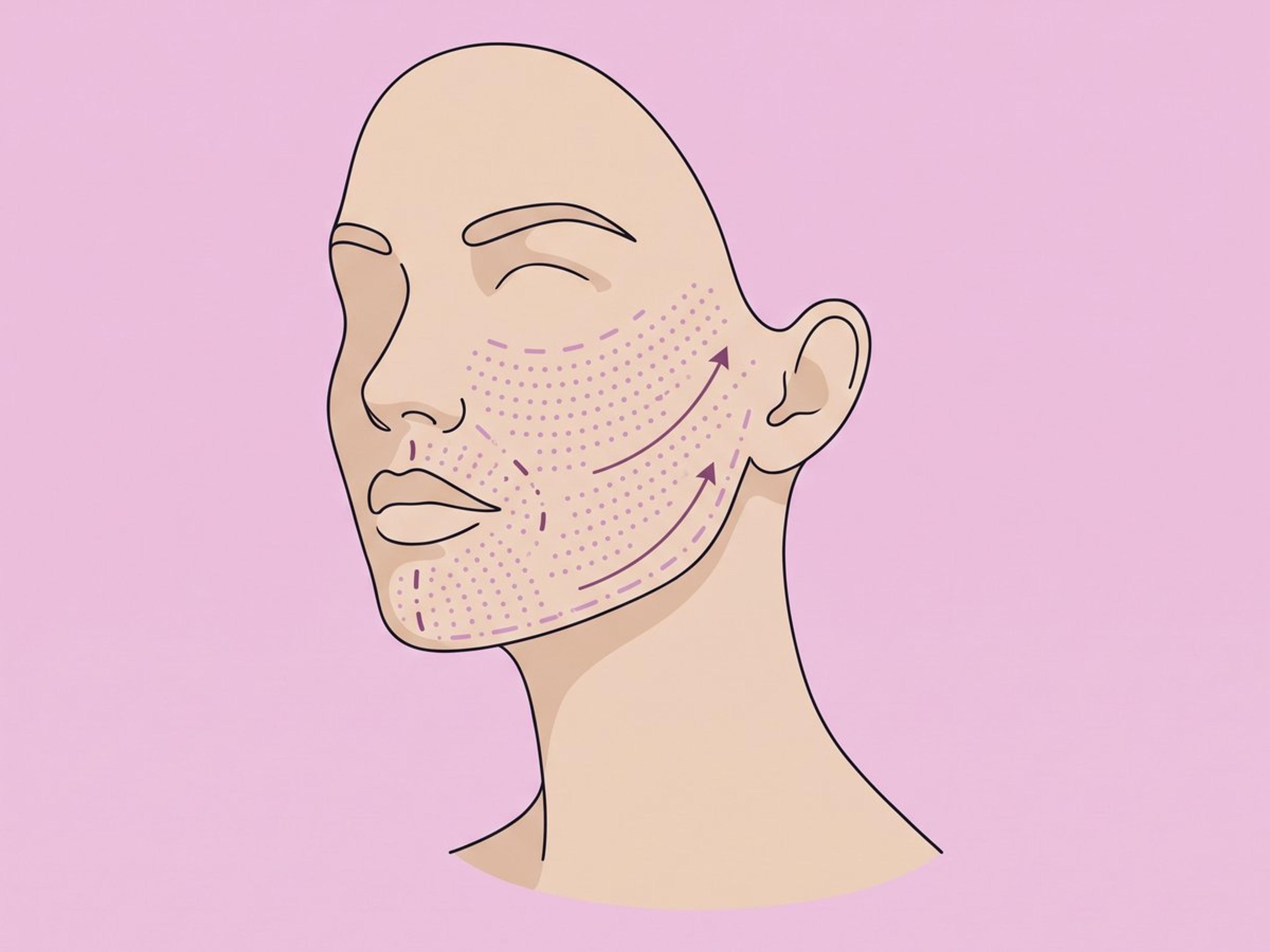
A lift repositions tissue but changes nothing about the skin surface — sun damage, pigmentation and the fine etched lines around the mouth survive the operation. Fractional CO2 resurfacing treats that surface directly and is what finishes the result for patients whose skin quality, not their contour, is the remaining complaint. It is normally staged separately from the lift and timed by the surgeon, since both rely on the same blood supply.
Your week in Istanbul, day by day
Day 0 — Arrival and pre-op
You land, transfer to the hotel and come in for the pre-operative assessment — bloodwork, a medical review and the surgical plan confirmed face to face with your surgeon.
Day 1 — Surgery
Final markings are drawn, the procedure is performed under general anaesthesia, and you spend the night at the clinic under monitoring.
Day 2 — Overnight monitoring
Swelling management, incision checks and comfort care. You stay a second night so the most sensitive early hours pass under nursing supervision rather than alone in a hotel room.
Day 3 — Move to the hotel
You transition to hotel recovery, where head-elevated rest becomes the priority. Your coordinator stays in daily contact.
Days 4–6 — Recovery routine
Short walks, hydration, gentle hygiene and sleeping upright. Bruising begins to migrate downward and fade, and each day looks a little better than the last.
Day 7 — Final check and flight clearance
The surgeon removes sutures if healing allows, assesses your progress and clears you to fly home. The schedule flexes with your healing, not the other way around.
Il recupero, settimana per settimana
- Day 1
Swelling, bruising and a tight, numb feeling across the cheeks and neck. You rest with your head elevated in a compression garment. Most patients describe the discomfort as manageable rather than sharp.
- Week 1
Sutures in front of the ears usually come out around day 5 to 7. Bruising starts to yellow and swelling shifts downward. You're up and walking, not yet socialising.
- Week 2
Most visible bruising has resolved and you can return to desk work with light makeup. The face still feels tight and numb in patches — this is normal.
- Week 6
Cleared for full exercise. Residual swelling keeps settling and the contour starts to look like the final result, though tissues are still relaxing.
- Month 3
Residual tightness eases and the patchy numbness around the ears and cheeks improves noticeably as nerves recover. This is when most patients feel the result starts to look convincingly natural — in photos and in expression.
- 12 months
Scars have faded to fine lines hidden in the hairline and around the ears. The final result is in. Most patients see 7 to 15 years of rejuvenation, depending on the technique.
Come prepararsi
- Stop nicotine in any form at least 4 weeks before surgery — it meaningfully impairs healing.
- Pause blood thinners, NSAIDs and supplements like fish oil and vitamin E 14 days before surgery.
- Complete pre-op bloodwork and any cardiac clearance the surgeon asks for.
- Set up your hotel room for resting upright — extra pillows, button-front shirts, easy meals.
Rischi
Ogni operazione comporta dei rischi. Li nominiamo perché possiate fare le domande giuste.
- Hematoma — a collection of blood under the skin, the most common surgical complication.
- Delayed wound healing along the incisions, markedly more likely in smokers and vapers — nicotine narrows the small vessels that supply the skin edges.
- Temporary numbness or altered sensation around the ears and cheeks.
- Asymmetry between the two sides of the face.
- Temporary hair loss along the incision lines or at the temple.
- Injury to branches of the facial nerve, temporary.

Cosa aspettarsi in Turchia
A facelift here is a short trip built around an inpatient procedure and a careful recovery. Plan on roughly 7-8 days in Istanbul, most of it resting at your hotel between two clinic visits.
Before you fly
Talk to the surgeon before you travel — we review your photos, health history and goals on a video call, so you arrive with a plan rather than a consultation. The preparation steps above apply unchanged; your coordinator confirms the timing with you.
At the clinic
Surgery is done in our own accredited theatres, not an office, under general anaesthesia, and you stay 2 nights. Istanbul's draw is real — large medical infrastructure, experienced teams, and the high case volume that sharpens judgement in an operation where anatomy and artistry both matter — but cost is the wrong reason to choose it. Check that your surgeon is board-certified, that the facility is a licensed surgical unit rather than an office, and that aftercare is defined before you book.
Recovery in Istanbul
Plan on about 7-8 days in Istanbul, with roughly 7 nights in a recovery hotel between two in-clinic visits — a dressing or drain check around day 2 and suture removal near day 7. A patient coordinator and translator are part of the international-patient package.
Heading home
Most patients fly home around day 7-8, once bandages and any drains are out and swelling is settling. Short-haul flights are sometimes cleared a little earlier, but we advise compression stockings, hydration and moving during the flight, and longer-haul travel is often delayed further.
- United Kingdom
- £6,000 – £8,000
- Europe
- €4,500 – €7,500
- United States
- $4,700 – $7,500 (surgeon fee only)
Fasce pubblicate a scopo orientativo — da confermare con un preventivo locale.
Domande frequenti
When can I return to work after a facelift?
Plan on 2 weeks if you work in person, and 3 weeks if you'd rather not field questions about your appearance. Some remote workers manage light tasks in week 2, though you'll still look bruised on a video call and feel tired.
Will it look like I had work done?
A modern facelift shouldn't. The pulled, wind-tunnel look comes from tightening skin alone — we lift the deeper layer instead, which is why the result tends to read as rested rather than done.
What's the difference between a mini facelift and a deep plane facelift?
A mini facelift uses shorter incisions and a narrower scope, correcting early jowling and mild jawline softness in the lower face. A deep plane lift works in a deeper layer and repositions the cheek, jawline and deeper folds together — the midface correction most people mean when they ask about a mid-facelift — which is what more advanced descent actually needs. Choosing the smaller operation for anatomy that needs the larger one is the usual reason a facelift ends up feeling underpowered.
How long does a facelift last?
Deep plane facelifts are often associated with 10 to 15 years of improvement, SMAS lifts with around 7 to 10. You keep ageing on the same trajectory afterward — a facelift turns the clock back, it doesn't stop it — and sun exposure, skin quality and weight changes affect how long the result stays visible.
What age is right for a facelift?
There's no single right age, though most patients are between 40 and 70. Going earlier can mean a longer-lasting result; waiting can make the surgery harder and recovery slower.
Can I have a facelift in Istanbul and fly home safely?
Yes, with planning. We ask you to stay about 7-8 days for two follow-up visits — a dressing check around day 2 and suture removal near day 7 — and most patients fly home around day 7 once swelling is settling. Compression stockings, hydration and moving in the cabin lower the clot risk that comes with sitting still.
Is a facelift done under general anaesthesia?
Usually yes, your surgeon and anaesthetist decide based on the technique and your health.
What about non-surgical alternatives?
Botox, threads and filler can delay the conversation, but they don't replace surgery once skin and deep tissue have descended. If you're seeing jowls and a loose neckline, no non-surgical option gives a comparable result.
What can't a facelift fix?
It lifts sagging tissue — jowls, deep folds, a softened jawline — but it doesn't treat skin texture, sun damage, pigmentation or fine etched lines around the mouth, and it won't replace volume lost from cheeks or temples. Those usually call for laser resurfacing or fat transfer, which can be planned alongside the lift.
How should I care for my facelift scars?
Keep incision lines out of the sun, follow the cleansing and ointment instructions you're given, and avoid tension or rubbing on the lines while they heal. Stay off nicotine around surgery and raise any concern early at follow-ups — scars typically fade to fine lines over 6 to 12 months.
Can a facelift be combined with other procedures?
Often, yes. A neck lift addresses laxity below the jaw, eyelid surgery treats hooded lids and under-eye bags a facelift doesn't reach, a brow or temporal lift opens the upper face, and fat transfer restores lost volume. The plan combines only what your anatomy actually needs — not a fixed menu.
When should a facelift be delayed?
If you can't stop nicotine around surgery, have a medical condition that isn't properly managed, or can't commit to the 2-3 week recovery, it's safer to wait. Unrealistic expectations are also a reason to pause — the operation restores structure; it doesn't produce a different face.
Does a facelift hurt?
Less than most people expect, and differently. The dominant sensation is tightness and pressure rather than sharp pain — the face feels firm and your expression feels restricted, with swelling and bruising peaking in the first days before they start to settle. The first two nights are spent with us, where pain relief and comfort care are handled by the nursing team; most patients manage on simple analgesia and head-elevated rest after that. The tight, numb patches around the ears and cheeks outlast the soreness — they ease noticeably by around month 3.
Am I a good candidate for a facelift?
Anatomy decides this, not age. The pattern that responds best is descent rather than surface lines: jowls, a jawline that has lost its edge, a face that reads heavier or more tired than you feel. Beyond that you need to be medically fit for surgery, able to pause nicotine as advised, and willing to follow the aftercare rules for the whole recovery. If what bothers you is mostly texture and fine lines, a lift is the wrong tool — resurfacing is.
Fonti
- [1]Facelift Surgery · American Society of Plastic Surgeons
- [2]Cervicofacial Rhytidectomy · National Library of Medicine
- [3]Evolution of the rhytidectomy · World Journal of Otorhinolaryngology - Head and Neck Surgery · 2016
- [4]Facelift (Rhytidectomy): What Is It, Recovery & What to Expect · Cleveland Clinic