


ما هي العملية
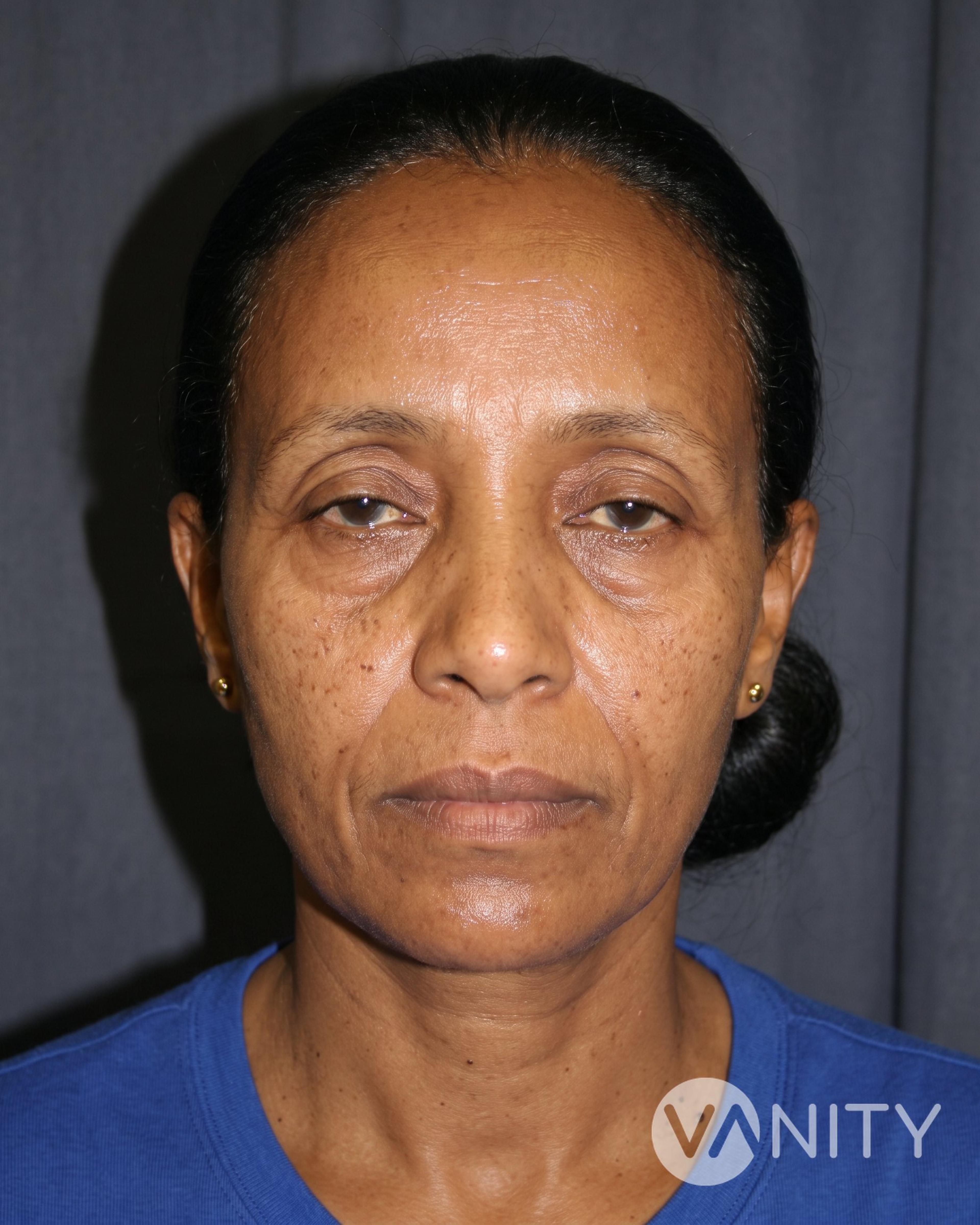
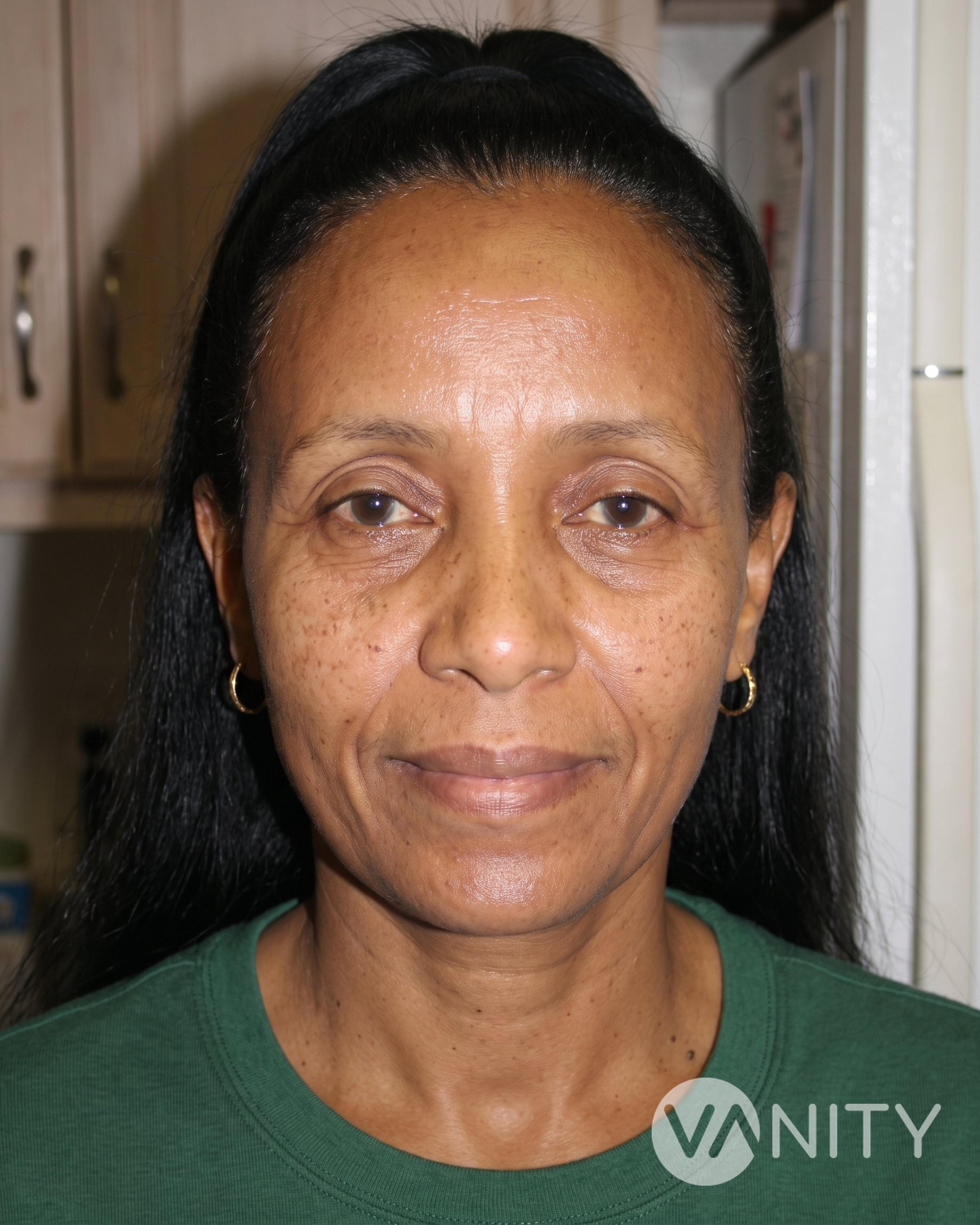
Eyelid surgery removes loose skin around the eyes and repositions or conservatively trims the small fat pads that create heaviness above the lid and bags below it. The muscle is tightened where needed. Done carefully, it lifts the tired, shadowed look without changing your features — the eyes read as more rested, not different.
It tends to suit people whose upper lids feel hooded or heavy, or who carry under-eye bags that don't match how awake they actually feel. For some the change comes with age; for others it is inherited and has been there since early adulthood.
Tired-looking eyes have more than one cause — loose skin, bulging fat, weak lid support, a low brow, or lost volume underneath — and the plan starts with working out which one is driving your concern. The fixes differ: taking more tissue out when the real problem is hollowing deepens the shadow, and lifting the lid when it is the brow that has dropped leaves the heaviness where it was.
التقنيات التي نستخدمها
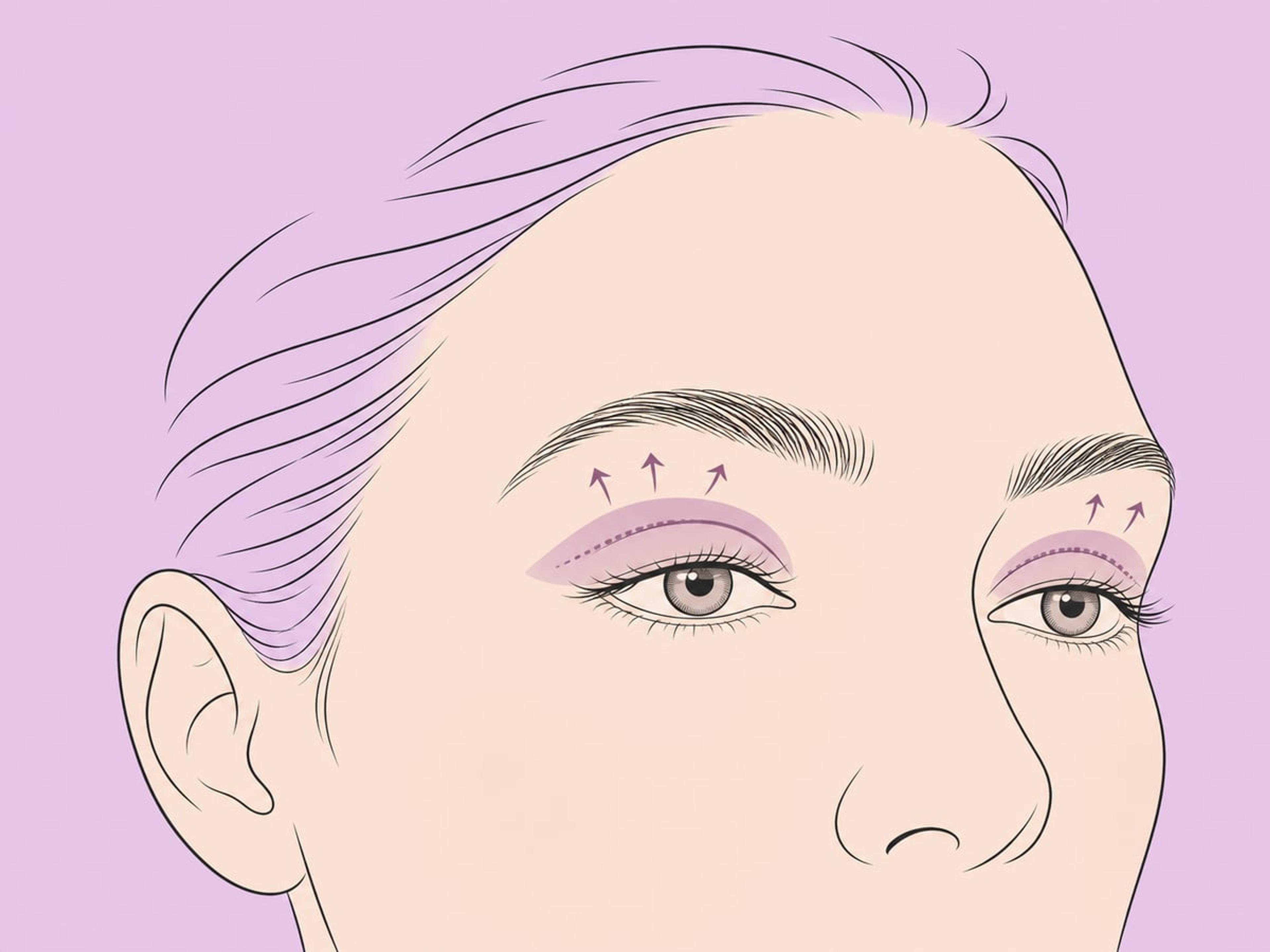
A fine incision hidden in the natural lid crease removes loose skin and, when needed, a small strip of muscle or fat. It addresses the hooded upper lid that can make the eyes look tired or shorten the visible lash line. The scar settles into the crease and usually fades to a faint line.
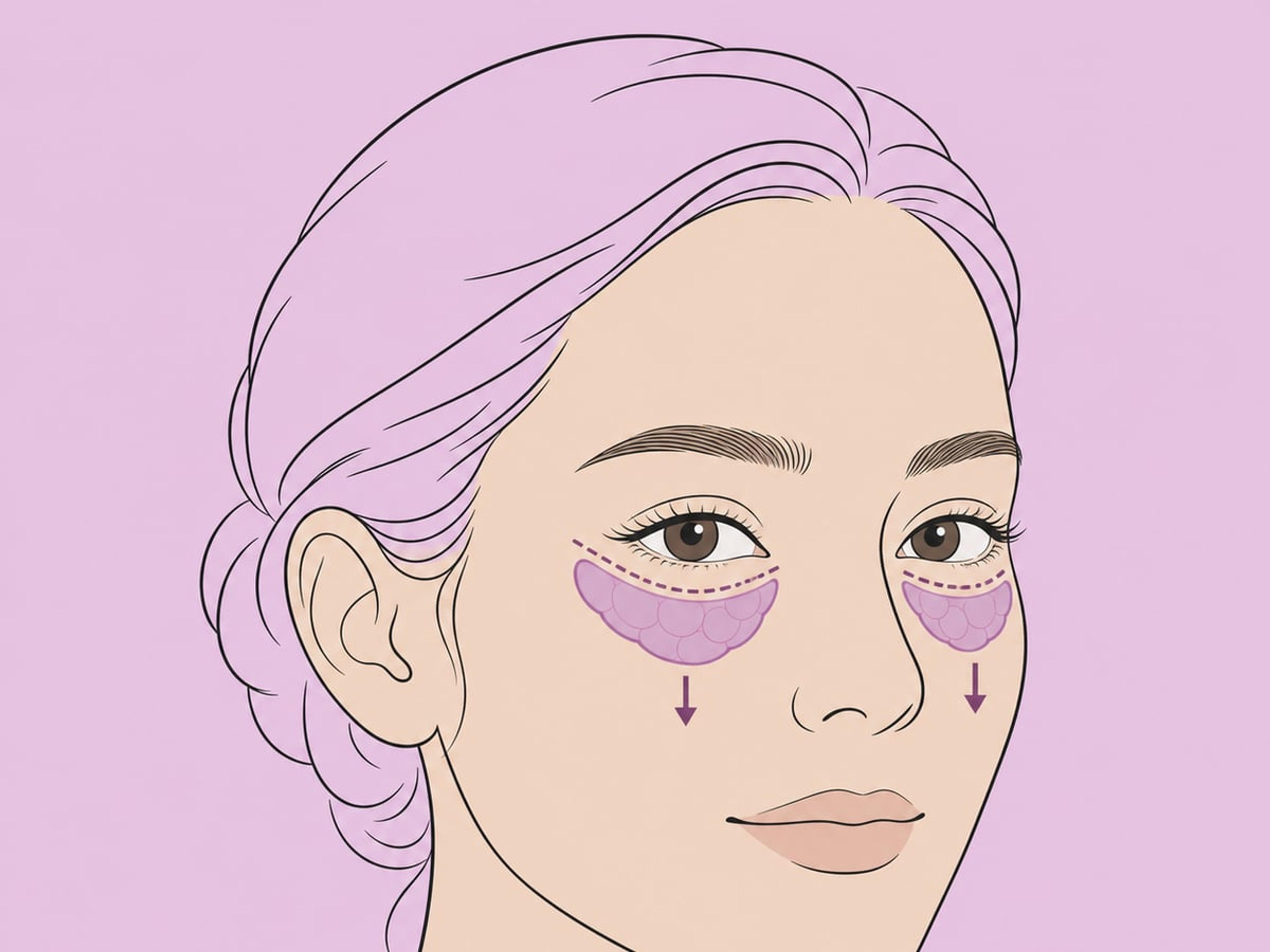
The fat pads that create under-eye bags are repositioned or gently reduced, and loose skin is tightened. The incision sits just below the lash line or, in fat-only cases, inside the lid — transconjunctival — so nothing is visible from outside.
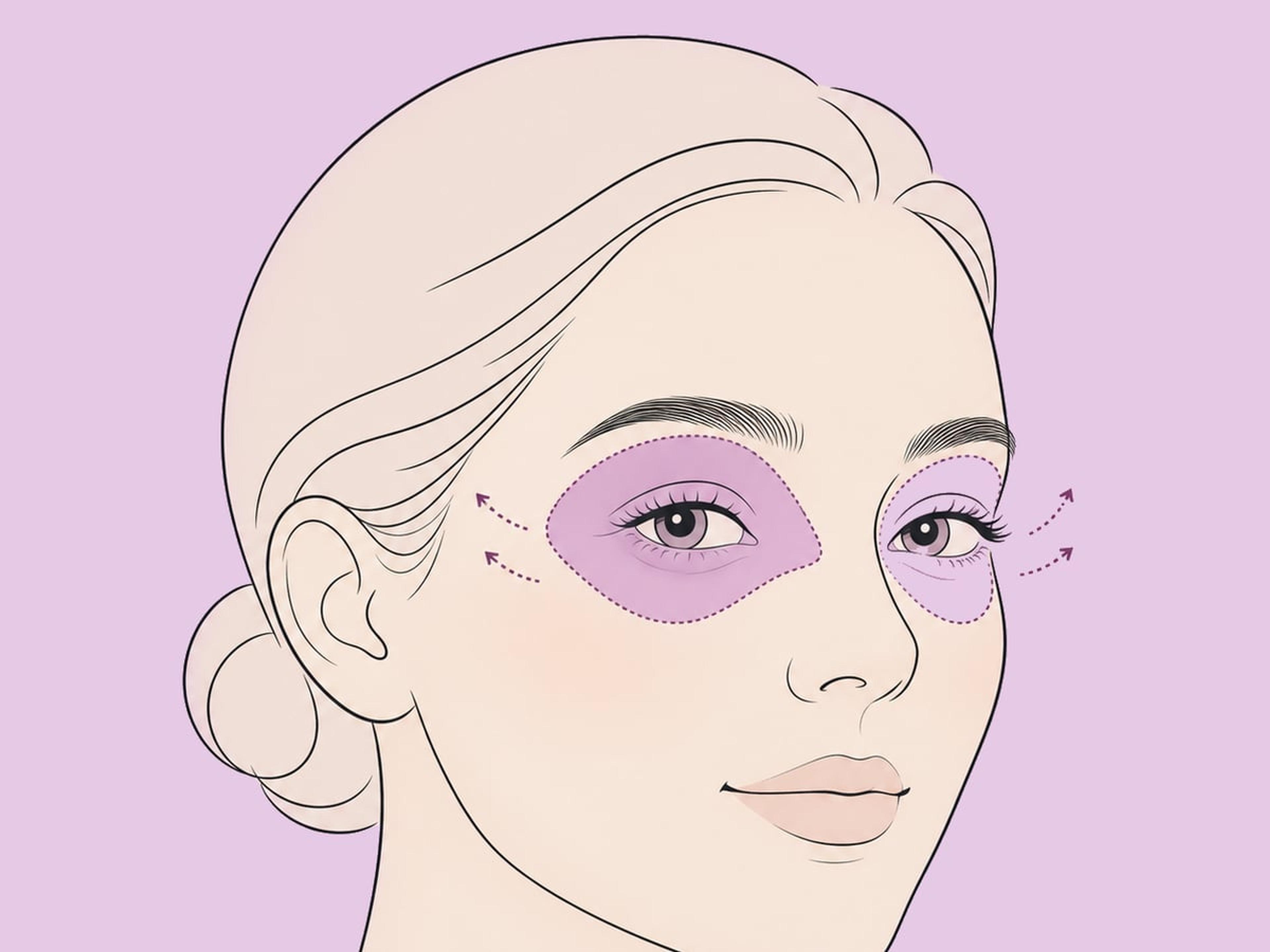
Both lids are treated in one session when the upper hood and lower bags read as a single tired-eye signature. Recovery overlaps rather than doubles. This is the case that most often calls for general anaesthesia rather than local with sedation.
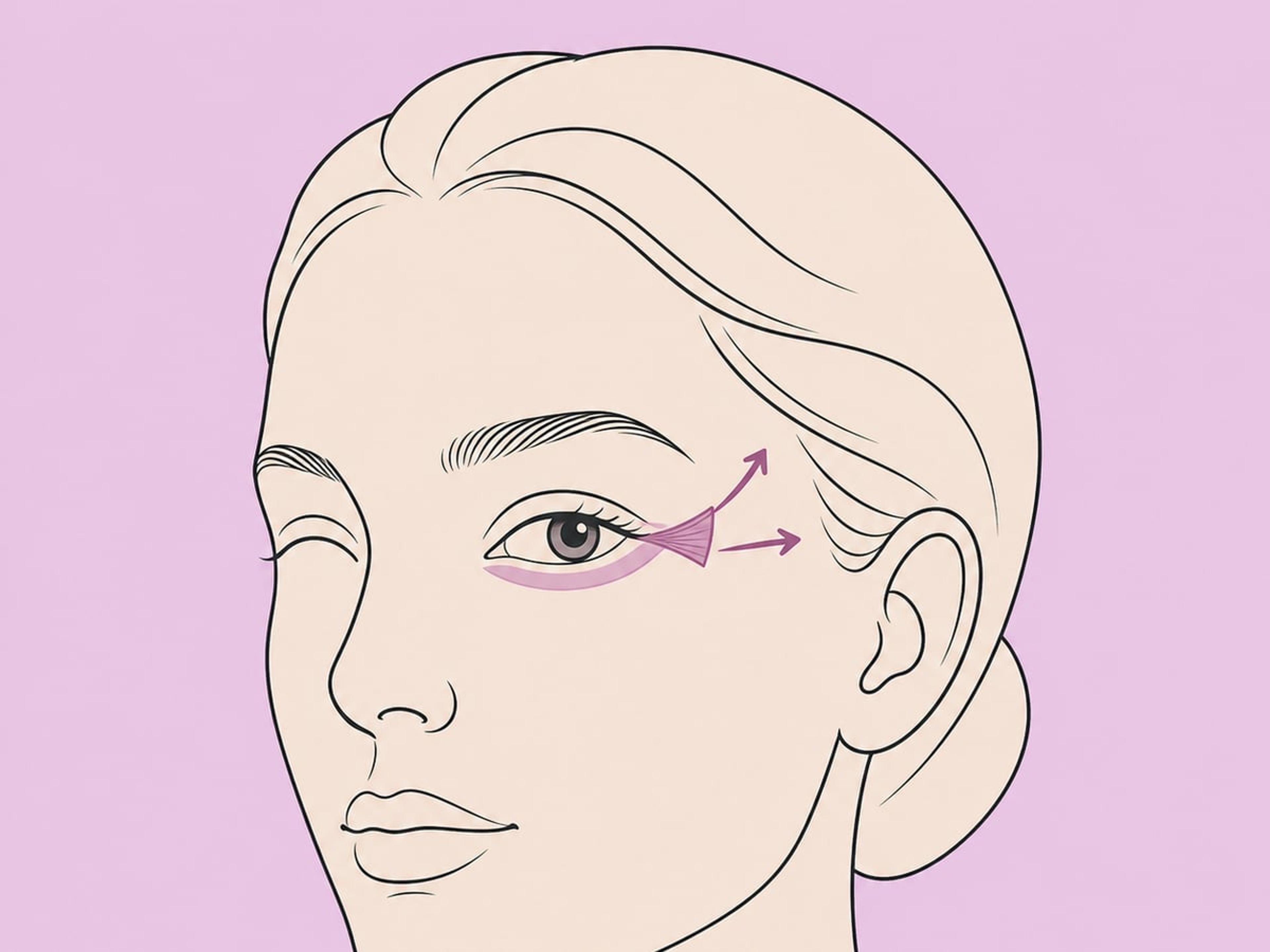
When the lower lid is loose or the outer corner has drifted, the lid's support tendon is tightened or repositioned. We add it selectively alongside lower blepharoplasty to protect against a hollowed or pulled-down look. It is not routine, and we will tell you plainly if it is not needed.
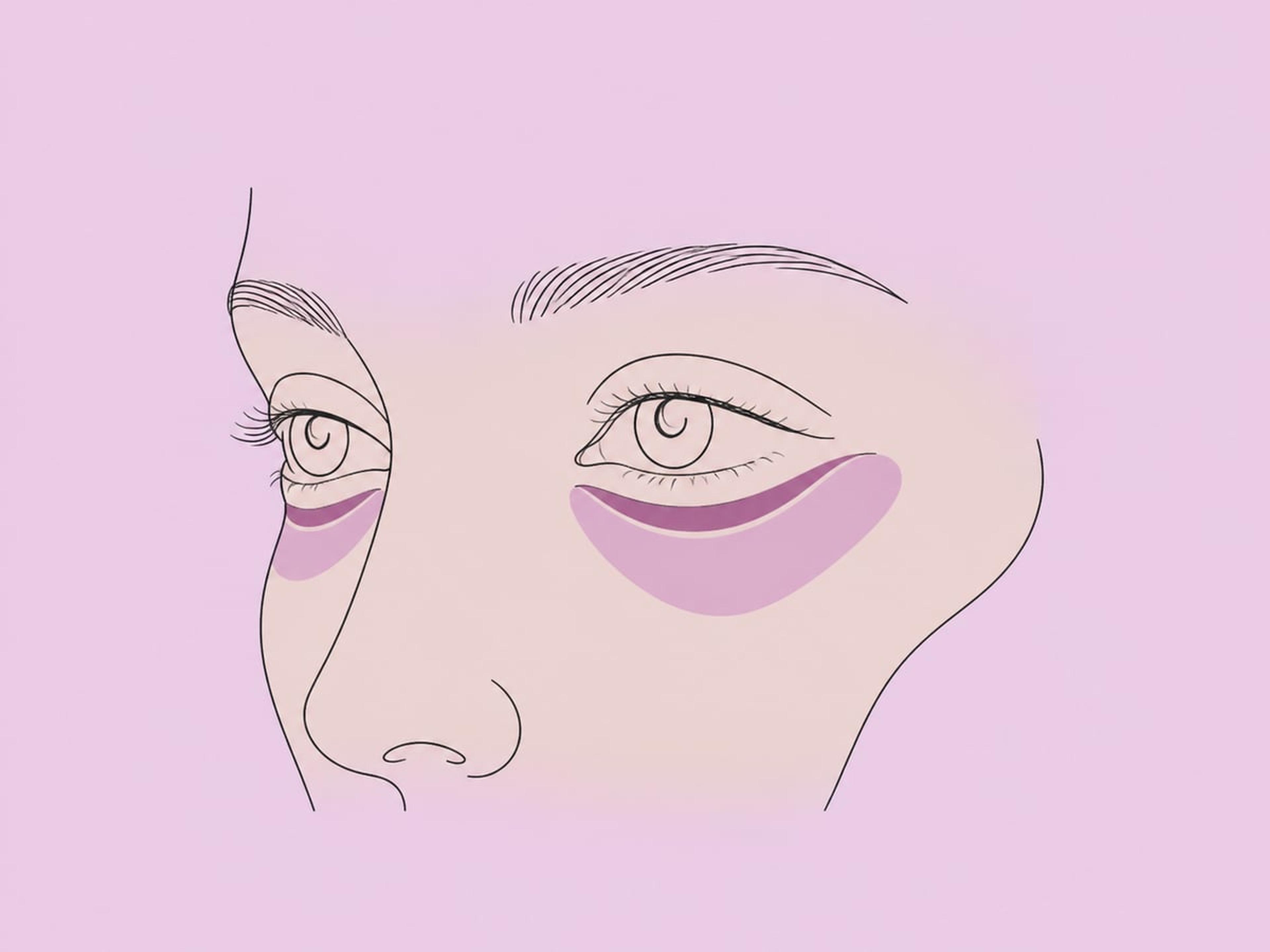
Fat grafting — fat transfer, in the plainer name — takes fat harvested from your own body with a fine cannula and layers it into the hollow beneath the eye and across the lid-cheek junction. It suits the bag-and-hollow pattern, where puffiness sits directly above a groove and taking more tissue out would only deepen the shadow, and it is what we reach for when the eyes read as sunken rather than simply baggy. The aim is a smooth transition rather than added volume — overfilling this area reads as puffy, not rested.
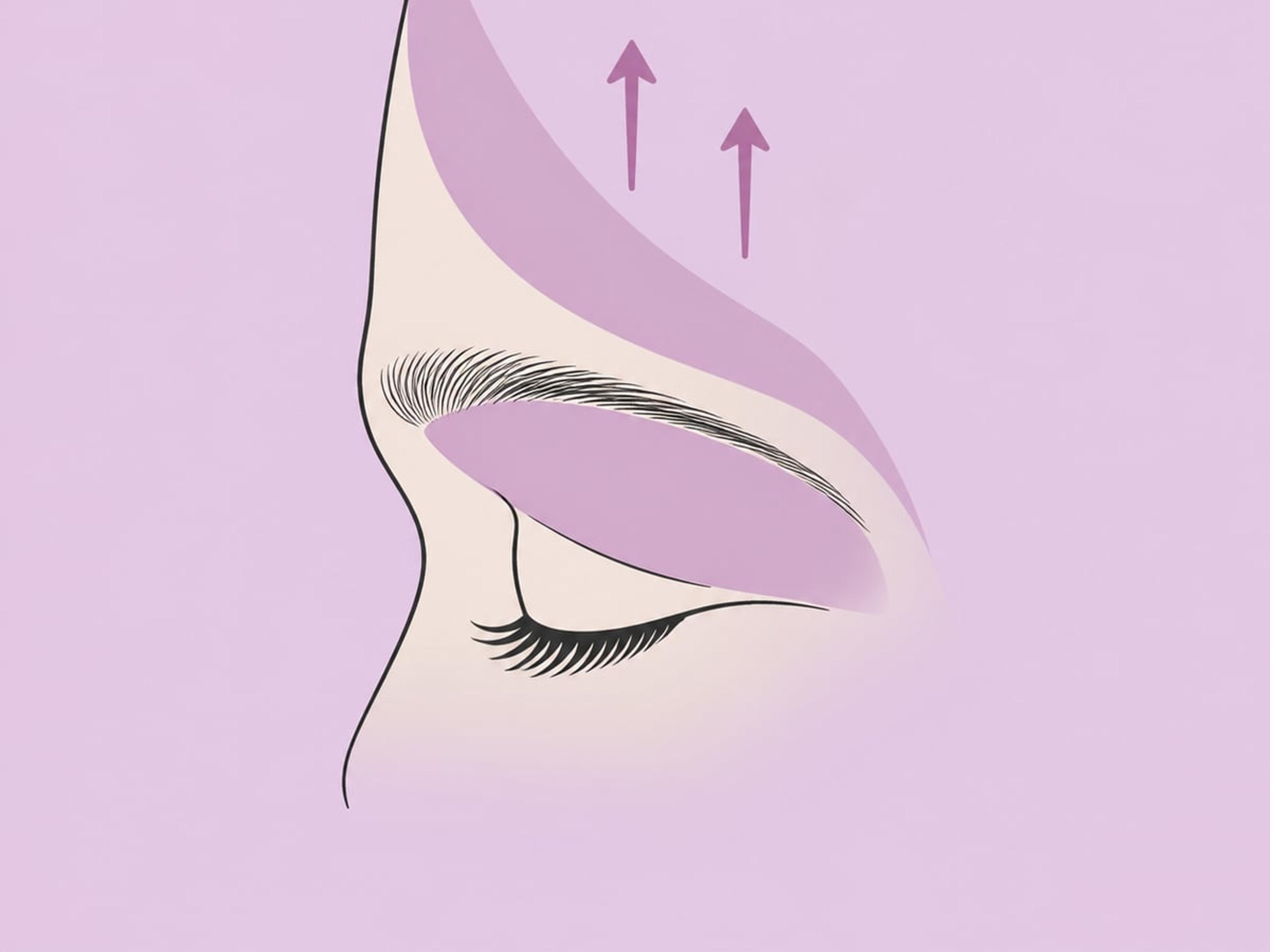
When the brow itself has descended it presses tissue down onto the upper lid, creating heaviness that trimming eyelid skin will not resolve. Raising the brow back to position — on its own or with an upper blepharoplasty — is what opens the eye area in these cases, and it is usually what people are after when they ask for a more open or "snatched" eye. We measure brow height at consultation first, because treating the lid alone in a brow-driven case takes skin the eyelid cannot spare and leaves the heaviness in place.
The operation, step by step
Anaesthesia
Upper-lid-only cases are usually done under local anaesthesia with light sedation, which shortens recovery. Lower or combined lids more often call for IV sedation or general anaesthesia — the choice is settled at consultation, not on the day.
Incision placement
Incisions are drawn where they will disappear: along the natural crease for the upper lid, and just below the lash line — or inside the lid, with no external cut at all — for the lower. Placement is what decides whether a scar is ever noticed.
Fat repositioned, skin trimmed
Bulging fat pads are repositioned rather than simply removed wherever possible — taking out too much fat is what creates a hollow, operated look. Loose skin is trimmed and the muscle tightened only where it is actually needed.
Closure with fine sutures
The incisions are closed with fine sutures so the line settles into the crease as it heals. Non-dissolving sutures come out around day 5–7.
Same-day discharge
You are monitored for a few hours, then go back to your hotel the same evening with cold compresses, lubricating drops and written aftercare instructions.
التعافي أسبوعاً بأسبوع
- Day 1
You are home the same day with cool compresses and your head elevated. Expect tightness, mild bruising and blurry vision from ointment — for most people, not pain.
- Week 1
Non-dissolving sutures come out around day 5–7. Bruising peaks and then starts to fade, and most people feel presentable behind sunglasses.
- Week 2
Most people return to desk work and social settings. Residual pinkness along the incision is normal and conceals well with makeup.
- Weeks 3–4
Light activity is fine, but hold off on heavy lifting, bending over and hard exercise until about week 4 — straining raises pressure around the healing lids. Wear sunglasses outdoors: fresh incisions darken with sun exposure.
- Week 6
Swelling is largely resolved and scars are settling. Contact lenses, eye makeup and full exercise are usually back on the table.
- 6 months
Scars continue to mature and soften into the lid crease. What you see now is close to your final result.
كيف تستعد
- Stop blood thinners, NSAIDs and certain supplements — fish oil, vitamin E, ginkgo — about 10–14 days before surgery, with your prescriber's sign-off.
- Pause nicotine for at least 2–4 weeks before and after — it meaningfully impairs eyelid healing.
- Get a recent eye exam if you have dry eye, glaucoma, or a history of LASIK, and bring the results.
- Arrange help for the first 24–48 hours after surgery.
- Set up cold compresses, lubricating eye drops and extra pillows before the day itself.
- Pause alcohol for at least two weeks before surgery — it slows healing and increases bleeding and bruising.
المخاطر
كل عملية جراحية تنطوي على مخاطر. نُسمّيها بوضوح لتتمكن من طرح الأسئلة الصحيحة.
- Bruising and swelling, sometimes asymmetric in the first weeks
- Dry, gritty or watery eyes for several weeks
- Temporary blurry vision from ointment and swelling
- Numbness or altered sensation around the incisions, usually temporary
- Visible scarring or slow-healing incisions
- Lower lid pull-down — ectropion — or rounding of the eye shape
- Asymmetry, or under- or over-correction that may need revision
- Infection — redness, warmth or discharge around the incisions
- Bleeding behind the eye — retrobulbar haematoma — rare but an emergency

ماذا تتوقع في تركيا
Coming to Istanbul for eyelid surgery is a short, planned trip rather than a holiday built around a procedure. It is a day case, so the days that matter are the ones after — the suture-removal check and a second follow-up before you fly home.
Before you fly
You meet your surgeon by video before you book anything, so the plan — which lids, which technique, whether a lower-lid support step is needed — is settled before you travel. The preparation steps above apply unchanged: the medication, supplement and nicotine timings all count from your surgery date, wherever you are. Send us your recent eye exam ahead of time if you have dry eye, glaucoma or a LASIK history.
At the clinic
Surgery is carried out in a licensed operating theatre, under local with sedation or general anaesthesia depending on your case. If accreditation matters to you — and it should — ask us to confirm exactly which facility your surgery and any recovery care take place in, and its status, so you are checking the specific building, not a group name.
Recovery in Istanbul
Plan for about 7 nights in the city. You go back to your hotel the same evening with cold compresses and lubricating drops. We see you twice — for the suture-removal check around day 5–7 and once more — and a coordinator handles transfers and translation for those visits.
Heading home
Wear compression socks and move about the cabin. From home, we stay with you — care continues for twelve months, not twelve hours.
- United States
- $4,000 – $8,500
- United Kingdom
- $3,500 – $8,000
- Germany
- $3,000 – $7,000
- Canada
- $3,500 – $8,000
- Australia
- $4,000 – $9,000
- Italy
- $3,000 – $6,500
- France
- $3,500 – $7,500
- Switzerland
- CHF 3,800 – CHF 6,500
نطاقات منشورة للاسترشاد فقط — يُرجى التأكد من عرض سعر محلي.
الأسئلة الشائعة
How long do I really need off work?
Plan on 7–10 days if you are seen on camera, and around 2 weeks if you would rather no one ask. Bruising fades faster than you would think — the giveaway is usually pink incisions, which makeup covers well by week two.
Is eyelid surgery painful?
Less than most people brace for. What you feel is tightness across the lids and a dry, gritty sensation rather than sharp pain, and it is at its worst in the first two or three days, alongside the swelling and bruising. Cool compresses, keeping your head elevated and simple oral painkillers handle it for most people — the dryness and the blurring from ointment usually bother patients more than pain does. Severe or worsening pain is not part of normal healing; call us rather than wait it out.
When can I look at screens or read again?
Short sessions are usually fine from day two or three, though expect blurring and dryness at first — ointment, swelling and a reduced blink rate all work against a comfortable eye. Use the lubricating drops you are sent home with and take breaks. Most people manage a full working day on screen by the end of week two.
Will it make me look different, or just rested?
Done conservatively, eyelid surgery does not change your features — it removes the heaviness and shadowing that read as tired. People tend to notice that you look well, not that you have had something done.
How long do the results last?
Upper eyelid surgery typically lasts 10–15 years, and many people never have it redone. Lower lid results are generally long-lasting, though ageing continues around the area.
What does travelling to Istanbul for this actually involve?
Eyelid surgery is a day case — you are home the same evening. Plan roughly 7 nights in Istanbul so we can see you for the suture-removal check and one further follow-up before you fly. We arrange airport transfers and a coordinator, and you talk to the surgeon before you travel, not on arrival.
When can I fly home?
We prefer you fly after the suture-removal check, from around day 7, and we ask you to wear compression socks. Cabin pressure can worsen swelling around the eyes and the surgery-plus-flight combination raises clot risk, so long-haul flights are best delayed to about 14 days.
Will I have visible scars?
Upper incisions hide in the natural lid crease and usually fade to a faint line. Lower incisions sit just below the lashes or inside the lid, where they are not visible from outside. Once the incisions have closed, silicone-based scar products and consistent sun protection help them fade.
Can this be done under local anaesthesia?
Many upper blepharoplasties are done under local with light sedation, which shortens recovery. Lower lid work and combined cases more often use IV sedation or general anaesthesia for comfort — we decide together at consultation.
Can eyelid surgery improve my vision?
Yes — when hooded upper lids sag far enough to block peripheral vision or force you to strain to keep the eyes open, upper blepharoplasty can restore the field of sight and ease eye fatigue. For many patients this functional benefit matters as much as the cosmetic one.
Which symptoms after surgery need urgent attention?
Contact your surgeon straight away for severe or worsening pain, spreading redness, warmth or discharge around the incisions, sudden vision changes, or bleeding. These can signal infection or bleeding behind the eye and should not wait for a scheduled follow-up.
What is double eyelid surgery?
Double eyelid surgery creates a defined upper-lid crease where one is absent or faint — most often requested by East Asian patients. An incisional method gives a permanent crease; a non-incisional suture method is semi-permanent with less downtime. Whether either suits your anatomy is settled at consultation.
Are there non-surgical alternatives to eyelid surgery?
Botox for the dynamic lines around the eyes, radiofrequency skin tightening, fillers for select hollowing patterns and plasma-pen treatments can all improve mild concerns without surgery, but the results are temporary and more modest than blepharoplasty — for significant hooding or true bags, surgery is the more definitive answer. On the surgical side, laser-assisted incisions are sometimes used — most often for lower lids — to reduce bleeding during surgery.
Can eyelid surgery be combined with other procedures?
Yes — a brow lift or facelift is commonly added when heaviness comes from the brow or midface rather than the lids alone, and fat grafting can address hollowing. Combining changes operative time, anaesthesia choice and price, so suitability is assessed case by case at consultation.
Who is a good candidate for eyelid surgery?
Adults in good general health with hooded upper lids or under-eye bags, no conditions that impair healing, and realistic expectations about the change. Nicotine works against eyelid healing, and dry eye, glaucoma or a LASIK history call for an eye exam before surgery is planned.
Why do eyelid surgery quotes vary?
The main drivers are which lids are treated — upper, lower or both — the anaesthesia used, and any add-ons such as canthopexy or fat grafting. Within our €1,350 – 3,500 range, combined upper and lower cases sit at the top end. Comparing quotes abroad is harder than it looks: the average figures published by the American Society of Plastic Surgeons are the surgeon's fee only, before facility and anaesthesia, so the headline number is rarely the final bill.
المصادر
- [1]Eyelid Surgery · American Society of Plastic Surgeons
- [2]Eyelid surgery · NHS
- [3]Eyelid lift: MedlinePlus Medical Encyclopedia · MedlinePlus
- [4]Functional indications for upper eyelid ptosis and blepharoplasty surgery: a report by the American Academy of Ophthalmology · PubMed · 2011