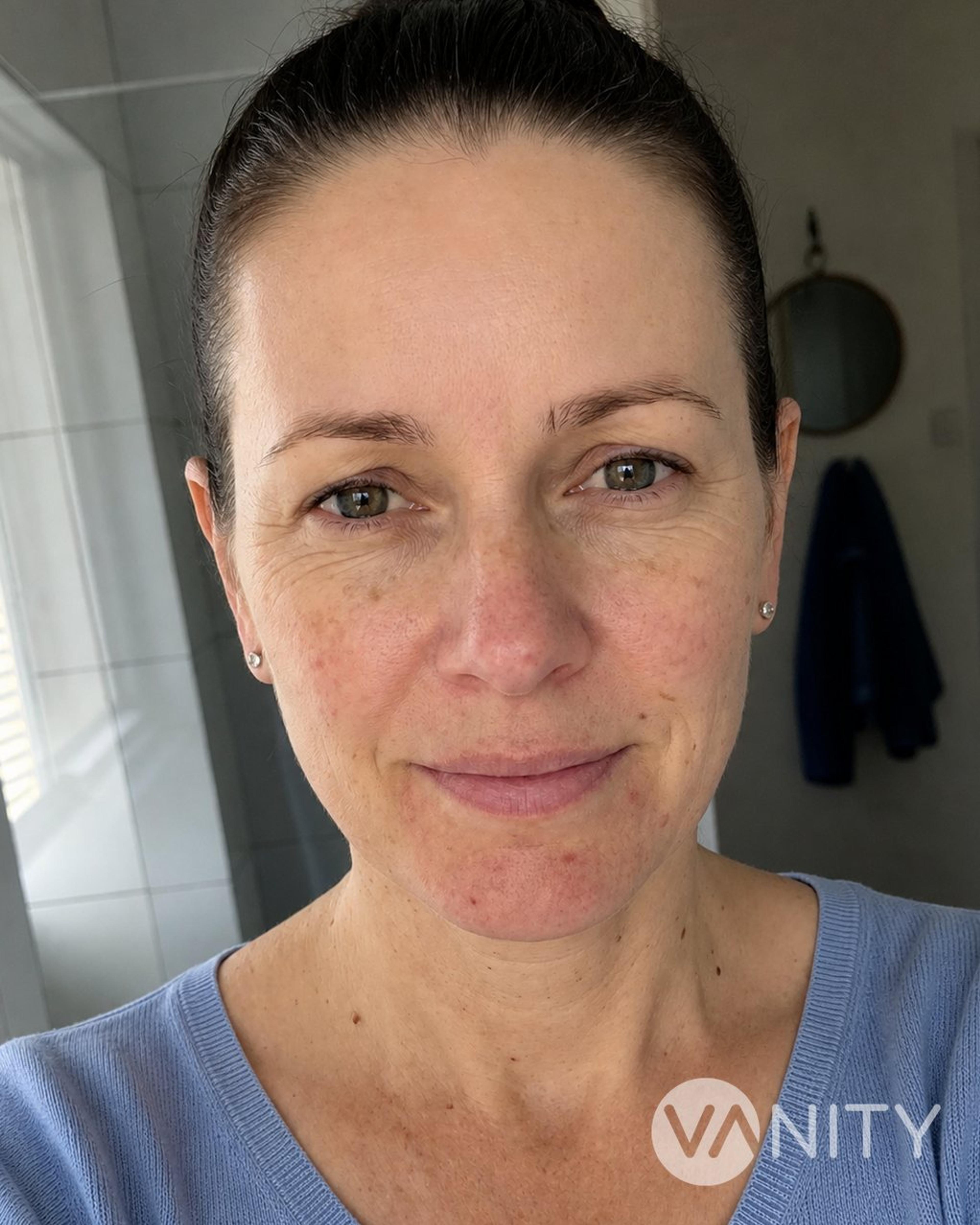




بوتوكس: ما هي
ذيفان البوتولينوم من النوع A دواء يُصرف بوصفة طبية ويُحقن في عضلات وجه محددة بإبرة دقيقة قياس ٣٠ إلى ٣٣. يحجب الإشارة بين العصب والعضلة، لذلك تنقبض العضلة المحقونة بدرجة أقل لبضعة أشهر. الخطوط التي يعالجها ديناميكية — أي الثنيات الناتجة عن الحركة المتكررة أو العبوس أو التضييق بالعينين أو رفع الحاجبين — وليست ناتجة عن فقدان الحجم أو أضرار الشمس؛ لذا حين تتحرك العضلة بدرجة أقل، يتوقف الجلد عن الانطواء على الثنية نفسها ويخف الخط. في الولايات المتحدة، مناطق الاستخدام التجميلي المرخّصة هي أربع: خطوط العبوس بين الحاجبين، وأقدام الغراب، وخطوط الجبهة، والأشرطة العمودية في الرقبة. يستغرق الموعد الواحد نحو ٣٠ دقيقة ولا يحتاج إلى تخدير سوى كريم التخدير إن رغبتِ فيه.
يناسب البالغات ذوات خطوط الحركة المتوسطة إلى الشديدة في أعلى الوجه ممن يردن شيئاً قابلاً للعكس وغير جراحي، والمريضات الأصغر سناً اللاتي يستخدمن جرعات أصغر لإبطاء تحوّل الخطوط إلى خطوط محفورة في الجلد. ولن يؤدي الوظائف الأخرى. فهو لا يعالج الخطوط المثبتة في الجلد بسبب أضرار الشمس أو الترهل، ولا يعوّض الحجم المفقود، ولا يرفع الأنسجة المترهلة — فتلك تحتاج إلى تجديد سطح الجلد أو الفيلر أو الجراحة، وسنخبركِ بذلك بدلاً من حقنكِ على أي حال. لا نعالج أثناء الحمل أو الرضاعة، أو عند وجود اضطرابات عصبية عضلية مثل الوهن العضلي الوبيل أو ALS، أو تدلّي قائم في الجفن أو ضعف ملحوظ في عضلات الوجه، أو عدوى في موضع الحقن، أو إذا سبق أن تفاعلتِ مع أحد منتجات ذيفان البوتولينوم.
بوتوكس: التقنيات
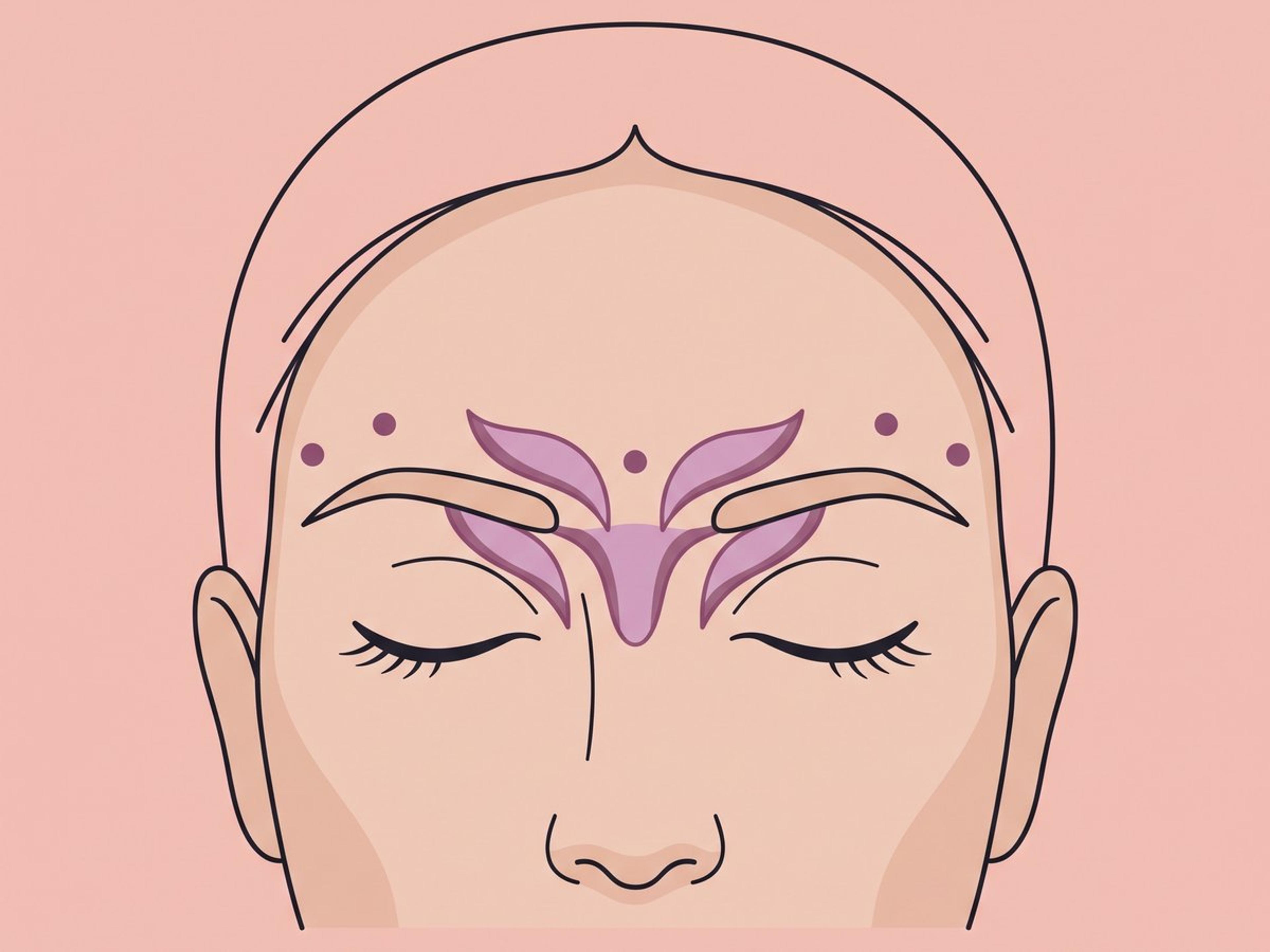
لخطوط العبوس، نستخدم ٥ نقاط حقن صغيرة بين الحاجبين: ٢ في كل جانب و١ في الوسط. المجموع المعتاد هو ٢٠ وحدة. ثبت أن هذه الجرعة تخفف خطوط العبوس المتوسطة إلى الشديدة.
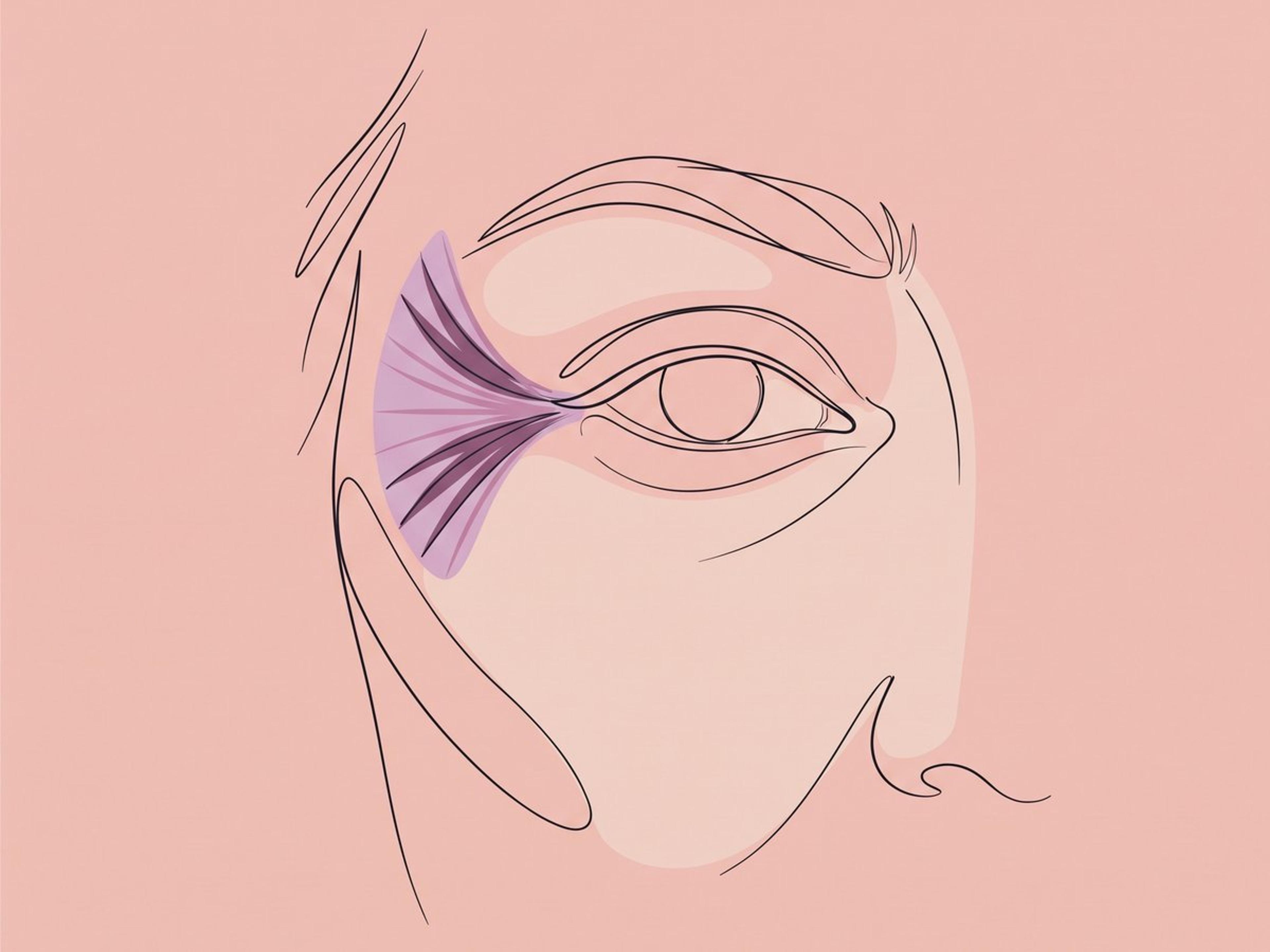
للخطوط الدقيقة عند الزوايا الخارجية للعينين، نستخدم ٣ نقاط حقن صغيرة في كل جانب، بإجمالي ٢٤ وحدة عادةً. تبقى الحقن بعيدة تماماً عن عضلات العين. وهي تخفف الخطوط التي تظهر حين تبتسمين، بدلاً من إزالة الخطوط المرئية حين يكون وجهكِ في وضع الراحة. يُبلّغ عن تورم مؤقت في الجفن لدى نحو ١٪ من المريضات.
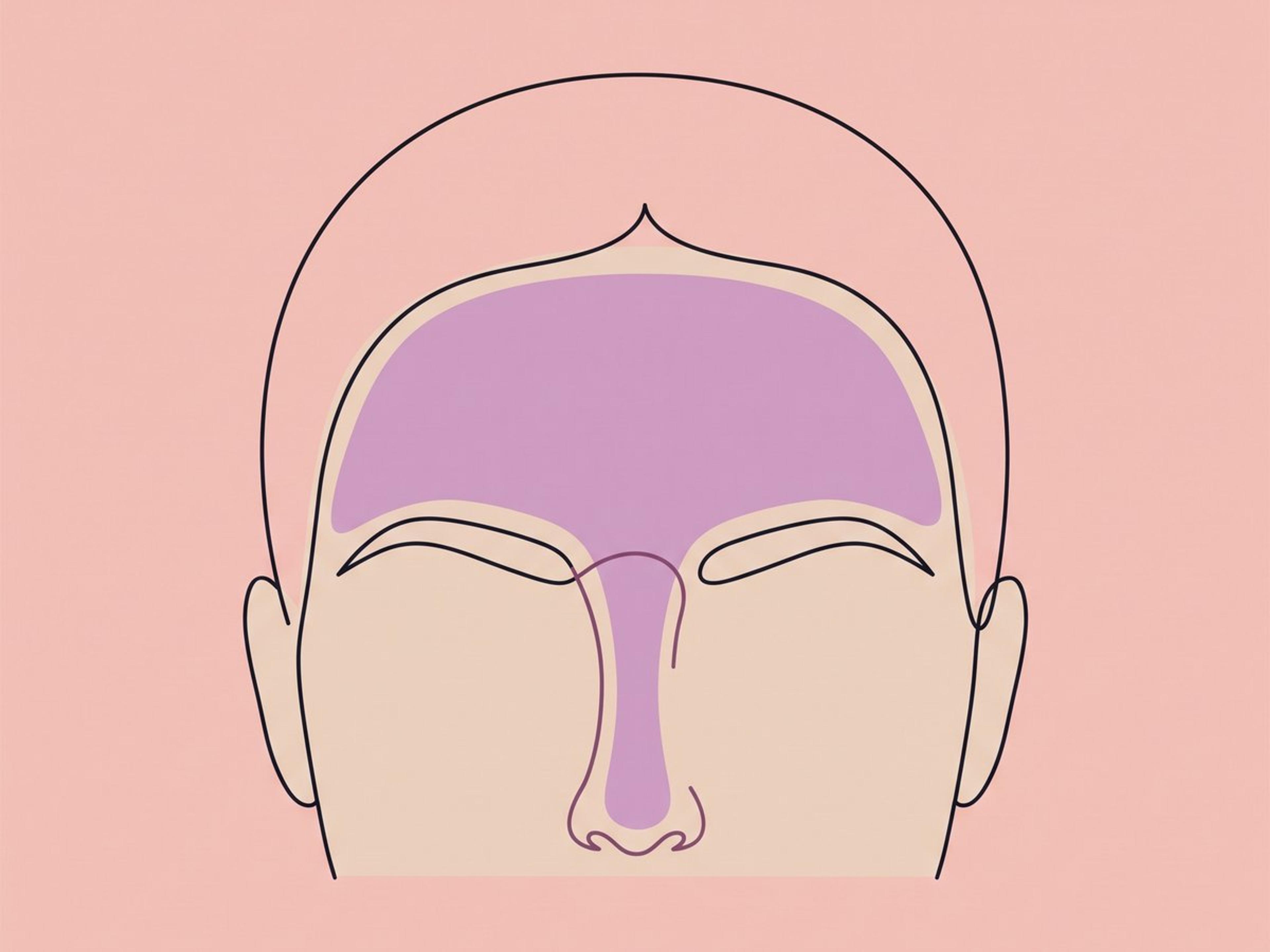
نعالج خطوط الجبهة مع خطوط العبوس، لا وحدها. الخطة المعتادة هي ٢٠ وحدة عبر ٥ نقاط في الجبهة، إضافة إلى ٢٠ وحدة بين الحاجبين، بإجمالي ٤٠ وحدة. يساعد علاج المنطقتين معاً على منع انخفاض موضع الحاجبين. الصداع، المُبلّغ عنه لدى نحو ٩٪ من المريضات، وانخفاض الحاجبين، المُبلّغ عنه لدى نحو ٢٪، هما أكثر التفاعلات شيوعاً.
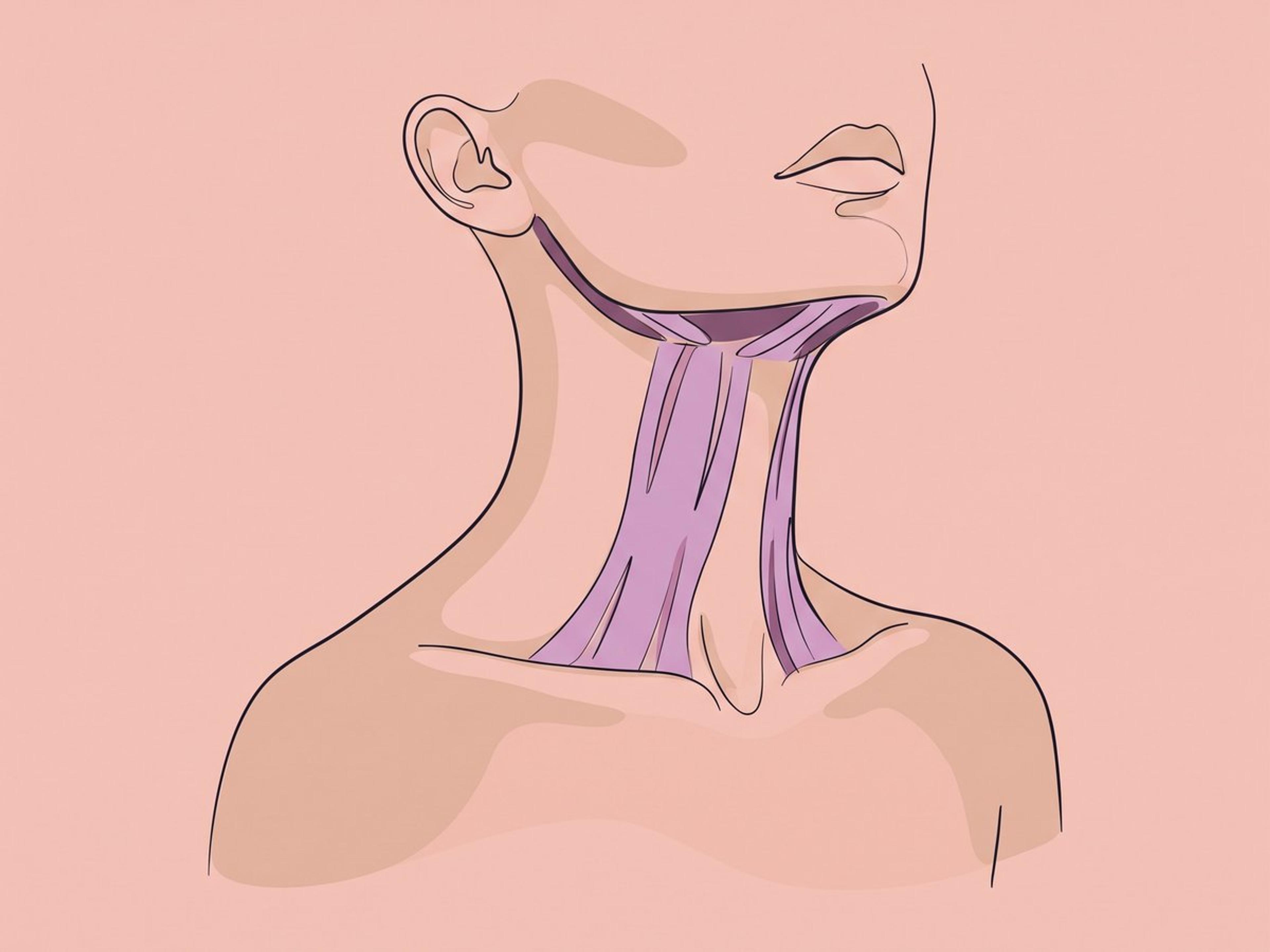
يخفف هذا العلاج الأشرطة العمودية التي قد تظهر في الرقبة وقد يحدد خط الفك. تعتمد الجرعة على مدى وضوح الأشرطة، وعادةً ما تكون ٢٦ أو ٣١ أو ٣٦ وحدة، تُعطى بكميات صغيرة على طول الجزء العلوي من الرقبة وفي الأشرطة نفسها. يمكنه تحسين أشرطة الرقبة وتحديد الفك، لكنه ليس بديلاً عن شد الرقبة.
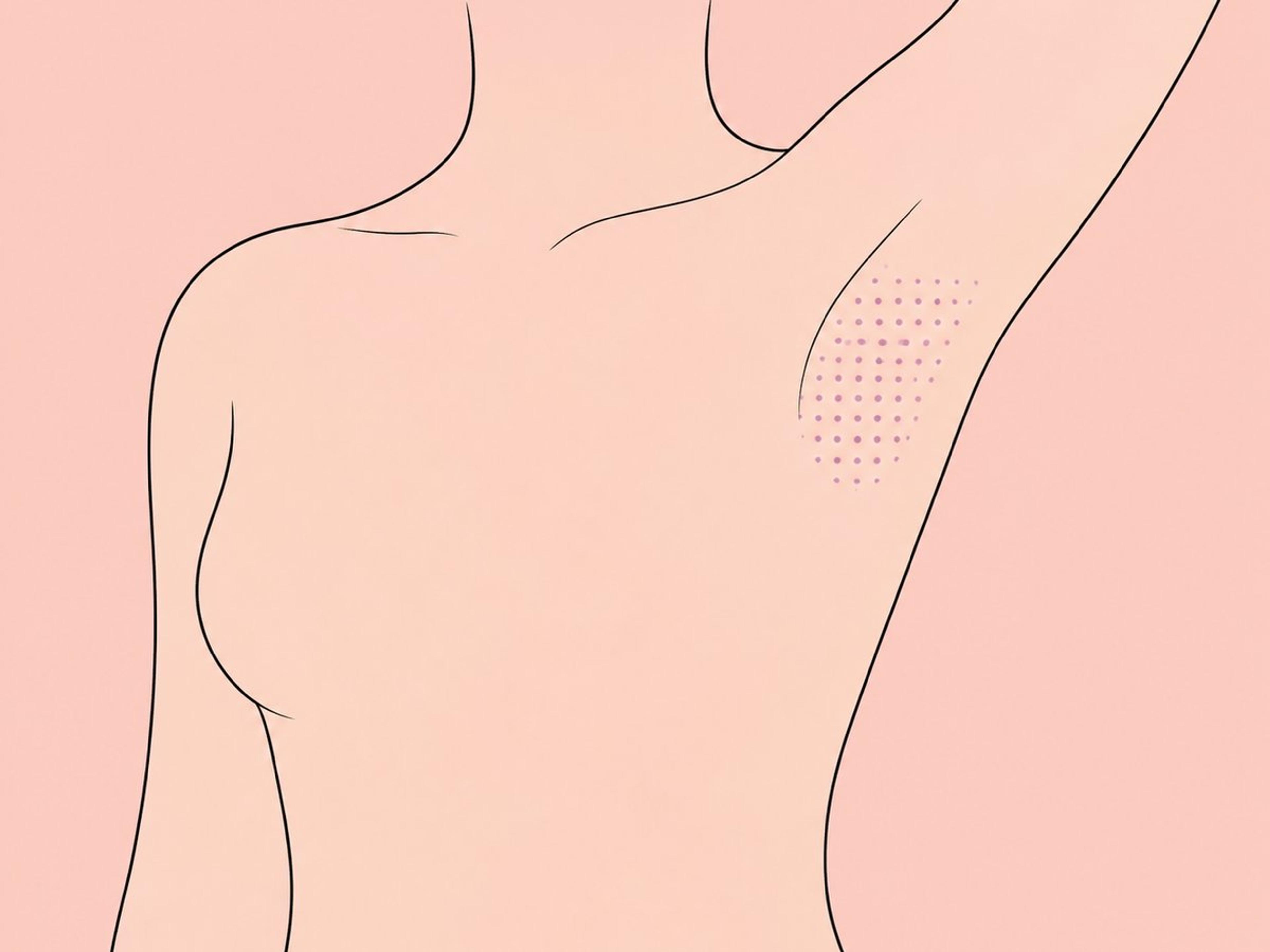
لفرط التعرق الأولي تحت الإبط أو في اليدين — أي التعرق المفرط غير الناتج عن حالة أخرى — نحقن ٥٠ وحدة في كل منطقة عبر نقاط صغيرة متعددة. يحجب مؤقتاً الإشارة العصبية إلى الغدد العرقية؛ ويبدأ انخفاض التعرق عادةً خلال أسبوع واحد ويدوم غالباً عدة أشهر. ليس هذا علاجاً للتعرق الجديد غير المفسر، الذي يحتاج أولاً إلى تقييم طبي.
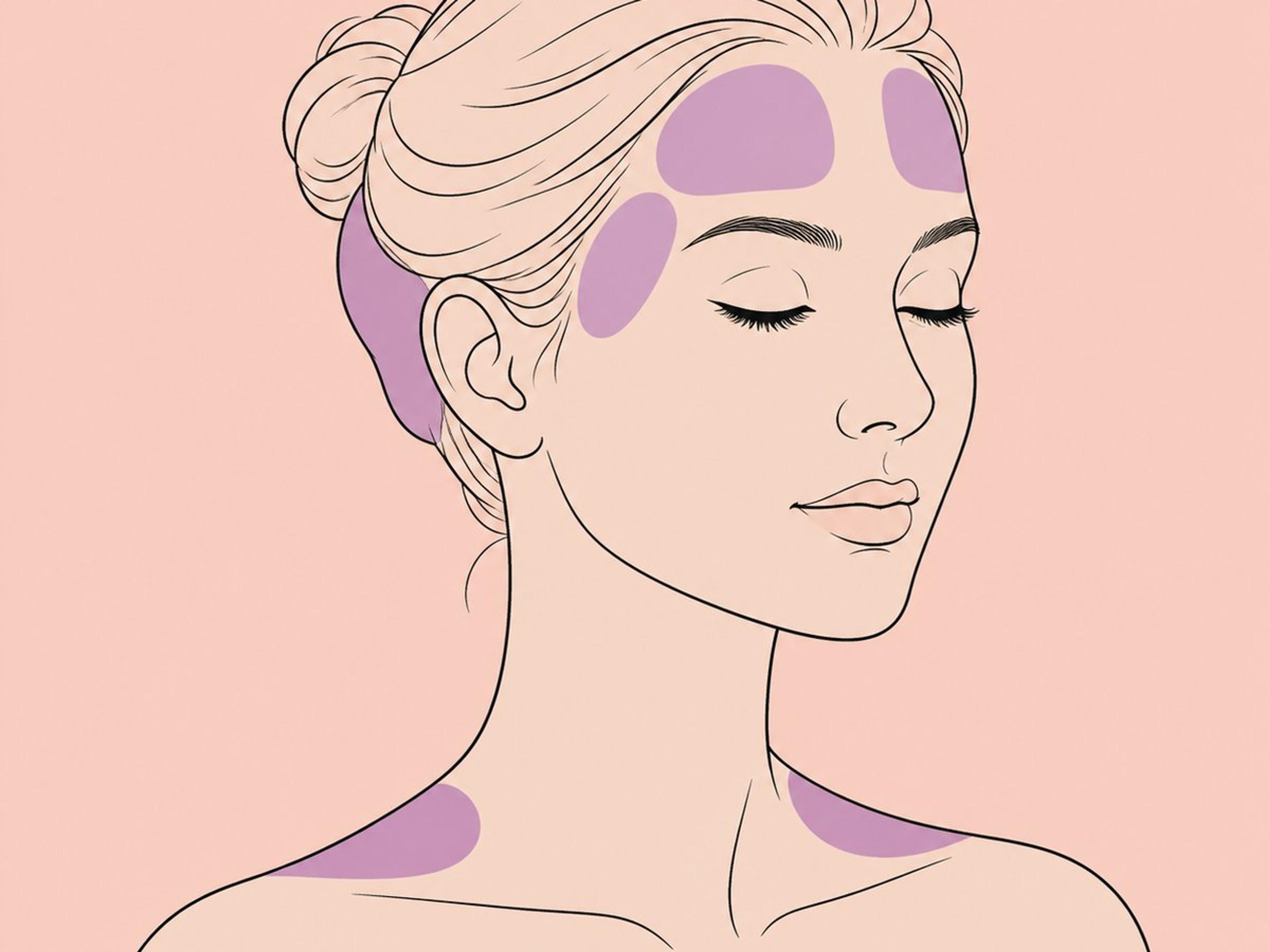
يُستخدم البوتوكس وقائياً للصداع النصفي المزمن — ١٥ يوماً أو أكثر من الصداع شهرياً، مع سمات الصداع النصفي في ٨ أيام على الأقل. يمكنه تقليل تواتر أيام الصداع النصفي عبر دورات علاج متكررة، لكنه لا يعالج نوبة صداع نصفي حادة.
الموعد، خطوة بخطوة
تقييم ووجهكِ يتحرك
يراقب الطبيب الذي سيصف العلاج عبوسكِ ورفعكِ لحاجبيكِ وتضييقكِ لعينيكِ، لأن الجرعة تتبع العضلة التي تسحب فعلياً لا مخططاً معيارياً. تؤخذ هنا قائمة أدويتكِ وأي حالة عصبية عضلية والعلامة التجارية وتاريخ وعدد وحدات علاجكِ الأخير — فكل منها يغير الجرعة، وأحياناً الإجابة.
الخطة مكتوبة بوحدات لكل موضع
قبل تحضير أي شيء، تُسجل الخطة كمنتج مُسمى وعدد من الوحدات في كل نقطة حقن. لا يمكن تبادل الوحدات بين منتجات ذيفان البوتولينوم، لذلك فهذا أيضاً الشكل الوحيد للخطة الذي يمكن مقارنته بعرض سعر عيادة أخرى.
التحديد وتحضير الجلد
تُحدد النقاط وفق تشريحكِ الخاص ويُنظف الجلد؛ كريم التخدير اختياري ويضيف نحو ٢٠ دقيقة إذا رغبتِ فيه. يكتسب التحديد أهميته القصوى حول العين، حيث إن البقاء وحشياً لحافة الحجاج هو ما يبقي الذيفان بعيداً عن العضلات التي تحرك مقلة العين والجفن العلوي.
الحقن
تُحقن أحجام مقاسة بإبرة قياس ٣٠ إلى ٣٣ خلال نحو ١٠ دقائق؛ ويصفه معظم الناس بأنه لسع قصير لا ألم. من المتوقع ظهور انتفاخات صغيرة مرتفعة عند كل نقطة، وتهدأ خلال ساعة.
أول ٢٤ ساعة
ابقي في وضع مستقيم لمدة ٣ إلى ٤ ساعات، واتركي المنطقة المعالجة دون فرك أو ضغط لنحو ١٢ ساعة، وتجنبي التمارين الشاقة ليوم واحد — فكل واحدة من هذه التعليمات موجودة لإبقاء الذيفان في العضلة التي وُضع فيها. المكياج والشاشات والعمل المعتاد كلها مناسبة فوراً.
مراجعة الأسبوعين
يمتد بدء المفعول من اليوم ٣ إلى اليوم ٧، ويبلغ التأثير ذروته في اليوم ١٠ إلى ١٤، لذا لا يمكن الحكم على النتيجة بصدق قبل ذلك. يُصحح عدم التماثل أو نقص الجرعة في تلك المراجعة، ولهذا ينبغي الاتفاق كتابةً قبل حقنكِ على من سيجري الجرعة الإضافية ومن سيدفع مقابلها.
بوتوكس: التعافي أسبوعًا بأسبوع
- أول ٢٤ ساعة
تتسطح الانتفاخات الصغيرة في مواضع الحقن خلال ساعة ويمكن وضع المكياج مباشرة. ابقي في وضع مستقيم لمدة ٣ إلى ٤ ساعات، واتركي المنطقة دون لمس لنحو ١٢ ساعة، وتجنبي التمارين الشاقة يوماً كاملاً، وكل ذلك للحد من الانتشار خارج العضلة المعالجة. الصداع في اليوم الأول أو الثاني هو التفاعل الأكثر إبلاغاً عنه بعد علاج الجبهة، بنسبة تقارب ٩٪.
- الأيام ٣–٧
يظهر أول تخفيف — تبدأ حركة العضلة المعالجة في الانخفاض، وتصبح الثنية التي تصنعها أقل عمقاً. تكون أي كدمة من الإبرة أكثر وضوحاً في هذه الفترة وتزول خلال نحو أسبوع؛ ويغطيها الكونسيلر ولا يلزم فعل شيء حيالها.
- الأيام ١٠–١٤
التأثير الكامل. هذه هي النقطة التي تُقيّم فيها النتيجة، واللحظة الوحيدة العادلة لمقارنتها بصوركِ قبل العلاج، ولهذا تكون المراجعة هنا لا قبل ذلك. إذا كانت جهة ما ناقصة الجرعة أو غير متساوية، توضع الآن جرعة تصحيحية صغيرة بدلاً من انتظار الجلسة الكاملة التالية.
- الأسابيع ٣–٦
النتيجة المستقرة، من دون أي قيود — تعود التمارين الكاملة والساونا والرحلات الجوية وعلاجات الوجه جميعها إلى طبيعتها. إذا كان حاجب أو جفن أقل ارتفاعاً مما ينبغي، يكون ذلك أوضح في البداية ويتحسن مع زوال التأثير؛ لا توجد مادة تعكس ذيفان البوتولينوم عند الطلب، لذا فالعلاج هو الوقت.
- الأشهر ٣–٤
يعود نشاط العضلات تدريجياً وتعود الخطوط إلى ما كانت عليه سابقاً — المدة المبيّنة على الملصق لخطوط العبوس هي ٣ إلى ٤ أشهر، وتمتد إلى وسيط يقارب ٦ أشهر عند استخدام نمط أعلى الوجه الكامل بجرعة ٦٤ وحدة. لا يُعاد العلاج بوتيرة أكثر من مرة كل ٣ أشهر، لأن إعطاء الجرعات على فواصل أقصر لم يُقيّم سريرياً.
بوتوكس: كيفية الاستعداد
- أخبرينا بكل دواء ومكمل غذائي تتناولينه — الأسبرين، ومضادات الالتهاب غير الستيرويدية، ومضادات التخثر، وجميع الأعشاب والفيتامينات والمعادن. كثير منها يجعل الكدم في موضع الحقن أكثر احتمالاً.
- تجنبي الكحول لمدة ٢٤ ساعة قبل الموعد؛ فهو يزيد احتمال الاحمرار والكدم.
- أخبرينا إن كنتِ حاملاً أو مرضعة، أو لديكِ أي اضطراب عصبي عضلي، ومتى تلقيتِ آخر ذيفان بوتولينوم وبأي جرعة، وعن أي جراحة سابقة للوجه أو علاج تجميلي. كل ذلك يغير الجرعة والمخاطر.
- أجري الاستشارة بنفسكِ مع الطبيب الذي سيصف العلاج. ذيفان البوتولينوم دواء لا يُصرف إلا بوصفة طبية ويجب وصفه بعد تقييم مباشر، لا بيعه من قائمة أسعار.
- احجزي قبل أي مناسبة تهمكِ بأسبوعين على الأقل. يبلغ التأثير ذروته في اليوم ١٠ إلى ١٤، ما يترك مجالاً لزوال الكدمة ولمراجعة أي عدم تماثل وتصحيحه.
بوتوكس: المخاطر
كل عملية جراحية تنطوي على مخاطر. نُسمّيها بوضوح لتتمكن من طرح الأسئلة الصحيحة.
- تدلّي الجفن — هبوط الجفن العلوي — عندما ينتشر الذيفان إلى العضلة الرافعة للجفن العلوي. يُبلّغ عنه في نحو ٣٪ من علاجات خطوط العبوس. ويزول تلقائياً خلال أسابيع.
- تدلّي الحاجب والصداع بعد علاج الجبهة: يُبلّغ عن الصداع لدى نحو ٩٪ من المريضات وعن تدلّي الحاجب لدى نحو ٢٪.
- كدمات وتورم واحمرار وإيلام في نقاط الحقن، مع خطر أكبر للكدمات إذا تناولتِ مضادات التخثر أو مضادات الالتهاب غير الستيرويدية أو الكحول مسبقاً.
- وذمة الجفن أو جفاف العين أو الدموع المفرطة بعد الحقن حول العين.
- ضعف غير مقصود في عضلة مجاورة، مسبباً عدم تماثل في الوجه أو تعبيراً لا يبدو كأنه تعبيركِ — بما في ذلك صعوبة البلع أو ضعف الرقبة بعد حقن العضلة الجلدية للرقبة.
- انتشار بعيد لتأثير الذيفان. يحمل كل منتج من ذيفان البوتولينوم تحذيراً مؤطراً بشأن صعوبة البلع والتنفس التي قد تهدد الحياة، وقد أُبلغ عنها بعد ساعات إلى أسابيع من الحقن. شوهد ذلك في الغالبية الساحقة عند الجرعات العلاجية لا التجميلية، لكن التحذير ينطبق على المنتج الذي نستخدمه.
بوتوكس في تركيا: ما الذي يمكن توقّعه
هذا موعد، لا عملية — لا دخول إلى العيادة للإقامة، ولا تخدير، ولا شيء يتطلب انتظار التعافي. ما يجعله مختلفاً حين تسافرين من أجله هو التوقيت: ستعودين جواً إلى المنزل قبل أن تظهر النتيجة، لذا تكمن معظم القيمة في ما يُدوّن قبل الإبرة.
قبل السفر جواً
أصري على أن يذكر عرض السعر المنتج وعدد الوحدات، لا «Botox» فقط. لا يمكن تحويل وحدات منتج ذيفان بوتولينوم إلى وحدات منتج آخر، لذا فإن سعراً «لكل منطقة» من دون علامة تجارية أو عدد وحدات ليس سعراً قابلاً للمقارنة. تمنحكِ الجرعات المبيّنة على الملصق معياراً: ٢٠ وحدة لخطوط الغلابيلا، و٢٤ وحدة للخطوط الوحشية حول العين، و٤٠ وحدة لخطوط الجبهة والغلابيلا معاً. منذ أبريل ٢٠٢٥، يجب على المنشآت والوكالات الوسيطة التي تعالج المرضى الدوليين في تركيا أن تحمل شهادة ترخيص السياحة الصحية الدولية، وأن تكون متاحة على مدار ٢٤/٧ بلغتين أجنبيتين على الأقل، وأن تقدم مجاناً فاتورة مفصلة بالخدمات وأسعار الوحدات والأدوية، وأن تتحمل المسؤولية عن المضاعفات الناشئة عن العلاج. اطلبي الاطلاع على الشهادة وعرض السعر المفصل قبل دفع العربون.
في العيادة
يُجرى التقييم ووجهكِ يتحرك — اعبسي، ارفعي حاجبيكِ، ضيقي عينيكِ — لأن الجرعة تتبع العضلة لا مخططاً، وتُكتب الخطة بوحدات لكل موضع قبل تحضير أي شيء. يستغرق الحقن نفسه نحو ١٠ دقائق بإبرة دقيقة؛ ويصفه معظم الناس بأنه لسع قصير. ستغادرين مع نتوءات صغيرة مرتفعة في مواضع الحقن تهدأ خلال ساعة، ويمكن وضع المكياج قبل أن تصلي إلى السيارة.
التعافي في إسطنبول
خصصي يومين في إسطنبول وليلة واحدة في الفندق. لا يوجد ما يستدعي التعافي — لا ضماد، ولا غرز، ولا قيد سوى البقاء في وضع مستقيم لمدة ٣ إلى ٤ ساعات، وترك المنطقة المعالجة لنحو ١٢ ساعة، وتجنب النادي الرياضي لمدة ٢٤ ساعة. الليلة الإضافية ليست احتياطاً سريرياً. إنها نافذة: إذا ظهرت كدمة أو تفاعل غير متوقع، فنفضل معاينته شخصياً على رؤيته في صورة.
العودة إلى المنزل
لا يوجد قيد على الطيران بعد ذيفان البوتولينوم، لأنه لا توجد عملية وراءه — لا شق، ولا تخدير عام، ولا عدم حركة، ولا أنبوب تصريف — ولذلك لا ينطبق أي من منطق التخثر الذي يحكم الطيران بعد الجراحة. رحلة في آخر النهار بعد موعد صباحي تستوفي بالفعل كل تعليمات الرعاية اللاحقة؛ ونفضل أن تسافري في اليوم التالي للسبب نفسه الذي نوصي لأجله بالليلة الإضافية. لن تكون النتيجة مرئية حين تغادرين. يبدأ المفعول في اليوم ٣ إلى ٧ ويكتمل في اليوم ١٠ إلى ١٤، لذا اتفقي كتابةً قبل حقنكِ على كيفية إجراء مراجعة الأسبوعين عن بُعد، والأهم من ذلك، من سيدفع مقابل جرعة إضافية ومن سيجريها إذا كانت النتيجة ناقصة الجرعة أو غير متساوية. إن رحلة عودة جواً لتصحيح بـ٥ وحدات هي أكبر تكلفة خفية للعلاج في الخارج.
- المملكة المتحدة
- £200 – £500
- الولايات المتحدة
- $300 – $600
- أوروبا الغربية
- €250 – €500
نطاقات منشورة للاسترشاد فقط — يُرجى التأكد من عرض سعر محلي.
بوتوكس: الأسئلة الشائعة
كم يدوم البوتوكس؟
نحو ٣ إلى ٤ أشهر لخطوط العبوس، وهي المدة المذكورة على ملصق FDA. وجد تحليل تلوي للتجارب العشوائية نُشر عام ٢٠٢٣ أن علاج منطقة الغلابيلا وأقدام الغراب والجبهة معاً بالجرعة التراكمية الكاملة المعتمدة البالغة ٦٤ وحدة مدّ الوسيط إلى نحو ١٨٢ يوماً. تختلف مدتكِ الخاصة بحسب الجرعة وكتلة العضلات والاستقلاب.
كم يستغرق البوتوكس ليبدأ مفعوله؟
يرى معظم الناس أول تخفيف بين اليوم ٣ واليوم ٧. يُبلغ التأثير الكامل بعد نحو ١٠ إلى ١٤ يوماً، ولهذا تُحدد المراجعة وأي جرعة إضافية بعد أسبوعين بدلاً من فوراً.
هل البوتوكس آمن؟
الجرعات التجميلية صغيرة مقارنة بالجرعات العلاجية المستخدمة لحالات مثل التشنج، ووجد تحليل تلوي لـ٧ تجارب مضبوطة بدواء وهمي عدم وجود فرق مهم في تواتر الأحداث الضارة بين ذيفان البوتولينوم والدواء الوهمي. تحمل جميع المنتجات تحذيراً مؤطراً بشأن الانتشار البعيد لتأثير الذيفان؛ وقد ارتبطت الأحداث الخطرة التي تقف خلفه بجرعات أعلى بكثير وبحالات طبية كامنة. وتشير American Academy of Dermatology إلى أنه لم يُبلّغ عن آثار جانبية خطرة مثل مشكلات التنفس أو البلع عند استخدام أطباء الجلد له لعلامات التقدم في العمر.
هل سيبدو وجهي متجمداً؟
ليس إذا طابقت الجرعة عضلتكِ. الهدف هو تقليل حركة العضلة التي تصنع الثنية، لا وجه لا يستطيع الحركة — وينبغي أن تبقي قادرة على إظهار الدهشة والانزعاج. إن كانت لديكِ نتيجة سابقة لم تعجبكِ، فأحضري العلامة التجارية وعدد الوحدات من ذلك العلاج؛ فهذا أكثر شيء يفيدنا أن تخبرينا به.
هل توجد فترة نقاهة بعد البوتوكس؟
عملياً لا. يمكنكِ وضع المكياج عند مغادرة غرفة العلاج والعودة إلى العمل في اليوم نفسه. التعليمات المعتادة هي البقاء في وضع مستقيم لمدة ٣ إلى ٤ ساعات، وترك المنطقة المعالجة دون فرك أو ضغط لنحو ١٢ ساعة، وتجنب التمارين الشاقة لمدة ٢٤ ساعة.
ماذا يحدث إذا توقفت عن البوتوكس؟
يعود نشاط العضلات تدريجياً وتعود الخطوط المعالجة إلى ما كانت عليه سابقاً. التوقف لا يجعل الجلد أسوأ من خط الأساس. ولم يحدد الاستخدام التجميلي المتكرر طويل الأمد مخاوف مهمة تتعلق بالسلامة.
ما الفرق بين Botox وDysport وXeomin وJeuveau؟
المنتجات الأربعة جميعها منتجات ذيفان البوتولينوم من النوع A المعتمدة من FDA، وتعمل بالآلية نفسها، لكنها تختلف في التركيبة ومحتوى البروتينات المرافقة وفعالية الوحدة. الوحدات غير قابلة للتبادل بينها، لذا فإن عرض سعر يذكر «٣٠ وحدة» من دون تسمية المنتج ليس سعراً يمكنكِ مقارنته بأي شيء. اختيار المنتج عادةً مسألة تفضيل للطبيب المحقن وكيف استجبتِ سابقاً.
هل يمكن للبوتوكس إصلاح كل التجاعيد؟
لا. يعالج الخطوط الديناميكية الناتجة عن انقباض العضلات — خطوط العبوس وأقدام الغراب وخطوط الجبهة وأشرطة العضلة الجلدية للرقبة هي الاستطبابات التجميلية الأربعة على الملصق الأمريكي. لا تستجيب الخطوط الثابتة الناتجة عن أضرار الشمس أو ترهل الجلد أو فقدان الحجم، ويُعالج ذلك بتجديد سطح الجلد أو الفيلر أو الجراحة بدلاً منه.
من المسموح له بحقن ذيفان البوتولينوم في تركيا؟
طبيب فقط، في منشأة صحية مرخصة من الوزارة. نص تعميم صادر عن وزارة الصحة عام ٢٠١٥ أُرسل إلى جميع الولايات الـ٨١ صراحةً على أن الأشخاص خارج المهن الطبية لا يمكنهم إجراء هذه الإجراءات استناداً إلى شهادات الدورات. وسّع تعديل في يناير ٢٠٢٥ الأطباء المؤهلين ليشملوا، إلى جانب أطباء الجلد والجراحين التجميليين وحاملي شهادات الطب التجميلي، الأطباء العاملين ضمن الكفاءة التي يمنحهم إياها تدريبهم — لذا فإن طلب طبيب جلد أو جراح تجميل تحديداً هو سؤال عن التدريب، لا عن المشروعية. تبقى صالونات التجميل والأشخاص غير الأطباء الذين يحقنون خارج القانون.
هل يعني اعتماد المنشأة أن الحقن سيكون جيداً؟
يخبركِ ذلك عن المبنى، لا عن اليد. في هذا الإجراء، المتغير الذي يحدد نتيجتكِ هو الشخص الذي يحقن: ينخفض تدلّي الجفن المُبلّغ عنه بعد حقن الغلابيلا من نطاق يقارب ١ إلى ١٤٪ إلى أقل من ١٪ في سلاسل الأطباء المحقنين ذوي الخبرة، ويظل ازدواج الرؤية دون ١٪ في الأيدي الخبيرة.
من لا ينبغي أن تتلقى البوتوكس؟
لا نحقن أثناء الحمل أو الرضاعة، أو عند وجود اضطرابات عصبية عضلية مثل الوهن العضلي الوبيل أو ALS أو متلازمة لامبرت-إيتون، أو عند وجود عدوى في موضع حقن مخطط له، أو إذا سبق أن تفاعلتِ مع أي منتج من ذيفان البوتولينوم. الأدوية مهمة أيضاً: المضادات الحيوية الأمينوغليكوزيدية ومرخيات العضلات والأدوية المضادة للكولين يمكن أن تعزز تأثير الذيفان، كما أن جرعة حديثة من أي منتج بوتولينوم آخر تضاف إلى إجماليكِ التراكمي — ولهذا تبدأ الاستشارة بقائمة أدويتكِ الكاملة وتاريخ واسم العلامة التجارية وعدد وحدات علاجكِ الأخير. الجفن المتدلي أصلاً أو الحاجب المنخفض أصلاً ليسا مانعين تلقائيين، لكنهما يغيران موضع الجرعة، وأحياناً ما إذا كانت ستُحقن أساساً.
أي الأعراض بعد الحقن تحتاج إلى عناية عاجلة؟
صعوبة البلع أو الكلام أو التنفس، أو بحة جديدة في الصوت، أو ضعف عضلي أو تدلٍّ بعيداً عن المنطقة المعالجة، أو تشوش أو ازدواج الرؤية، أو فقدان السيطرة على المثانة. هذه علامات الانتشار البعيد للذيفان المذكورة في التحذير المؤطر، وقد تظهر بعد ساعات إلى أسابيع من الحقن، وتستلزم رعاية طارئة حيثما كنتِ — لا رسالة إلينا أولاً. وهي نادرة جداً عند الجرعات التجميلية. أما كل ما عدا ذلك — كدمة أو حاجب ثقيل أو جفن منخفض أو عدم تماثل تلاحظينه في المرآة — فليس طارئاً: صوريه في إضاءة جيدة وأرسليه إلينا، لأنه يحدد ما سيحدث في مراجعة الأسبوعين وما إذا كانت ستوضع جرعة تصحيحية.
هل سيتوقف البوتوكس عن العمل إذا واصلت تلقيه؟
لا بالنسبة إلى الجميع تقريباً — فالعلاج التجميلي المتكرر لا يستنفد الاستجابة. تطوّر أقلية صغيرة أجساماً مضادة معادلة للذيفان وتتوقف عن الاستجابة، ويزداد خطر ذلك مع الجرعات الأعلى والفواصل الأقصر، وهو أحد أسباب أن الملصق يحدد فاصلاً أدنى قدره ٣ أشهر بين العلاجات ولماذا ملاحقة نتيجة بدأت تتلاشى بجرعة إضافية مبكرة صفقة سيئة. الأكثر شيوعاً بكثير من المقاومة الحقيقية هو جلسة استخدمت وحدات أقل، أو منتجاً مختلفاً وحداته غير مكافئة، أو نقاط حقن موضوعة على نحو مختلف — ولهذا يستحق الاحتفاظ بالعلامة التجارية وعدد الوحدات من كل علاج.
المصادر
- [1]BOTOX Cosmetic (onabotulinumtoxinA) for injection — Full Prescribing Information · DailyMed, U.S. National Library of Medicine (FDA-approved labeling) · 2024
- [2]The Efficacy and Duration of Onabotulinum Toxin A in Improving Upper Facial Expression Lines With 64-Unit Dose Optimization: A Systematic Review and Meta-Analysis · Aesthetic Surgery Journal (PubMed) · 2023
- [3]Efficacy and Safety of Botulinum Toxin Type A in the Treatment of Glabellar Lines: A Meta-Analysis of Randomized, Placebo-Controlled, Double-Blind Trials · Plastic and Reconstructive Surgery (PubMed) · 2015
- [4]Botulinum toxin therapy: Overview · American Academy of Dermatology · 2026