


ما هي العملية
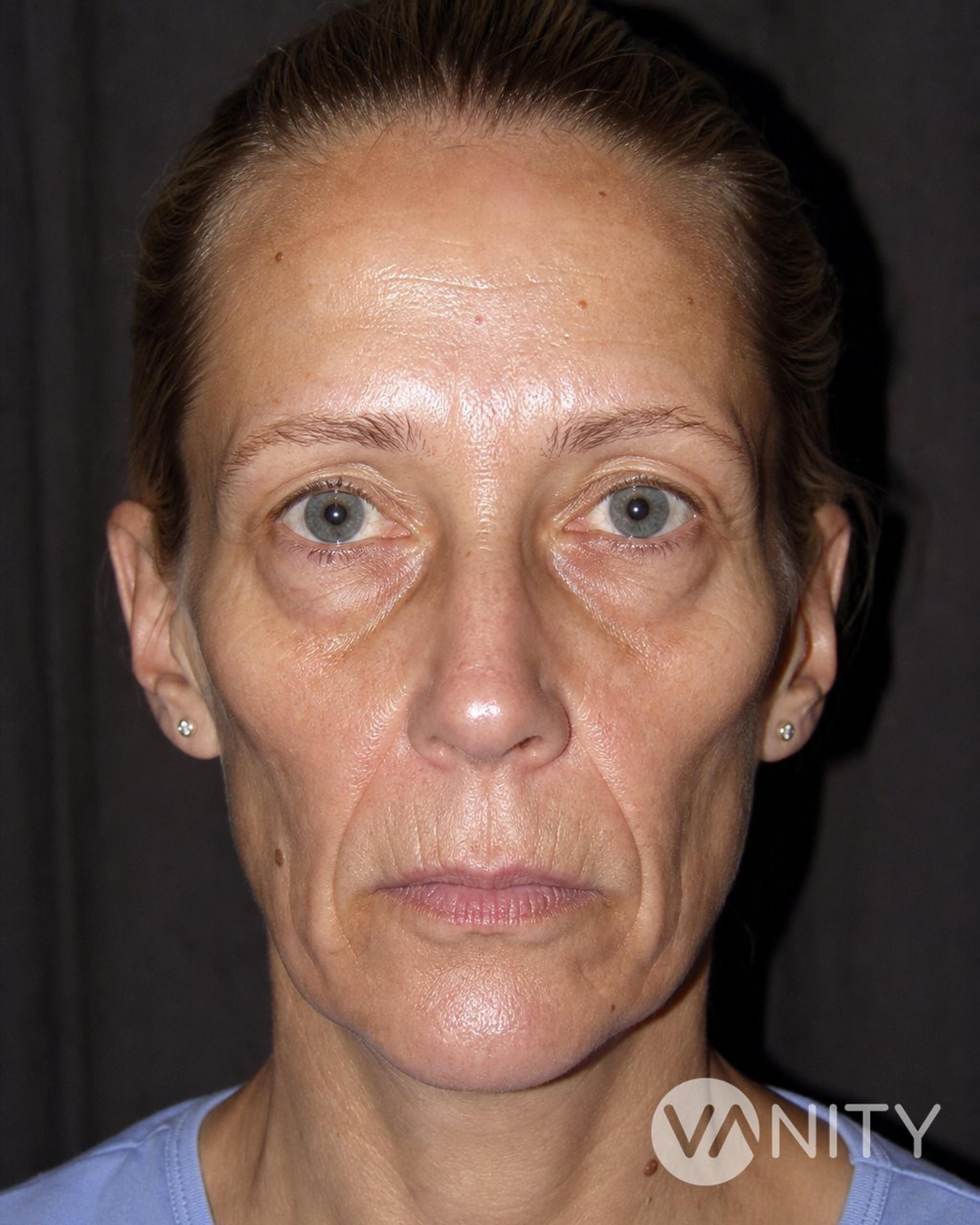
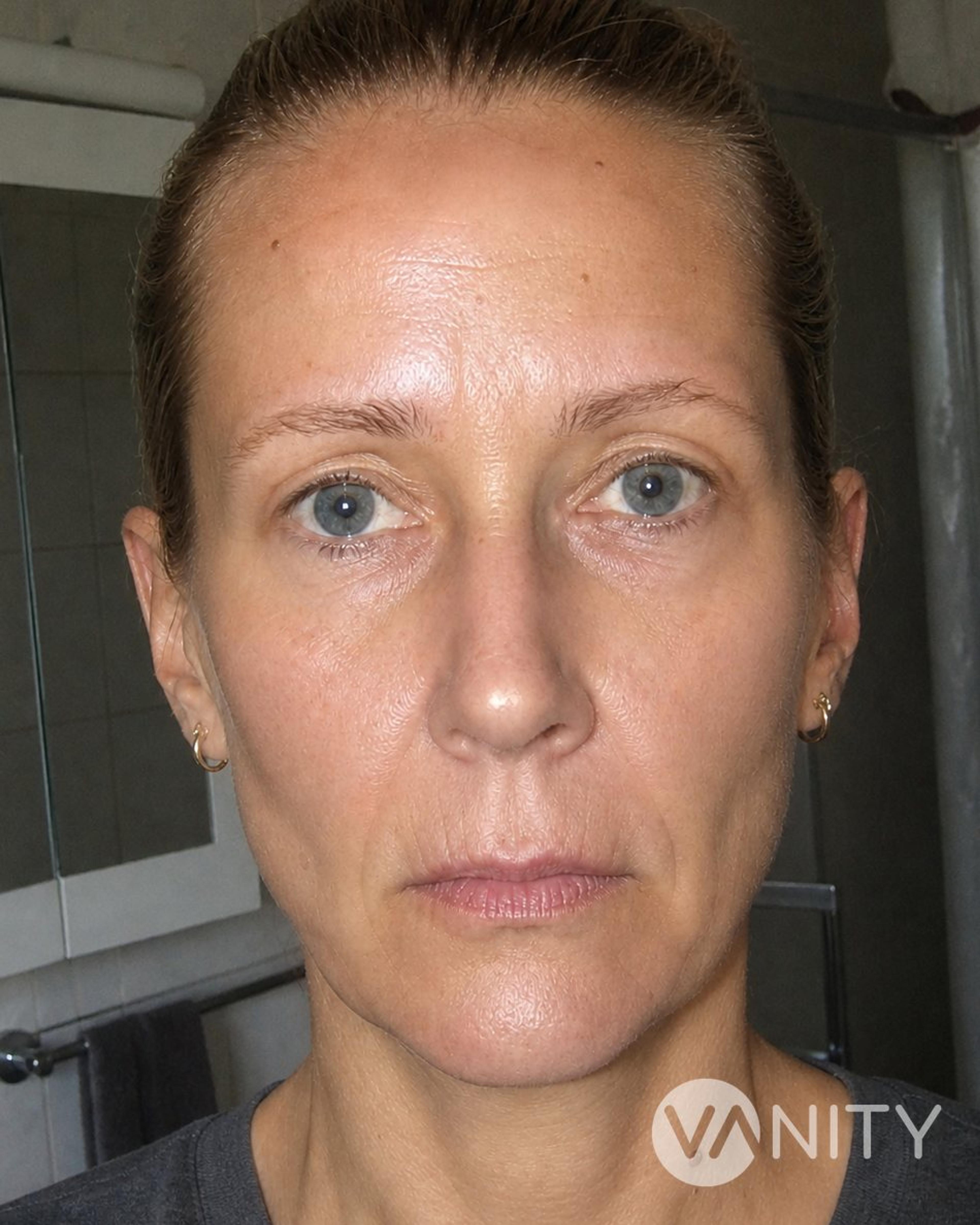
Facial fat transfer takes a small amount of your own fat — usually from the abdomen, flanks or thighs — and moves it to the face to replace volume lost with age. The fat is gently harvested by liposuction, cleaned, and placed in fine layers under the cheeks, temples, tear troughs or lips.
It suits people with mid-face hollowing, sunken cheeks, deepening tear troughs and nasolabial folds, or a tired look from age-related volume loss, who would rather have one surgical procedure than keep returning for filler.
The same harvest, purify and graft sequence is used well beyond the face — breast, gluteal, hand and intimate-area grafting all rely on it. What changes is the volume moved and how the fat is prepared for the tissue it is going into.
Techniques range from microfat for broader volume and structural grafting for contour, to nanofat for skin quality. Grafting can also be combined with PRP or a facelift, and used for the hands, labia majora or penile girth where appropriate.
التقنيات التي نستخدمها
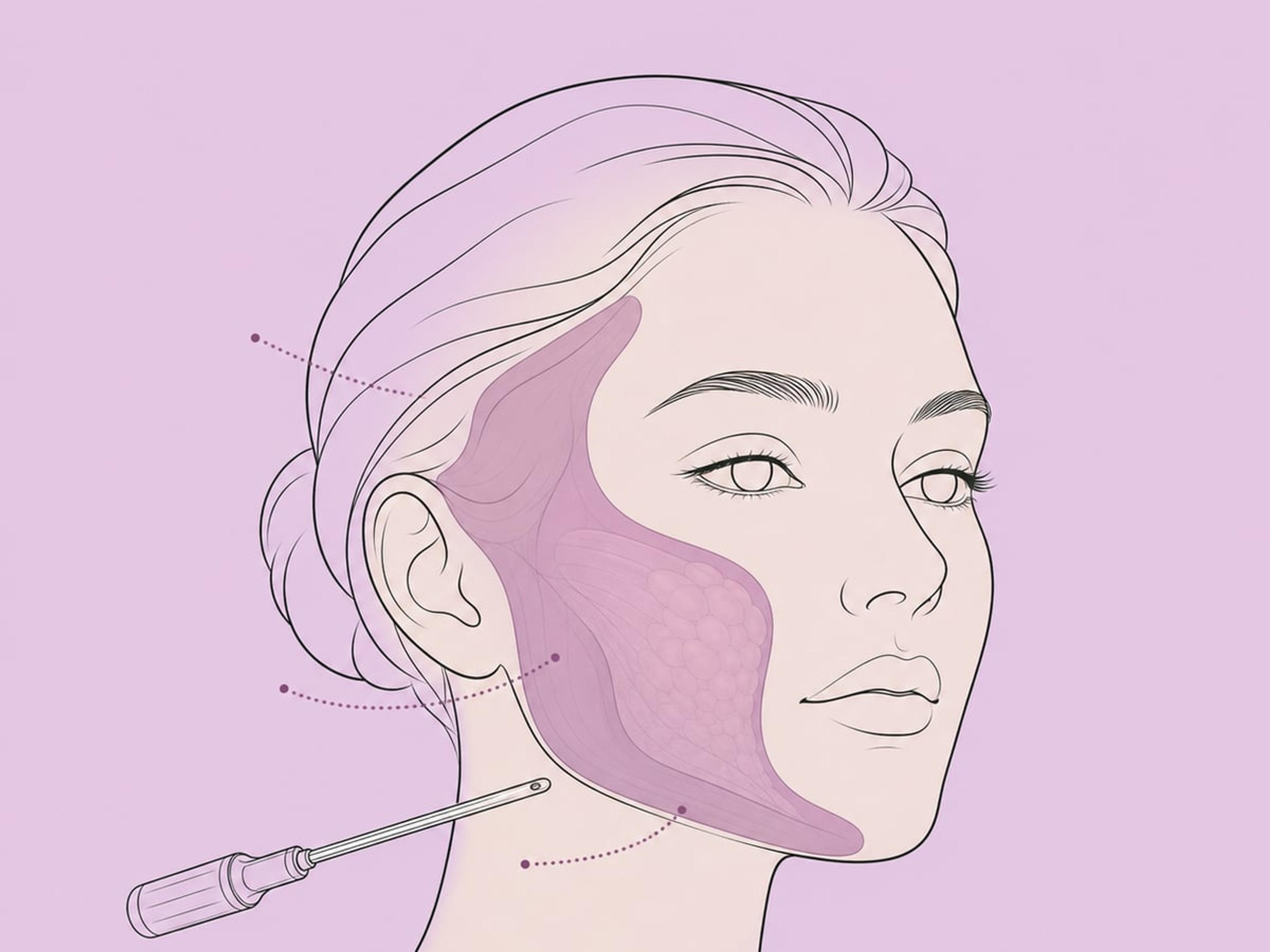
Fat is harvested with a small cannula, washed or spun, and layered into the deeper tissue planes. It restores broader volume to the cheeks, temples and jawline.
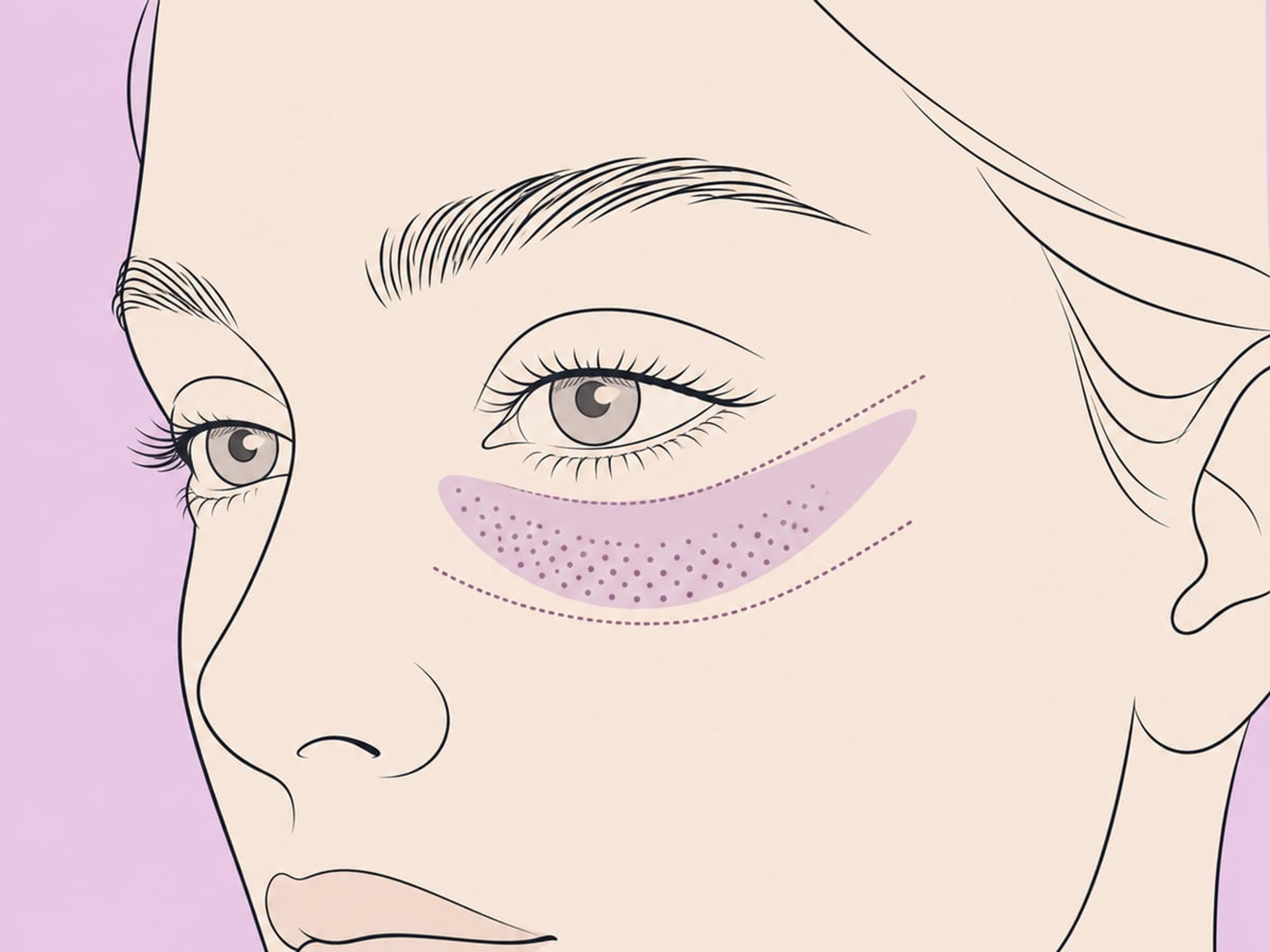
Fat is emulsified and filtered to isolate the stromal vascular fraction — growth factors and stem cells rather than intact fat cells. It adds almost no volume, so it is used for thin under-eye skin, dark circles and fine lines, where it thickens the skin without the bluish Tyndall tint hyaluronic filler can leave.
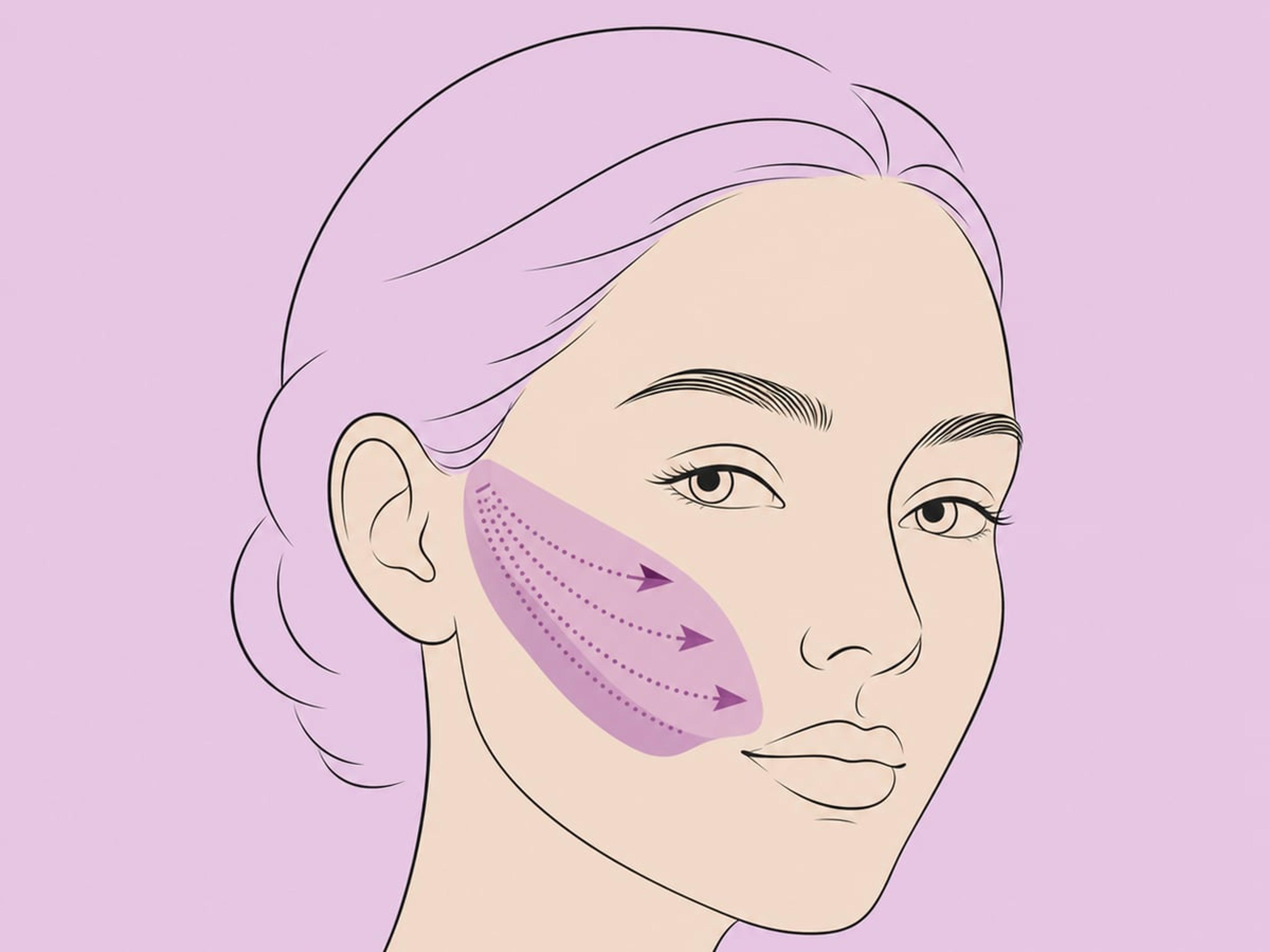
Small amounts are placed through multiple precise tunnels to build a stable scaffold. It is used when the goal is reshaping contour, not just filling.
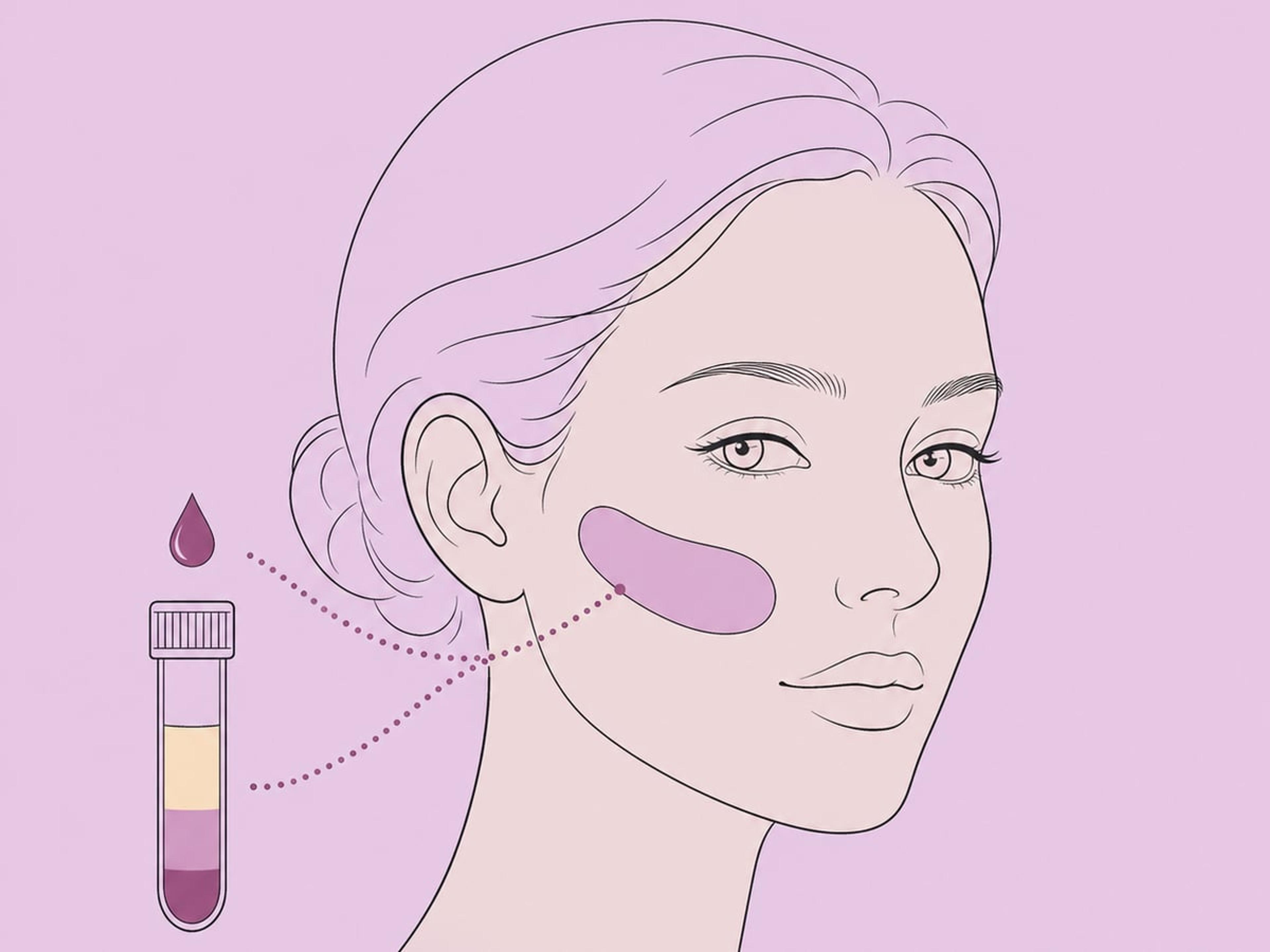
Platelet-rich plasma from your own blood is mixed with the graft to support fat survival. The evidence for it is mixed, and we will tell you plainly when it adds little.
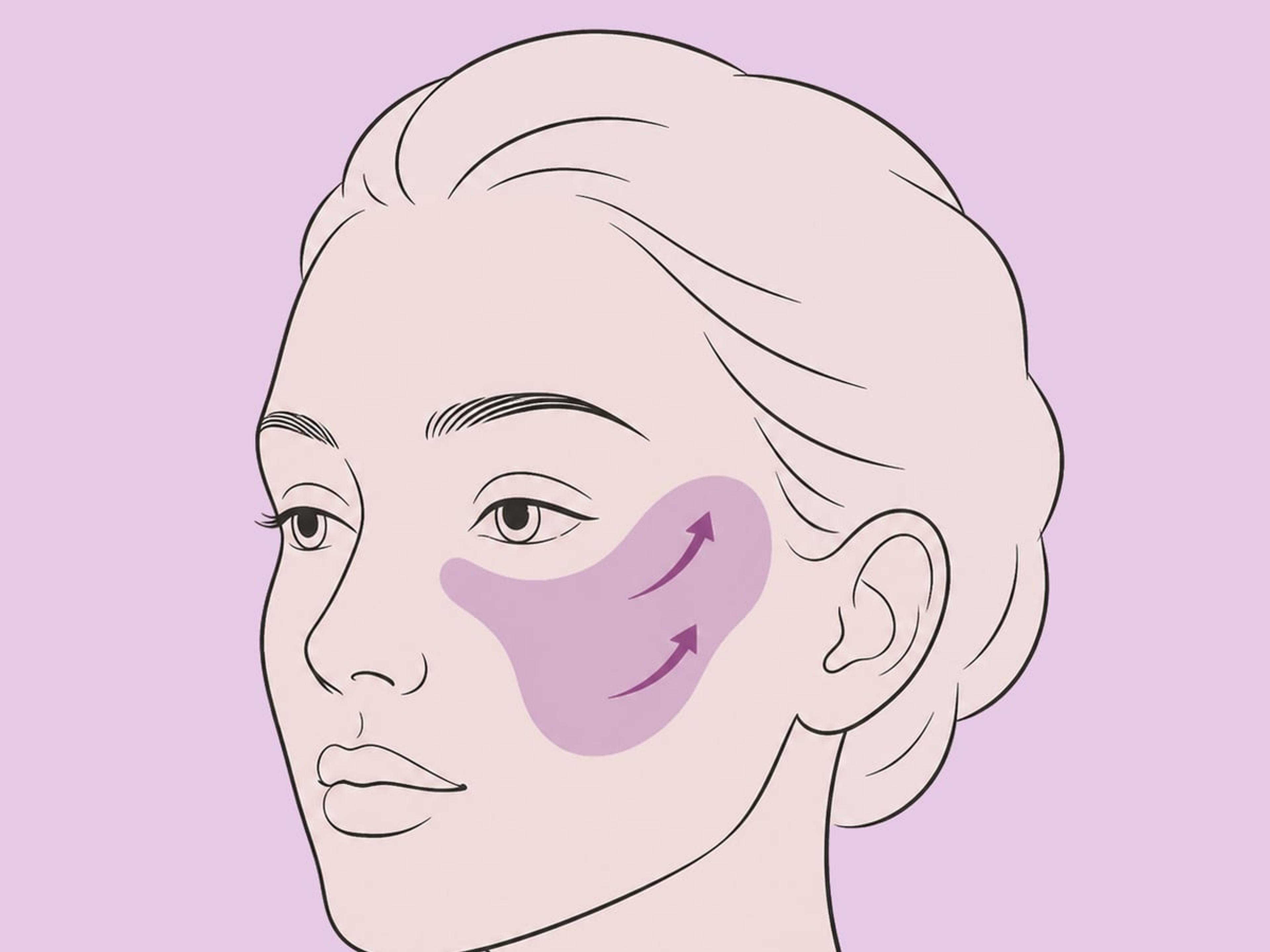
A facelift repositions and tightens tissue but cannot replace fat pads that have deflated, so grafting is often done in the same operation. Fat is layered into the mid-face, temples and jawline while the skin is redraped. It suits faces that read both loose and hollow, where lifting alone would leave a flat, drawn result.
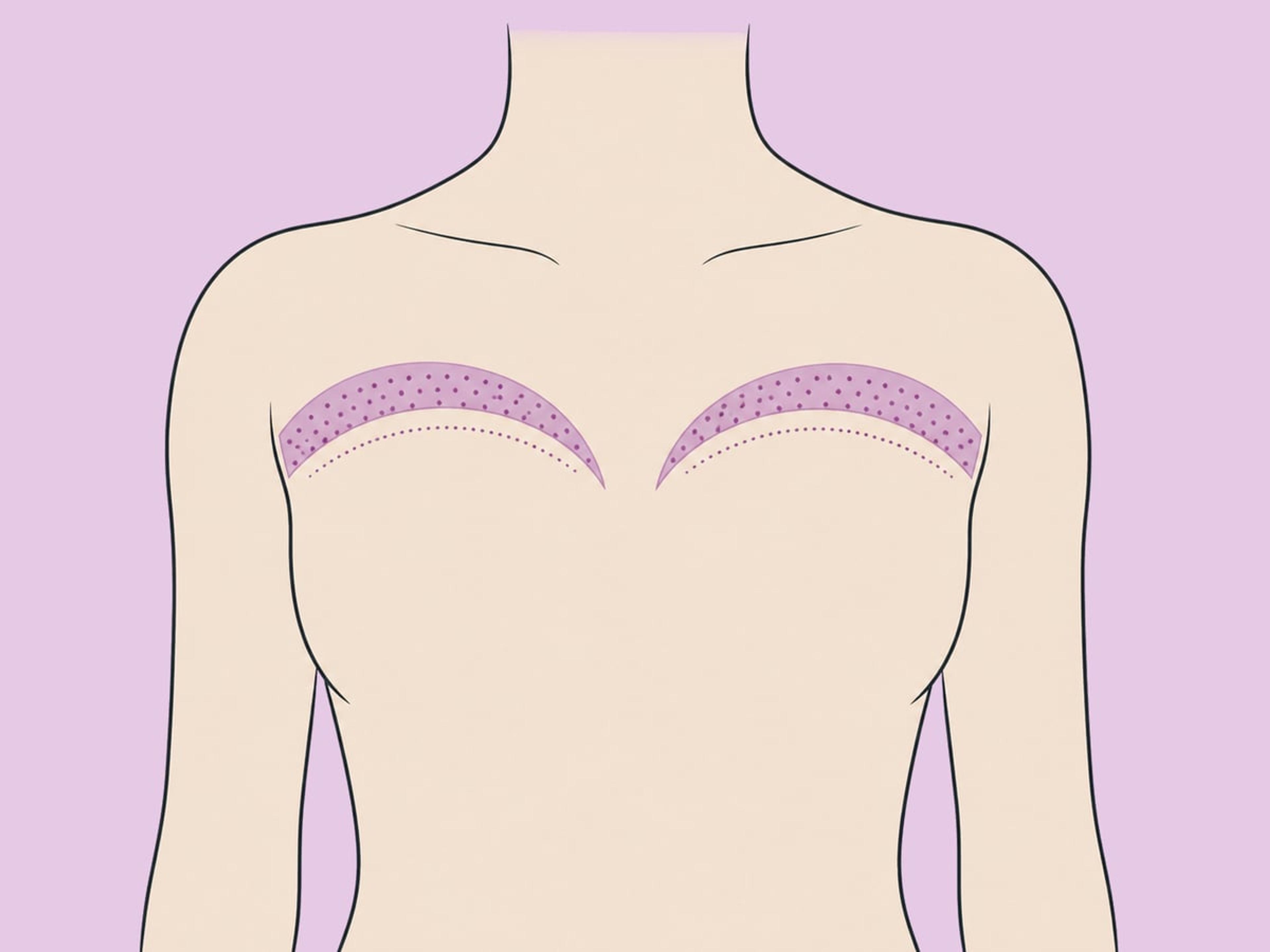
Purified fat is layered into the breast to add up to roughly one cup size and to refill a flattened upper pole, restoring the line of the décolletage, with no implant involved. It also evens out side-to-side asymmetry and softens tuberous or constricted lower folds, usually alongside a lift. It suits people who want a modest, natural change and accept that a second session may be needed as some fat reabsorbs.
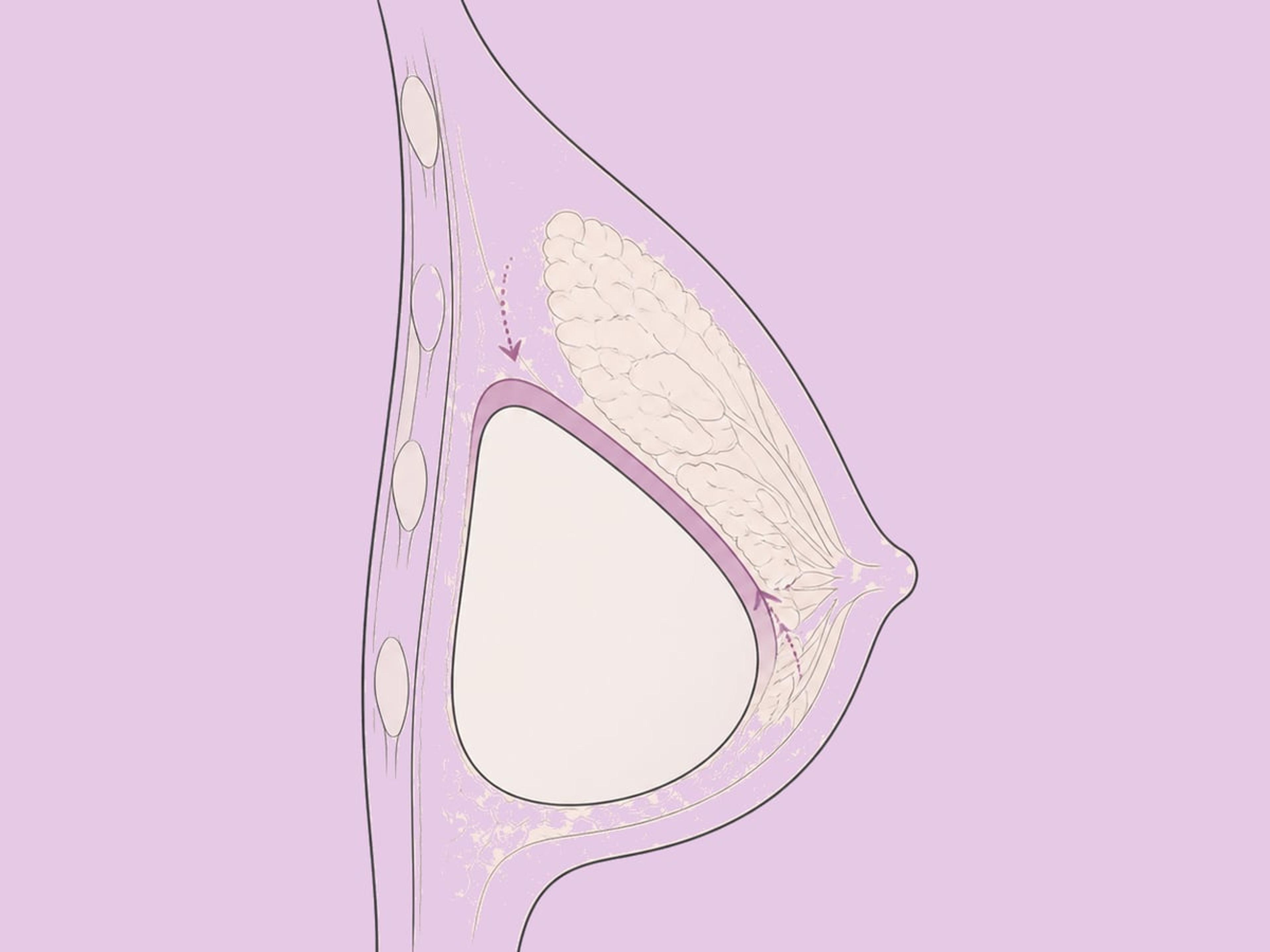
An implant provides the projection while a layer of grafted fat is placed over and around it. The fat masks the implant edge at the cleavage and upper pole, so the result is harder to see and to feel. It is chosen for thin patients, where an implant alone would show its outline through the skin.
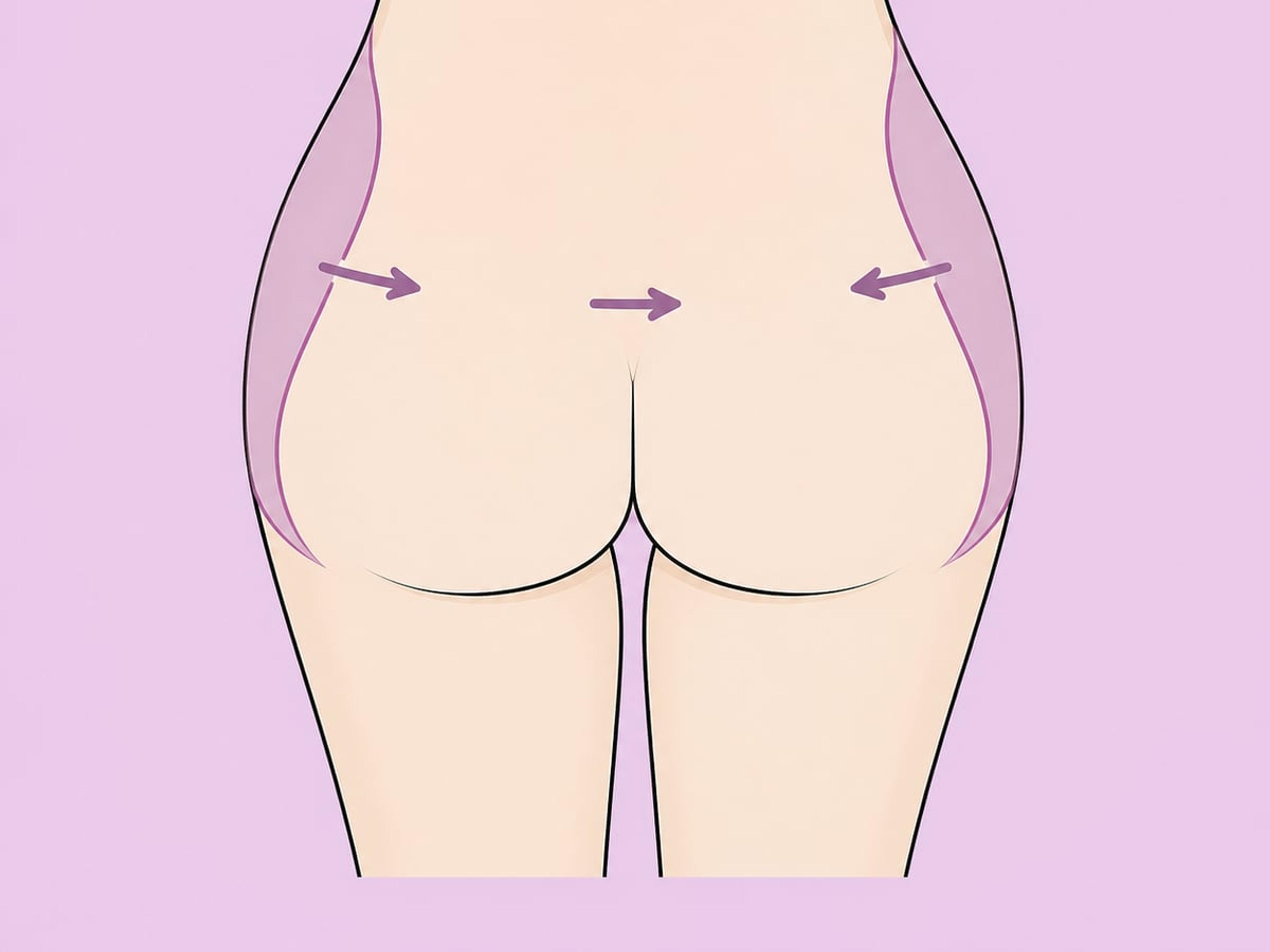
Fat is harvested by 360-degree liposuction of the waist, flanks and back, then grafted into the buttock to add projection and fill lateral hip dips. The contrast the liposuction creates is as much of the result as the graft itself. Volumes are large, so placement stays above the muscle — deep intramuscular injection is what carries the fat-embolism risk.
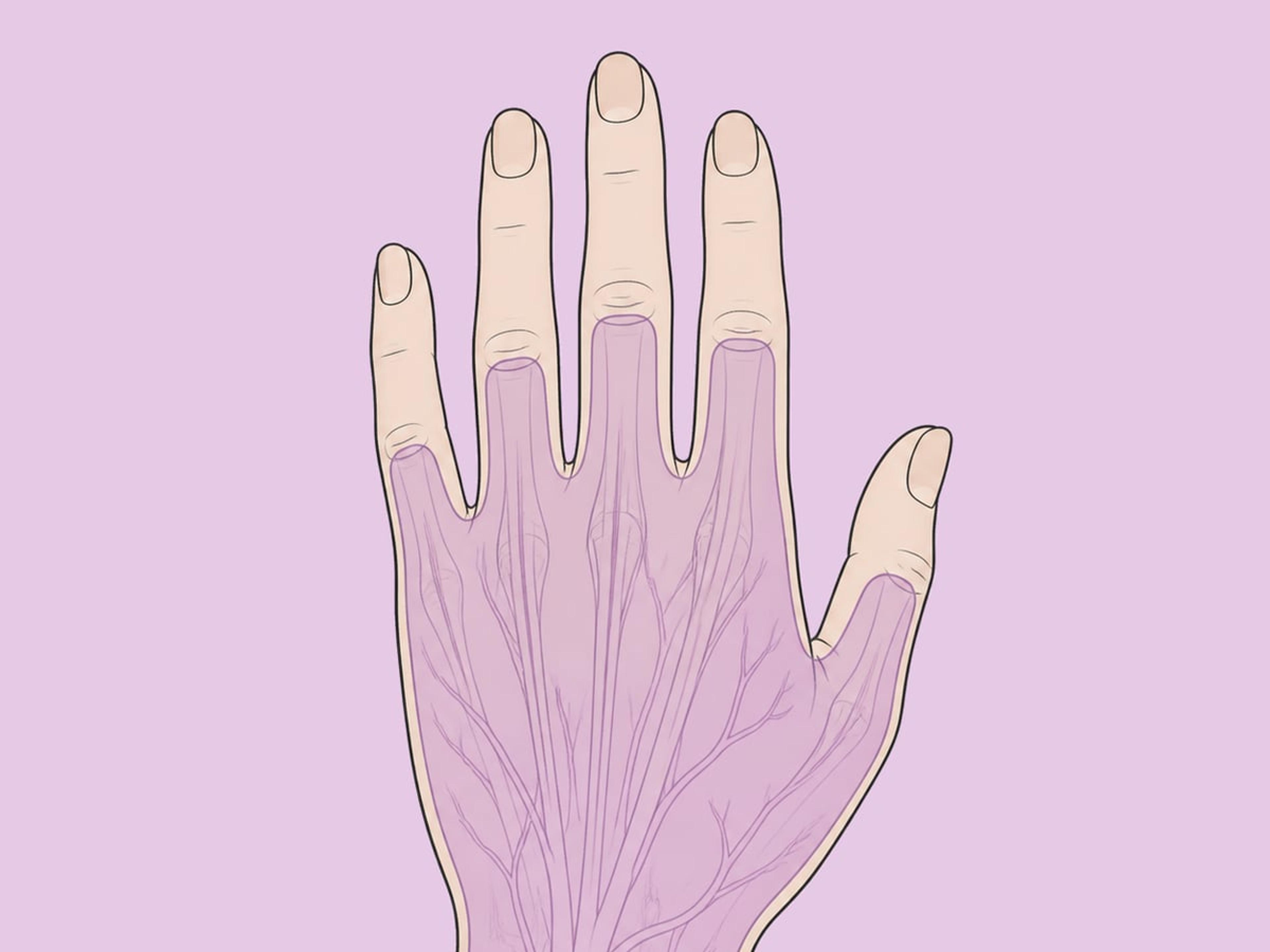
Fat is spread in a thin layer across the back of the hand, where thinning skin has left veins and tendons standing out. Microfat restores the padding and nanofat is added for skin quality and sun damage. It suits people whose hands look older than their face after facial or neck work.
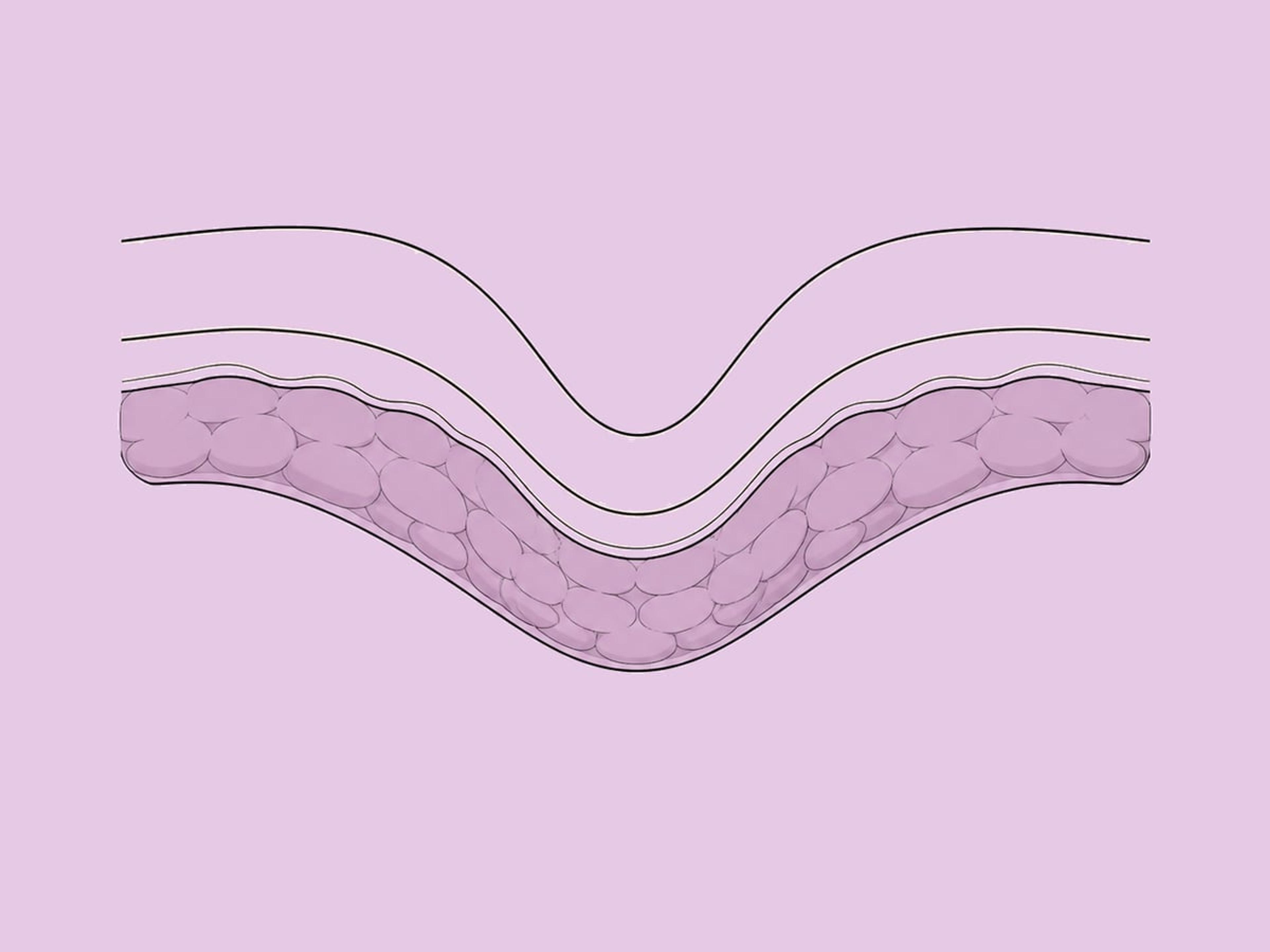
A small volume of fat is placed into the outer labia to restore cushioning lost with age or after significant weight loss. It addresses both the deflated appearance and the discomfort of thin tissue against clothing. Volumes are small, so the whole graft is usually taken from the abdomen or inner thighs.
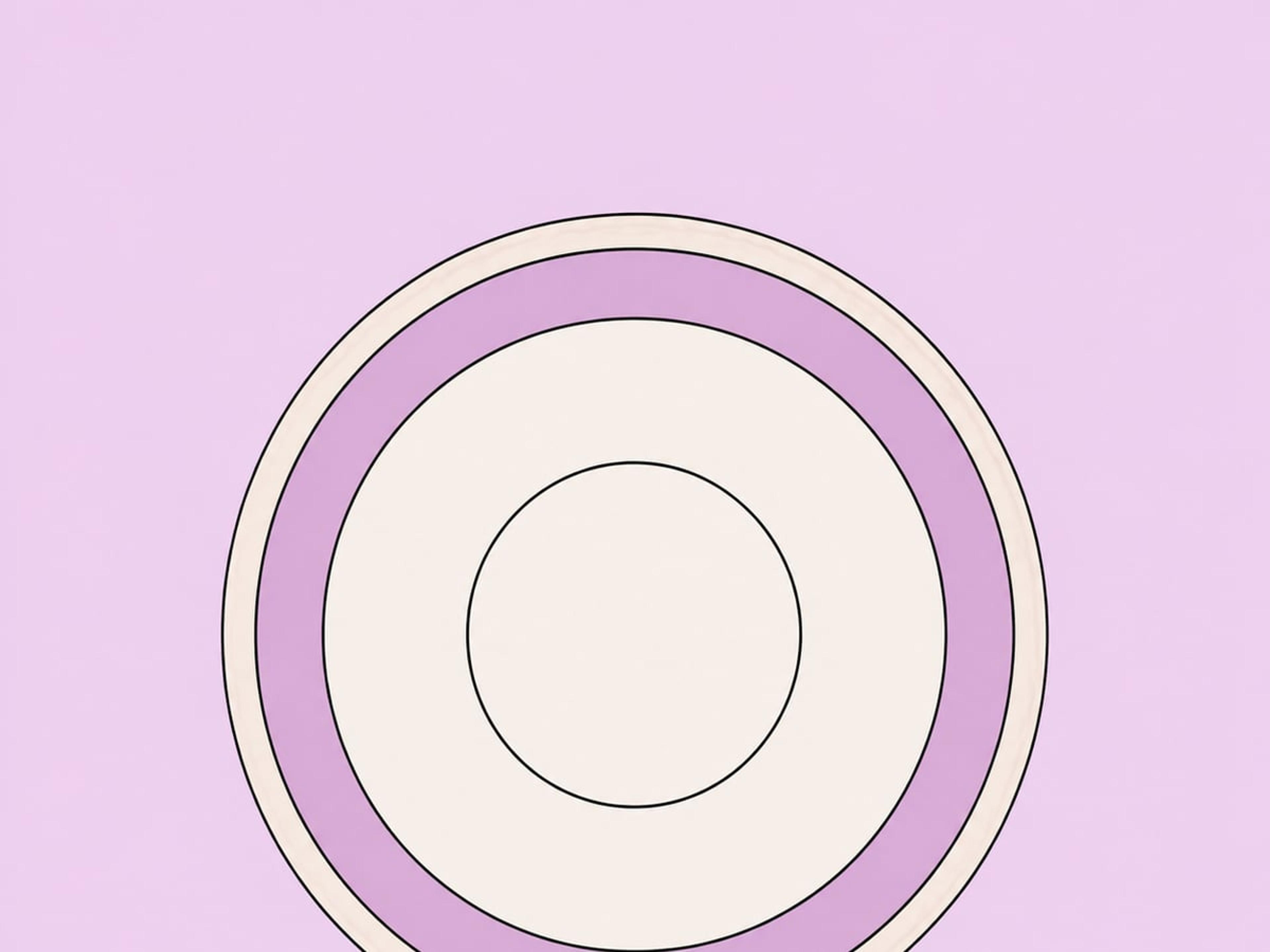
Fat is layered along the penile shaft to increase circumference — penis girth enhancement using your own tissue rather than an implant or filler. Length is not changed by it. As elsewhere, part of the graft reabsorbs over the first months, so the plan allows for a top-up session.
How the surgery works
Harvest
A small amount of fat is drawn by gentle liposuction from the abdomen, flanks or thighs through incisions a few millimetres long. Low suction pressure matters here — rough harvesting damages fat cells before they ever reach the face.
Purify
The harvested fat is washed or spun in a centrifuge to separate intact fat cells from blood, oil and anaesthetic fluid. Only the clean, viable cells are grafted — one of the main things that decides how much fat survives.
Place in fine layers
The fat is injected through fine cannulas in many small passes, laying tiny droplets into different tissue planes of the cheeks, temples, tear troughs or lips. Small droplets sit close to a blood supply, which is what lets them live.
Take
Over the first 3 to 6 months the grafted fat either gains its own blood supply or is reabsorbed. The body absorbs roughly 30 to 40% of what was placed, so typically 60 to 70% survives, which is why the surgeon may slightly overfill on the day or plan a small second session.
التعافي أسبوعاً بأسبوع
- Day 1
Noticeable swelling and some bruising in the face and at the donor sites. You will feel tight and puffy — rest with your head raised. A compression garment goes on over the liposuctioned donor site, while the grafted areas are deliberately left uncompressed.
- Week 1
Bruising fades and swelling drops. Most people work from home; donor-site sutures are checked.
- Week 2
Public-facing recovery. Residual fullness reads as rested rather than obviously operated on.
- Week 4
Full exercise resumes — walking is fine from the first week, but heavy lifting and anything that spikes blood pressure waits until now, because pressure and heat can cost you graft survival while the fat is still building its blood supply. Donor-site tenderness has usually gone.
- Week 6
Some of the transferred fat has reabsorbed; what remains is long-term, and the contour begins to settle.
- 6 months
Final result. The retained fat behaves like your own tissue and ages with you.
كيف تستعد
- Stop blood thinners, NSAIDs and certain supplements — fish oil, vitamin E — 14 days before surgery.
- Pause nicotine for at least 4 weeks before and after; it directly affects how much fat survives.
- Arrange for someone to stay with you for the first 24 hours after surgery.
- Plan 2 weeks away from public-facing work, and book your follow-up before you travel.
- Have soft foods and a wedge pillow ready for sleeping with your head raised — cool packs are for the donor site only, never the grafted areas.
- Plan how you sleep the first 6 weeks — steady pressure on a fresh graft reduces how much of it survives.
- Be at a stable weight close to your ideal — fat transfer is not a weight-loss operation, and later weight changes alter how the graft looks.
المخاطر
كل عملية جراحية تنطوي على مخاطر. نُسمّيها بوضوح لتتمكن من طرح الأسئلة الصحيحة.
- Asymmetry or uneven take, sometimes needing a touch-up
- Over- or under-correction as some fat reabsorbs
- Prolonged swelling, particularly around the eyes
- Bruising and contour changes at the donor site

ماذا تتوقع في تركيا
A trip to Istanbul for fat transfer is short and mostly quiet. Most people plan around a week here — the surgery is a day case or a single night, then a few days of rest while the early swelling settles before you fly home.
Before you fly
Talk to your surgeon before you book — a real advisor replies the same day, and the plan is agreed before you travel, not on arrival. The preparation steps above apply unchanged, whether you live nearby or are flying in. Bring a passport valid for 6+ months and your appointment letter; most EU and UK visitors enter visa-free or on an e-Visa for up to 90 days.
At the clinic
Facial fat transfer is a day case or a single overnight, under general anaesthetic or local with sedation. Your operating surgeon plans the harvest and placement with you beforehand and is honest about what the surgery can and cannot do. Accredited plastic-surgery facilities in Istanbul run audited surgical-safety and international-patient processes — ask to confirm your surgeon's board credentials, since accreditation certifies the facility rather than any individual.
Recovery in Istanbul
Plan on 7 days in Istanbul, with roughly 6 hotel nights around the surgery. Swelling and bruising are heaviest in the first days; you rest with your head raised and take it slowly. One in-clinic follow-up, usually around days 5 to 7, checks your swelling and confirms the donor site is healing before you travel.
Heading home
We generally prefer you fly home around day 7, once donor-site swelling has settled and any dressings are removed. Care then continues remotely for twelve months.
- United States
- $5,000 – $9,500
- United Kingdom
- £4,000 – £7,500
- Switzerland
- CHF 6,000 – CHF 11,000
نطاقات منشورة للاسترشاد فقط — يُرجى التأكد من عرض سعر محلي.
الأسئلة الشائعة
Is facial fat transfer permanent?
The fat that survives the first 3 to 6 months is considered permanent and ages with the rest of your face. The body reabsorbs roughly 30 to 40% of what was injected, so typical retention is around 60 to 70% — which is why a surgeon may slightly overfill or plan a second, smaller session.
Will losing weight after surgery change the result?
Yes. Grafted fat behaves like the fat it came from, so significant weight loss shrinks it. A calorie deficit in the first weeks is worse still — the body metabolises the new graft before it has built a blood supply, so eat normally until at least the six-week mark.
How long do I really need off work?
Plan on 2 weeks before going back in person. Bruising can be covered earlier, but swelling around the eyes and cheeks is hard to disguise in the first week.
Is fat transfer painful?
You are asleep or sedated for the surgery itself, so nothing hurts while it is done. Afterwards the two sites feel quite different: the liposuctioned donor area is sore and bruised, much like an intense muscle ache, while the grafted areas feel swollen and tight rather than sharply painful. Soreness is at its worst in the first 72 hours, eases through the first week as the bruising fades, and donor-site tenderness has usually gone by week 4. Prescribed pain relief covers it — with the one caveat that cool packs go on the donor site only, never on the graft.
Why can I not ice or press on the treated areas?
The new fat cells survive only by growing a blood supply from the surrounding tissue over the first weeks. Ice constricts those vessels and pressure closes them, so both cost you graft survival. Compression is worn over the donor site, where it helps, and never over the grafted area.
Will I look done or puffy?
Early swelling exaggerates the result for several weeks. Once it settles, well-placed fat reads as restored volume rather than filler-style fullness.
Fat transfer or filler — which is right for me?
Filler is lower commitment and easily reversed; fat transfer is a one-time surgical procedure with longer downtime but lasting volume. People who already keep up ongoing filler often consider fat transfer next.
Can a second round be needed?
Yes. Because not all fat survives, some people choose a smaller top-up at 6 to 12 months to refine the result.
Where does the fat come from?
Usually the abdomen, the flanks — the love handles — or the inner thighs, wherever you have a modest amount to spare. The donor site is liposuctioned through tiny incisions, which gives mild contouring there.
Who is a good candidate for fat transfer?
Healthy adults roughly aged 18 to 55, near their target weight, with a localised fat deposit that can be spared for harvesting. Age is a guide rather than a cut-off — stable weight, no nicotine and enough donor fat weigh more heavily than the number. It answers volume that has drained away rather than skin that has dropped: if the problem is loose skin, a lift is the operation for it, and grafting is added to that rather than used in its place.
I am very slim — is there enough fat to harvest?
Sometimes not. A low BMI or a lean, athletic build can leave too little harvestable fat for a meaningful result, particularly for larger volumes such as breast or gluteal grafting. That assessment is made before you book, and if there is not enough to work with we say so rather than plan a session that under-delivers.
Can I have fat transfer in Istanbul and fly home safely?
Yes, with a little patience. Plan about a week in Istanbul for the surgery and one follow-up, and expect to fly home around day 7 — the extra days let donor-site swelling settle.
Can my body reject the transferred fat?
No. The graft is your own tissue, so rejection and allergic reaction are not possible. The variable is survival: the fat that gains a blood supply in the first months stays permanently, and the rest is reabsorbed.
المصادر
- [1]An exploration of facial rejuvenation through fat grafting · American Society of Plastic Surgeons
- [2]A systematic review of the effectiveness and complications of fat grafting in the facial region · PubMed
- [3]Facial Fat Grafting (FFG): Worth the Risk? A Systematic Review of Complications and Critical Appraisal · PubMed Central
- [4]Safety and Regulation of Fat Grafting · PubMed Central