
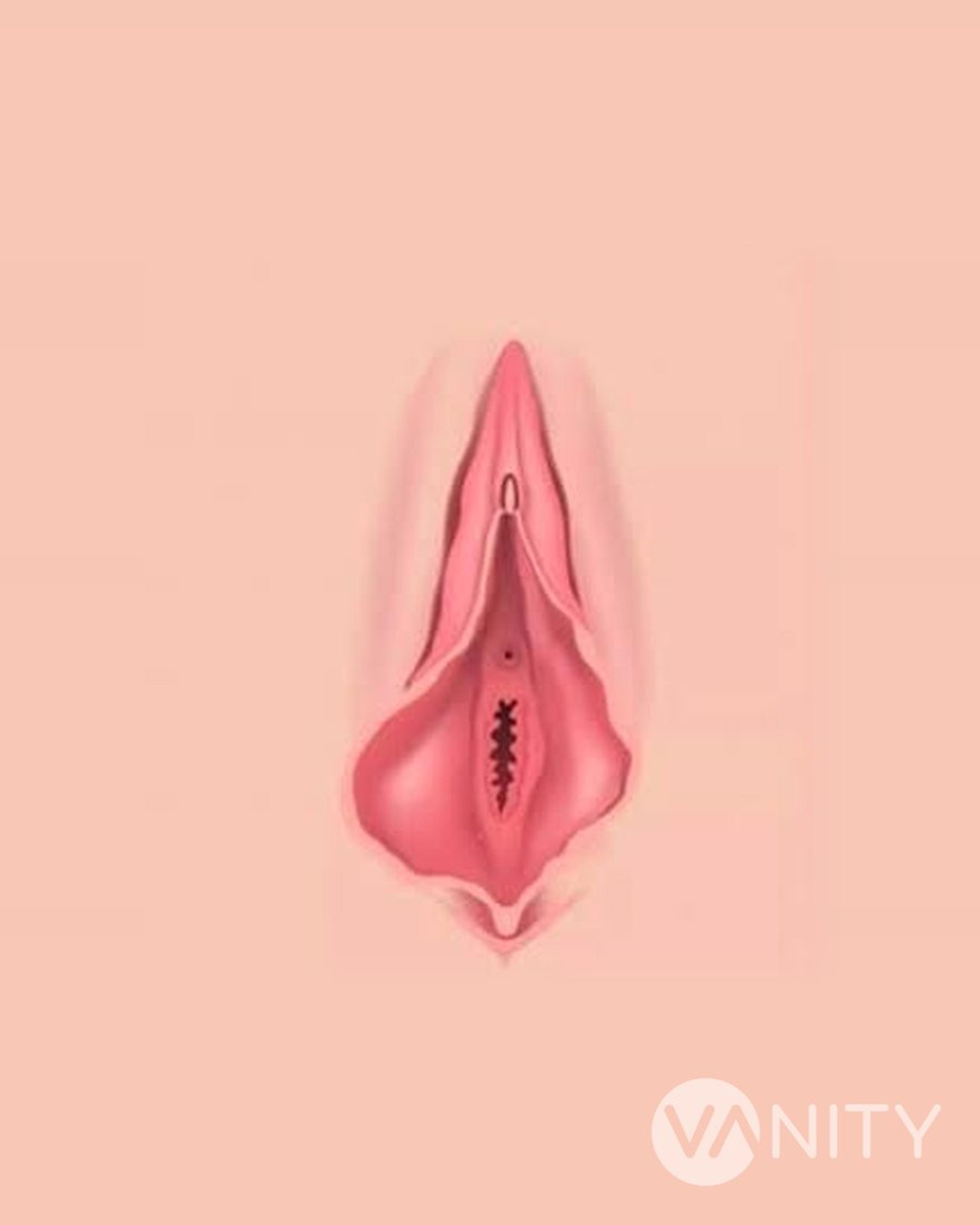
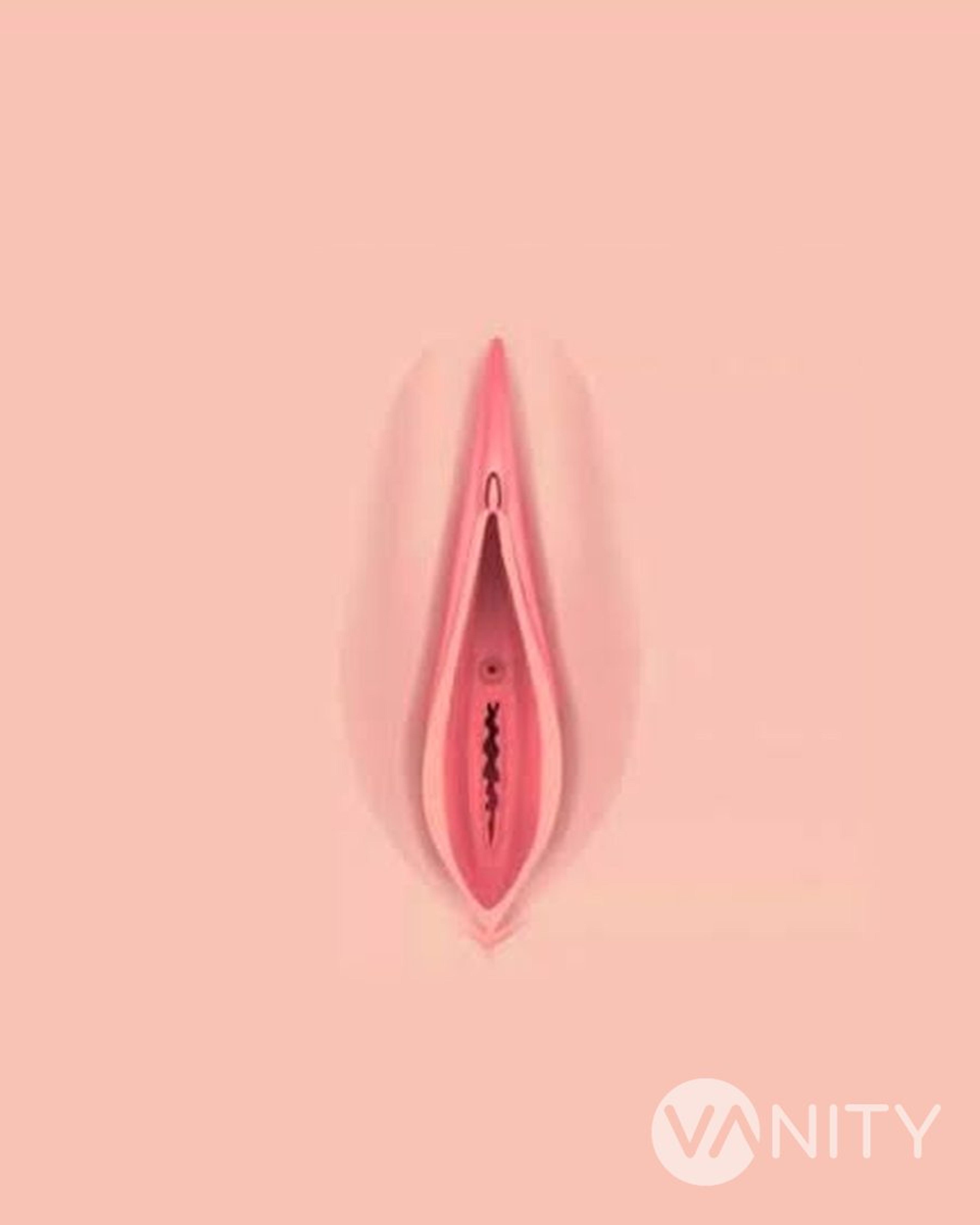




ما هي العملية
Labiaplasty is surgery that reshapes the labia minora — the inner folds of the vulva — usually to reduce length or correct asymmetry. We work under local anaesthetic with sedation, or general anaesthetic, and the operation takes 1 to 2 hours.
Most people come to us for functional reasons — chafing during exercise, discomfort in fitted clothing, irritation during sex. Aesthetic reasons are equally valid, and the two often overlap.
Elongated or asymmetric labia — labial hypertrophy — are most often simply how you are built, though pregnancy, hormonal change, and the gradual loss of collagen can lengthen or slacken the tissue over time. The same changes reach the structures around it: a vaginal delivery stretches the pelvic floor, and the drop in oestrogen after menopause thins and dries the vulvar tissue — vulvovaginal atrophy. That is why some women need more than a labiaplasty alone, and why we assess the whole area rather than the labia in isolation.
التقنيات التي نستخدمها

We remove the excess edge of the labia minora and suture the new edge directly. It is the most straightforward approach and gives a clean, defined border — the trade-off is that it removes the natural pigmented edge.
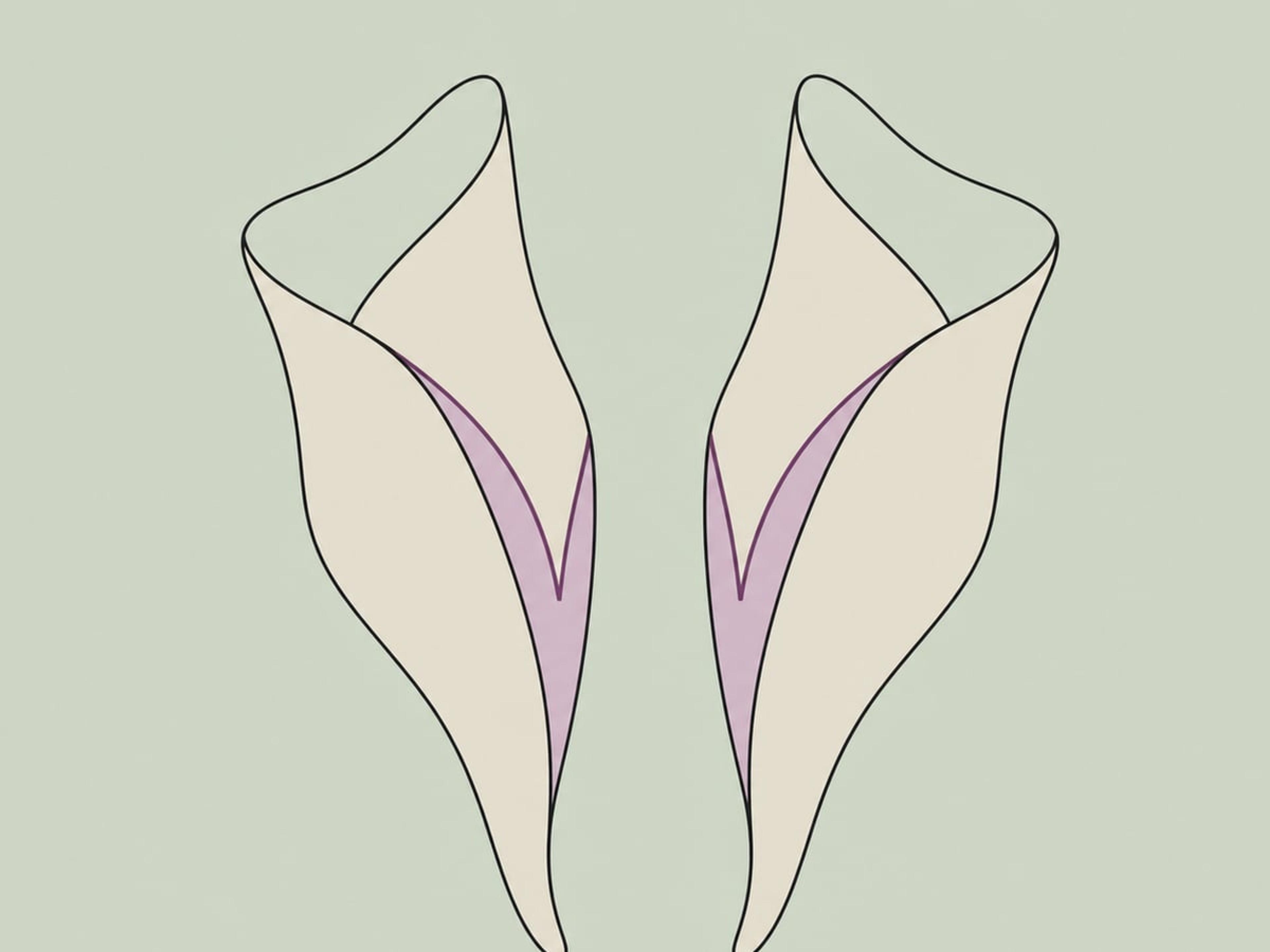
We take a V-shaped section from the middle of the labia and bring the remaining tissue together. This keeps the natural edge and contour, but it asks for more surgical precision and does not suit every anatomy.
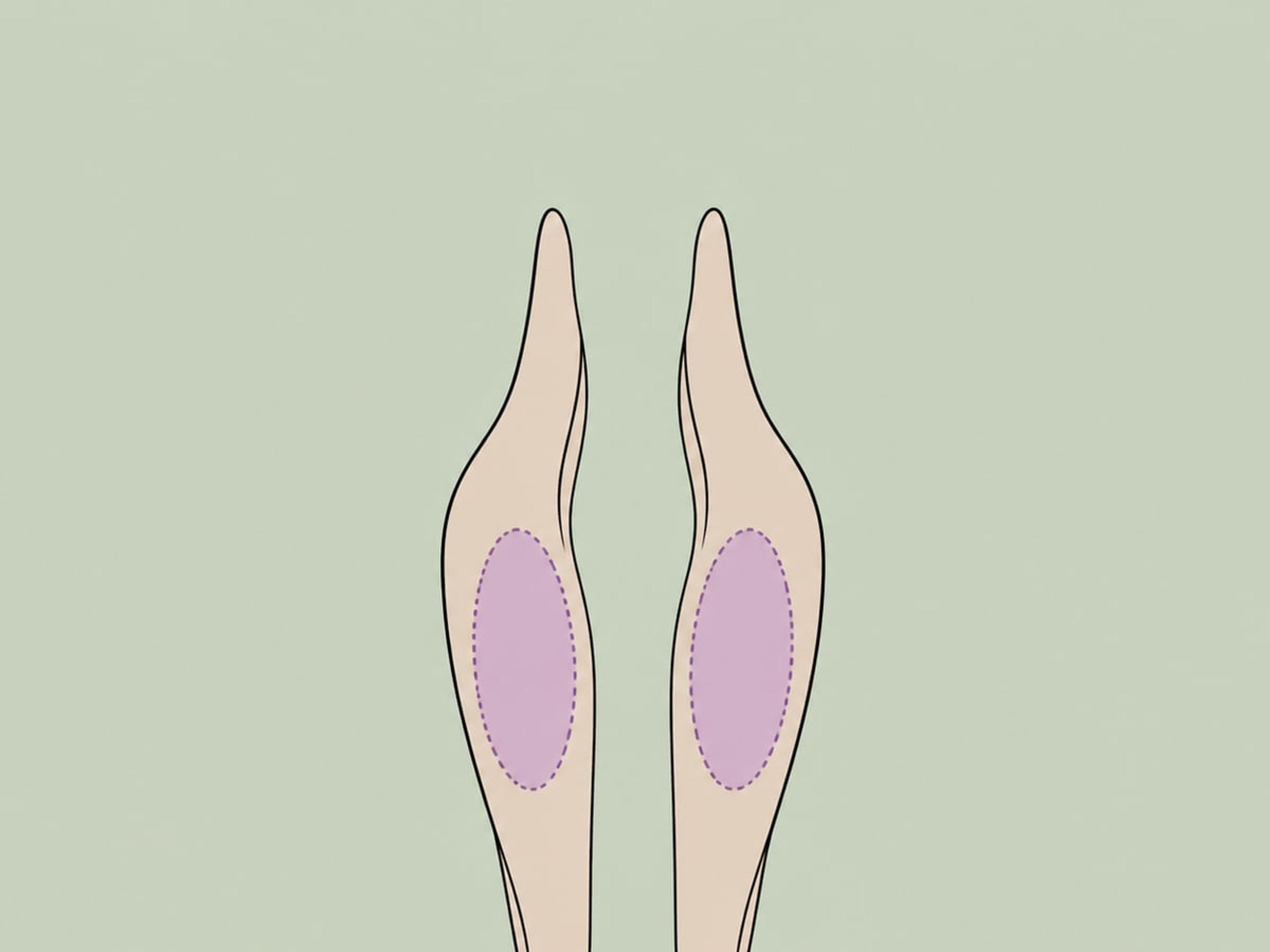
We remove the surface tissue and leave the underlying structure intact. It suits milder reductions, where preserving sensation and the natural edge matter most.
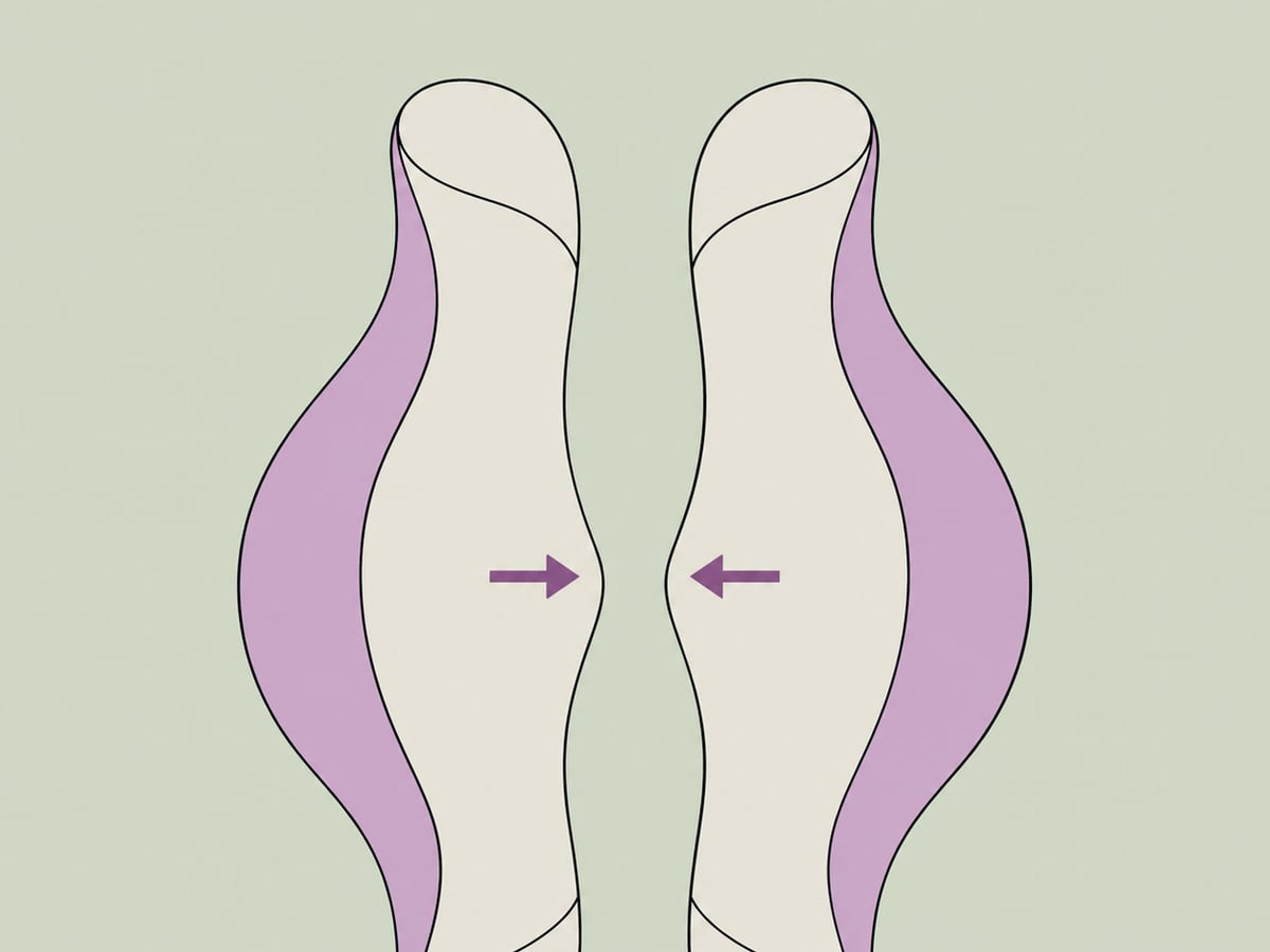
A separate procedure that addresses the outer labia — usually for sagging or excess tissue after ageing or weight loss. We sometimes combine it with a minora reduction in the same operation.
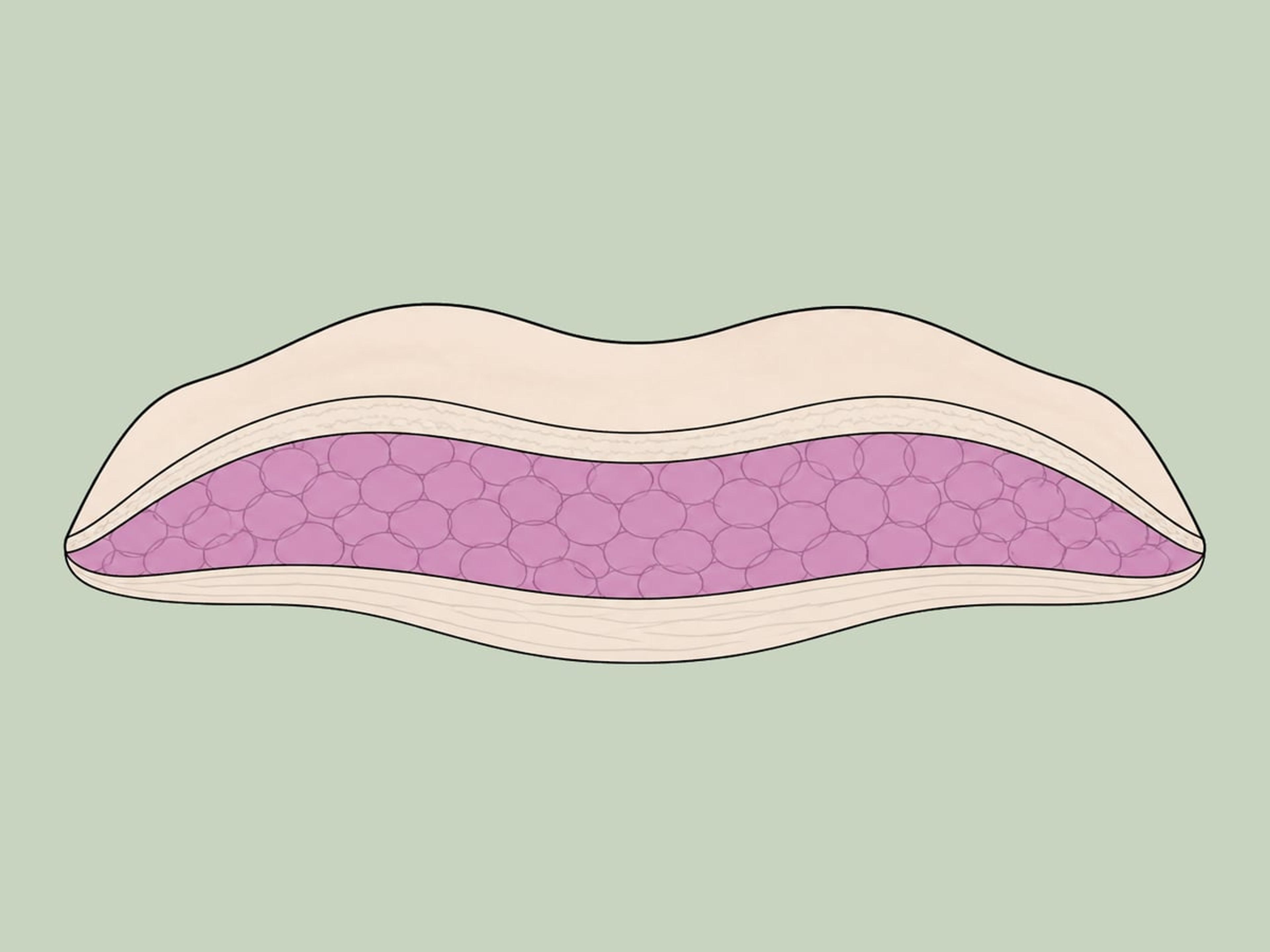
Autologous fat grafting restores volume to outer labia that have deflated or wrinkled with age or weight loss — the opposite problem to a majora reduction. We harvest a small amount of fat by gentle liposuction from the abdomen or inner thighs, purify it, and reinject it in fine layers. It suits women whose outer labia no longer cushion and cover the inner structures, and it can be combined with a minora reduction in the same operation.
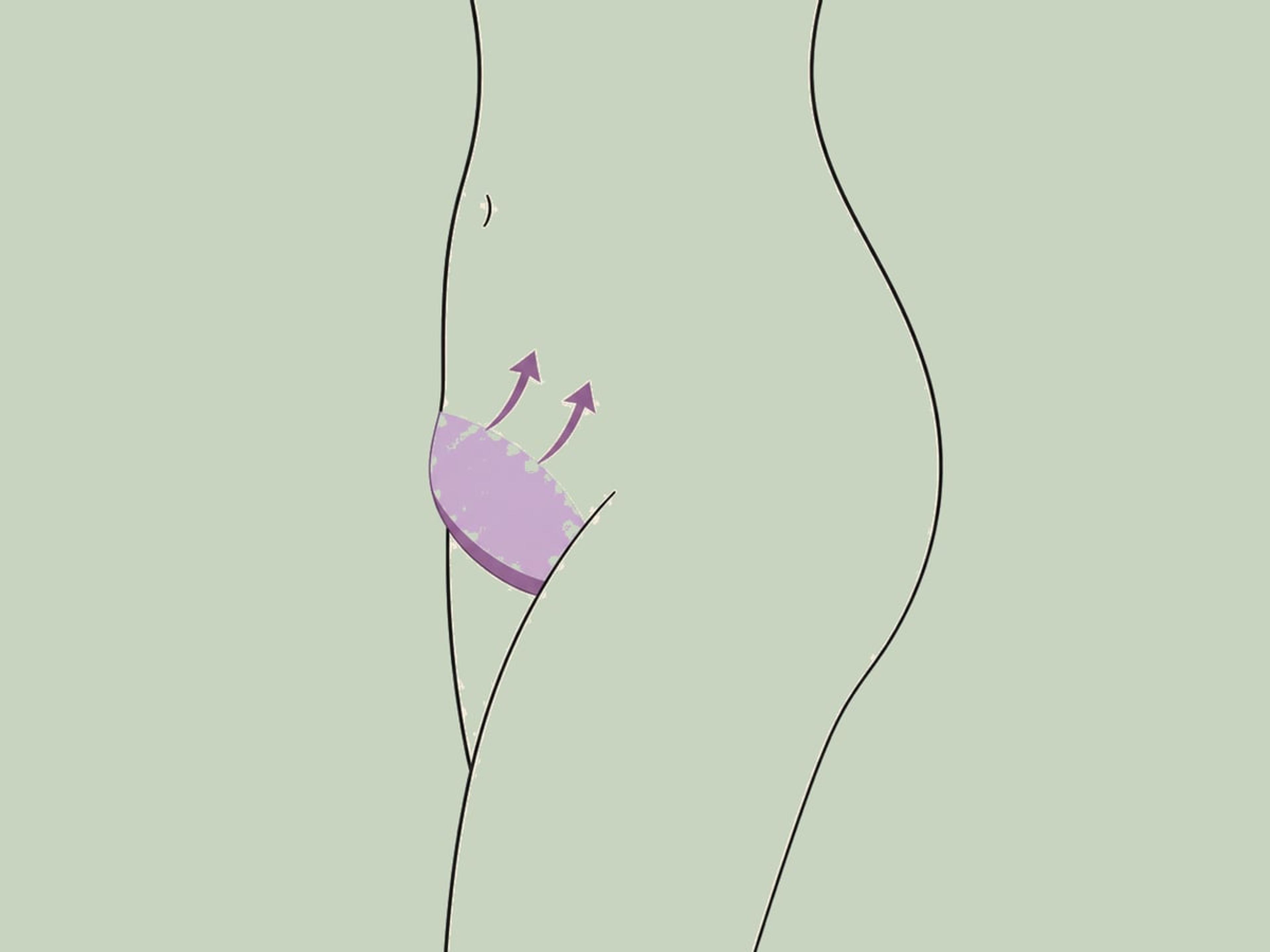
Monsplasty contours the mons pubis, the pad of tissue over the pubic bone, which can hold stubborn fat or hang after pregnancy or major weight loss. We use liposuction alone where the skin still retracts, and add a low horizontal skin excision where it does not. It suits women whose main complaint is a bulge visible in fitted clothing rather than anything at the labia, and it is often planned alongside a tummy tuck so the two areas meet evenly.
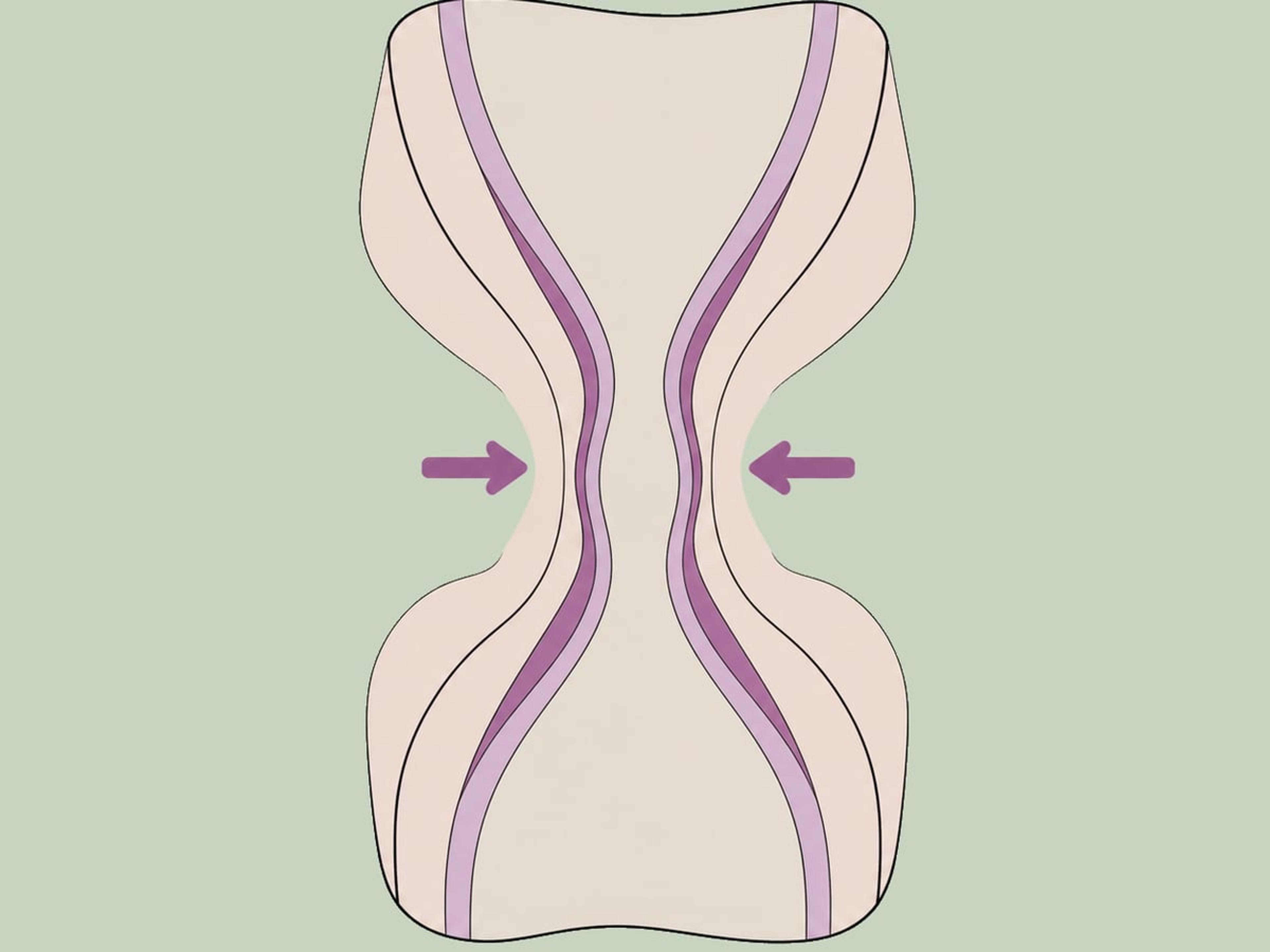
A separate operation that tightens the internal vaginal canal. The surgeon removes a precise wedge of redundant, stretched skin from the back wall of the canal and, through that access, gathers the weakened pelvic floor muscles and plicates them — stitches them together — with permanent internal sutures, which narrows the canal and restores its support. It suits women with vaginal laxity after childbirth, usually noticed as a feeling of looseness or reduced sensation. Labiaplasty does not do this; the two address different structures and are only sometimes combined.
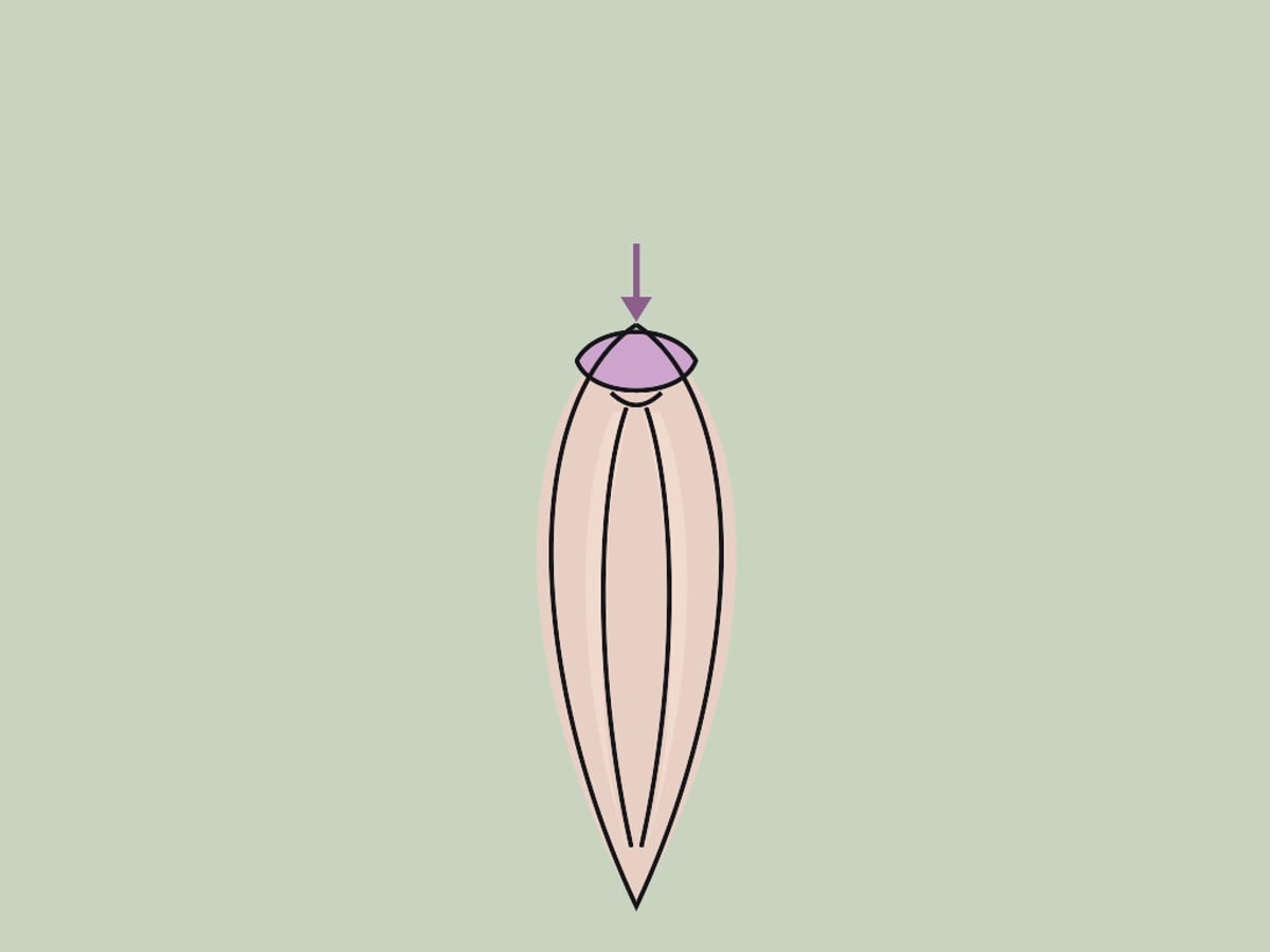
Removes the excess fold of skin covering the clitoris, usually in the same operation as labiaplasty so the proportions stay balanced. The clitoris itself and its nerves are not touched. We suggest it only when the hood would look heavy once the labia are reduced — not as a default add-on.
The operation, step by step
Marking and final plan
On the morning of surgery the surgeon marks the tissue to be removed with you both standing and lying down, because the labia sit differently in each position. Nothing is agreed before that — this is where you confirm how much comes off and which technique is used.
Anaesthesia
Most labiaplasties run under local anaesthetic with sedation: you are comfortable and drowsy rather than fully asleep, which keeps recovery short and the same-day discharge realistic. General anaesthetic is used when the case is combined with vaginoplasty or another longer procedure.
Reshaping the labia
Depending on the technique agreed, the surgeon trims the excess edge, removes a V-shaped wedge, or takes only the surface layer. The clitoris and its nerves are left untouched in every version, and the aim is always the smallest resection that solves the problem — tissue cannot be put back.
Layered closure
The new border is closed in layers with fine dissolving sutures, so there is nothing to remove afterwards. Closing in layers takes tension off the skin edge, which is what keeps wound separation — the most common complication of this operation — uncommon.
Recovery and discharge
You wake in the recovery room within the hour, with ice and a pad in place. Once you can urinate and walk comfortably you go back to the hotel the same day; a small number of patients stay one night.
التعافي أسبوعاً بأسبوع
- Day 1
Swelling, soreness, and bruising are expected. You will be on oral pain medication, icing in short intervals, and resting flat. Walking is fine but limited.
- Week 1
Swelling peaks around days 2 to 3, then starts to settle. Most people work from home this week. Loose clothing only, and no tampons or penetrative activity.
- Week 2
Sutures are dissolving and bruising is fading. Many go back to desk work and light walking. Sitting for long stretches may still be uncomfortable. Showers only until the 6-week check — baths, pools, and the sea soften the healing edge and are the usual route to an infection.
- Week 4
Most of the swelling has gone and light cardio is usually fine — walking, an elliptical, upper-body work. Anything that puts direct pressure on the area, such as cycling or horse riding, plus swimming, sex, and tampons, still waits for the 6-week check.
- Week 6
In most cases you are cleared for exercise, sex, and tampons. The tissue still feels firm and may look slightly uneven — that is normal.
- Month 6
The final shape settles. Scars are pale and usually well hidden along the natural edge.
كيف تستعد
- Stop blood thinners, NSAIDs, and supplements like fish oil and vitamin E 10 to 14 days before surgery.
- Plan surgery around your period — we prefer a 7-day gap on either side.
- Stock up on loose cotton underwear, pads rather than tampons, and ice packs.
- Arrange a ride from the clinic and a quiet first 48 hours with nothing to do.
- Shower the morning of surgery, and do not shave the area in the days before.
المخاطر
كل عملية جراحية تنطوي على مخاطر. نُسمّيها بوضوح لتتمكن من طرح الأسئلة الصحيحة.
- Asymmetry between the two sides
- Over- or under-resection that needs a revision
- Temporary changes in sensation
- Scarring or visible suture marks
- Infection or hematoma

ماذا تتوقع في تركيا
A labiaplasty trip to Istanbul is short and self-contained. The surgery is a day case, the stay is about a week, and we plan the whole pathway with you before you fly — consultation, timing, and the single wound check you need before heading home.
Before you fly
We talk to the surgeon before you travel, not after you land — photos, history, and an honest read on what the surgery can and cannot do for your anatomy. The preparation steps above apply unchanged. We coordinate the pathway: airport transfer, hotel, and an English-speaking coordinator for your consultation.
At the clinic
Vanity Cosmetic Surgery Clinic in Istanbul runs labiaplasty as a day case. You are with the surgeon who will operate, in a licensed surgical setting, and most people return to the hotel the same day — some patients are admitted for one night.
Recovery in Istanbul
Plan on about 7 days in Istanbul, with 6 nights at the hotel. You rest flat for the first 48 hours, then move gently — short walks, loose clothing, pads rather than tampons. We see you once in the clinic for a wound check within this window.
Heading home
You could fly a day after surgery, but we prefer you stay around 5 days so we can check the suture line and let the first swelling settle before a long flight. After that, the rest of your follow-up — through twelve months — is mostly remote.
- United Kingdom
- £4,500 – £7,500 (about €5,200 – €8,700)
- United States
- $6,000 – $11,000 (about €5,500 – €10,200)
- Switzerland / Western Europe
- CHF 7,500 – 12,500 (about €7,800 – €13,000)
نطاقات منشورة للاسترشاد فقط — يُرجى التأكد من عرض سعر محلي.
الأسئلة الشائعة
Is labiaplasty painful?
You feel nothing during the operation itself — it runs under general anaesthetic, or under local anaesthetic with sedation and nerve blocks. Afterwards there is soreness, swelling, throbbing, and a stinging feeling when you urinate. It peaks in the first 3 days and eases steadily from there. Prescribed pain relief, ice in short intervals, loose clothing, and gentle hygiene are what manage it.
How long do I really need off work?
Plan on 5 to 7 days for a desk job, ideally remote. Anything physical, or work that means long sitting, needs closer to 2 weeks. Most people underestimate how uncomfortable the first 3 days are.
Will it affect sensation or sex?
Done well, labiaplasty does not reduce sensation or sexual function — the clitoris and its nerves are not touched. Penetrative activity waits about 6 weeks while the tissue heals.
Will scars be visible?
Scars sit along the natural edge of the labia and fade over 6 to 12 months. The wedge technique tends to leave the most discreet result; the trim technique leaves a fine line along the new edge.
Can I have it done if I want children later?
Yes. Labiaplasty does not affect fertility, pregnancy, or vaginal birth. Some patients have it before children and others after — both are common.
What is the difference between labiaplasty and vaginoplasty?
Labiaplasty reshapes the external labia. Vaginoplasty tightens the internal vaginal canal. They are separate procedures with different recoveries — sometimes combined, more often not.
My problem started after childbirth or menopause — is a labiaplasty the right operation?
Often not on its own. A vaginal delivery overstretches the pelvic floor and the deep collagen fibres, and what you notice afterwards is vaginal laxity — an internal looseness that reshaping the external labia cannot reach, and that is vaginoplasty territory. After menopause the drop in oestrogen thins and dries the tissue, called vulvovaginal atrophy: a tissue-quality problem rather than a shape one, and it needs assessing before anything surgical is planned. Bring us the symptom, not the procedure name.
Can I fly home after labiaplasty in Istanbul?
This is a short, day-case procedure with no drains, so the clot risk from flying is low. Even so, we prefer you stay about 5 days for a single wound check before a long flight home. Most of the follow-up after that is done remotely.
Does it hurt to pee after labiaplasty?
Urinating can sting for the first few days while the tissue is swollen. Rinsing the area with a warm stream of water while you urinate, or right after, takes the edge off. It settles as the swelling goes down.
Will a vaginoplasty stop me giving birth naturally later?
No — pregnancy after a vaginoplasty is safe. But a subsequent vaginal delivery stretches exactly the tissue and muscle the operation brought back together, and will undo much of the result. For that reason we usually suggest internal tightening once you are finished having children; a labiaplasty carries no such caveat.
Can any of this help with leaking when I cough or exercise?
Sometimes. Tightening the vaginal canal in a vaginoplasty also reinforces the pelvic floor, which can ease mild stress incontinence as a side benefit. It is not a treatment for incontinence — if leakage is your main complaint, you need a urogynaecological assessment first, and we will say so.
المصادر
- [1]Labiaplasty | Aesthetic Genital Plastic Surgery · American Society of Plastic Surgeons
- [2]Elective Female Genital Cosmetic Surgery: ACOG Committee Opinion Summary, Number 795 · American College of Obstetricians and Gynecologists · 2020
- [3]Labiaplasty, Labia Minora Reduction - StatPearls · National Center for Biotechnology Information
- [4]Comprehensive Assessment of Labiaplasty Techniques and Tools, Satisfaction Rates, and Risk Factors: A Systematic Review and Meta-analysis · PubMed